




Share the Pencil
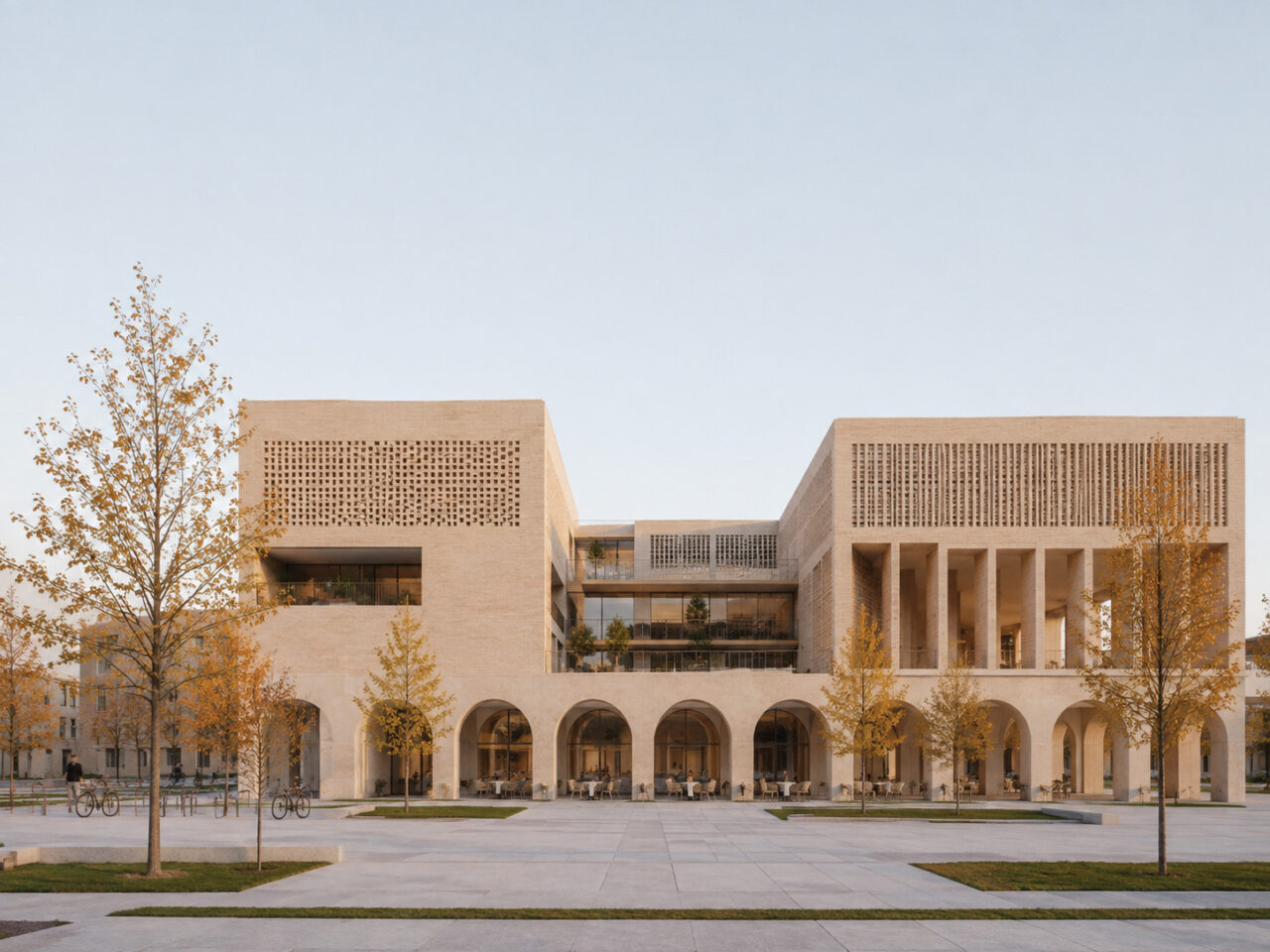
Architecture is applying AI to the wrong part of the design process. Most attention lands on what these systems can produce—images, 20 alternatives before a meeting has even started, a building rendered in seconds when it once took days. But abundance of output isn’t where architectural value lives, and producing extra won’t change that. The more consequential opportunity sits earlier, in the uncertain middle of design, at the massing and schematic stages, while a building is still a hypothesis and height, volume, program, structure, circulation, and environmental response all remain negotiable. This is where variation can actually change a project rather than just describe it. Yet many emerging AI workflows do the opposite: prompt, generate, select. Ask for 20 buildings and choose the most convincing one: it looks like iteration, but the architect has quietly moved from producing the conditions of a design to auditioning finished answers, which is a different job, however similar it looks from the outside.
Removing the Architect
For the Bi-City Biennale of Urbanism/ Architecture in Shenzhen and Hong Kong, working with Sandra Baggerman, a Dutch architect and project designer at Trahan Architects, and Stella Zhang of InVision Wuhan, we took that logic to its extreme and built a pipeline that removed human design intention from as much of the process as possible. Hundreds of policy documents, planning texts, architectural publications, and public discussions about the future of the Greater Bay Area became our source material. A custom tuned AI workflow built in ComfyUI translated those texts into architectural briefs, the briefs became images, the images became three-dimensional models, and across 15,000 iterations the system produced its own speculative landscape of possible futures: solar-optimized towers, vertical ecosystems, extreme-density settlements, synthetic wilderness, civic monuments, and, more than once, an evil-looking castle. The system could imagine any of it. It held no opinion on which future was worth building.
What struck me most was how little we actually did. We assembled what went into the system and, at the end, chose what would be fabricated for the exhibition; in between, the pipeline largely ran itself. It exposed a plausible future workflow: the architect defines the input, the machine produces the architecture, the architect returns at the end to choose. Efficient, certainly. But it is not design.
Putting the Architect Back In
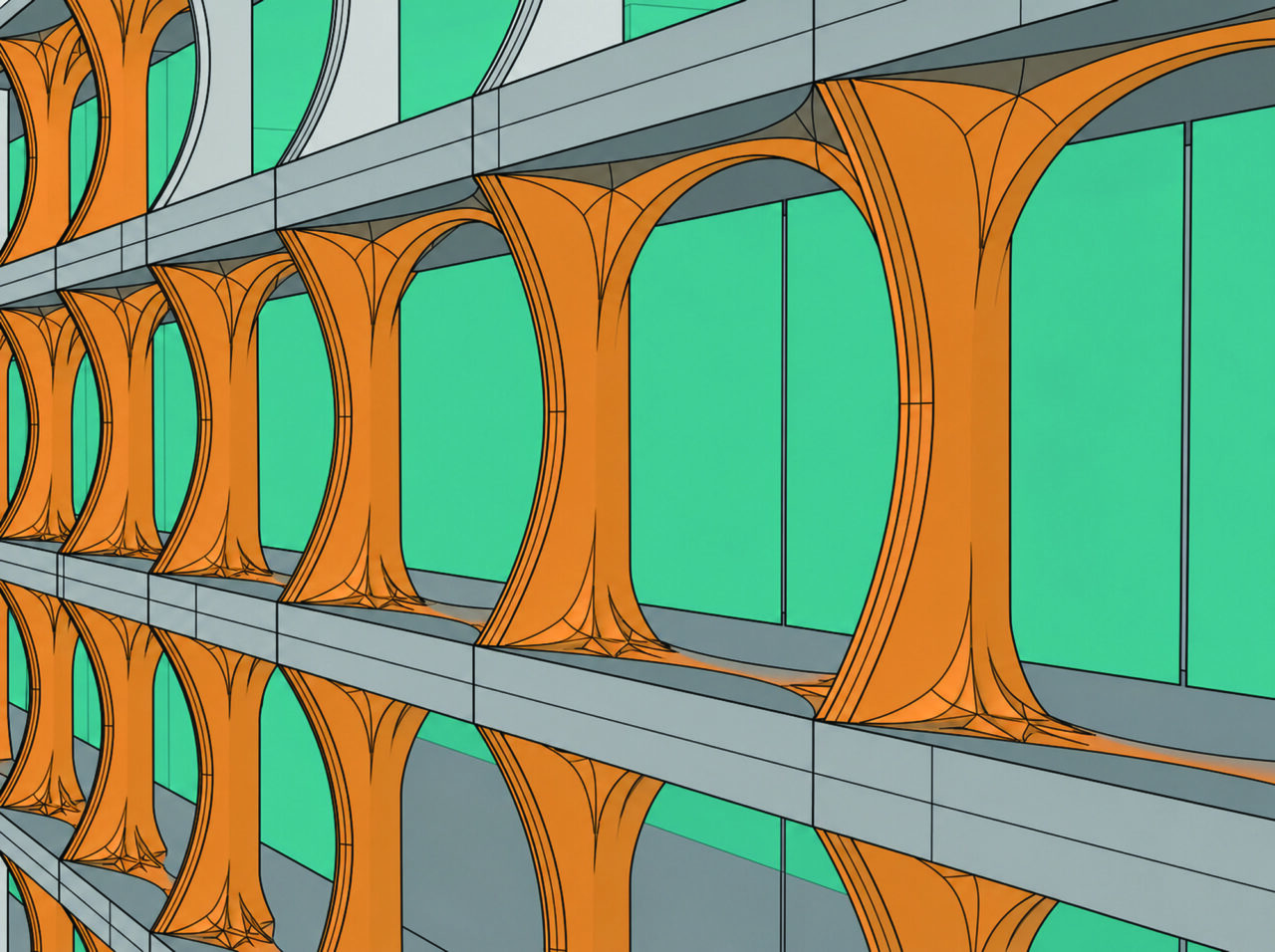
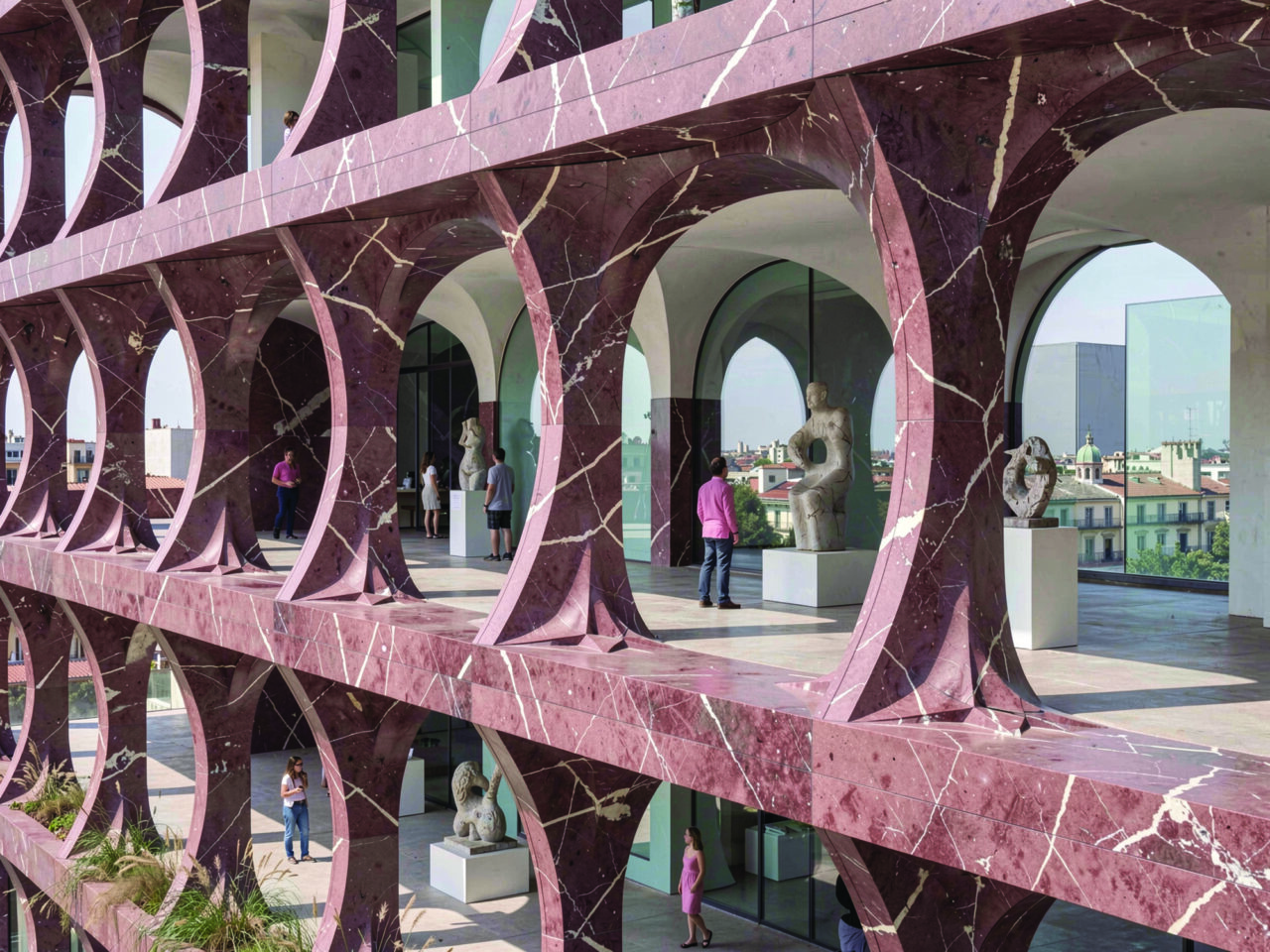
It’s already easy to ask an image model for something that looks like Gaudí: stone, branching columns, mosaics, curves, all appearing almost instantly. But reproducing an appearance tells you very little about the process that produced it. Gaudí’s hanging-chain models offer a better precedent. He set constraints, applied loads, and let gravity find the equilibrium. Change one weight and the whole system responds. The form was never selected from a catalogue of attractive possibilities—it emerged from an argument between the designer and a system with its own rules. That became the premise of our more recent project, developed with Archademy.ai, an architecture and AI education platform, the Antonio Gaudí Foundation, a Barcelona-based organization dedicated to preserving, researching, and promoting Gaudí’s legacy, and Thomas Nelissen, an architect and generative AI specialist. Rather than asking AI to imitate Gaudí’s architecture, we tested whether parts of his design logic could operate inside a contemporary generative workflow. The architect starts with a three-dimensional massing and fixes what matters—dimensions, program, certain geometries, a set of structural rules—and the model elaborates that massing while the design is still visibly unfinished. We intervene before material, lighting, and photorealism can make one option look more convincing simply because it’s prettier. The most consequential decisions in this workflow happen before the image looks finished. A finished image invites one kind of response: I like that one. An unfinished model invites a better one: why did it do that, and what happens if I move this? Even so, this has a hard limit. An image model doesn’t understand structure the way Gaudí’s hanging chains understood gravity: gravity has consequences, a generative model has probabilities. A generated form can resemble one produced by structural logic without possessing that logic, and that gap is exactly where architectural judgment, and responsibility, still has to live.


Staying in the Middle
Prompting won’t be the defining AI skill for architects. Prompts will keep getting easier, models more capable, and interfaces less visible. The harder skill will be knowing where to intervene: site boundaries, program, structural grid, and maximum height fixed before the machine ever runs; the façade and internal subdivision left open for it to explore; and the discipline to resist its proposal when it drifts past what should still be negotiable. That’s what sharing the pencil actually means: staying inside the process long enough that each move changes what happens next, rather than handing over a brief and waiting for a result. As architectural output gets cheaper, authorship will increasingly belong to whoever sets the conditions those outputs emerge from, and that change will reach beyond how architects work at their desks. In New York, as elsewhere, repeated building types make up most of the city we actually inhabit, and the conditions set upstream determine what gets repeated downstream. Adapting to AI means deciding what the machine isn’t allowed to touch. The unresolved middle remains architecture’s most consequential territory for as long as there’s something left to design.