




New York is beginning to write adaptability into its building regulations. The city’s new Existing Building Code will take effect in 2027 and create a standard for working with the enormous stock of existing buildings across the five boroughs. At the same time, demographic and climate changes, housing pressures, and new technologies are all forcing architects to rethink familiar assumptions. The work is learning how to make change itself part of the design brief.
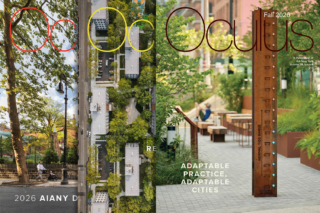
That challenge is at the heart of this issue of Oculus, devoted to “Adaptable Practice, Adaptable Cities.” We often think about adaptability as something designed into a building: the capacity to accommodate new uses, incorporate new systems, or respond to the needs of changing occupants. But the stories in this issue suggest that adaptability is equally important to architectural practice itself. As social and economic conditions, technologies, regulations, and material systems evolve, architects must reconsider not only what they design, but also how they work and where their expertise can make the greatest difference.
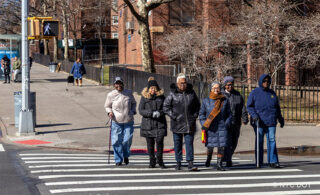
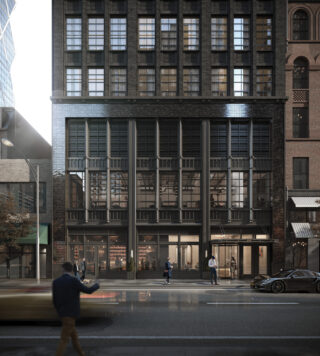
In this issue, Nicole Gates Anderson’s “Street Level” column looks at landscapes along the Gowanus Canal designed as evolving systems, expected to flood, mature, and connect urban spaces over time. In “Aging in the City,” Beth Broome moves the conversation about aging in place beyond apartments to the sidewalks, transit, public space, and neighborhood infrastructure that make independence possible. Harshad Pillai, AIA, discusses his firm’s work on office-to-residential conversions, a useful examination at a time when this type of project is being considered at underused commercial buildings across the city. Together, these stories make a case for designing for change from the beginning of any project.
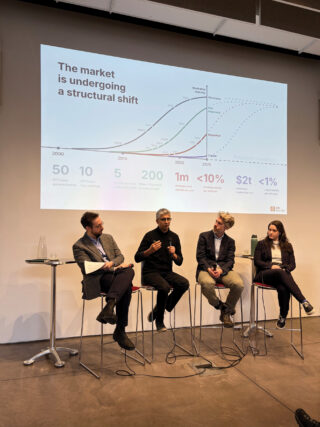
The same principle runs through our pieces on decarbonization and material circularity. AIA New York’s “Driving Digital Decarbonization” event earlier this year highlighted how increasingly sophisticated datasets and digital tools can influence decisions at earlier, more influential stages of building projects. And Rita Catinella Orrell’s writing about interior spaces’ potential to become material banks, rather than temporary assemblages destined for landfills, follows recent efforts to expand reuse, take-back programs, and circular design. This issue tries to describe many forms of adaptation: changes in what we quantify, what we preserve and discard, and how we make decisions.
As always, there are too many relevant stories to fit into one issue of a magazine. One ongoing question is how architects will adapt to artificial intelligence. AI systems can automate and augment many tasks, and the nature of professional work will shift in most sectors, including architecture. For architects, that raises an interesting question: What remains distinctly valuable about an architect’s critical intervention when more of the production process can be automated? In fact, our upcoming Winter issue will examine how that question is being asked in architecture classrooms worldwide. See our call for “opinion shorts” about education as well.
Many architects I meet hope that the answer lies in their own adaptability. Architects are used to conditions where code requirements change, where information is incomplete, goals conflict, and budgets, technologies, and regulations are in flux. The profession’s value isn’t in providing just one optimized answer but in its fluid understanding of how to guide change in our world.