





Take-Back & Donation Programs
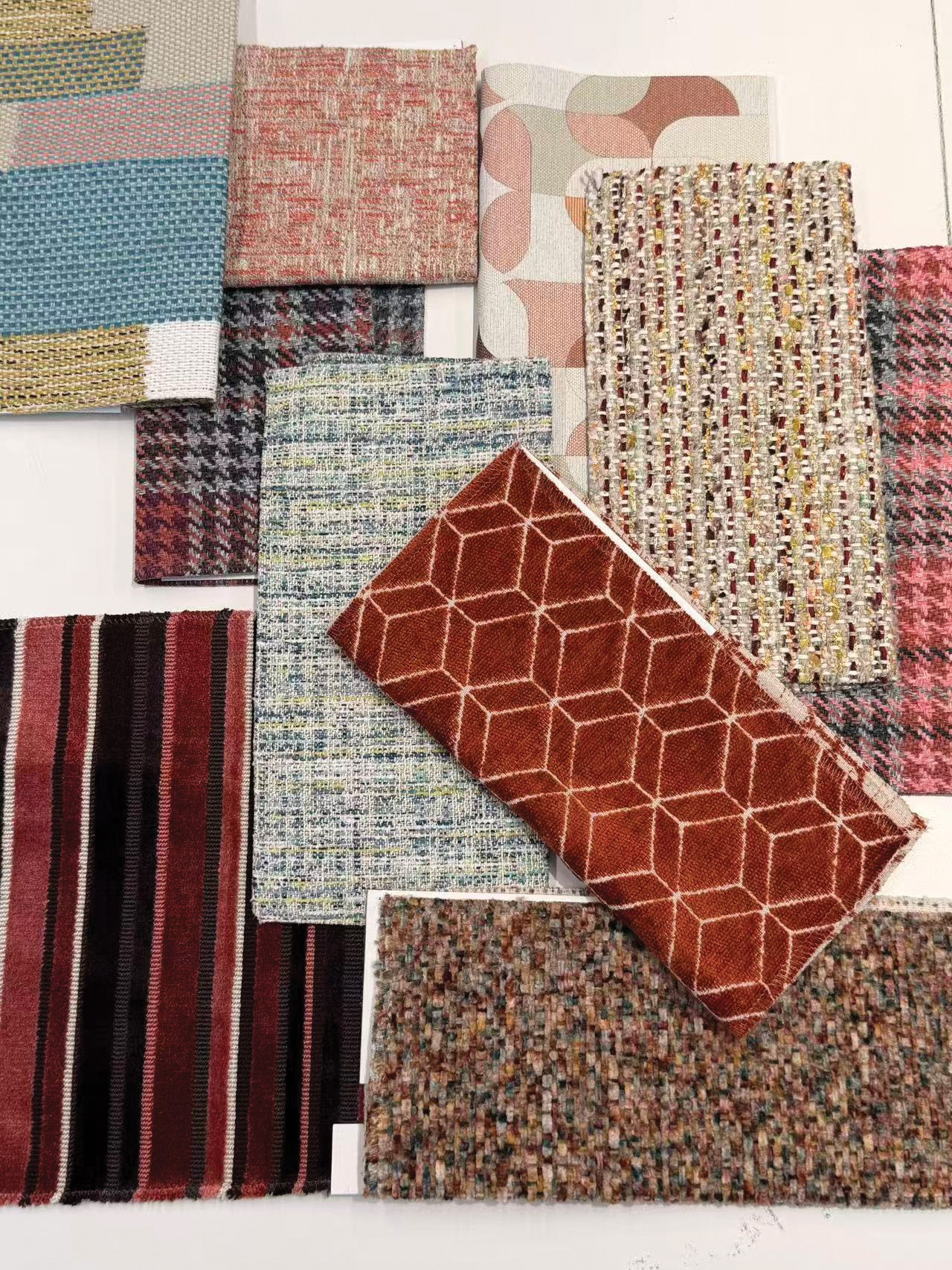
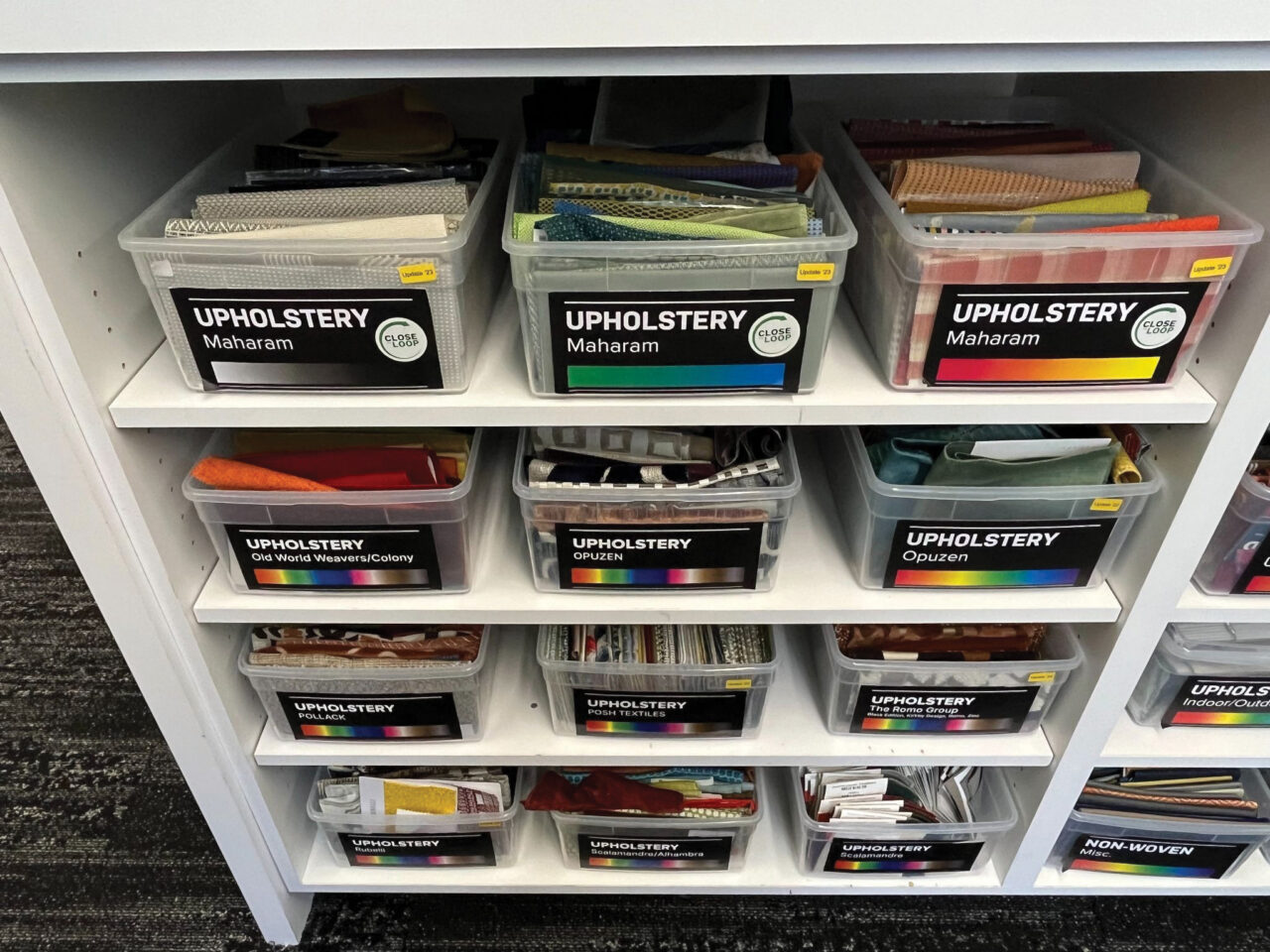
Spec Simple’s “Save A Sample!” program recently relaunched as an “on demand” sample donation program where design firms can pack up boxes of unneeded samples and post them directly to local schools, students, and artists. The company also organizes a “Close the Loop” list to highlight vendors offering sample and product take-back programs.
Unneeded samples are increasingly being returned by NYC firms. “Every rep in New York will tell you, they’re taking as many samples back now as they’re giving,” says International Interior Design Association (IIDA) NY President and materials specialist Robin Reigi. “Libraries are smaller and firms as a practice want to reuse.”
In June this year, the IIDA NY Catalyst Committee launched a reuse program where dealers and corporations donate gently used surplus workplace assets through the Source to Surface platform, and approved nonprofits browse available listings and submit requests. “We are still in the inception phase,” says Jennifer Graham, FIIDA, LEED AP, the chair of the Catalyst program as well as IIDA NY’s vice president of action and a managing principal at Perkins&Will’s New York Studio. “Initially [the focus] has been furniture,” says Graham. “However, we recently facilitated a donation of a large quantity of kitchen cabinets to Esperanza Center [a social services organization] in the Bronx.” Reigi is excited about the new initiative, which will better align with the association’s Catalyst mission and broader circularity goals. “Source to Surface is one of the most meaningful initiatives our chapter has undertaken,” says Reigi.
Shipping back actual products to manufacturers is more challenging. David Briefel, LEED AP ID+C, BD+C, sustainability director and global leader of Gensler’s Climate Action & Sustainability practice in New York, says only a small subset of manufacturers the firm uses have an existing take-back program. “An even smaller subset of those programs are actually being used, and yet an even smaller subset produces new products from the materials they take back rather than simply downcycling them or burning them for waste-to-energy,” says Briefel. Architect David Bergman, LEED AP, Assoc AIA, the chair of sustainability at the NY School of Interior Design, is spearheading the Center for Circularity in Interior Design, a new nonprofit to drive the adoption of circular design and decarbonization principles in interiors. He believes keeping take-back programs simple is key to their success. “If we end up with a lot of separate product or industry specific programs, it will be unwieldy for users to figure out each one,” says Bergman. “What’s really needed, for many reasons, are take-back centers. And they should include salvage and resale as well as repair.”
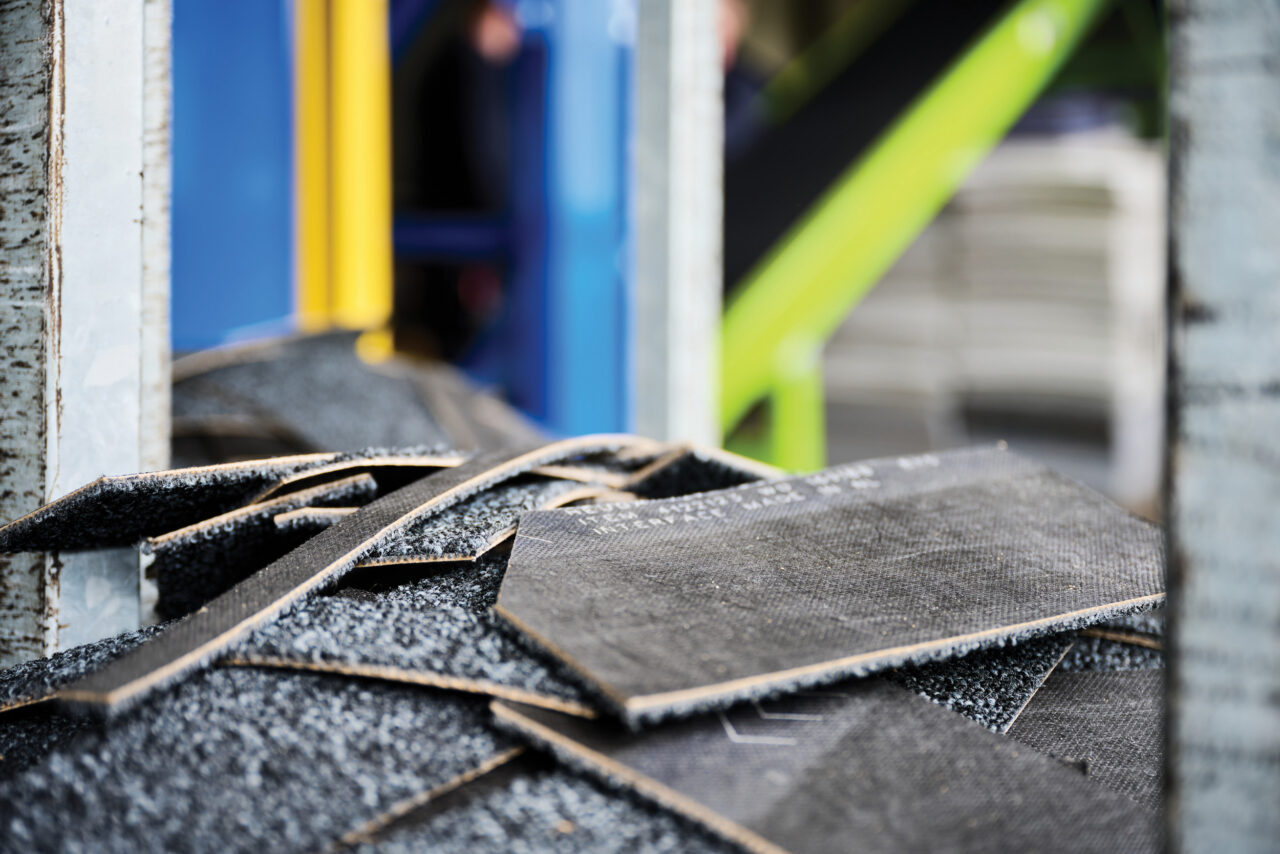
Bergman says based on weight and percentage in landfills, carpet is the item most often trashed. “It has an abysmal recycling rate and virtually no take-back programs,” says Bergman. “Carpet tiles are a good attempt at addressing this, though there’s still a long way to go in making take-back or recycling of the tiles the standard.”
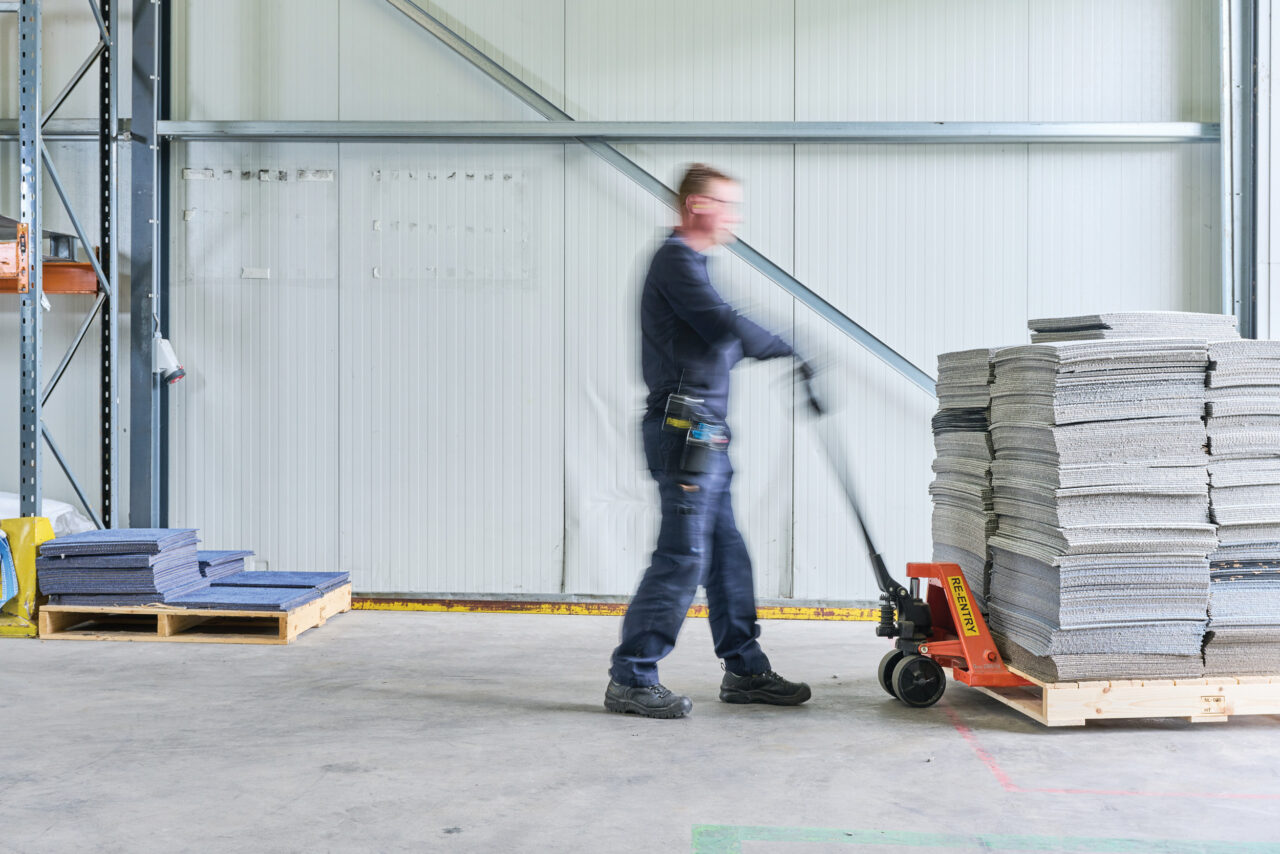
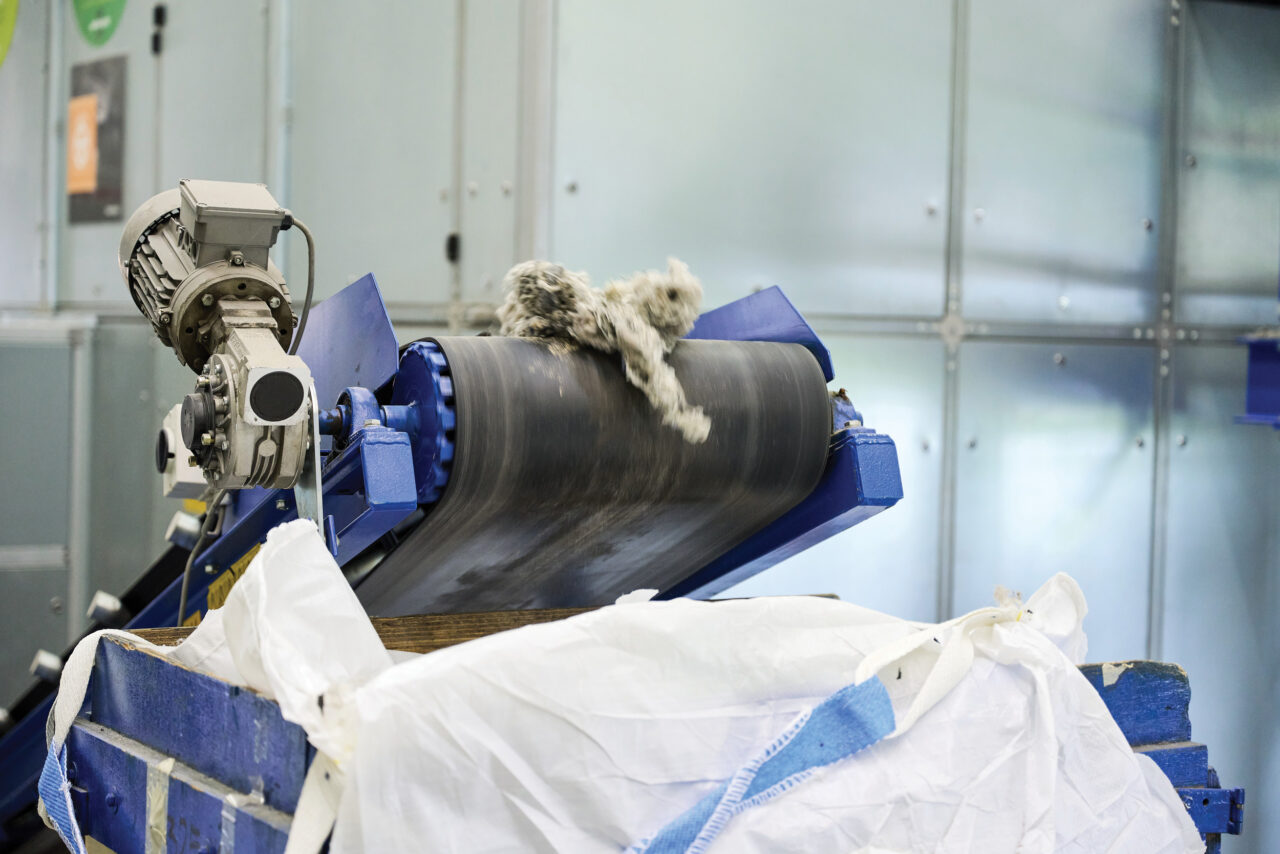
Interface pioneered commercial carpet take-back in 1995 with its ReEntry program to reclaim and recycle used modular flooring. “In a dense urban market like New York, where projects often move quickly and space can be limited, an effective take-back program depends on both early planning and strong local partnerships,” says Moniqua Minter, Americas regional lead for sustainability and market strategy at Interface. “The logistics are different from many other markets: large trucks often can’t easily access project sites, so flooring may need to be moved in smaller loads and consolidated locally before it can continue to its next destination.”

Recycling Challenges
Brett Gardner, RID, LEED AP BD+C, CSR-P, the senior director of sustainability at IA, sees a growing demand for furniture redeployment, take-back programs, and material recovery programs. “While these programs are increasingly common, utilization remains well below potential because of a general lack of awareness,” says Gardner. “The primary barriers are typically schedule, storage, labor, logistics, and market demand rather than technical recyclability.”
The construction industry has been slow to establish industry standards for waste diversion. “Recycling Certified Institute–certified facilities, such as Cooper Recycling in New York and a handful of others across the country, do have commingled recycling programs that divert approximately 50% of their total facility waste,” says Briefel, “but a lack of transparency at non-RCI facilities makes it difficult to know how much is actually going to landfill.”
Additionally, it can be difficult to store materials on-site after they are deconstructed, until a processor or end user can collect them, so intermediary spaces that can store, transfer, and sell materials are critical to making the circular economy work. In urban areas like New York, buildings may lack freight elevators, have narrow door frames, or have limited loading docks. Cost is another consideration. “Circularity will struggle to scale until real and perceived cost premiums are reduced,” says Briefel.
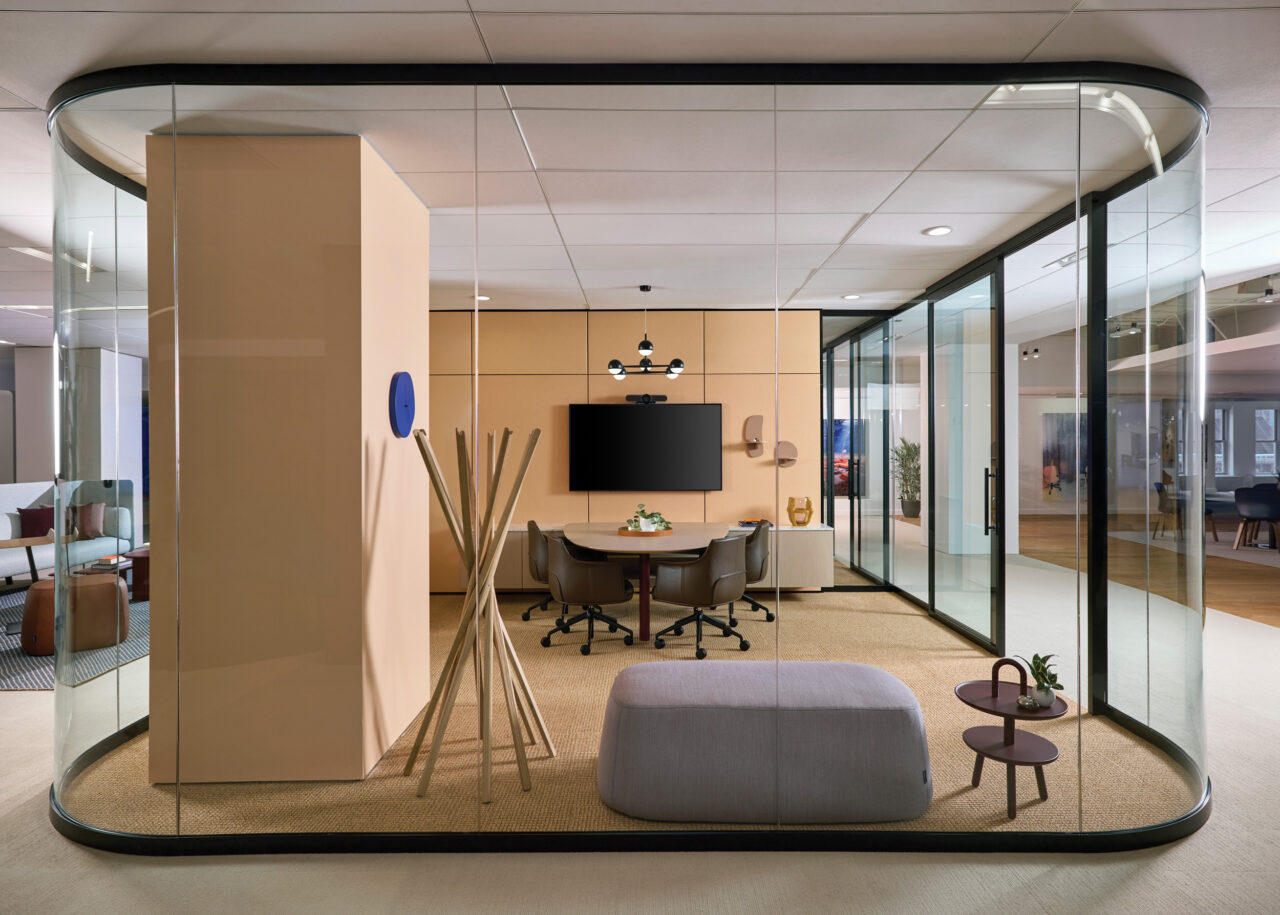
Zero TI
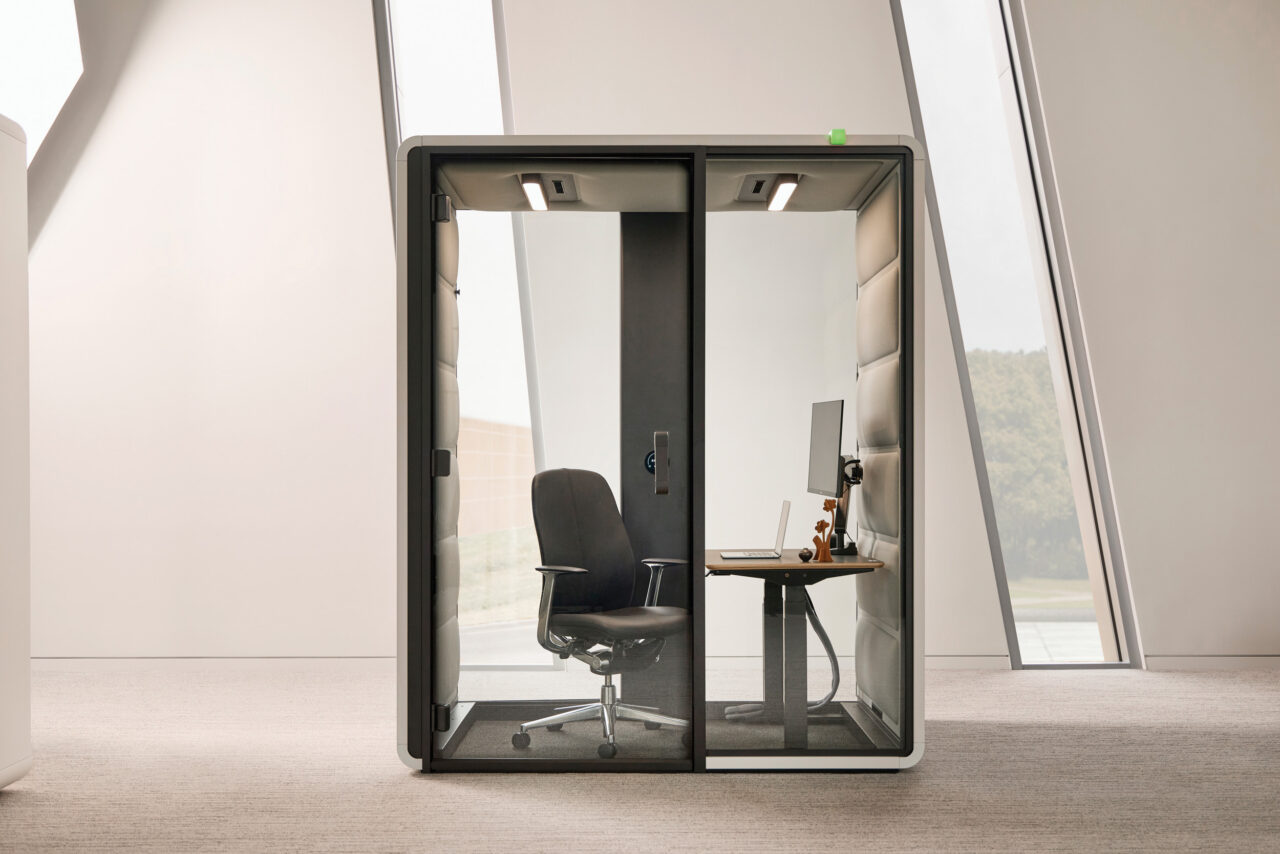
In the evolving post-COVID-19 workplace, a new concept called Zero Tenant Improvement (TI) emerged out of a collective push by commercial real estate asset managers, designers, and furniture manufacturers to solve the so-called drywall tax, a months-long cash flow drain (and the ensuing material waste) that occurs when a traditional commercial floorplate sits empty during custom construction cycles between tenants. Instead, a landlord provides a clean, open floor plan with flexible infrastructure already installed, such as pre-routed cable pathways, zoned HVAC, adjustable lighting, and modular furniture. Haworth, which designs and manufactures furniture and workplace solutions, conceived its own TI product that it calls a “spec suite,” a kit of parts that challenges the assumption that every incoming tenant requires a new cycle of demolition, construction, and replacement. “If walls, rooms, privacy spaces, and supporting infrastructure can be reconfigured rather than demolished, we reduce the amount of material entering waste streams every time an organization grows, reorganizes, or turns over a lease,” says Andrew Peterson, AIA, a senior channel and business development manager at Haworth.
For furnishings and finishes, the impact is somewhat indirect but still important, says Peterson: “When the architectural framework can adapt without major construction, organizations are more likely to retain and reuse furniture, architectural components and finish elements rather than replacing them simply because the floor plan changed.”
In a market like New York City, where tenant turnover and renovation activity are constant, even a modest shift toward reuse could have a meaningful impact.
“The Zero TI concept asks a simple question,” says Peterson. “If we know change is inevitable, why are we still designing interiors as though change is the exception?”


Pilots at BAT
The ideal time to consider ways to keep products out of the waste stream is during development. Pilots at BAT is a climate innovation program that helps early-stage climate tech companies test their products in occupied buildings in Sunset Park’s Brooklyn Army Terminal and demonstrate how they can be integrated into conventional construction workflows.
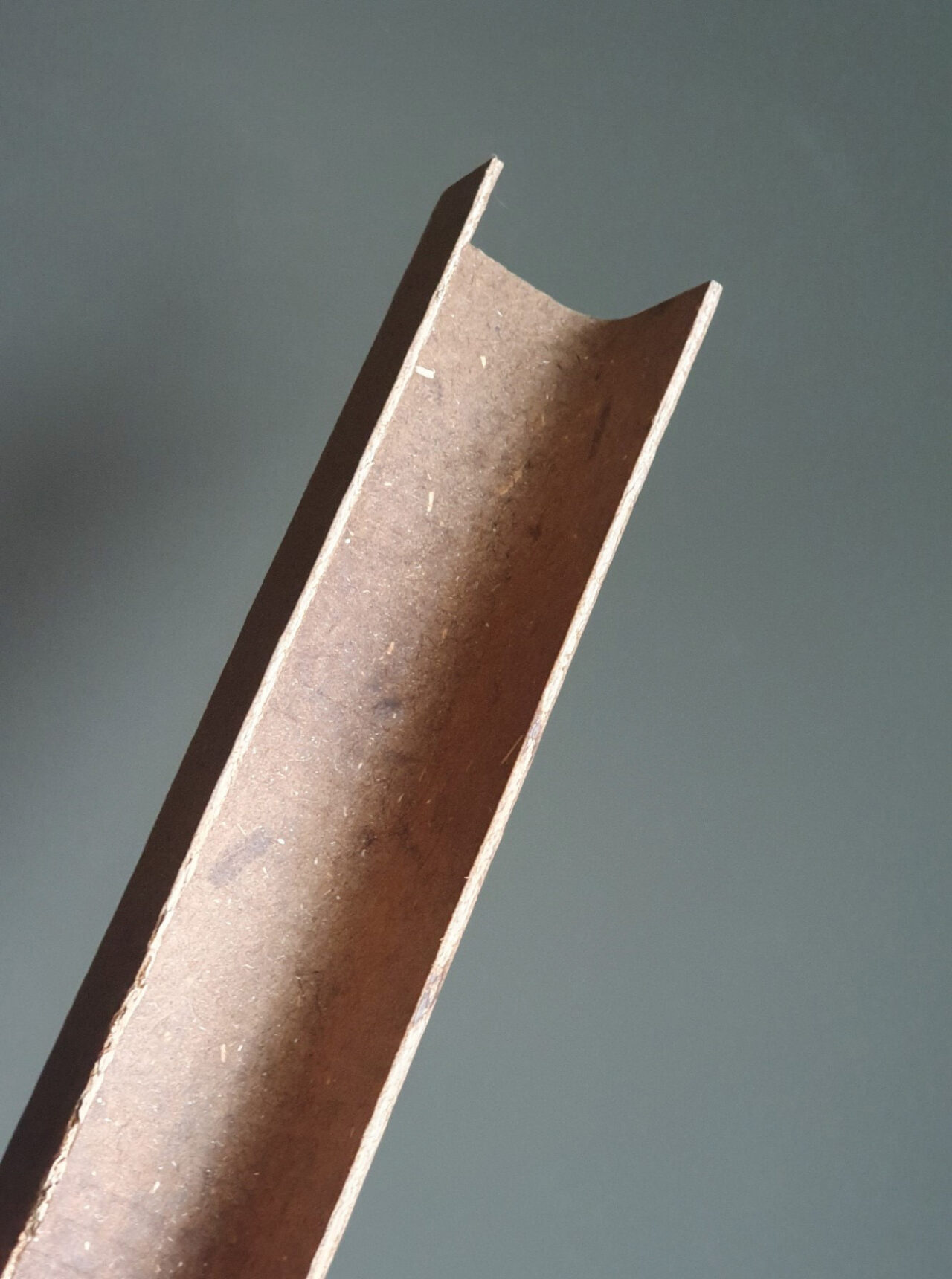
British company BioTwin is piloting its BioStud system, a hemp-based wall stud designed to replace conventional steel studs in non-load-bearing interior partitions that can be recycled into the existing wood panel supply chain. New York-based Cast Carbon and North Carolina–based Plantd participated in the first joint startup pilot in which two interior wall assemblies combined Cast Carbon’s biochar-enriched interior wall tiles with Plantd’s carbon-negative structural panels made from perennial grass.
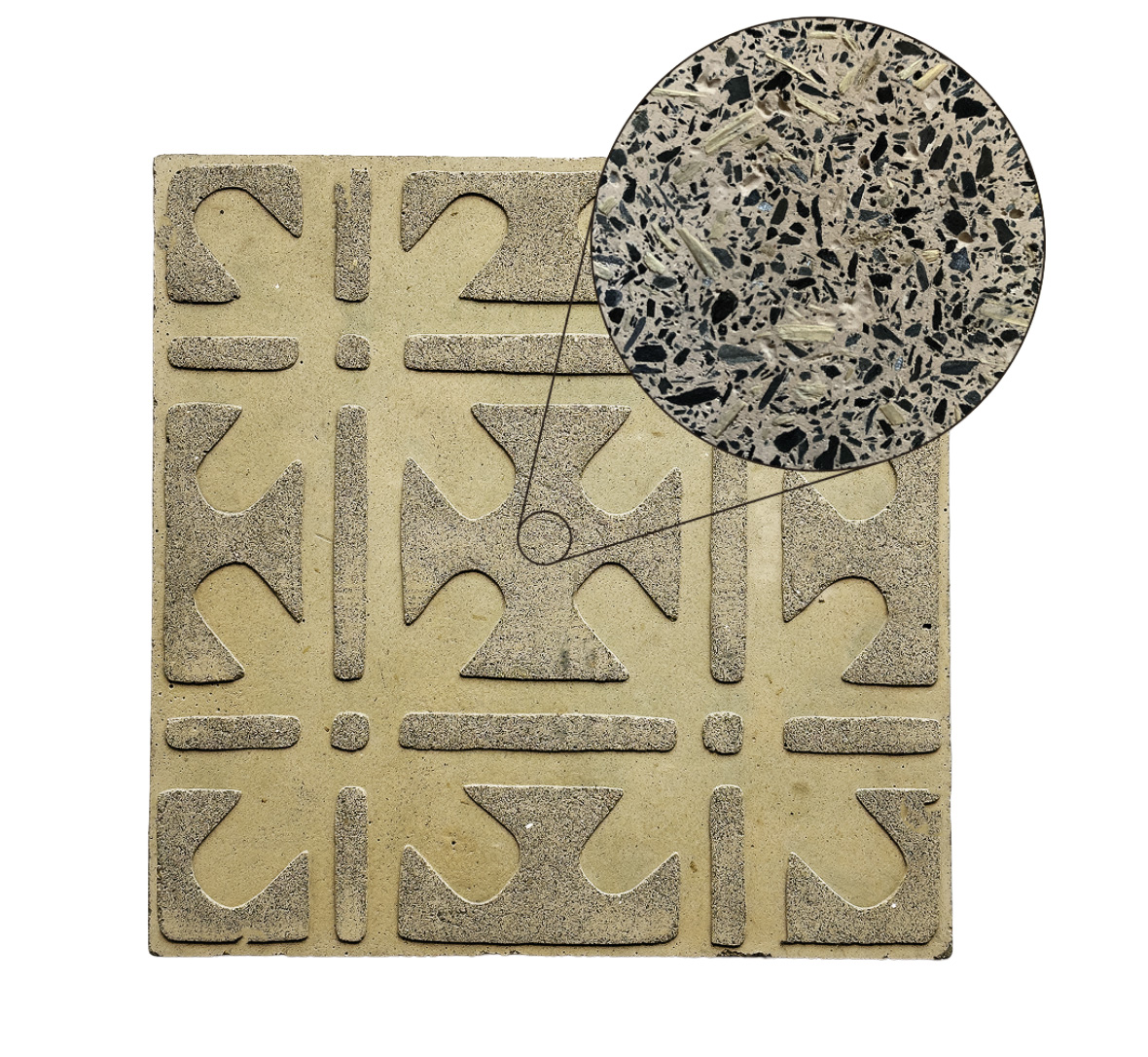
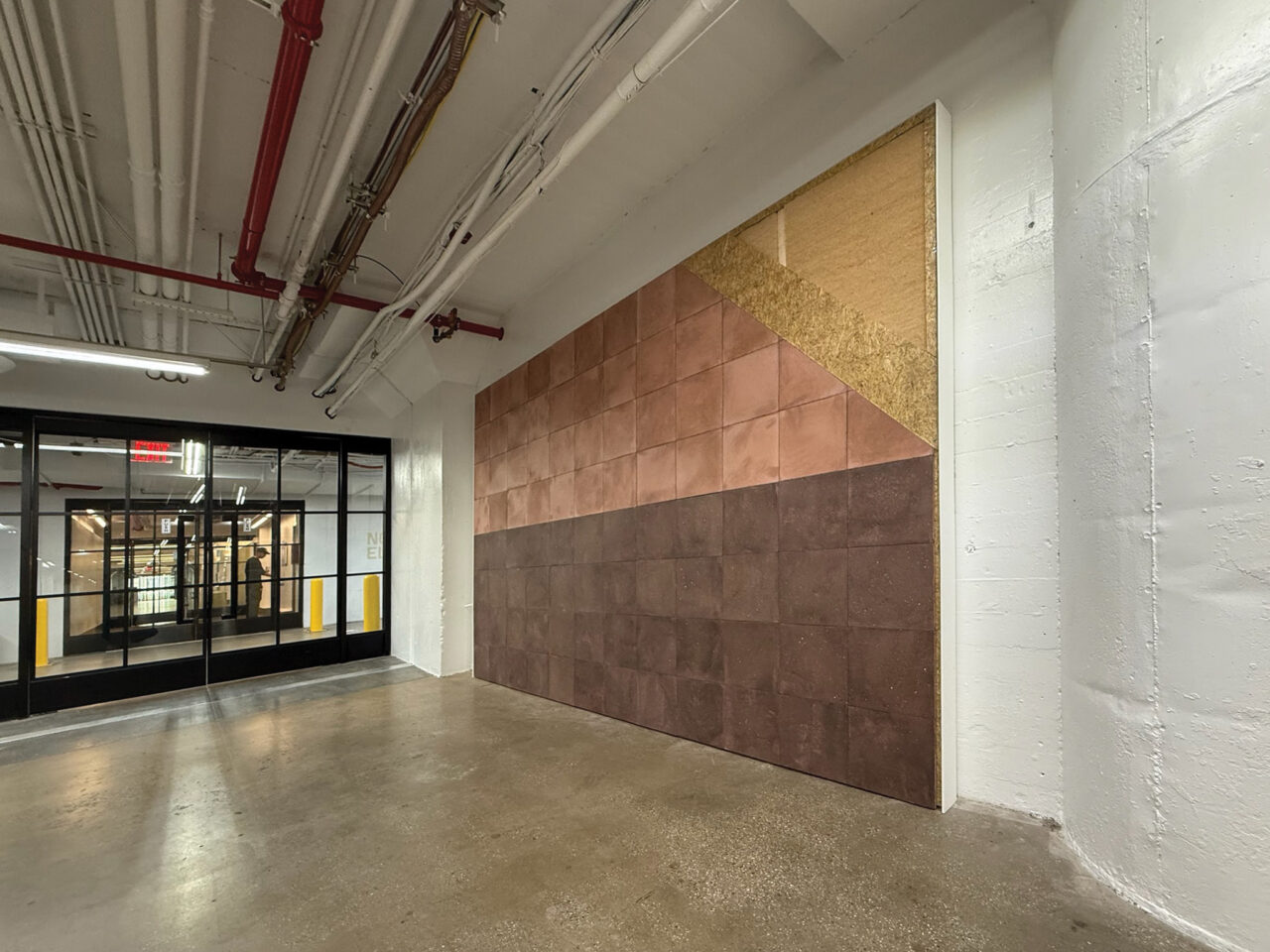
Cast Carbon founder Emily Majewski says the company is focusing on creating a take-back program for mechanically attached tiles (where they get pulverized and turned into new products) and creating a series of designs that celebrate hardware over glues. She feels a mindset adjustment is required for change to happen. “In reality, most people are very detached from the end-of-life stage with all the materials that surround their
While challenges remain, increasing numbers of projects are diverting materials through reuse, recycling, and manufacturer take-back programs. “The New York market is steadily shifting from a traditional ‘take-make-waste’ model toward a more circular approach,” says Gardner. “The challenge is no longer whether reuse is possible but how consistently it can be integrated into project planning and delivery.”
David Bergman (Center for Circularity in Interior Design) will speak at the annual Deconstruction + Reuse Conference, November 18–19, in Phoenix, Arizona. The conference is organized by Build Reuse, which convenes hundreds of industry professionals committed to advancing reuse practices within the building sector. buildreuse.org/conference
RITA CATINELLA ORRELL (“Keeping Interior Products in Circulation”) is a native New Yorker and a former editor at Architectural Record. She is a contributing products editor for The Architect’s Newspaper and Texas Architect.