

Topics
-
February 18, 2026
![Photo: NYCEDC]() Photo: NYCEDC
Photo: NYCEDC![Photo: NYCEDC]() Photo: NYCEDC
Photo: NYCEDC![Photo: NYCEDC]() Photo: NYCEDC
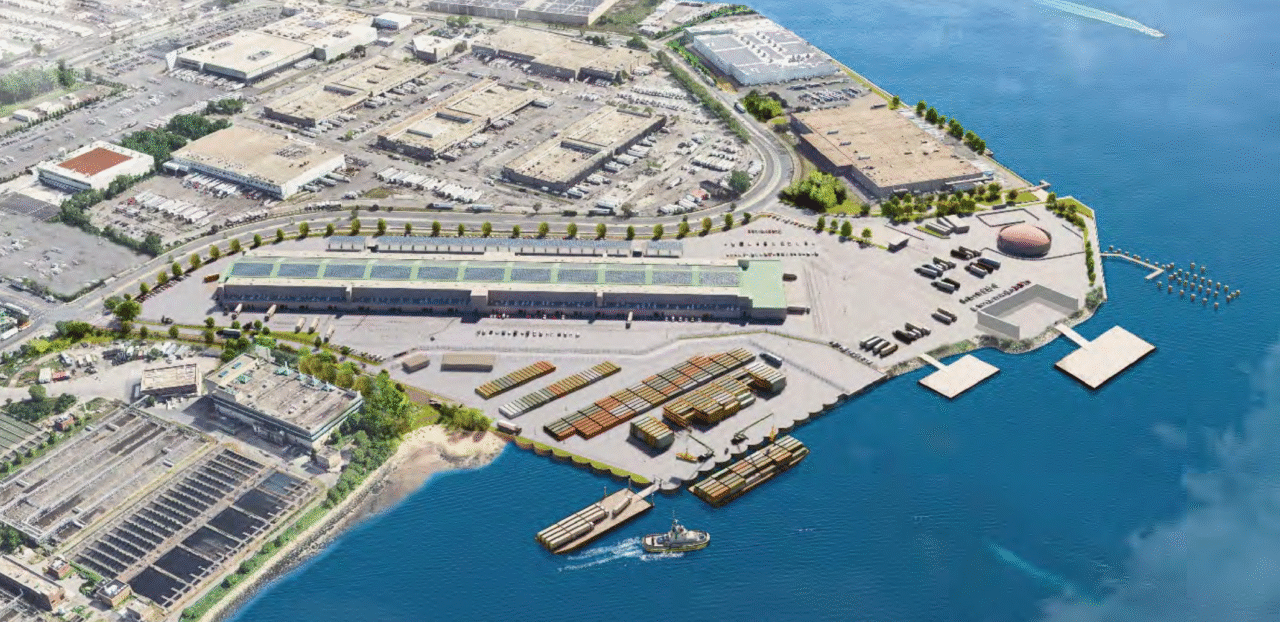
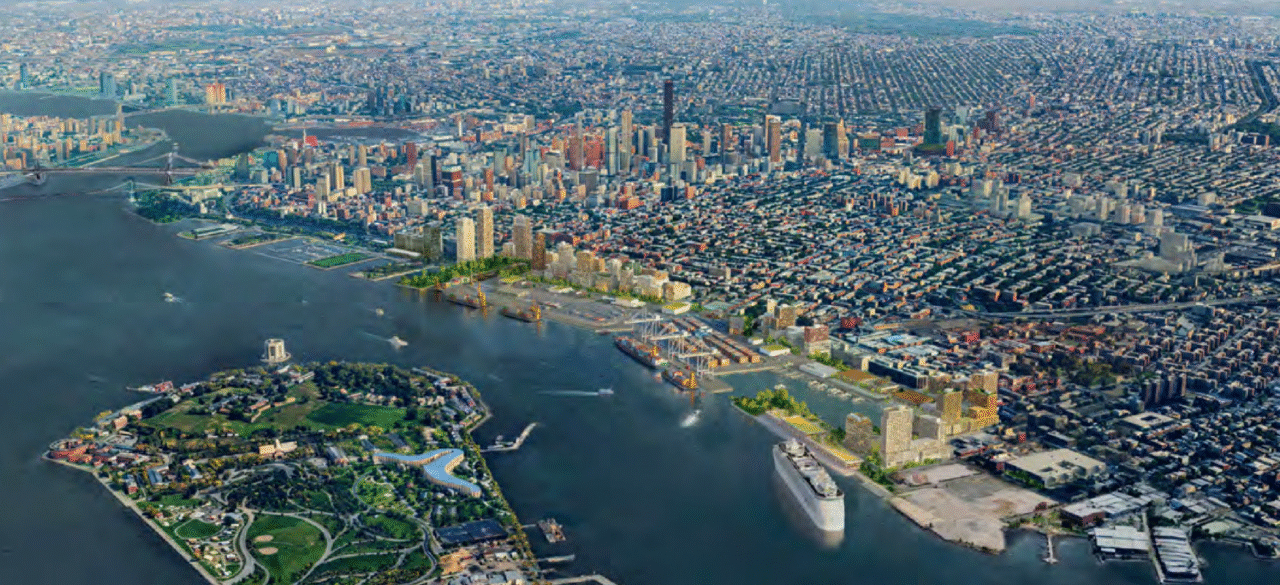
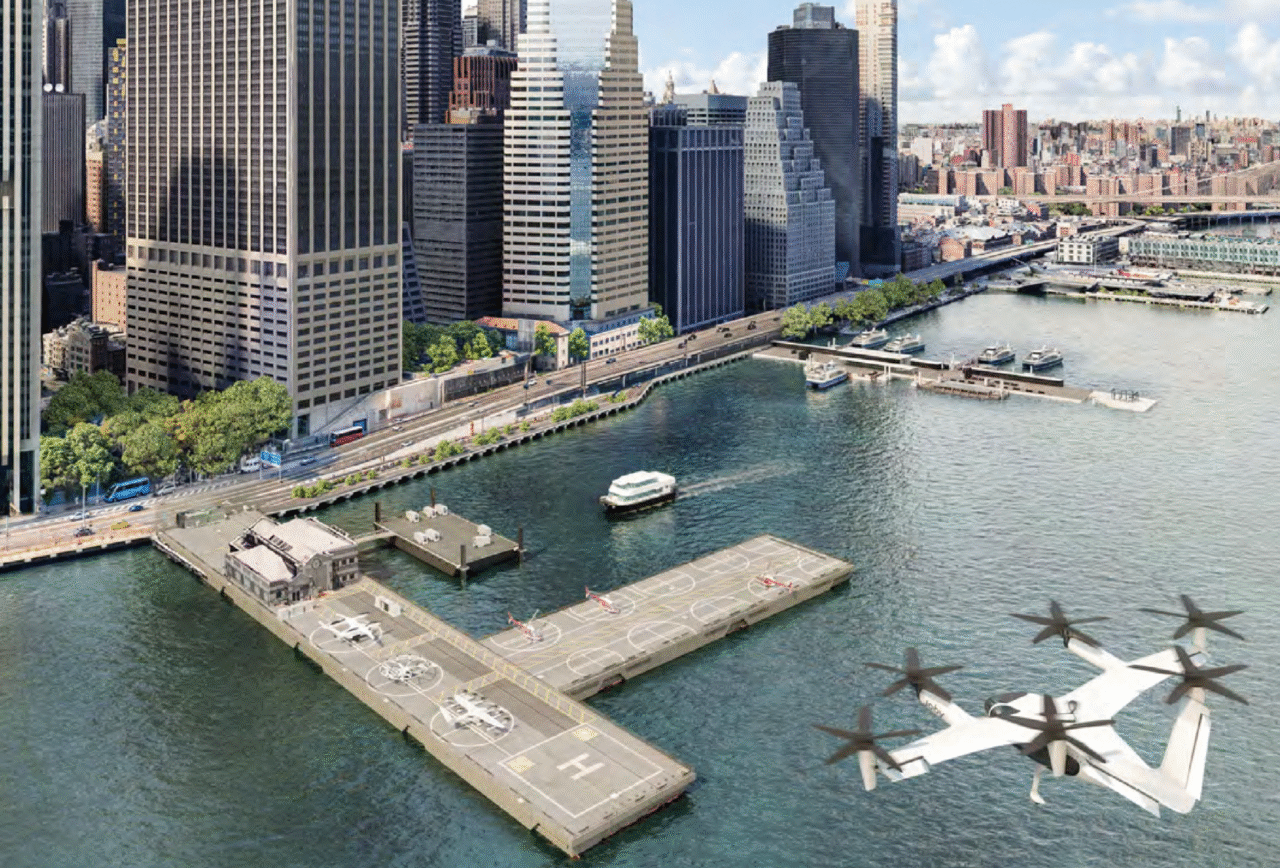
Photo: NYCEDCJoin us for a Sneak Peek this Thursday, February 26 with Chris Canary as he talks Blue Highways and the rising utilization of waterways for transport.
Freight volumes continue to rise while NYC streets are at capacity. How can we move more goods with our existing street network? Blue Highways is one part of that solution—shifting goods onto our waterways for the middle mile of deliveries, with electric cargo bikes handling the last mile. It’s back to the future with a 21st century twist. Join us as we discuss the City’s Blue Highways Action Plan, pilot routes in development, and projects in the pipeline.
Chris Canary is Vice President within the Ports, Waterfront and Transportation Department at the New York City Economic Development Corporation. He manages the Blue Highways program for EDC, which aims to reduce congestion on the city’s roadways through increased use of the city’s waterways to move microfreight and bulk freight, and most recently led the removal and scrapping of the Vernon C. Bain Prison Barge in the Bronx. He previously worked for McKinsey & Company and the Port Authority of New York & New Jersey. He has an MPhil in Public Policy from the University of Cambridge. Originally from Oregon, Chris enjoys climbing, biking the city’s greenways, and reading.
-
The AIANY + ASLANY Transportation and Infrastructure Design Excellence Awards celebrate exceptional design in transportation and infrastructure architecture by architects, landscape architects, and planners across the United States.
The awards program recognizes built and unbuilt projects for their design, innovation, and impact, raising awareness about the critical role that well-designed infrastructure plays in our cities, our communities, and our lives. AIA New York, in partnership with AIA Austin, AIA Miami, AIA Los Angeles, ASLA-NY, ASLA Illinois, will also recognize projects that reflect a commitment to sustainability, community engagement, and civic architecture.
The program is open to registered architects, landscape architects, and planners. Students enrolled in, or 2023–2025 graduates of, an accredited architecture, landscape architecture, or planning program in the US are also eligible.
Submission Deadline: February 27, 5:00 pm ET
Extended Deadline: March 13, 5:00 pm ET
Winners Event: May 5, 6:00 pm ETYou can submit your project directly here, or see the competition webpage for more information.
-
December 15, 2025December Meeting: Introduction to the Sam Schwartz Transportation Research Program at Hunter CollegeJoin us on Thursday, December 18, as we welcome Kelly McGuinness, AICP, Director of the Sam Schwartz Transportation Research Program at the Roosevelt House Public Policy Institute, as she speaks on the Sam Schwartz Transportation Research Program (SSTRP)’s vision, mission, past and upcoming events, and in-progress research. Launched in September 2025, the program at Roosevelt House is dedicated to advancing solutions for urban mobility and improving New York City’s transportation systems. The vision of the SSTRP is to be a leading urban transportation research hub, shaping policy, fostering innovation, and empowering the next generation of transportation leaders through education and applied research, while serving as a trusted and cited reference for addressing mobility challenges in New York City and beyond. More information about the program can be found here.Kelly brings experience as a transportation planner at TYLin (formerly Sam Schwartz Consulting LLC), where she worked on projects advancing data-informed planning and design, traffic safety, and community engagement. Kelly has contributed to a wide range of initiatives, including the New York City Department of Transportation Streets Plan, the Central Park Conservancy Safety + Mobility Study, and Safety Action and Vision Zero Plans for Hudson County, NJ; the City of Stamford, CT; and the Villages of Tarrytown and Sleepy Hollow, NY, among others. Before her work in consulting, she was part of NYU’s Rudin Center for Transportation, supporting research on urban mobility and innovation.
-
September 22, 2025
![Photo: New York Building Congress]() Photo: New York Building Congress
Photo: New York Building Congress![Photo: New York Building Congress]() Photo: New York Building Congress
Photo: New York Building Congress![Photo: New York Building Congress]() Photo: New York Building Congress
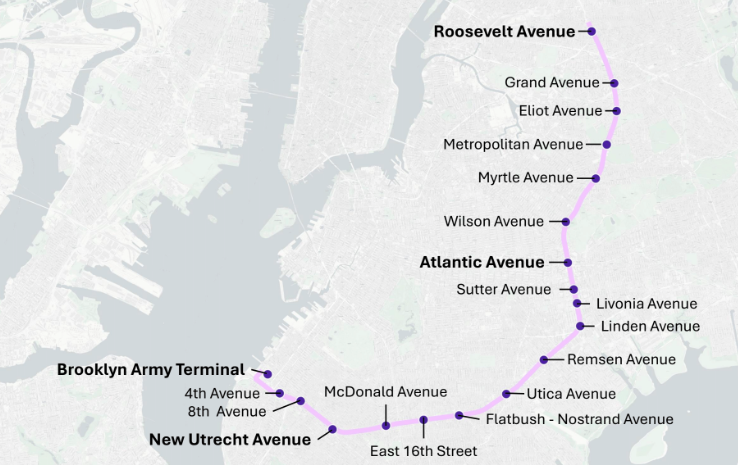
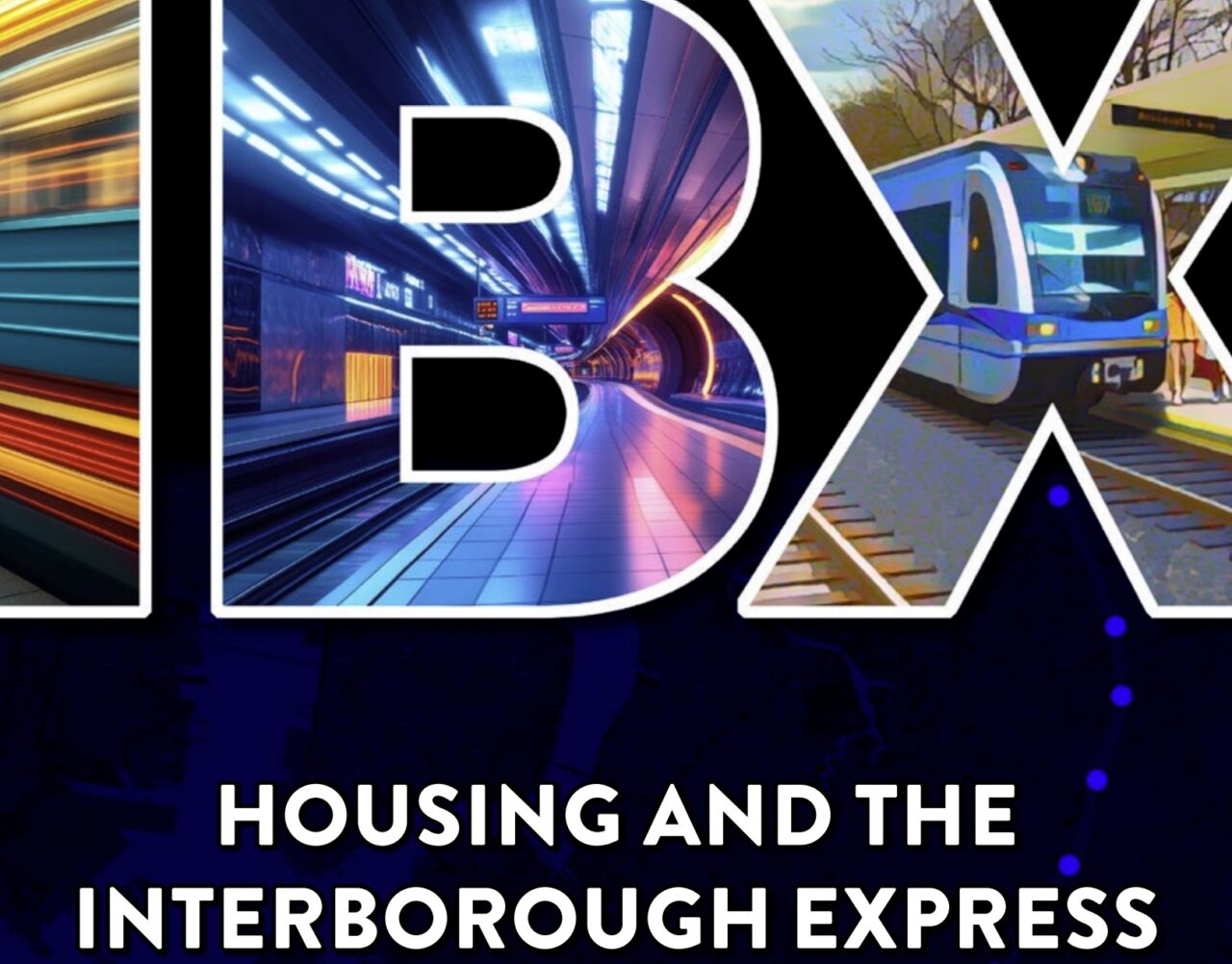
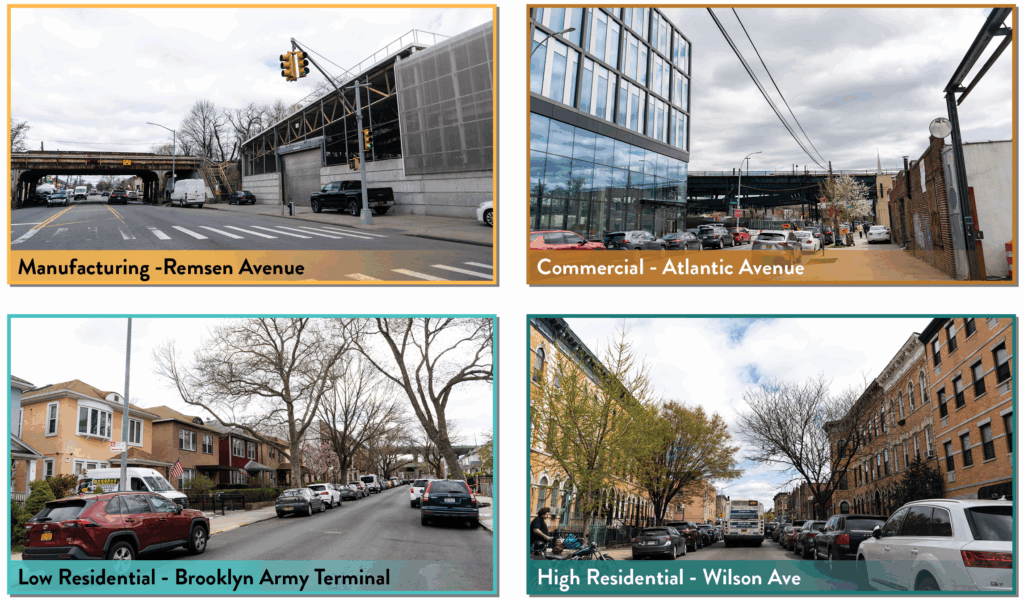
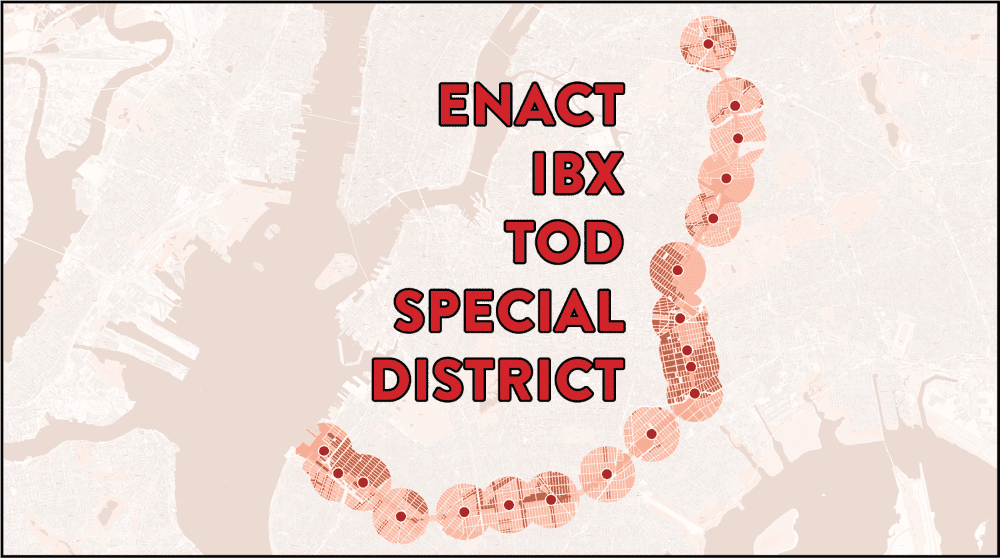
Photo: New York Building Congress![Photo: New York Building Congress]() Photo: New York Building CongressJoin us for a Sneak Peek with Carlo Casa as he discusses his report Housing and the Interborough Express (IBX).The report makes a simple case: New York City can ease its housing shortage if it treats the Interborough Express as more than a rail project. By running a 14-mile line through Brooklyn and Queens, the IBX could connect large stretches of land where new housing and economic hubs could rise within a ten-minute walk of each station. Building Congress staff mapped every stop, walked the corridor, and pinpointed spots that could best accommodate roughly 50 dwellings per acre, once zoning rules are updated. Pairing the new transit link with targeted rezonings, mixed-use streets, and basic infrastructure upgrades would create walkable, 24/7 neighborhoods, shorten commutes, and bring fresh investment to areas that have waited too long. The report urges city and state leaders to lock in those zoning changes now, align housing goals with the 2025-2029 MTA Capital Plan funds already set aside for the IBX, and rally public- and private-sector partners so the corridor becomes a model for transit-oriented development citywide. We believe that with modest zoning changes, we could create over 83,000 new homes along the IBX corridor.Key Takeaways:
Photo: New York Building CongressJoin us for a Sneak Peek with Carlo Casa as he discusses his report Housing and the Interborough Express (IBX).The report makes a simple case: New York City can ease its housing shortage if it treats the Interborough Express as more than a rail project. By running a 14-mile line through Brooklyn and Queens, the IBX could connect large stretches of land where new housing and economic hubs could rise within a ten-minute walk of each station. Building Congress staff mapped every stop, walked the corridor, and pinpointed spots that could best accommodate roughly 50 dwellings per acre, once zoning rules are updated. Pairing the new transit link with targeted rezonings, mixed-use streets, and basic infrastructure upgrades would create walkable, 24/7 neighborhoods, shorten commutes, and bring fresh investment to areas that have waited too long. The report urges city and state leaders to lock in those zoning changes now, align housing goals with the 2025-2029 MTA Capital Plan funds already set aside for the IBX, and rally public- and private-sector partners so the corridor becomes a model for transit-oriented development citywide. We believe that with modest zoning changes, we could create over 83,000 new homes along the IBX corridor.Key Takeaways:- The light-rail line would add 19 stations along a 14-mile right-of-way, linking 17 subway lines and the LIRR and serving up to 115,000 daily riders and creating 32,000 jobs.
- The corridor holds 228,256 homes today; smart rezoning can add about 70,000 more, to meet target of 50 Du/Ac.
- Many proposed stations already sit beside commercial hubs, strategic redevelopment zones, or city-owned land: places like Broadway Junction and the Brooklyn Army Terminal.
- The report urges creation of an IBX Transit-Oriented Development Special District to align zoning, infrastructure, and transit from day one, unlocking an extra 10,000 units with modest zoning changes.
Carlo Casa is the Director of Policy and Research at New York Building Congress, where he turns data into plain-language policy documents that aim to move housing and infrastructure projects from idea to groundbreaking. He directs the organization’s research agenda, producing reports, testimonies, and policy memos that guide 500 member firms and 250,000 building professionals on topics such as housing, construction spending projections, transit-oriented development, and energy planning. Earlier in his career, Carlo built traffic and revenue models for MTA Bridges and Tunnels, work that informed New York’s congestion-pricing plan and long-range financial forecasts. -
July 21, 2025
![Photo: Metrolinx]() Photo: Metrolinx
Photo: Metrolinx![Photo: Metrolinx]() Photo: Metrolinx
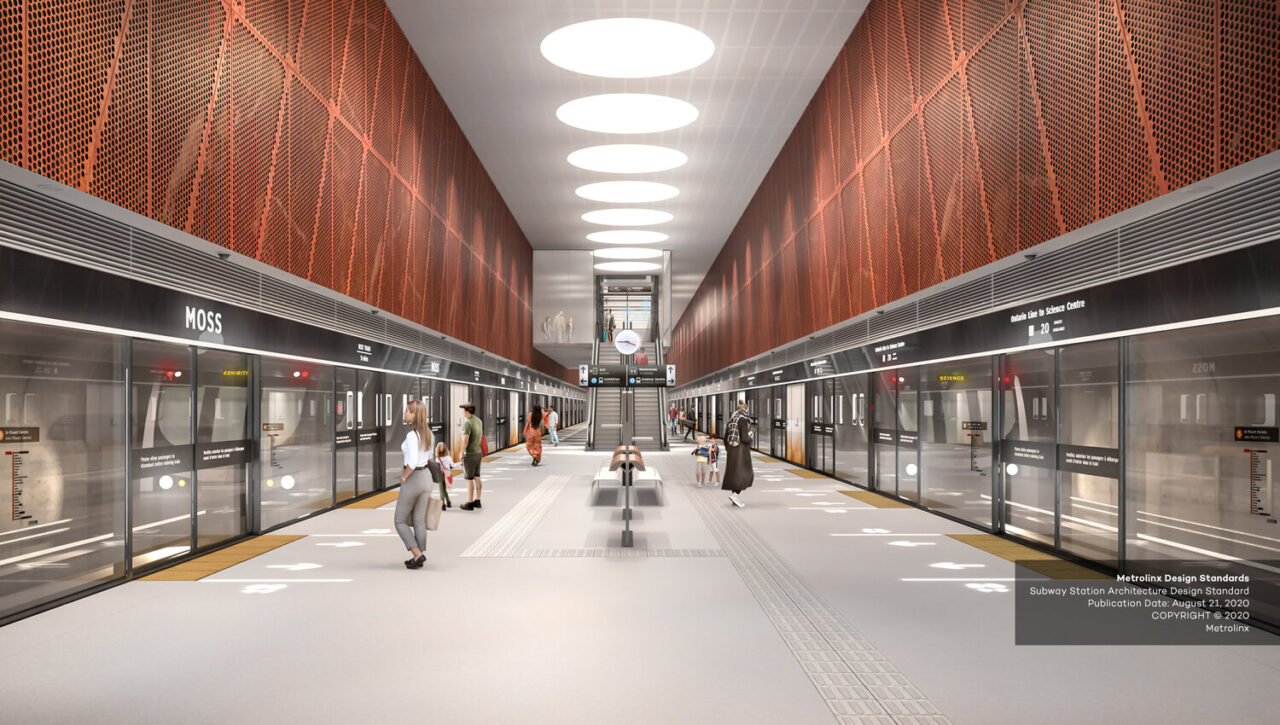
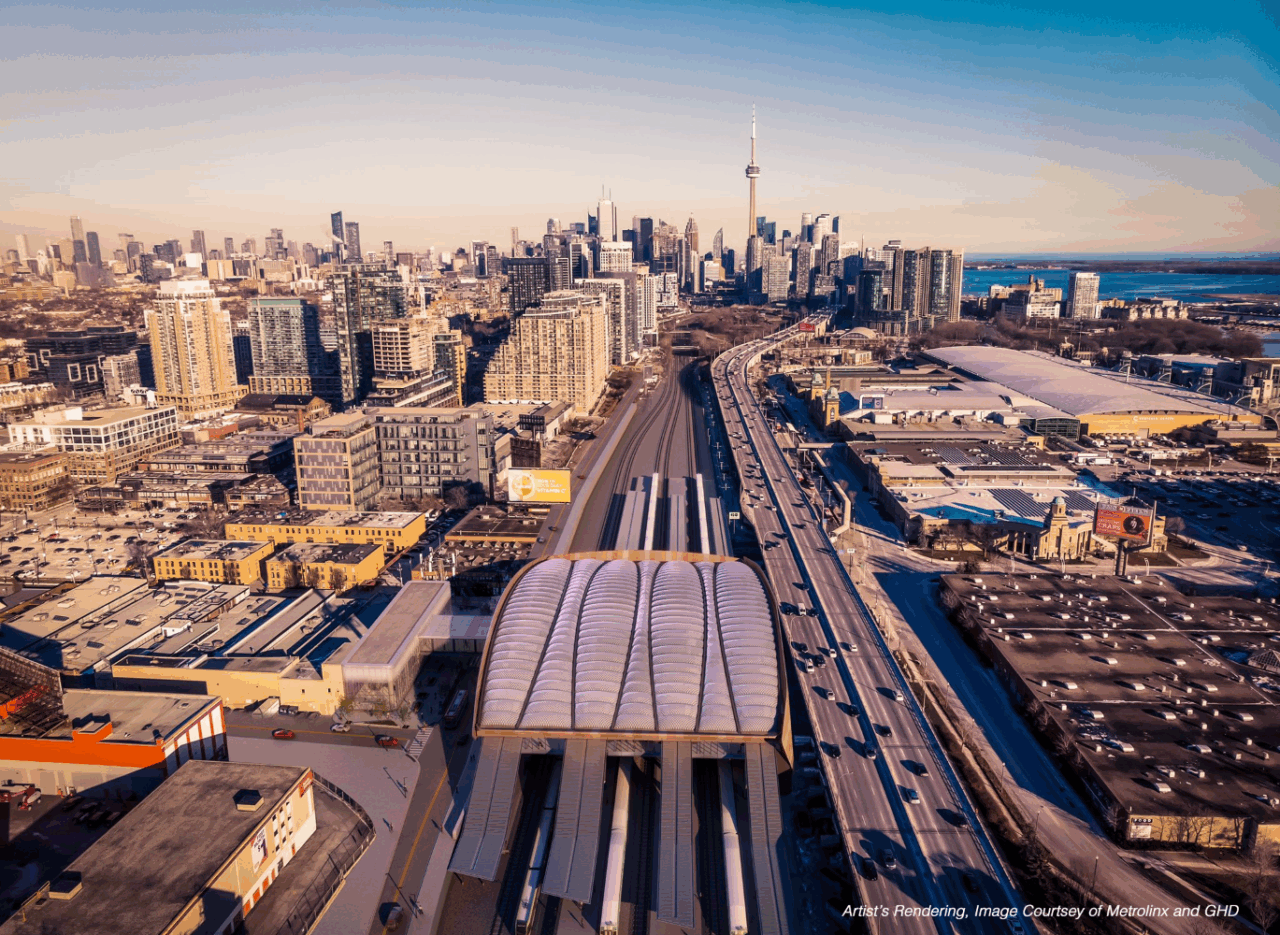
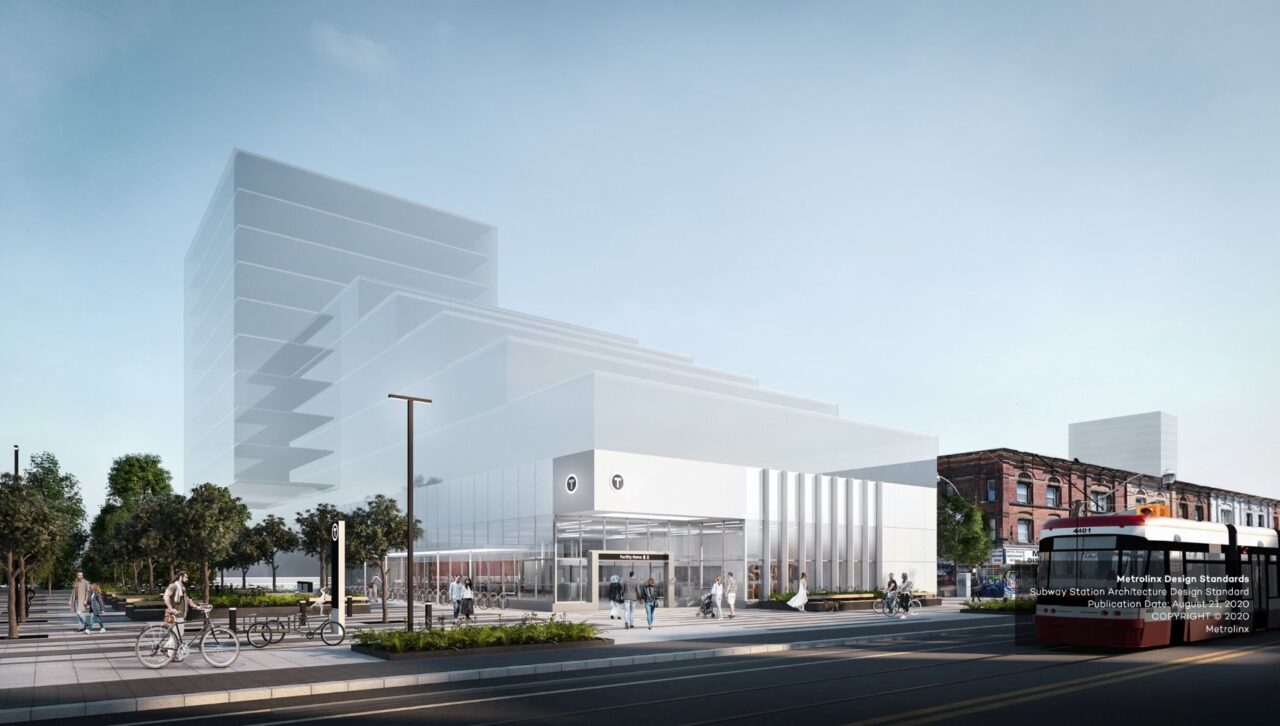
Photo: Metrolinx![Metrolinx4]() Dear Committee Members,Join us for a Sneak Peek with dexd for an inside look at Toronto’s transit system. Toronto is a city in the making, and its public transit system is no exception. Being involved in the creation of a city’s infrastructure offers the opportunity to ask key questions: What defines quality public transit? Who can realistically be served by it? Which communities does the system serve?In this presentation, you’ll hear a brief history and context of Toronto’s public transit projects, followed by an exploration of the Ontario Line and its Transit-Oriented Development (TOD) component—part of one of the largest subway transit projects in North America.As always, this presentation will be followed with an open discussion. We are looking forward to having you!
Dear Committee Members,Join us for a Sneak Peek with dexd for an inside look at Toronto’s transit system. Toronto is a city in the making, and its public transit system is no exception. Being involved in the creation of a city’s infrastructure offers the opportunity to ask key questions: What defines quality public transit? Who can realistically be served by it? Which communities does the system serve?In this presentation, you’ll hear a brief history and context of Toronto’s public transit projects, followed by an exploration of the Ontario Line and its Transit-Oriented Development (TOD) component—part of one of the largest subway transit projects in North America.As always, this presentation will be followed with an open discussion. We are looking forward to having you! -
April 24, 2025
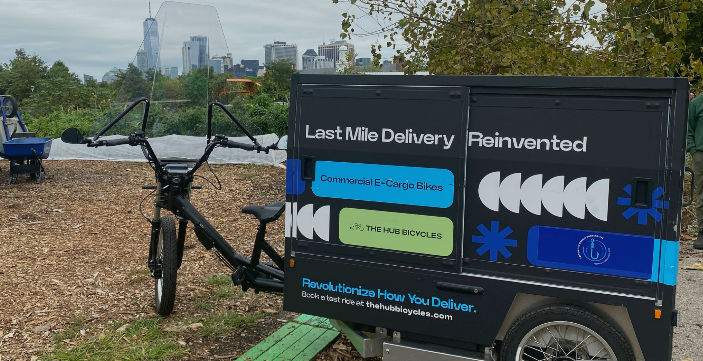 Photo: Freight MattersDear Committee Members,Join us for a Sneak Peek with Sandra Rothbard of Freight Matters to discuss “Sustainable Last-Mile Deliveries in Dense Metros,” a pilot maritime freight project between Atlantic Basin and Governors Island. The pilot will test the movement of goods via cargo bikes transported aboard ferries and barges, replacing trucks for these deliveries and creating a model that can be scaled throughout New York City (and replicated in other large cities) to reduce traffic emissions and congestion caused by dramatic increases in last-mile delivery and e-commerce.This project aims to develop a sustainable delivery model, reduce truck trips/vehicle miles traveled, create jobs in environmental justice communities, and reduce environmental impact. Launched in July of 2024, this project will continue over the course of 3 years with a goal of completion in 2027.
 -
March 25, 2025
![Photo: PANYNJ]() Photo: PANYNJ
Photo: PANYNJ![Photo: PANYNJ]() Photo: PANYNJ
Photo: PANYNJDear Committee Members,
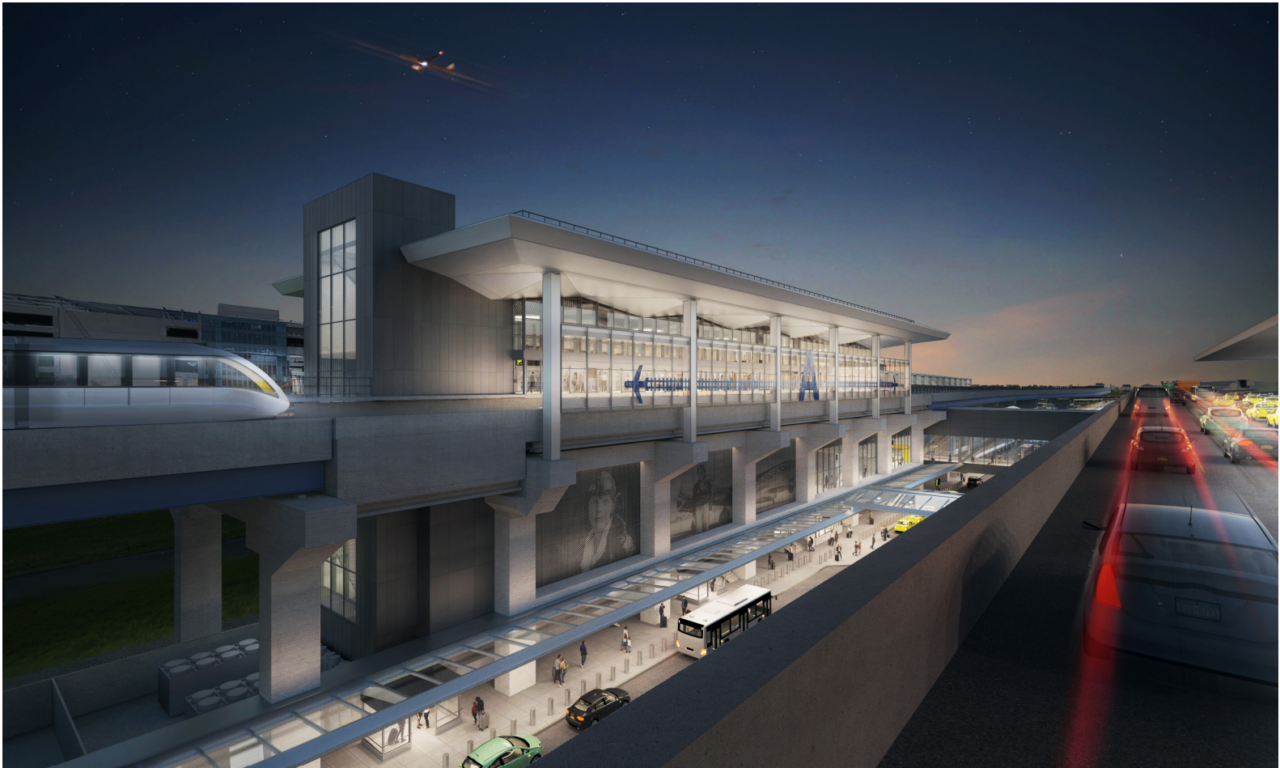
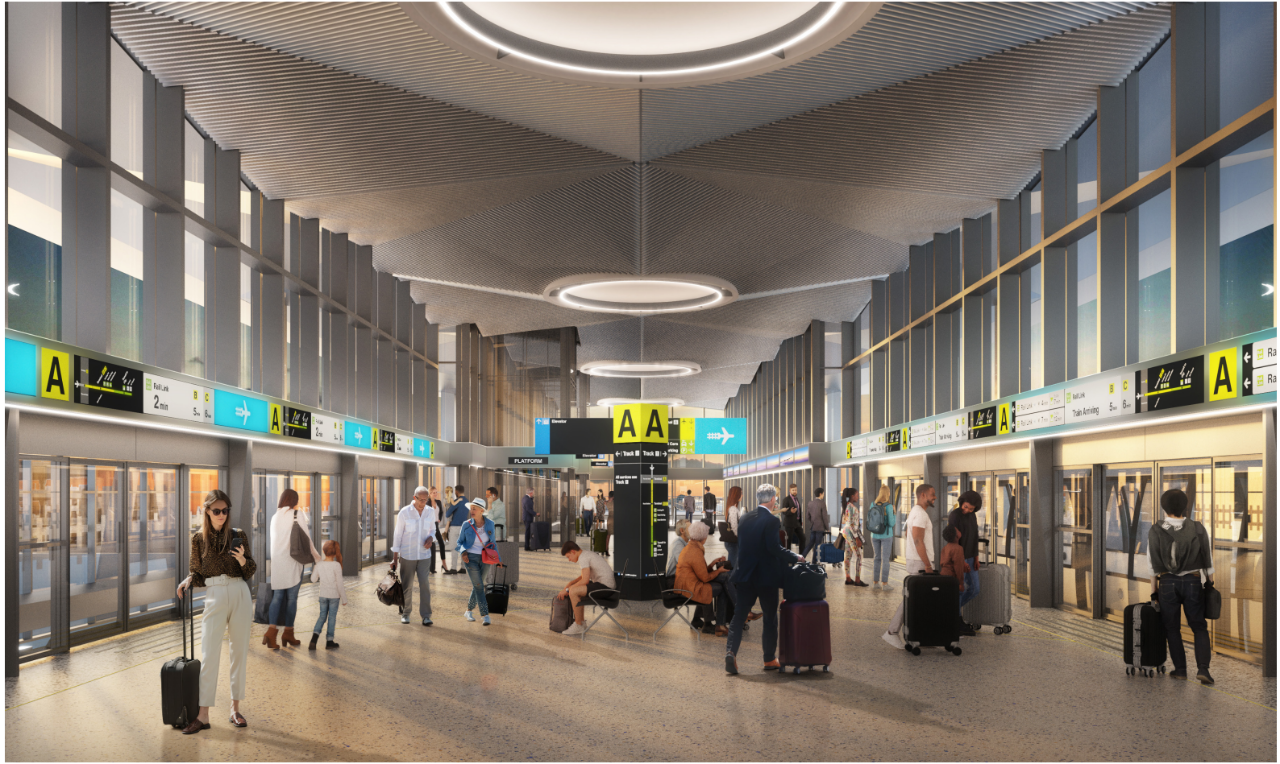
Join us for a Sneak Peak of the EWR AirTrain Replacement project, presented by Russell Kriegel, Chief Architect of the The Port Authority of NY & NJ (PANYNJ), Patrick McAffrey, Architect from Dattner Architects, and Tom Grassi, Architect from HNTB.
This $1.184 billion design-build stations & guideway component of the project marks a significant milestone in the ongoing redevelopment of Newark Liberty International Airport (EWR). This project is a critical component of the Port Authority’s recently announced vision plan for a reimagined and modern EWR Newark Airport, aimed at accommodating increasing demand, evolving changes in the air travel industry, and enhancing the overall passenger experience in-line with the standards set by the new award-winning Terminal A.
-
September 6, 2023
Dear Committee members,
The AIA New York Chapter (AIANY) and the American Society of Landscape Architects NY (ASLA NY) Chapter are launching the fifth round of the Transportation + Infrastructure Design Excellence Awards, which recognizes the design excellence of nationwide transportation and infrastructure-related projects.
Launched in 2018, this national awards program specifically recognizes the unique characteristics of transportation and infrastructure work at all scales. The program recognizes the civic importance of this work, and fosters dialogue about related projects and their essential role within the public realm. This awards program is co-organized by the AIANY Transportation and Infrastructure Committee and the American Society of Landscape Architects NY (ASLA NY) Chapter.
A qualified panel of jurors is being sought to review the submitted projects and help make this program a success. We are calling on you to nominate a potential juror who you believe is available, interested, and qualified. You are welcome to self-nominate. Once nominated, the prospective jurors will be contacted and the panel will be assembled. A nomination does not guarantee a place on the jury. Keep in mind that just as the Awards program is national, the jury pool can and should be national as well, so feel free to nominate candidates from beyond our membership.
Jurors should have experience in the realms of transportation and infrastructure and/or civic architecture as clients, designers, planners, landscape architects, educators, advocates, or other related backgrounds.
NOTE: Juror members as individuals and their current firms are precluded from submitting entries for award.
Tentative Schedule:
- Q3 2023 – Launch
- Q3 2023 – Submission Deadline
- Q4 2023 – Provide Jurors with access to submissions
- Q4 2023 – Jury day
- Q1 2024 – Notify Winners
- Q1 2024 – Event to announce winners, panel discussion
If you have an individual in mind, please provide that name/names and email address(es) to Aman Krishan, AIA [email protected], Gentry Lock [email protected], Jeff Dugan [email protected] and/ or Tom Grassi, FAIA [email protected] no later than Friday, July 28.
-
June 6, 2023
Following the Transportation and Infrastructure Committee’s public program The Brooklyn-Queens Expressway at 75: A Crisis in Context, radio station WNYC featured a discussion with several participants from that event. WNYC host Brian Lehrer spoke with Allen Swerdlowe, FAIA, specialist at the Fulbright Foundation and founding trustee of Brooklyn Bridge Park; Michael Kimmelman, architecture critic for The New York Times and the author of The Intimate City: Walking New York; and Sam Schwartz, former New York City Traffic Commissioner, past President and CEO of Sam Schwartz Engineering, and author of the book No One at the Wheel: Driverless Cars and the Road of the Future.
Prompted by their host, Kimmelman, Schwarz, and Swerdlowe discussed the immediate crisis of the crumbling triple cantilever section of the Brooklyn-Queens Expressway (BQE) and the urgent safety concerns prompted by that decay. The group then expanded the discussion beyond the BQE-adjacent Brooklyn Heights neighborhood to stress the importance of a holistic view that includes the sections north and south of Brooklyn Heights, areas where communities have far less resources than what’s available to residents of Brooklyn Heights.
In the words of Kimmelman: “I’m hoping that what happens out of this is that we can address the immediate crisis and deal with the opportunity, as Allen says, ‘To reconnect the waterfront with this neighborhood and other neighborhoods throughout the BQE.’ That we also don’t get hung up only focusing on this little part of the BQE, [the triple cantilever] because that would be not just a missed opportunity, but a huge question of inequitable redevelopment.”
A recording of the full broadcast discussion with Lehrer, Kimmelman, Schwarz, and Swerdlowe has been archived by the Brian Lehrer show and can be heard at the WNYC website.
-
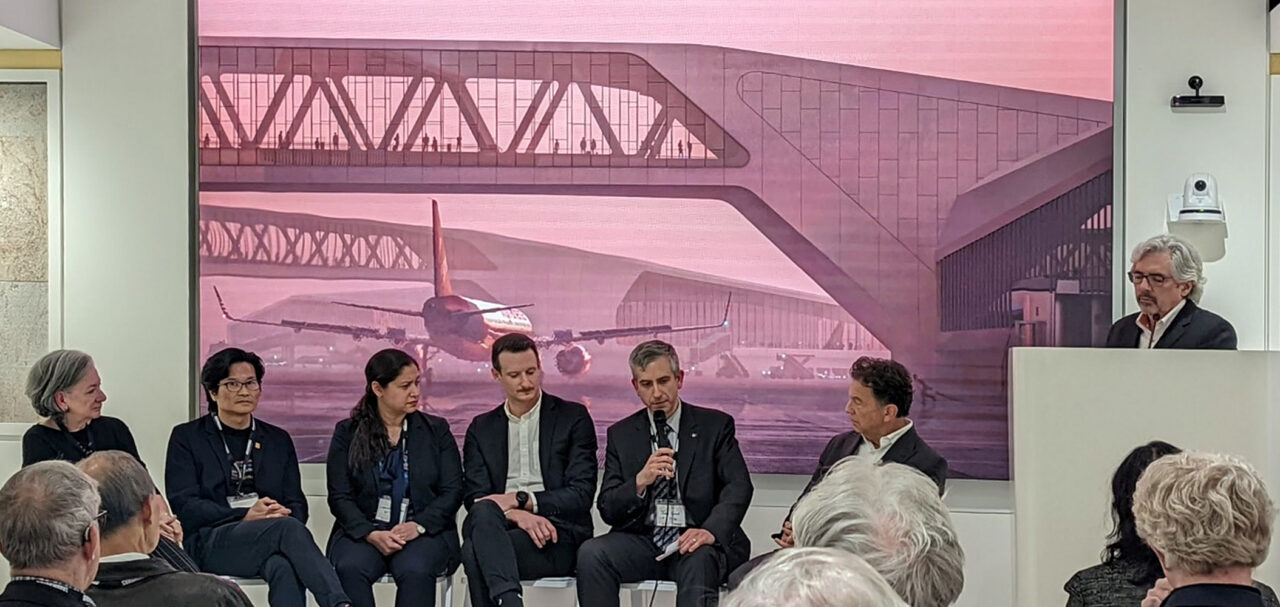
On April 25, 2023, the AIANY Transportation and Infrastructure Committee the first in a series of spotlight events celebrating winners of AIANY’s Transportation and Infrastructure Design Excellence Awards.
This program focused on LaGuardia Airport’s new Terminal B, a 2022 Merit Award winner in the Structures category. Held at the Brickworks Studio on Fifth Avenue, the event featured a lively dialogue featuring a panel of experts who shared their insights into what made LGA’s Terminal B an award-winning project.
Moderated by Tom Grassi, FAIA, Project Director, HNTB, the panel featured:
Laurie Balbo, LEED AP BD+C, LGA Program Manager, Port Authority of NY & NJ
Taewook Cha, Principal/Creative Director, Supermass Studio
Peter Ruggiero, LGA Design Principal, HOK
Indhira Figuereo, Senior Vice President/National Aviation Market Leader, WSP
Larry Giannechini, Deputy Director for Program & Operations, Public Arts FundThe Design Awards sub-committee is working now on a follow-up Spotlight event and the upcoming Design Awards Program for this year.
-
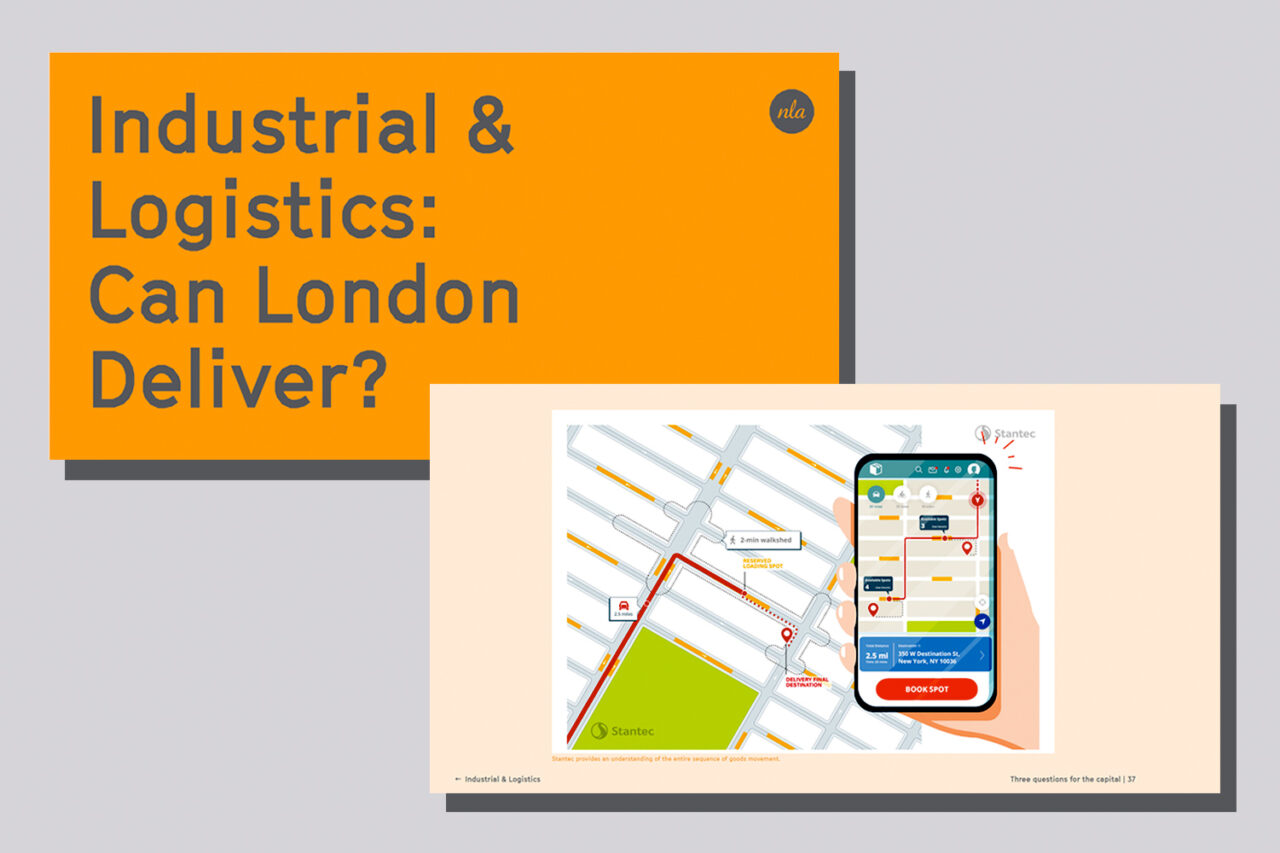
The Transportation and Infrastructure Committee previously formed a multi-committee task force, working in collaboration with Stantec, to research and author Delivering the Goods, a document that summarizes the impacts and opportunities of urban freight on New York City and includes recommended strategies to counter the burdens that goods movement impose on city communities.
Recently, task force work has been included as a case study in the research paper ‘Industrial & Logistics: Can London Deliver?’ published by New London Architecture (NLA). The NLA report provides an in-depth look at the latest trends, challenges, and opportunities in the industrial and logistics sector, with viewpoints from key organizations in the industry.
A full report download is available to NLA members. NLA provides non-members an excerpted PDF preview as well as a descriptive overview and outline.
On June 5, a NLA half-day conference examined key findings in their report. The conference included discussions with representatives from international cities to address case studies from around the world that examine how to integrate industry into the urban fabric and what lessons can be learned.
-
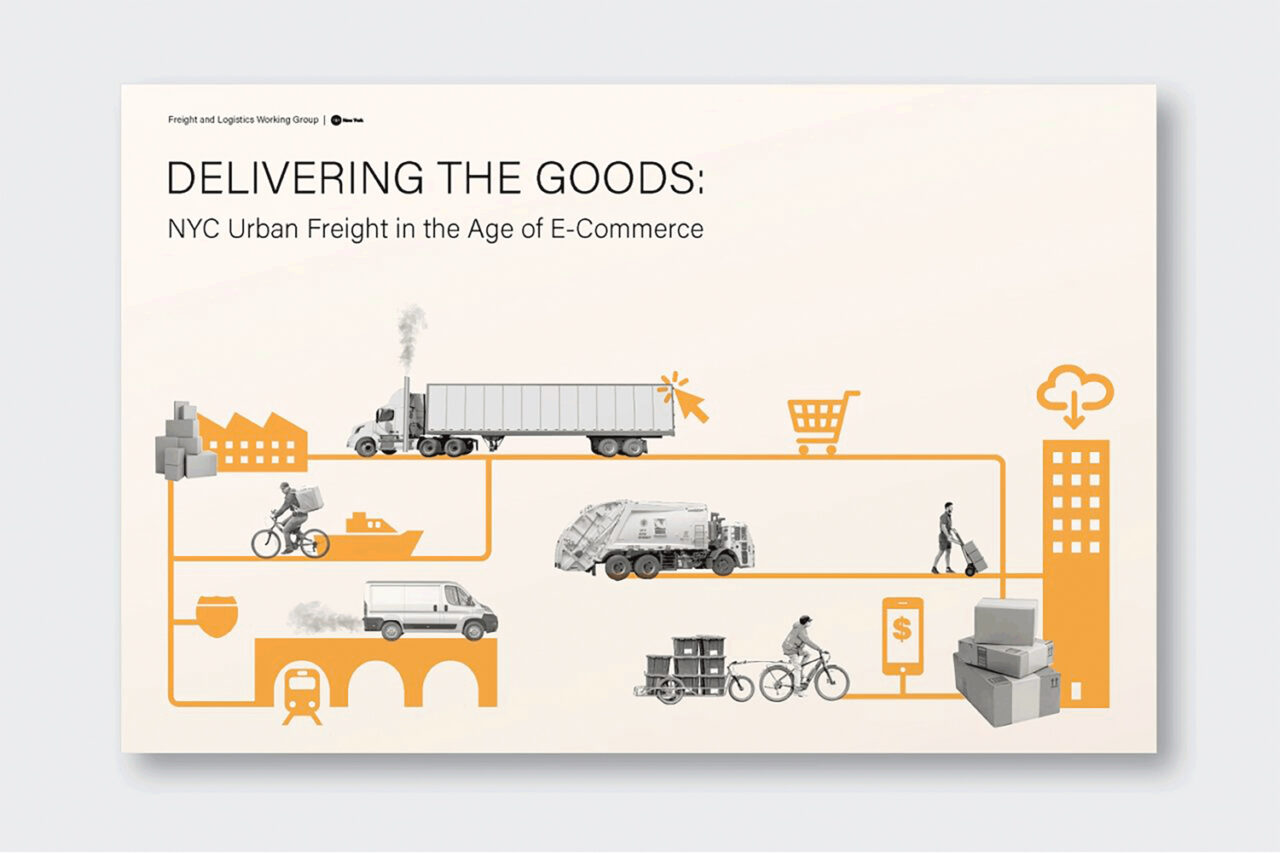
In 2020 several AIANY Transportation and Infrastructure Committee members formed a Freight and Logistics Working Group to better understand the impacts and opportunities of urban freight. The group quickly expanded to include representatives from the Planning and Urban Design Committee, Committee on the Environment, as well as experts from freight, planning, urban design and engineering fields, including Stantec Inc.
Initial work by the group focused on developing prototypical freight scenarios for New York City and was then followed by a series of listening sessions with key freight stakeholders including New York City agency representatives, U.S. and international city officials and planners, and industry and community representatives. Findings from prototypes and interviews were then incorporated into a series of design charettes hosted by a collaborating team of Stantec engineers and designers.
Final results of the project, including original research, design strategies, and targeted recommendations were first shared at an AIANY public program and then published as a digital document: Delivering the Goods: NYC Urban Freight in the Age of E-Commerce. The document along with public program video documentation and related info are all available online at a dedicated AIANY Special Project microsite.
-
May 5, 2022
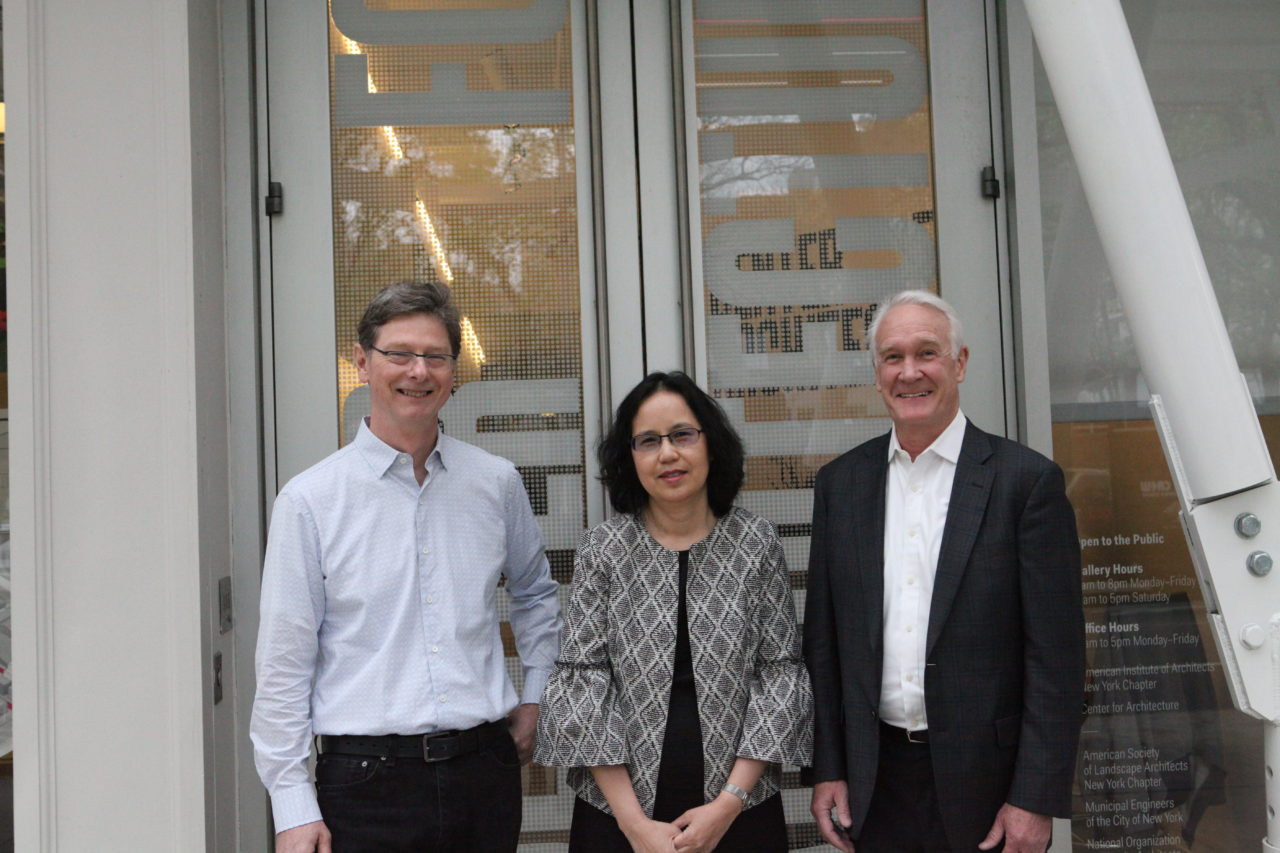 Photo Credit: AIANY
The AIANY’s Transportation and Infrastructure Committee is pleased to welcome our new Co-Chair, John Schuyler. He joins Shirley Moy, AIA, Program Manager, Penn Station Projects at MTA Construction & Development. John, a partner at FXCollaborative Architects, has been an active member of the Committee and helped to lead the sub-committee for the AIANY + ASLANY Transportation + Infrastructure Design Excellence Awards.
We wish to thank the outgoing Co-Chair Jeff Dugan for his 10 years of service to the Committee and AIANY. Jeff has provided invaluable leadership and contributed to bringing the “architect’s voice” to discussions on transportation and infrastructure in the region. See the Featured Member interview with Jeffrey Dugan, AIA, here.
The Transportation and Infrastructure Committee is hosting a series of discussions on the Infrastructure Bill. Our next event at 12pm on May 18, 2022, will discuss regional priorities of leaders from several public agencies. Register here for The Infrastructure Bill: What Are the Regional Priorities?.
-
January 14, 2022
This year, AIA New York will again sponsor the annual awards program to recognize the design excellence of transportation and infrastructure-related projects. This awards program specifically recognizes the unique characteristics of transportation and infrastructure work at all scales. The goal of the Transportation and Infrastructure (T+ I) Design Excellence Awards is to recognize the civic importance of this work, and foster dialogue about related projects and their essential role within the public realm. This awards program is co-sponsored by the AIANY Transportation and Infrastructure Committee and the American Society of Landscape Architects NY (ASLA NY) Chapter.
A qualified panel of jurors is being sought to review the submitted projects and help make this program a success. We are calling on you to nominate a potential juror who you believe is available, interested, and qualified. You are free to self-nominate. Once nominated, the prospective jurors will be contacted, and the panel will be assembled. A nomination does not guarantee a place on the jury.
Jurors should have experience in the realms of transportation and infrastructure and/or civic architecture as clients, designers, planners, landscape architects, educators, advocates, or other related backgrounds.
Tentative Schedule:
- Week of February 7 – launch
- Week of April 8 – Submission Deadline (allows 60 days)
- Week of May 2 – Provide Jurors with access to submissions
- Week of May 16 – Jurors convene (virtual)
- Week of May 23 – Notify Winners
- Week of May 23 – Public event to announce winners, panel discussion
NOTE: Juror members as individuals and their current firms are precluded from submitting entries for award.
Responsibilities and time commitment of jurors:
- Review electronic submissions in advance of virtual Jury Day; rank submissions 1-5 to facilitate conversation with fellow jurors on Jury Day (week of May 16)
- Attend / Participate in virtual panel discussion coinciding with Announcement of Award recipients (the week of May 23 at 6 PM at the Center for Architecture)
If you have an individual in mind, please provide that name/names and email address to Tom Grassi, FAIA, at [email protected] no later than Tuesday, January 25 at 5pm ET.
-
December 14, 2020
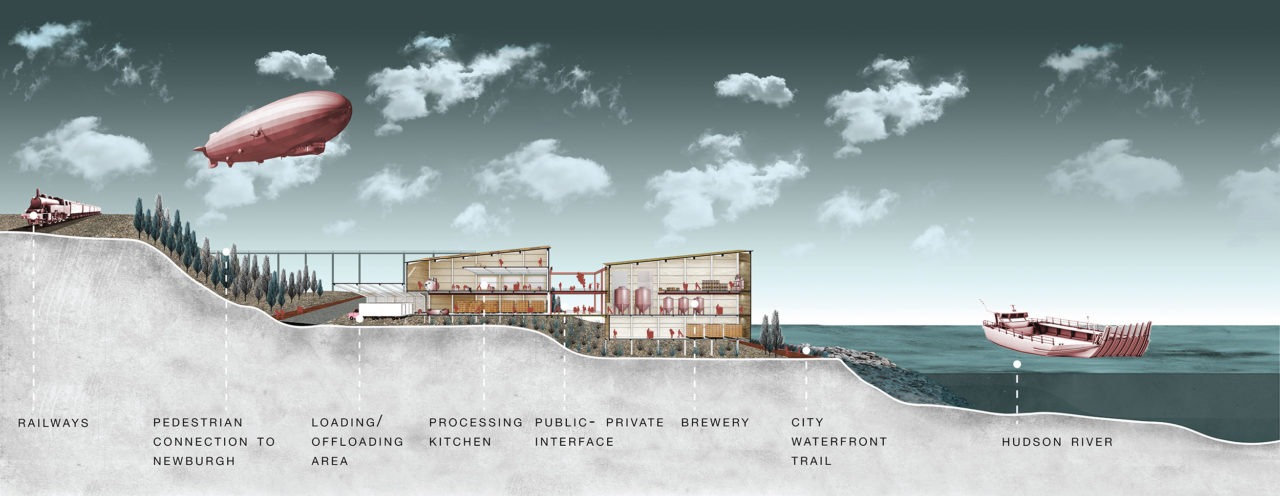 Good(s) Shift: Revitalizing the Port of Newburgh. Student Team: Antonia Medina Abell, Hugo Bovea, Sharvari Raje, Tal Fuerst. Location: Newburgh, NY. Image: Student Team (Columbia GSAPP).
The winners of the 2020 Transportation + Infrastructure Design Excellence Awards were announced on Wednesday, December 9 during a virtual event! Submissions were evaluated by an esteemed independent Jury, and honorees were selected from a nationwide pool of entrants. Judging criteria included projects that display outstanding achievement in socially responsible, multi-modal connections between vulnerable neighborhoods, cities, and regions, and demonstrate excellence in transportation and infrastructure systems, such as equitable food and goods distribution; projects that shape, rejuvenate, and promote inclusive neighborhoods and cities, and improve pedestrian experience, health, and safety; projects that display excellence in sustainability, resiliency, and climate-sensitive design; and innovative work, including the demonstration of exemplary new and emerging technologies or pioneering solutions.
At this critical junction, a year in which global transportation patterns have been disrupted, with an existential threat posed to mass transit systems by plummeting ridership, and with the daily habits of mobility inextricably altered, taking this opportunity to recognize Design Excellence in Transportation + Infrastructure could not be more essential.
Merits and Honors were awarded in four categories (Planning, Projects, Structures, and Student Awards) as follows:
Structures – SR99 Tunnel Project, HNTB; Goose Creek Rest Area, VJAA
Planning – Brightline, Skidmore, Owings & Merrill
Projects – Return to Service: Public Transit, AECOM; Brooklyn Bridge: Back to the Future, BIG – Bjarke Ingels Group
Student Awards – Good(s) Shift: Revitalizing the Port of Newburgh; Three-Dimensional Urban Thresholds; A Porous Poche
Please visit the Awards Archive for a full report.
-
August 20, 2020
The New York chapters of the AIA and ASLA organize an annual awards program to celebrate design excellence in transportation and infrastructure architecture. The AIANY + ASLANY Transportation + Infrastructure Design Excellence Awards recognizes built and unbuilt projects for their design, innovation, and impact.
Projects reflecting the partnership’s commitment to sustainability, community engagement, social equity, and civic architecture will be celebrated. The awards program, subsequent publications, and events will raise awareness about the critical role that well-designed infrastructure plays in our cities, our communities, and our lives. This awards program is co-sponsored by the AIANY Transportation and Infrastructure Committee and the ASLA NY Chapter.
The awards program, first launched in 2018, has received over 100 submissions and has recognized truly outstanding projects submitted by national and internationally known firms in addition to smaller local practices. See the 2018 and 2019 award winners and jurors.
The jury will be a diverse group of prominent professionals’ representative of the national design community. Each entry is judged for design excellence, and that the project has met its individual requirements or program. Entries are weighed individually, not competitively.
Registration will open on September 7, 2020. Submissions will be due on November 2, 2020. See more submission details here.
-
December 2, 2019
The AIA has responded to the federal government’s RFI on the climate crisis. This includes recommendations for sector-specific and cross-cutting policies.
Read the PDF of the RFI response here: House Select Committee on the Climate Crisis RFI
-
July 28, 2019
Download PDF: Transportation and Infrastructure Policy Framework | 2017
As part of its mission of advocacy for quality planning and design of transportation and infrastructure, the AIANY Transportation and Infrastructure Committee (AIANY T+I) developed this Policy Framework to support the goal of sustainable growth for the New York City Region. The framework builds on previous AIANY T+I outreach efforts related to New York City’s 2007 and 2011 PlaNYC Sustainability Plans, Superstorm Sandy recovery recommendations, AIANY’s 2013 A Platform for the Future of the City, public testimony on City and State legislation, and informal consultation with City agencies on proposed legislative and regulatory changes.
The movement of people, utilities, and goods is essential to the quality of contemporary life. As the City approaches a population of nine million residents and a regional population exceeding twenty million, our aging infrastructure is increasingly strained to adequately serve the public.
AIANY continues its role in helping shape the built environment by engaging in a public dialogue surrounding the vitality of the City and region as it strives to provide a higher quality of life for its residents, workforce, and visitors in the face of pressures of population growth, economic and social inequity, and environmental challenges. This Policy Framework is a snapshot in time of this dialogue.
-
June 20, 2019
Assessing the Economic Impact of New York’s Failing Infrastructure. Hearing 2: Transportation before the New York City Council Committees on Transportation and Economic Development—November 3, 2014
Summary
Testimony by Jeffrey Dugan, co-chair of the American Institute of Architects New York Chapter (AIANY) Transportation and Infrastructure Committee.Transportation infrastructure, with long-term planning forms the basis for resolving many of the problems that the city faces today. In light of that we must plan for population growth, continued economic development, NYC’s continued status as a creative cultural capital, social equitability, quality of life and environmental stewardship.
While the past decade has seen a remarkable collaboration among city agencies a good part of New York City’s transportation infrastructure is planned, maintained and built by entities outside city government. The City must continue to focus on City agency collaboration and reach out to our State, regional, and federal friends to forge alliances that will be beneficial to all.
The interconnectedness of our five-borough city relies on its transportation system. As the storms Irene and Sandy proved, shutting down those transportation systems paralyzed the city. With our awareness of climate change and economic connectedness we must build on prior success to expand bikeways and bike share, continue a state of good repair of NYC’s infrastructure, continue momentum to complete partially-funded infrastructure expansion projects like East Side Access, continue to roll out Select Bus Service on heavily trafficked corridors, and expand transit options for neighborhoods lacking adequate options for access.
New planning goals for the City should include better integrated land-use and zoning with transportation planning. Our work to increase affordable housing should be linked to expanded public transit options. Vision Zero and redesigned streets should be accompanied by improved stormwater management, increased pedestrian resources, upgraded bike paths, and improved signage and traffic management technologies.
New York City’s transit system must keep pace with “world class” service. All options for funding these goals must be considered: federal and state, assessments on private development for public transport, public private partnerships and public funds.
By developing and building with transportation in mind, improving street design for public safety and increasing access to underserved areas we will create opportunities for city residents, workers, and visitors. Architects understand the challenge and will be part of the solution.
Read the full PDF of testimony here: City Council Testimony by Jeffrey Dugan
-
August 22, 2018
In early 2007 the AIANY Transportation and Infrastructure Committee initiated a series of committee meetings and workshops with the goal of providing an evaluation of the City’s PlaNYC 2030 transportation initiatives by the professional design community.
To provide context for the response, we offer a series of overall planning principles for a better city, developed by New York New Visions during their complimentary efforts, as well as five more detailed transportation principles.
The response identifies the need to develop priorities, both to demonstrate that successful strategies can be achieved with “early action” plans and to sustain the longer-term programs or projects that will extend over many years and decades. The costs and benefits along with the need for public support, political capital and funding resources must be considered when establishing the priorities.
Following this, the response analyzes the 16 transportation initiatives introduced in PlaNYC along with observations and comments. During the AIA/NYNV workshops, 4 additional initiatives were developed which could reinforce the goals of the City. We suggest that these be considered for incorporation when updating the plan in the future.
This report was written by the AIANY Transportation and Infrastructure Committee and adopted by AIA New York as an official position in March 2008.
Read the PDF of the report here: PlaNYC 2030 Transportation Initiatives: Response and Recommendations
-
After the devastation of Superstorm Sandy, AIA New York spearheaded a large set of collaborators to investigate the short, intermediate and long-term impacts of the storm and the escalating effects of climate change on New York City. The precedents from other cities and regions that have suffered similar events serve as a best practices from which we can rely as we begin to build back better and smarter.
Superstorm Sandy revealed that we have created a hard-to-defend interconnected built environment consisting of fragile land-use patterns, transport systems, storm water management and existing buildings.
The goals and opportunities contained within the Post-Sandy Initiative will help reverse the vulnerability we have inherited from centuries of misguided development. Key concepts and findings include:
- Defensive TRANSPORTATION & INFRASTRUCTURE planning with simple adaptive efforts and passive solutions.
- Address HOUSING to define the unique needs of multi-family buildings during extreme events to affect appropriate support from centralized agencies, training and urban planning in flood zones / coastal areas that could increase community resiliency.
- CRITICAL FACILITIES & BUILDING’S like hospitals, police and data centers must be able to withstand the effects of a disaster and remain in operation. Strategies of vulnerability assessments, technology updates and implementation plans are outlined.
- Cultural attitudes now favor attempts to soften rather than harden WATERFRONT If we are to continue to adapt, we will need to be even more versatile in designing coastal built environments.
The Transportation and Infrastructure Committee was responsible for the development of the Transportation and Infrastructure portion of this paper, which won an AIA National Award for advocacy.
-
Part of the AIA New York Chapter’s 2012 platform, the Transportation and Infrastructure Committee’s position categorizes issues under Capacity, Efficiency, and Service & Safety/ Quality of Life. It acknowledges the remarkable collaboration of city agencies to tackle population growth, sustainability, and response to climate change, and suggests how to keep up the momentum and expand on their efforts.
Download a Word document of the committee’s position here: AIANY Platform 2012 – T+I Committee Position
-
AIA New York’s position statement on transportation and infrastructure emphasizes the role that the infrastructure systems of New York City play in the nation’s health and vitality, and the importance of federal funding sources to support these systems.
Forward-thinking public growth and development policies and a strong commitment to the ongoing allocation of a dependable stream of federal funding for transportation and infrastructure are essential to avoid huge costs for deferred maintenance or even replacement of systems; to expand networks to support population growth, demographic changes, economic shifts, and related needs for development; and to act on vulnerabilities to our infrastructure from threats and hazards due to climate change, and other unforeseen events.
The position statement includes guiding principles for the planning, provision, and protection of infrastructure.
Read the PDF of the position statement here: Position Statement: Transportation and Infrastructure
-
This letter is AIA New York’s response and offer of support to Governor Cuomo’s recommended Transportation Reinvention Commission. This potential Metropolitan Transit Authority commission would be tasked to develop a plan for the future of the region. The Chapter’s 27 program committees are well suited with specialized knowledge to address the new challenges of increasing population and changing demographics, with specific mention of the AIANY Transportation and Infrastructure Committee.
Read the PDF of the letter here: Letter to Chairman Prendergast
-
This statement to the NYC Congestion Mitigation Commission highlights the elegance of congestion pricing in that it simultaneously discourages inefficient use of the road and bridge network, encourages more efficient modes of transportation, reduces energy use and air pollution and provides a reliable mechanism to fund improvements to transit systems. Citing London, Stockholm and Singapore as models for this market-based system, the City has established a goal of reducing traffic 6.3% with the congestion zone. Acknowledging the challenges associated with needed State approvals, the commission should remain flexible and open to suggestions and propose strategies to minimize potential negative impacts. A number of considerations are outlined in the statement.
Download the PDF here: Statement to the NYC Congestion Mitigation Commission
-
July 10, 2018
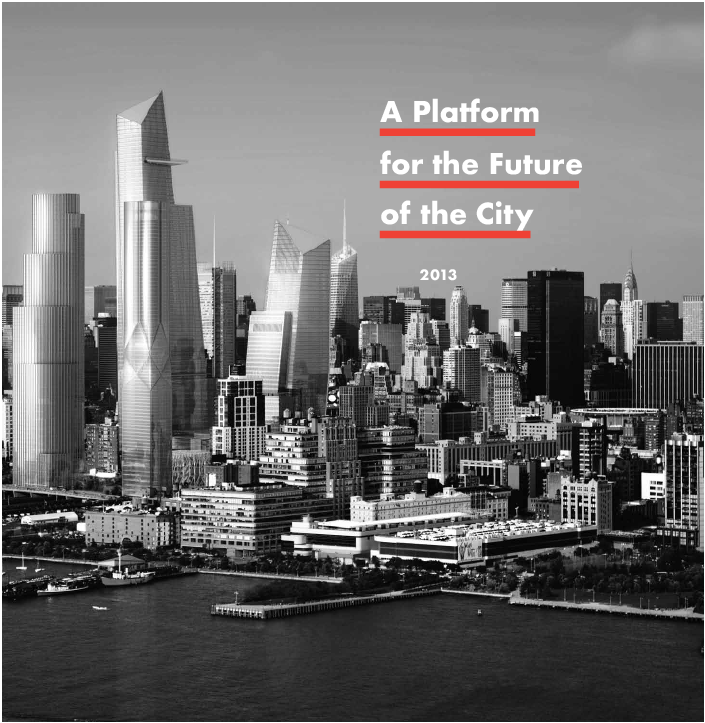
AIANY has created a policy platform of the most pressing issues facing our city’s built environment. “A Platform for the Future of the City” identifies challenges and proposes solutions including job-creating specific suggestions on affordable housing design, economic development of major projects, strategic suggestions for our waterfront and ideas on how to make our city healthier. Our goal is to assert that design matters and that design excellence can positively transform lives. Using “A Platform for the Future of the City” as a guide, the AIA New York Chapter seeks to engage civic and government leaders, along with the public, in the day-to-day dialogue about making our neighborhoods and institutions a model for the nation and world. Transportation and Infrastructure issues were developed by the committee, and included in this AIANY publication.
View the PDF of the platform here: A Platform for the Future of the City
-
June 12, 2018
Download PDF: AIANY Bicycle Storage 03 31.09
The T+I Committee co-wrote this public statement regarding bicycle parking with the Housing Committee and the Urban Design and Planning Committee to encourage use of bicycles as a transportation option.