


Research Spotlight
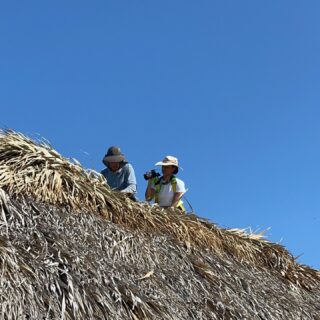
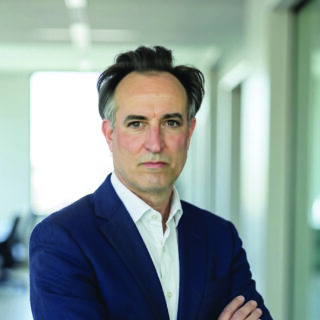
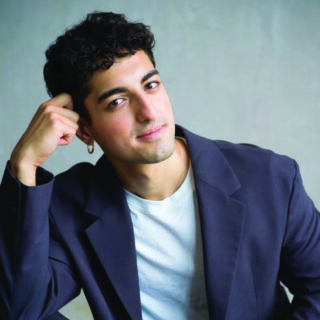
Research often begins with questions that history has left unanswered. For Wayne Evans Holness and Rose Mary Florián Rodríguez, RA, NOMA, those questions led them across Latin America and the Caribbean in search of stories that have too often been overlooked. As recipients of two AIA New York honors—the Linda and Turan Duda Research Fellowship and the Stewardson Keefe LeBrun Travel Grant, respectively—Holness and Florián Rodríguez embarked on independent research projects examining how Afro-descendant, Black, and Indigenous communities have shaped the built environment across the regions. Through archival research, fieldwork, and conversations with local residents, historians, and knowledge keepers, both researchers sought to recover histories that remain largely absent from traditional architectural narratives.
This Spotlight contains two parts: The following essay by Florián Rodríguez and Holness about their research, and a Q&A with Oculus Editor Jennifer Krichels in which the authors discuss the necessity of that work, the role of oral history in architectural research, and what architects can learn from building traditions rooted in cultural memory, stewardship, and belonging.
History is predominantly told through the lens of hegemonic power. What gets documented reflects the biased beliefs of a selected few, while the stories of the “other” are marginalized and ignored in the pursuit of “progress.” Across the Americas, Black and Indigenous groups have been subjected to violence and branded as inferior, a belief that fractured their connection to skill and knowledge. But the truth tells a more expansive story. These groups were stewards of their environment, and the relationships they built with the land, in both rural and urban spaces, were grounded in respect, care, and conservation.
To achieve repair, we must recover the undocumented stories that recognize our ancestors as technology experts who worked in tandem with their environment to achieve designs rooted in communal success. How can we learn from the lessons of the past, lessons that centered environmental stewardship and community prosperity, to disrupt current systems of division, inequality, and control? A look into oral histories gathered across the Caribbean and Latin America might provide a point of departure.
In St. Elizabeth, a parish in the southwest of Jamaica, building a lime kiln is at the heart of traditional construction. Lime is used alongside red earth and water to make mortar for Spanish wall buildings, to make the daub that covers the woven wood pieces of wattle and daub construction, and to finish plaster. To produce lime, a wood kiln must be built from locally sourced wood, and limestone must be dug up from the land. According to expert builder Orville Parchment of the Wattle and Red Earth Collective, the construction of a lime kiln was a communal activity known as “day for day.” There was no exchange of money; the expectation was simple—if I gave you a day, you would give a day back in return.
The knowledge shared through this process brought everyone closer to the land and to an understanding that it could provide, in a measured and communal way, the resources needed to sustain a dignified life. People learned which types of wood were best suited for building a kiln; they learned to read the sky to know when to cut the wood or when to light it. Most importantly, they learned to build with each other. Skill was not a means of exclusion but an invitation to share knowledge in the pursuit of building a house alongside your neighbors.
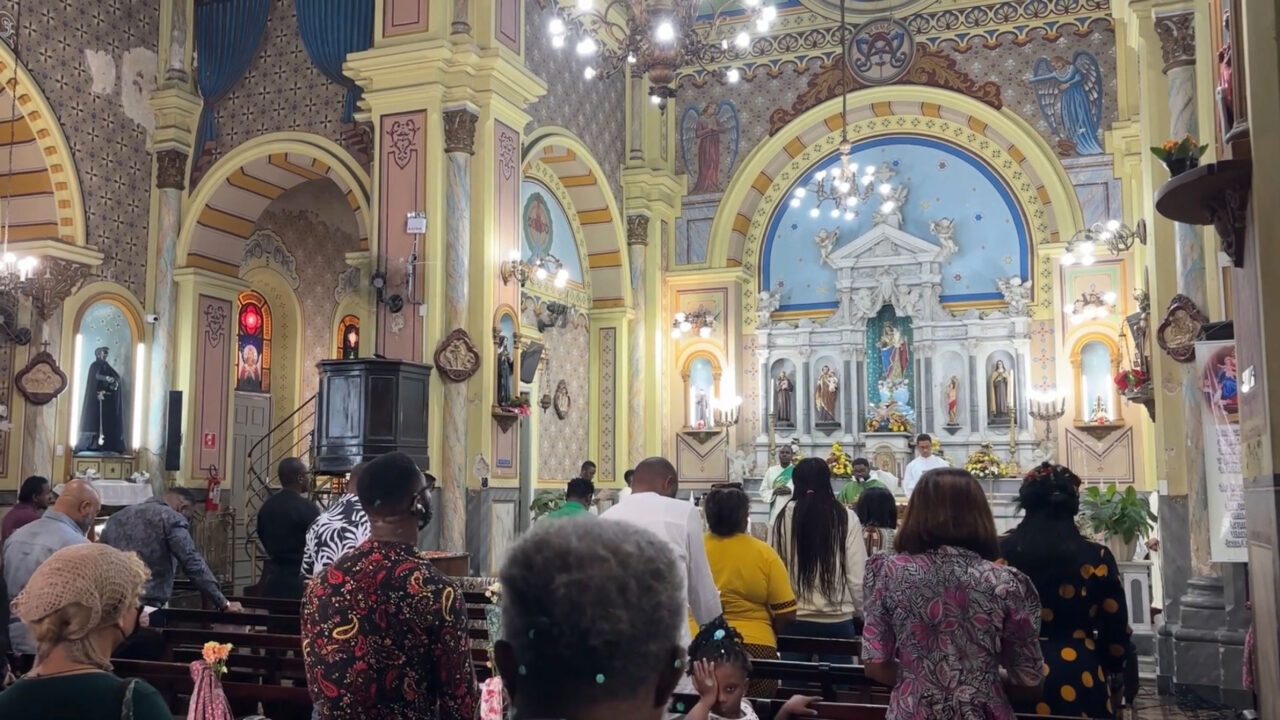
This approach to communal skillsharing was not exclusive to the construction of houses; it was also used to build urban gathering spaces. In cities across colonial Brazil, racial segregation excluded Black people from entering the Catholic churches they had built for their Portuguese masters. Black skilled masons and other community members created the Irmandades de Homens Pretos: Black brotherhoods formed by both free and enslaved Black people that gathered money, materials, and time to build their own churches. These Irmandades advocated for the prosperity of their communities by using these spaces as resistance networks, hiding African spiritual practices in plain sight and pooling funds to free those still enslaved. These churches, built by Black hands for Black worship, were an example of spatial resistance through collective faith, communitybuilt spaces that preserved spirituality and upheld their communities, even if it meant rebuilding.
São Paulo’s historic center is home to the Church of the Rosary of the Black Men, which faced several waves of erasure after its first iteration in the early 18th century. In 1872, São Paulo’s first mayor ordered its demolition under the banner of modernization. Only decades later did the brotherhood secure the current site, struggling for compensation from the city while facing scrutiny from neighbors who opposed construction.
The current church was completed in 1906 as a physical record of displacement and persistence. It carries the legacy of its older versions and echoes the African rhythms, movements, and memories that led to its survival. It is a physical expression of the social repair led by the community’s right to cultural continuity. The city wanted to erase Black presence from its urban centers; instead, it revealed Black resilience.
These stories reveal that repair is not a single act but a continuous reclamation of history, space, and community. When we learn about our past through the lens of repair, we can begin to heal our collective relationship to the spaces we occupy. Black and Indigenous peoples were never inferior. Their knowledge and skill protected their communities from the violence of settler colonialism. They built beautiful houses made with natural materials and masonry churches that safeguarded their community and preserved their traditions. Our legacy is to continue making spaces that uphold our community: spaces where our voices are heard and our histories become the foundation for interventions that are equitable and inclusive.
Rose Mary Florián Rodríguez, RA, NOMA, is a Black Puerto Rican architect, artist, and independent researcher with nearly a decade of experience in the design industry. Her research explores the historical contributions of Black builders and technologists across the Caribbean, informing a practice that values both innovation and cultural continuity in the spaces we create today.
Wayne Evans Holness is a designer, writer, and researcher whose work sits at the intersection of African diaspora cultural cartography, architecture, and urban history. His research centers on how Afro-descendant communities have shaped cities across Latin America, often in ways overlooked by prevalent architectural narratives. His work excavates these spatial stories and expands their place within society’s collective memory.