


As the United States celebrates its 250th anniversary this summer, institutions across the country are engaged in acts of reflection. Museums are reconsidering collections, historic sites are examining the narratives they present, and new memorials and cultural projects continue to reshape the stories we tell about ourselves. The occasion invites reflection on what the American experiment has achieved and what is now in need of repair. In a similar spirit, we looked at this issue with both the national semiquincentennial and the theme of Mark Gardner’s presidency in mind. Using “Repair—Democracy and Urban Space” as a launching point, we added “Renewal” to the issue title to hint at what we hope may be a next step.
As is Mark’s intention with his presidential theme, the word repair invites immediate questioning. The wish is to look beyond the image of something that is damaged: “In architecture and public space, repair means more than fixing what is broken—it is an act of care, restoration, and renewal,” he wrote earlier this year.
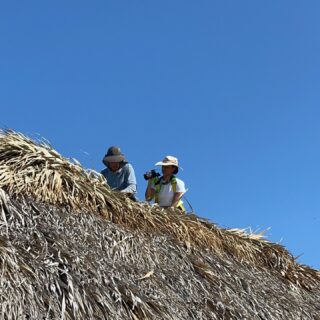
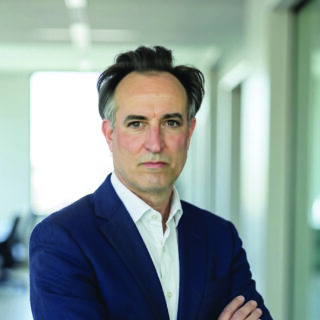
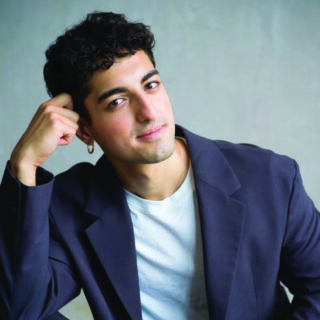
As I read through the stories of this issue, I was struck by how often architects returned to acts of documentation, listening, and observation in their work. The research of Rose Mary Florián Rodríguez and Wayne Evans Holness, featured on page 24, makes the value of this process especially evident. Though their projects began independently, both architects arrived at similar questions about memory, cultural continuity, and the stories we choose to preserve or erase through architecture. In our conversation, they discuss their research processes, the value of oral histories, and the urgency of bringing more visibility to Black building practices and spaces that are at risk of being lost.
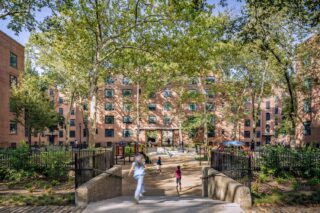
In Bill Millard’s writing about the renovation of several NYCHA projects around the city, on page 18, the same questions echo through discussions of public housing, infrastructure, and civic institutions. In architecture renewal is often framed as a technical challenge involving funding, materials, and construction. Yet lasting renewal also depends on trust, stewardship, and a willingness to listen to the people who already inhabit the places where work is to be done. At NYCHA residences, for example, the challenge is not simply repairing aging buildings after decades of deferred maintenance. It is rebuilding confidence in an institution that remains essential to the city while also adapting it to contemporary realities. The goal is not a return to public housing as it existed in the 1950s but a renewed commitment to housing as a public good.
In architecture renewal is often framed as a technical challenge involving funding, materials, and construction. Yet lasting renewal also depends on trust, stewardship, and a willingness to listen to the people who already inhabit the places where work is to be done.
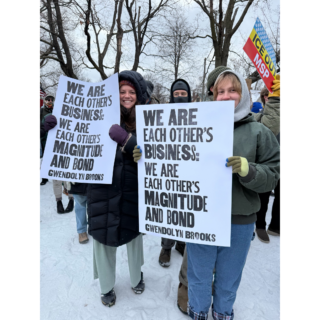
The questions raised by our research extend beyond buildings, too. Earlier this year, AIA Minnesota Executive Vice President Mary-Margaret Zindren found herself and fellow AIAMN members immersed in upheaval and protests surrounding the federal immigration enforcement surge in Minneapolis. In her reflections, we see the broader role that professional organizations play during moments of civic need. Architects’ work is not limited to physical structures—it can involve protecting public trust, maintaining civic relationships, being a good neighbor, and reaffirming the values that allow communities to function.
We see in all this work that architects are trained to study existing conditions before they intervene and that the best contributions to our communities begin by asking what histories remain embedded there. At a moment when the nation is reflecting on its past and imagining its future, that attention feels especially valuable.