

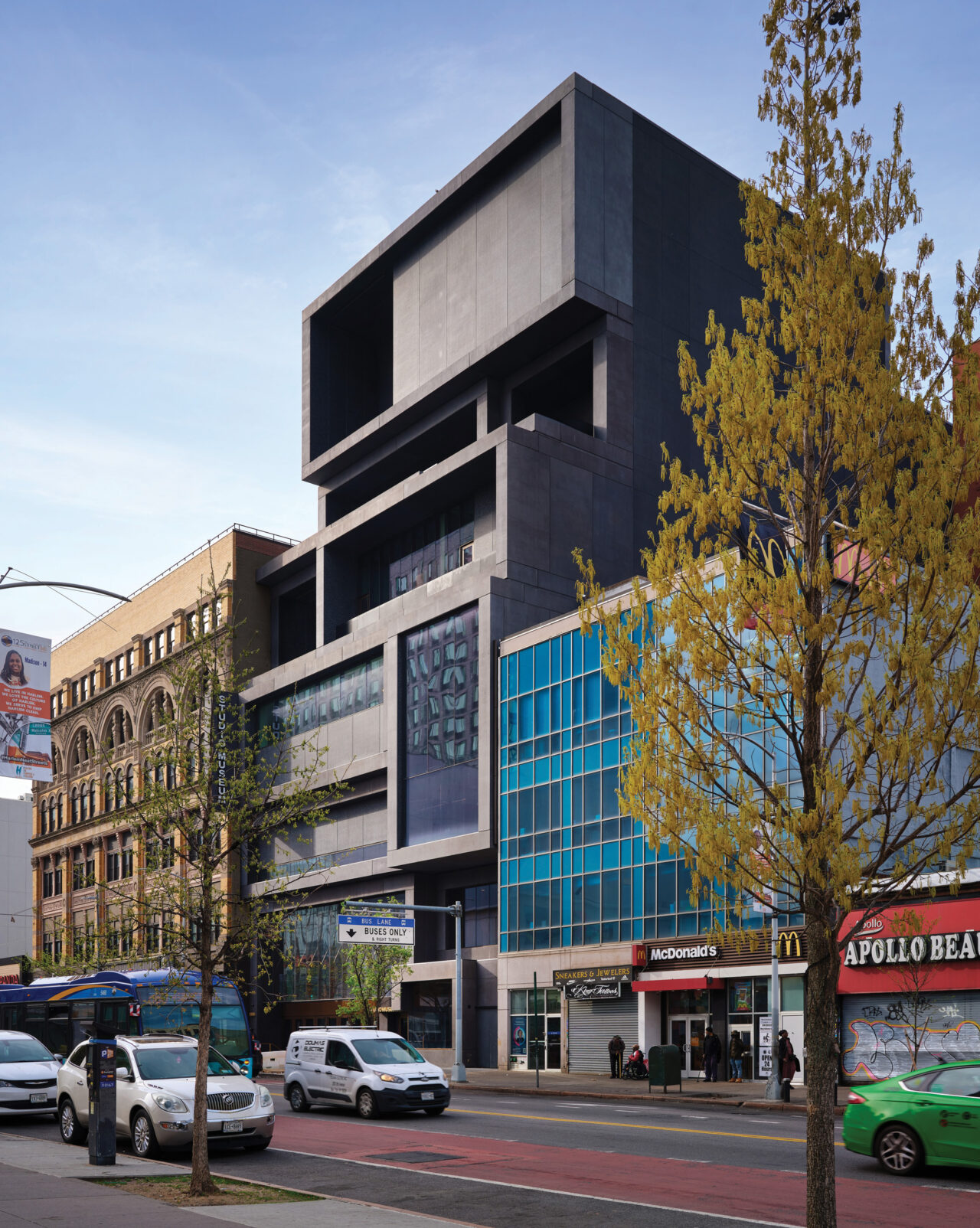
The Studio Museum in Harlem will celebrate the public opening of its new seven-floor, 82,000-square-foot building on Saturday, November 15, 2025. This milestone moment will be marked by a celebratory Community Day that will activate the entire building, welcoming everyone from the museum’s surrounding communities and beyond. “As our historic homecoming approaches, I am reflecting on the transformative vision of the artists, supporters, and community members who have helped us shape this pivotal moment in our legacy,” said Thelma Golden, Ford Foundation director and chief curator of the Studio Museum. “Our breathtaking new building is an invaluable space and a tribute to the museum’s mission and the vitality of artists of African descent. I am thrilled to welcome everyone back to a reimagined Studio Museum, rooted in Harlem and resonating far beyond.”
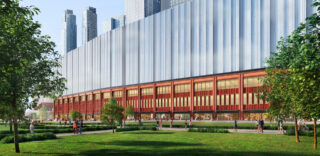
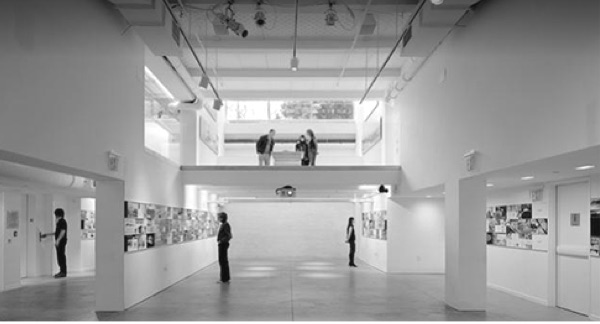
The new home of the Studio Museum, designed by Adjaye Associates with Cooper Robertson serving as executive architect, provides state-of-the-art galleries, an expansive lobby, flexible program spaces, and dedicated education workshops. Together, these foster deeper engagement with visitors of all ages and elevate the museum and Harlem community. Space for exhibitions and the artist-in-residence program will more than double, and indoor and outdoor public space will increase by almost 70%.
The architectural design takes its inspiration from the brownstones, churches, and bustling sidewalks of Harlem. The masonry-framed windows of Harlem’s apartment buildings are echoed in the composition of a façade with windows of varying sizes and proportions. The neighborhood’s churches find a counterpart in a top-lit interior gallery with ample wall area for installing large-scale artworks, and a central stair that provides lookout points from the landings. A set of glass doors, which can be opened in different configurations, welcomes people to descending steps that evoke the ubiquitous stoops of Harlem’s brownstones. The steps can be used as benches for watching lectures, performances, and films presented on the building’s lower level—or simply for relaxing in informal gatherings.
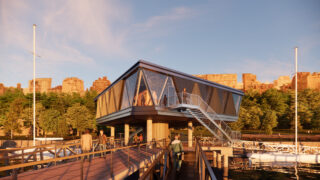
The new facility also includes a rooftop terrace with striking views of the surrounding area, and displays a dynamic landscape design by the Harlem-based firm Studio Zewde. Conceived as a space for gathering, reflection, and engagement, the terrace features native plantings and sculptural seating that frame striking panoramic views of Harlem and beyond. On the museum’s lower level, a café operated by the local family-owned restaurant Settepani will further enhance the museum’s commitment to organizations and businesses in the local neighborhood.
Inaugural exhibitions and commissions include:
- A major presentation of the work of Tom Lloyd, the innovative artist whose practice was the subject of the Studio Museum’s inaugural exhibition in 1968. Based on extensive new scholarship and intensive conservation work, “Tom Lloyd” will explore the artist’s prescient contributions to the interplay of art and technology, and will be accompanied by the first publication dedicated to the artist.
- The first installment of a rotating installation of works from the museum’s distinguished permanent collection, which today holds nearly 9,000 artworks. Works will span from the 1800s to the present—highlighting more than 200 years of artistic achievements by artists of African descent—and will range from those newly acquired to those that have been recently conserved and not shown for decades.
- A first-of-its-kind presentation of new works on paper by more than 100 alumni of the Artist-in-Residence program. The exhibition will place intergenerational artists in conversation with each other, while paying tribute to this foundational program of the museum, which has nurtured artists of African descent for more than half a century.
- A presentation of archival photographs and ephemera of the institution’s history, offering visitors an opportunity to discover the host of exhibitions, events, and programs that defined the Studio Museum throughout nearly 60 years of cultural and political change.