




by: AIA New York
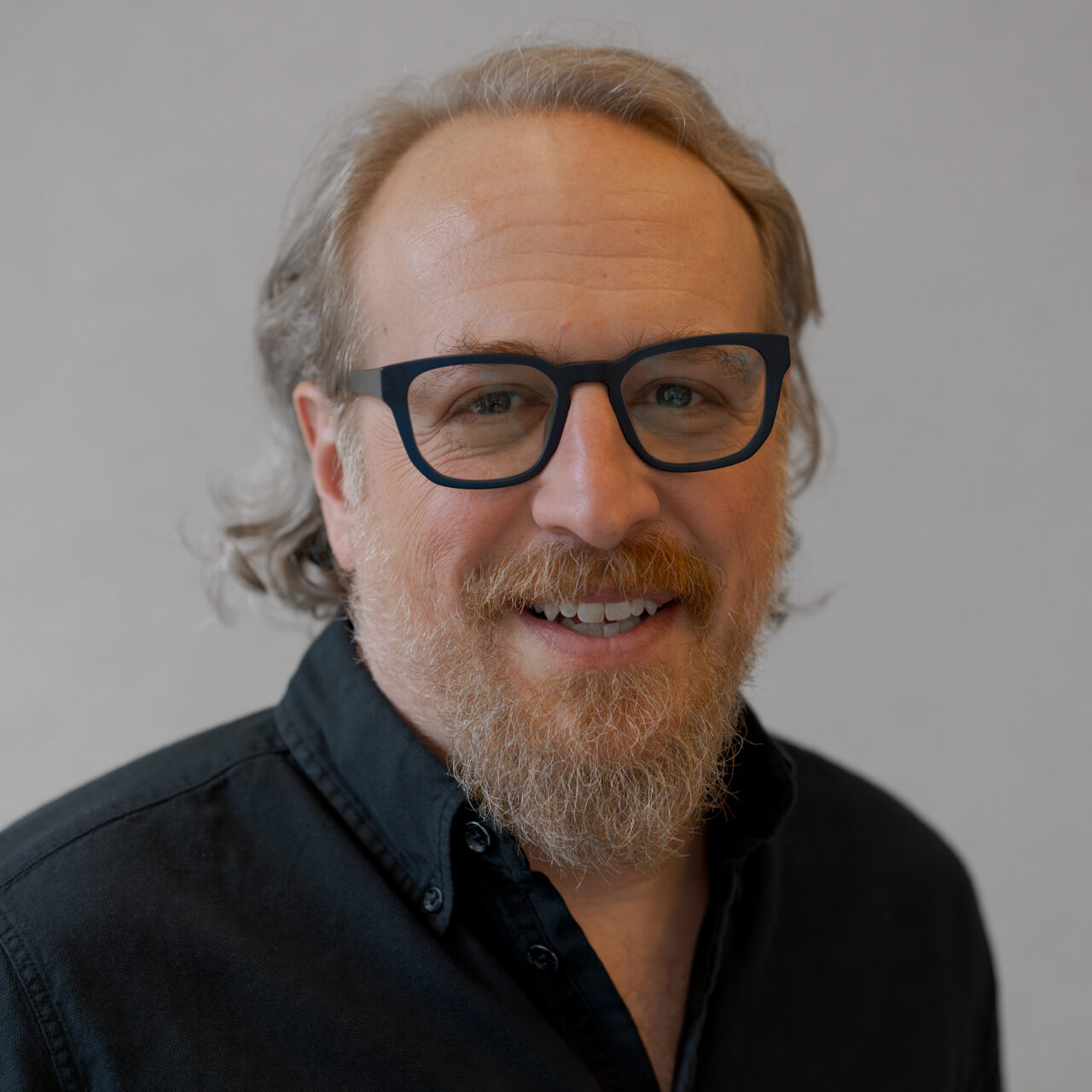
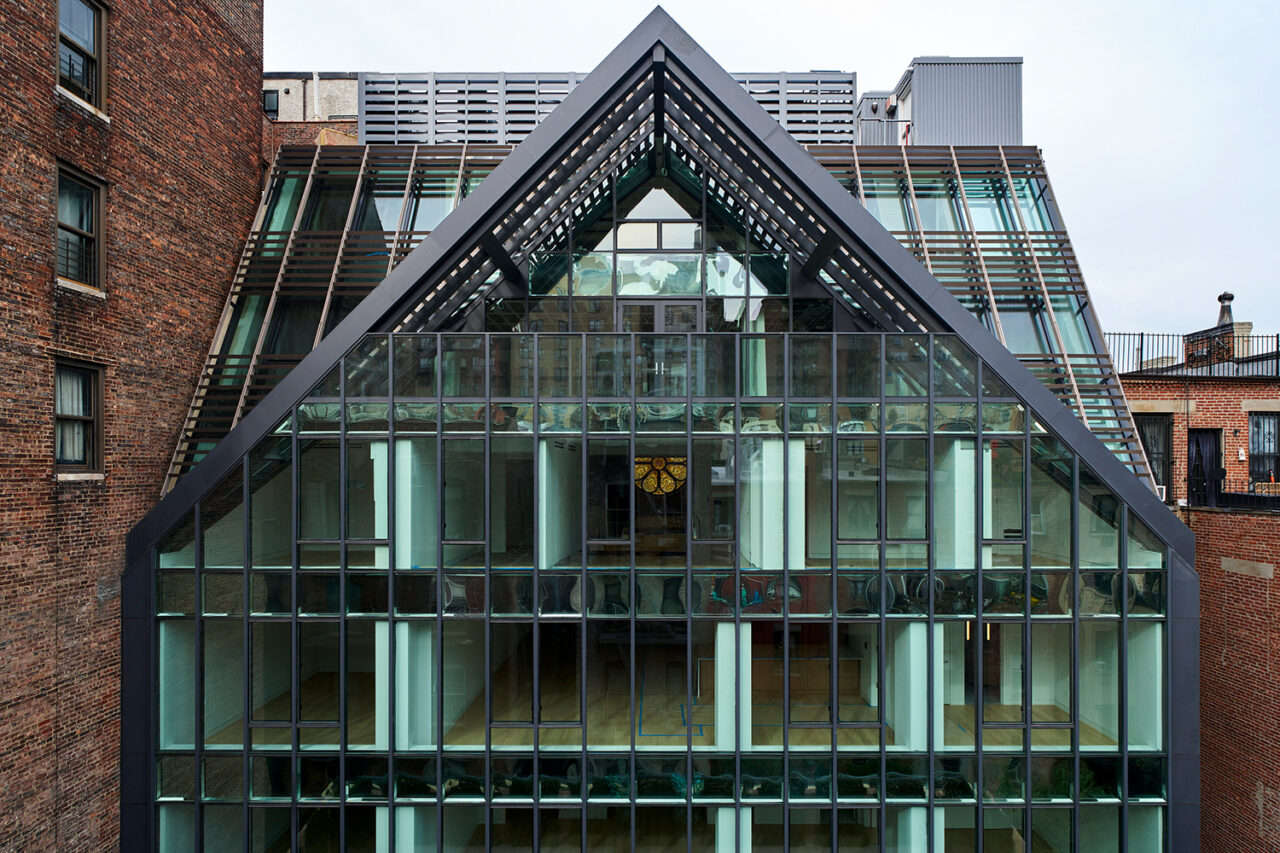
Jordan Rogove, FAIA, is Partner and co-founder of DXA Studio, which he established with Wayne Norbeck in 2011. His work in New York includes a wide range of new and restored multi-family residential buildings throughout Manhattan and Brooklyn, including the conversion of the Mount Pleasant Church on the Upper West Side. His work has been exhibited at the Venice Biennale in 2018, 2022, and 2023. Jordan has also contributed to socially minded and humanistic projects internationally, including collaboration with the Clinton Health Access Initiative to develop architectural solutions that help to eradicate malaria in Namibia.
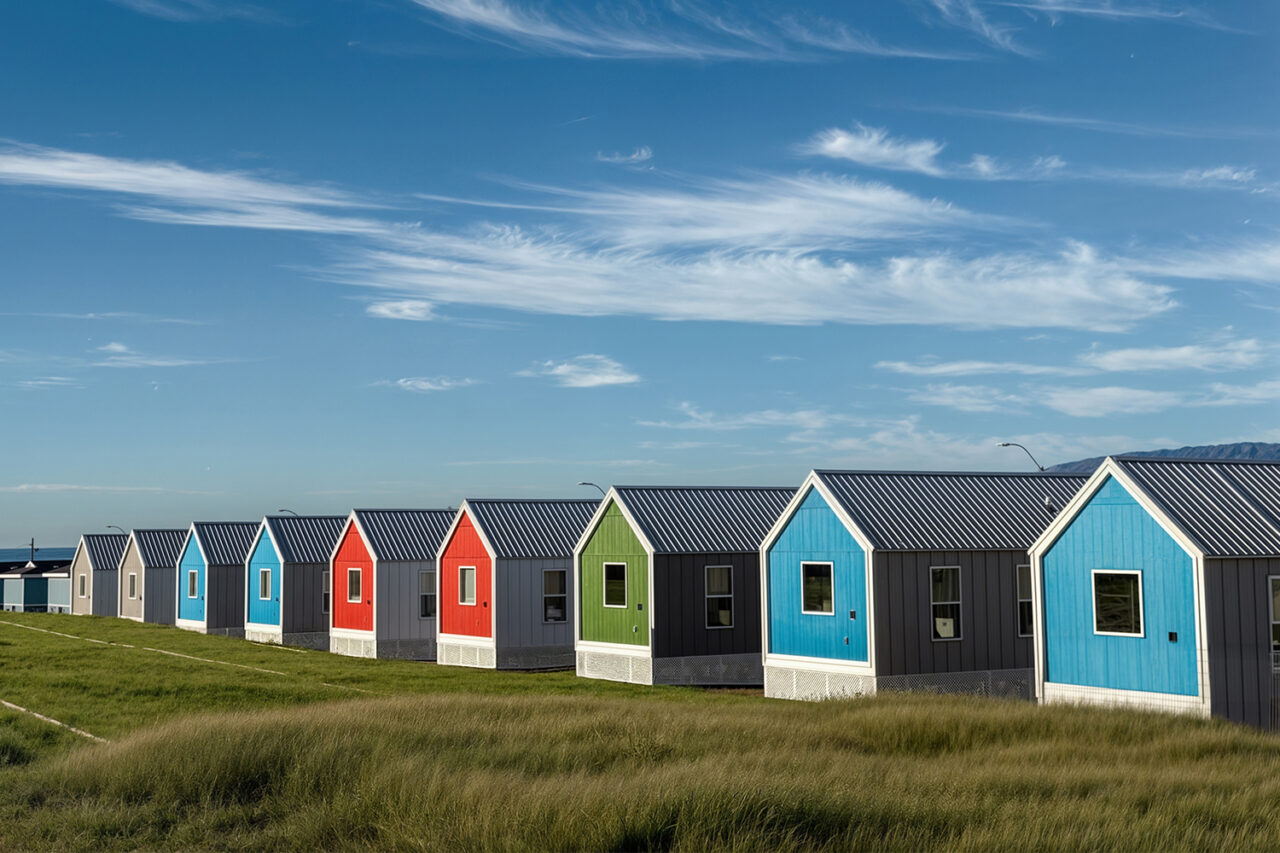
Rogove is also the co-founder, with Wayne Norbeck, and CEO of Liv-Connected, established in 2019 to provide innovative, well-designed, and affordable factory-built modular housing for single-family households. In 2024, in response to FEMA’s RFP to provide emergency disaster relief housing for Hawaiians displaced by the devastating 2023 fire in Lahaina, Maui, Liv-Connected was deployed to provide emergency disaster relief housing for over 100 households in four months. Jordan was educated at Virginia Tech’s School of Architecture, where he is currently an Affiliate Professor of Practice, and is on the Board of Directors of the NY Council of SARA (Society of American Registered Architects) and a member of the AIANY Housing Committee.
This year, the Jury of Fellows of the AIA elevated Rogove to its prestigious College of Fellows in the second category of Fellowship, which recognizes achievements at the national level in the science and art of planning and building by advancing the standards of practice. Rogove was recently celebrated at the Center for Architecture during the 2026 New Fellows Celebration and at the AIA Conference on Architecture (AIA26) in San Diego.
Q: What is influencing your work the most right now?
Our studio published a book a couple of years ago called DXA NYC. Through a series of our projects and conversations with artists, historians, and design professionals, we explored the unique relationship New York City has with its past and what that means for the future of its architecture. Our work really pulls so much of its inspiration from NYC and strives for authenticity by engaging in a dialog with the past. The city is so vibrant and dynamic. It’s a limitless source of inspiration.
Last year’s Venice Biennale also left a big impression, in particular the Spanish and Danish Pavilions. The ideas explored there–urban mining and repurposing of existing building material–were incredible. We are really pushing to adopt some of these practices here in the US.
Q: How/why did you decide to pursue architecture?
I think I knew I wanted to be an architect from age six or so when I started making models: Army bases for my action figures, a replica of the space shuttle cockpit, recreating scenes and spaces from Star Wars. Then I took it to the next level, adding lighting and taking photos. And drawing, I was always drawing! Architecture seemed to me an art form that encompasses all art forms—sculpture, painting, music—it had everything I loved, all in one pursuit.
Q: Do you have a favorite building? Why?
Ronchamp and Sagrada Familia. Gaudi’s Sagrada Familia is incomparable in its exuberance and sheer audacity of vision. On my most recent visit, I was actually moved to tears while standing in the apse, in awe of the monumentality and beauty of the space. What struck me was how warm something so vast felt, and how effective all the devices Gaudi used to bring elements of the wild in—the color, the forms, and how they stood in such contrast to all of the other cathedrals I’ve visited over the years. While their immensity is similarly sublime, Sagrada Familia embraces you and doesn’t overwhelm you with its monumentality and otherness. The depth of storytelling and imagery really stands alone.
While it didn’t move me in quite the same way, Corbusier’s Ronchamp has never left the front of my mind since I visited it in my early 20s. It is a work of genius—with layer after layer of meaning and advancement of the practice of architecture. The repurposing of war ruins, the use of color, the ingenuity of pivot doors, and the beauty of the integrated paintings are all so remarkable. I am always borrowing from this building in my work.
Q: What are some of your favorite recent projects that you’ve worked on?
Handing the keys to the first ten families receiving our Lahaina wildfire recovery houses alongside Governor Josh Green was the highlight of my career. The challenge of building 109 houses on the mainland, shipping them by sea to Maui, and handing them over to the survivors in less than four months was formidable. I loved the experience and hope to continue to assist in providing more dignified and sustainable housing in disaster recoveries in the future. LA, you’re up next!
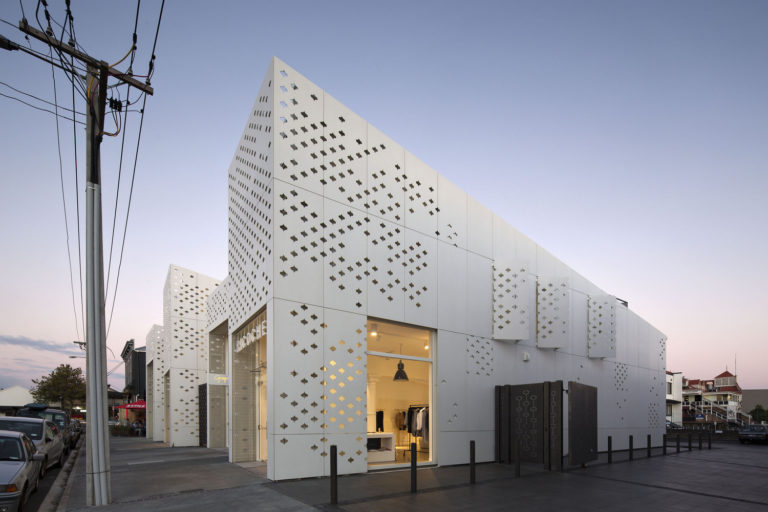
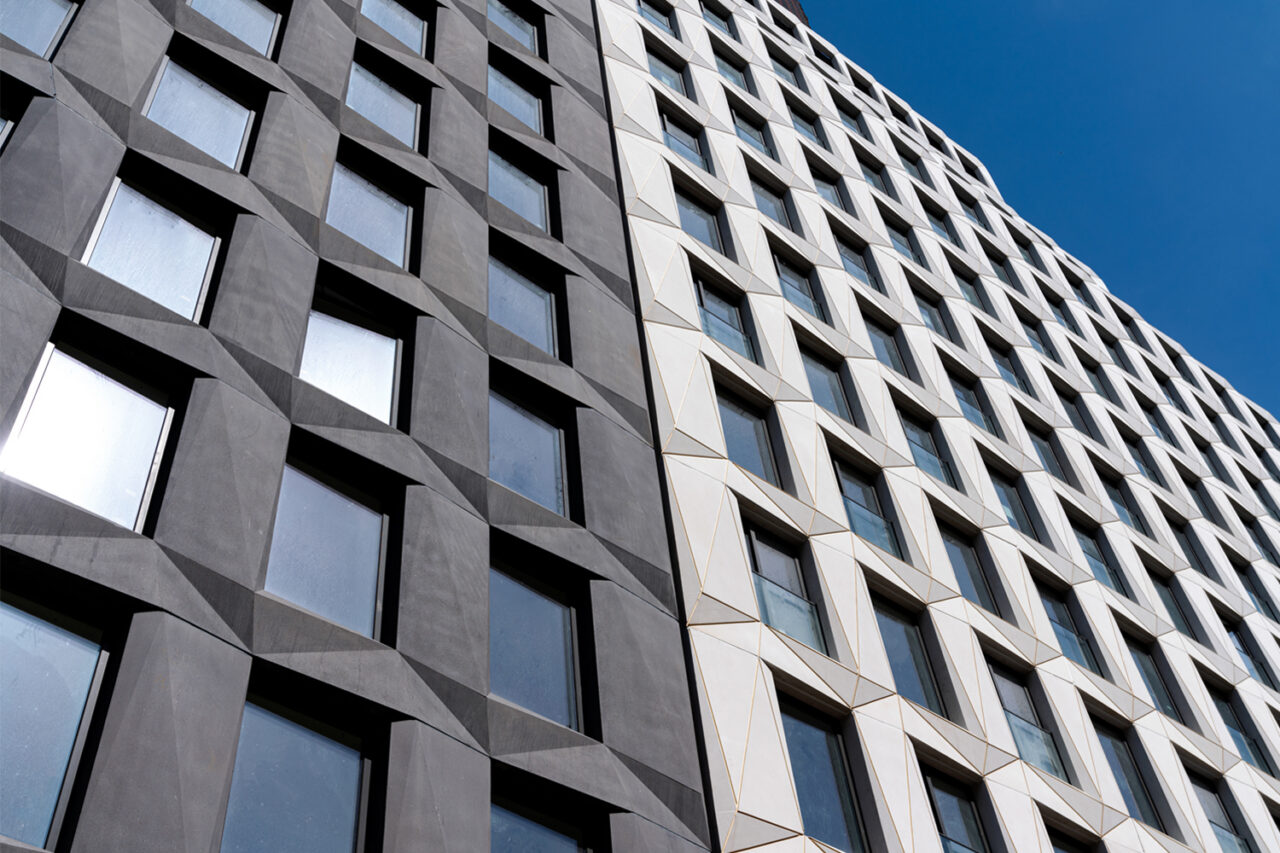
In NYC, construction just started on our project, 10 West 17th Street, a 17-story building in the Ladies Mile Historic District that is a tribute to the district’s history of innovation and cultural transformation. The reform that happened in the world of fashion with ready-to-wear clothing first made here spread to architecture, bringing about the modernist movement. We had so much fun exploring the relationship between fashion and architecture, inspiring an exciting fabric-like facade system. I can’t wait until it is finished next year.
Q: What do you see as an architect’s role—and responsibility—within our culture?
In 2011, our studio won a competition to provide housing in Haiti following a catastrophic earthquake. That began a series of pro bono projects we did across the globe that made evident the importance of what we do as architects, and how impactful thoughtful design is to health and well-being. I believe we have a responsibility to make this our top priority in practice, and that we should collectively be fighting for housing as a human right.
I also believe that our value is not totally understood outside of the profession. We have an obligation to educate those who don’t fully grasp that we can make a huge difference with our skillset. At a recent lecture, I heard the statistic that in the United States, less than 2% of all buildings are designed by architects. That explains the ubiquity of strip malls, and the banality and inefficiency of so much of the built environment. I’d love to see architects push their way into these overlooked building opportunities to make them more sustainable, equitable, and in service to maintaining dignity and a sense of place.