



by: AIA New York
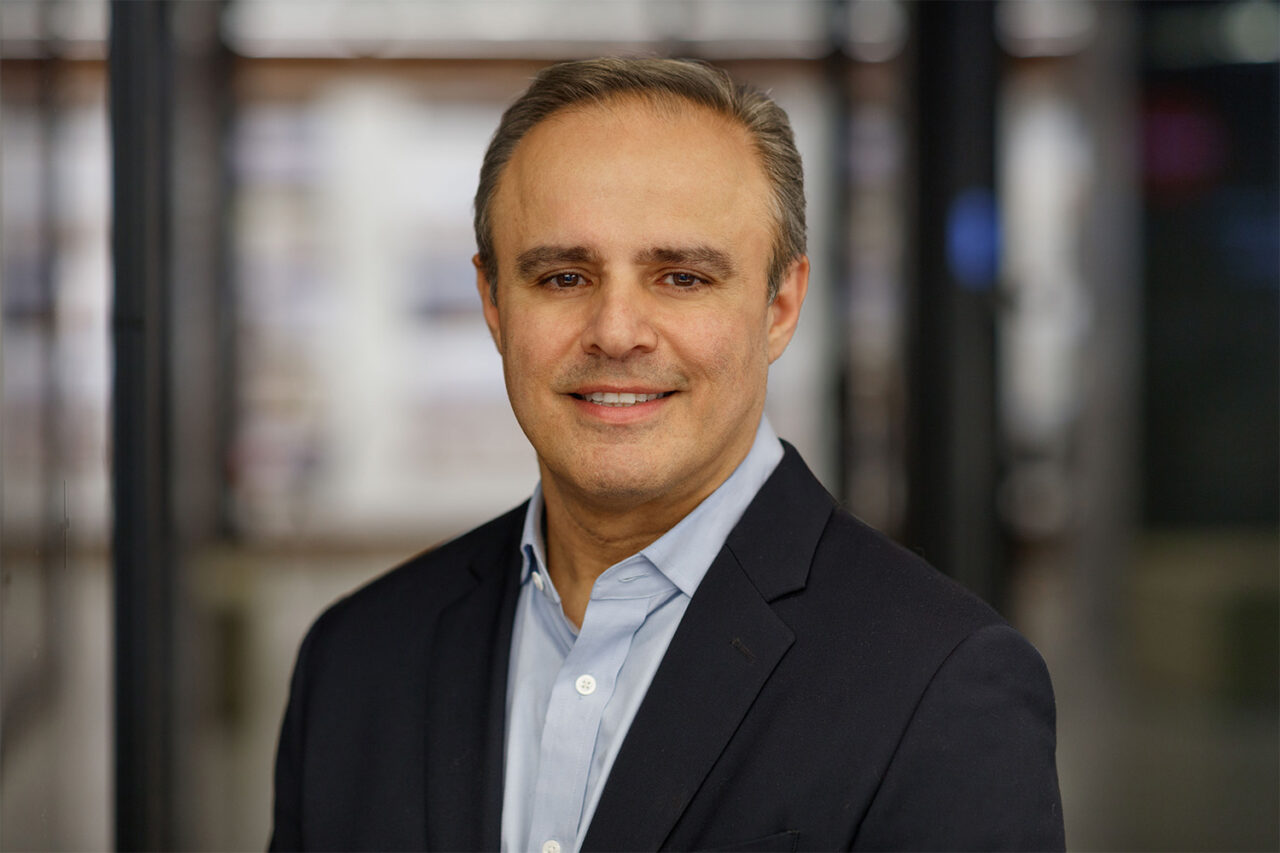

Born in Italy, raised in Brooklyn, and a product of New York City public schools, Joseph Lauro brings a deeply personal commitment to equity, community, and resilient design to his role as Co-Managing Director of Gensler’s New York office. Growing up in a working-class neighborhood, Lauro saw early on how architecture could uplift communities, a belief that has guided his nearly 30-year career, and he is a tireless advocate for sustainable, future-ready design. His public-school education instilled a passion for broadening access to the profession, reflected in his leadership roles to inspire and empower the next generation of architects from diverse backgrounds.
Lauro’s practice and sustainability initiatives position architects as drivers of global shifts toward decarbonization and expanded design and development strategies. At the same time, his comprehensive mentoring programs empower diverse perspectives to shape a more resilient, inclusive profession.
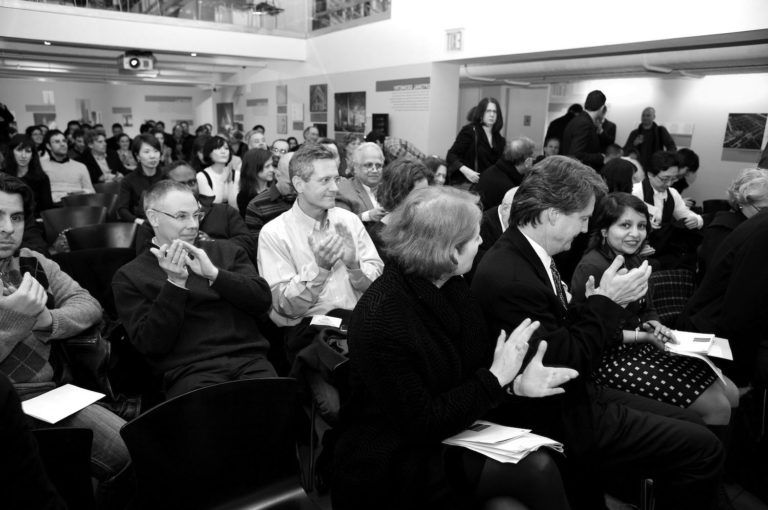
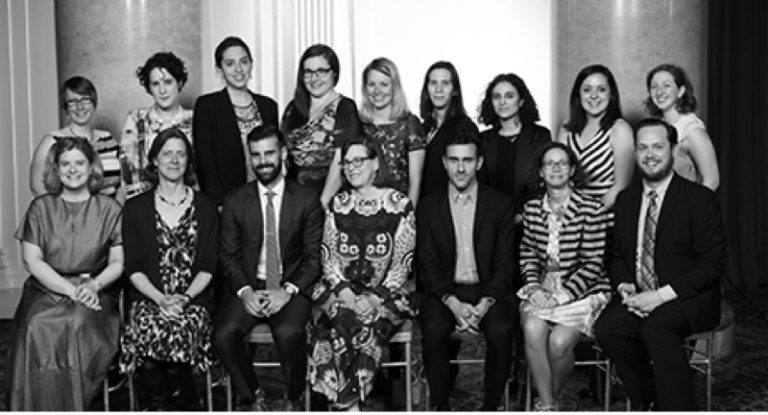
This year, the Jury of Fellows of the AIA elevated Lauro to its prestigious College of Fellows in the second category of Fellowship, which recognizes achievements at the national level in the science and art of planning and building by advancing the standards of practice. Lauro was recently celebrated at the Center for Architecture during the 2026 New Fellows Celebration and at the AIA Conference on Architecture (AIA26) in San Diego.
What is influencing your work the most right now?
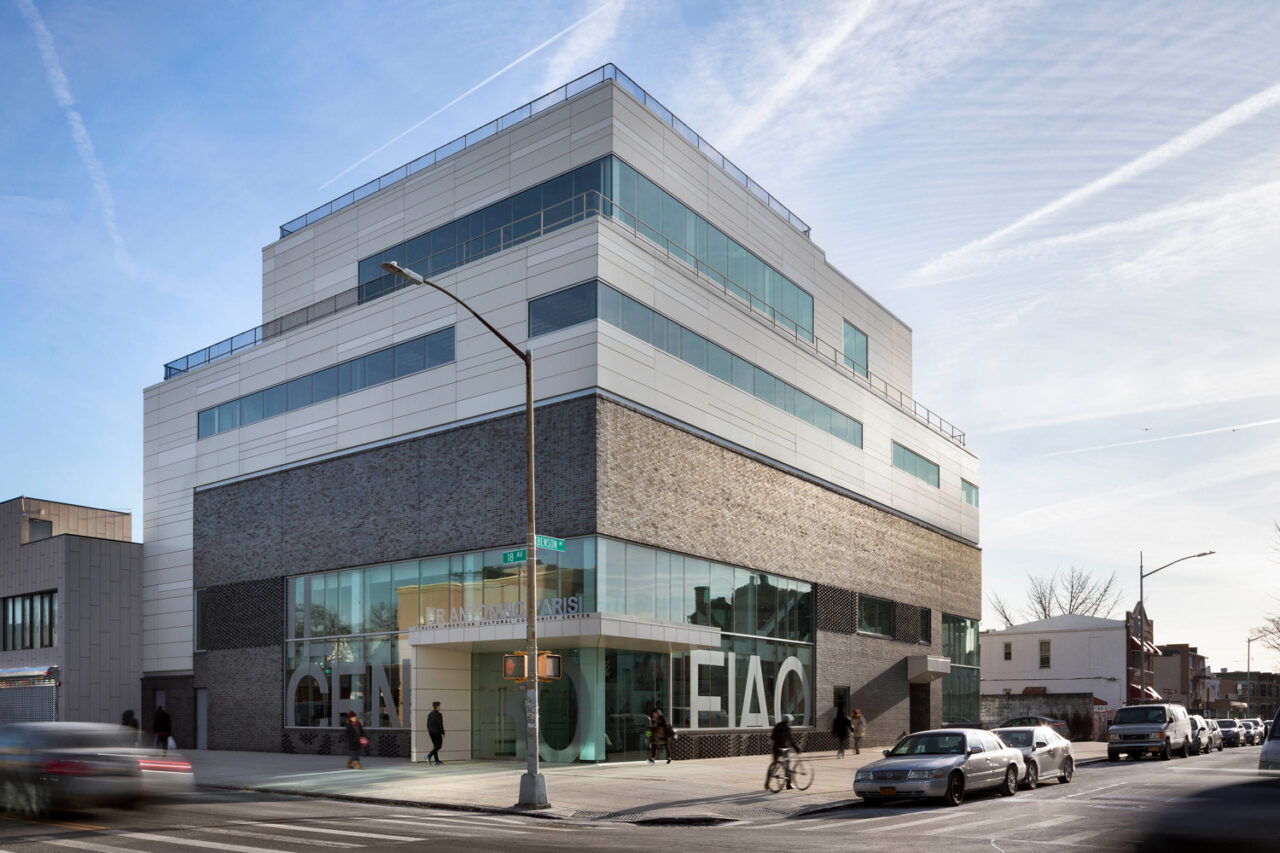
For every project, I’m thinking about how it connects to the urban fabric around it: how it activates the street, contributes to the neighborhood, and makes the experience of being in the city better. Architects have a profound responsibility to the civic realm. Our work is the infrastructure that makes urban life not just possible, but meaningful and enjoyable. With every project, I’m thinking about how I can contribute to making our city better
What are some of your favorite recent projects?
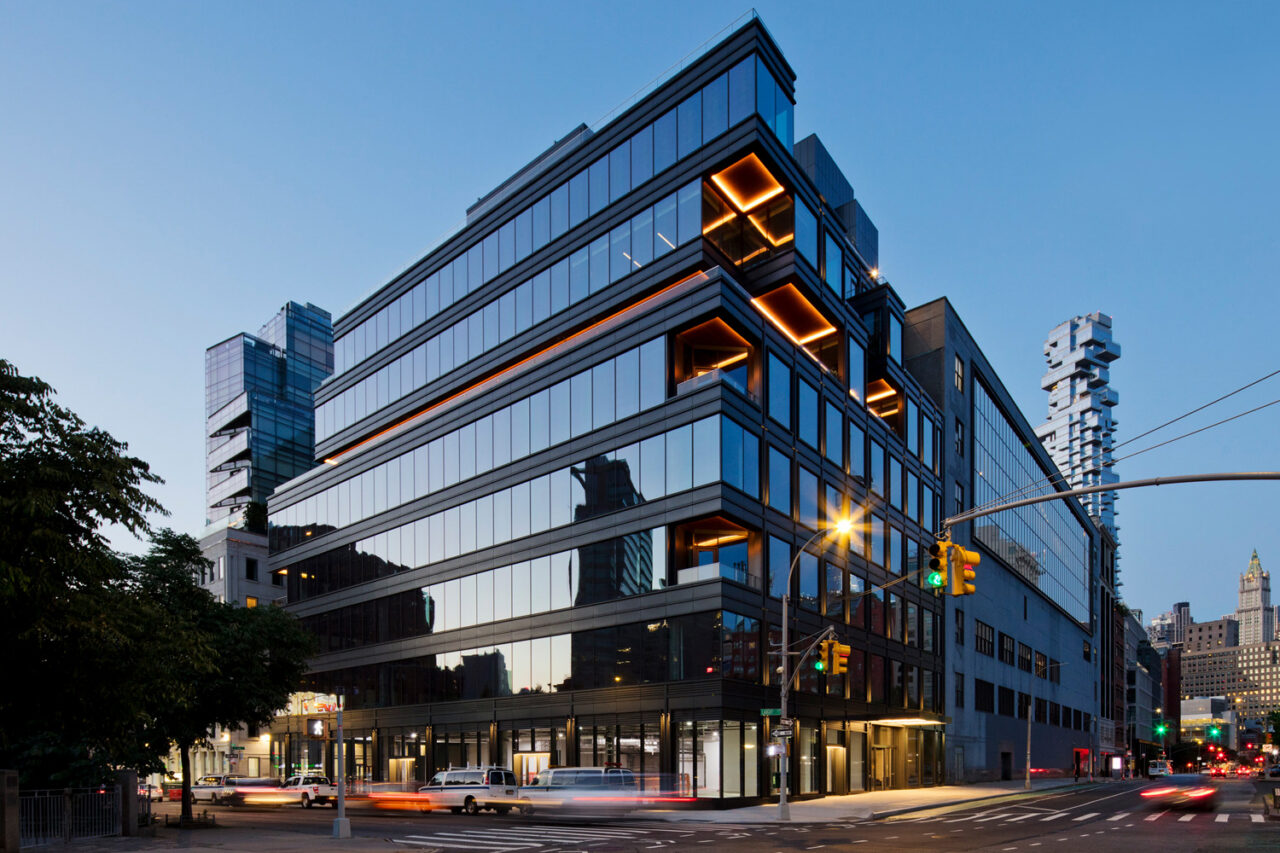
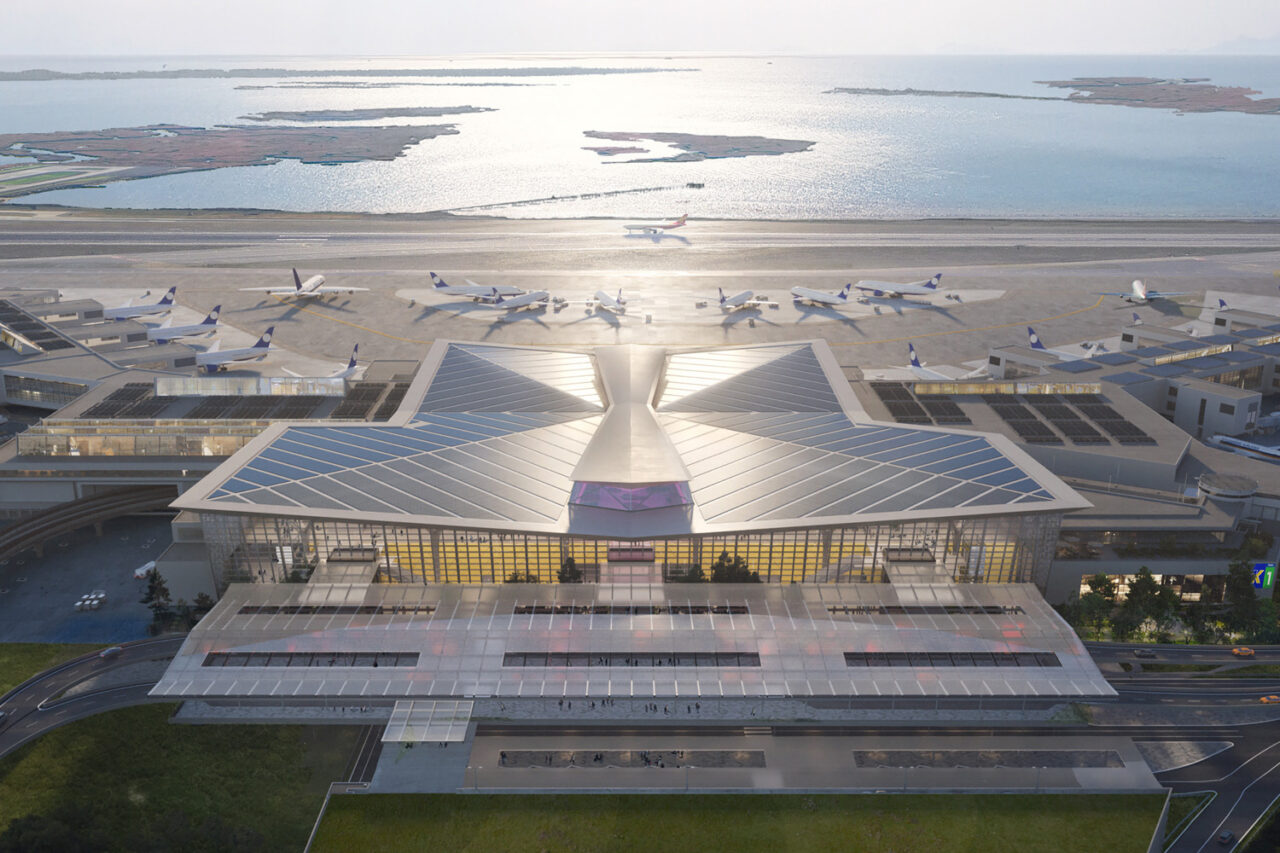
Two come to mind. The New Terminal One at JFK isn’t just a new terminal; it’s New York City’s front door to the world, designed around accessibility, sustainability, and a genuinely uplifting passenger experience. And 70 Hudson Yards will be a fully electrified, net-zero office tower—a landmark for climate action in the built environment. Together, these projects will improve the experiences of millions of people, while also representing 3.5 million square feet of cutting-edge sustainable design
What do you see as an architect’s role and responsibility within our culture?
Architecture shapes how people experience the world, and that’s an enormous privilege and responsibility. Our work has to reflect the communities it serves, which means our profession itself must also reflect those communities. Diversifying the profession isn’t just the right thing to do—it makes our work more honest and more resonant.
What are your thoughts on architectural education today?
As a member of the NY State Board of Architecture and a longtime mentor through ACE and the Salvadori Center, I think about this constantly. The core issue is access. Architecture is a five-year degree, expensive by definition, which immediately narrows the pipeline. We’re losing tremendous talent before it even has a chance to develop. My work with programs from middle school through early career is about creating scaffolding—continuous support that keeps promising young people connected to this profession long enough to actually enter it.
What are the biggest challenges—or opportunities—facing cities today?
Housing is the defining urban challenge of our time. In New York, office-to-residential conversions are making real progress. And the ideas behind O2R have helped unlock real estate potential at both building and city scales, influencing decisions from individual developers to local governments. But we need to move faster and think bigger globally. But architects are problem-solvers by nature, and in partnership with municipalities and developers, we’re well-positioned to bring the innovation cities desperately need.
Editors’ Note: This feature is part of a series celebrating the members of the American Institute of Architects (AIA) New York Chapter who are elevated each year to the AIA College of Fellows, an honor awarded to members who have made significant contributions to both the profession and society. Learn more about Fellowship here.