


by: AIA New York
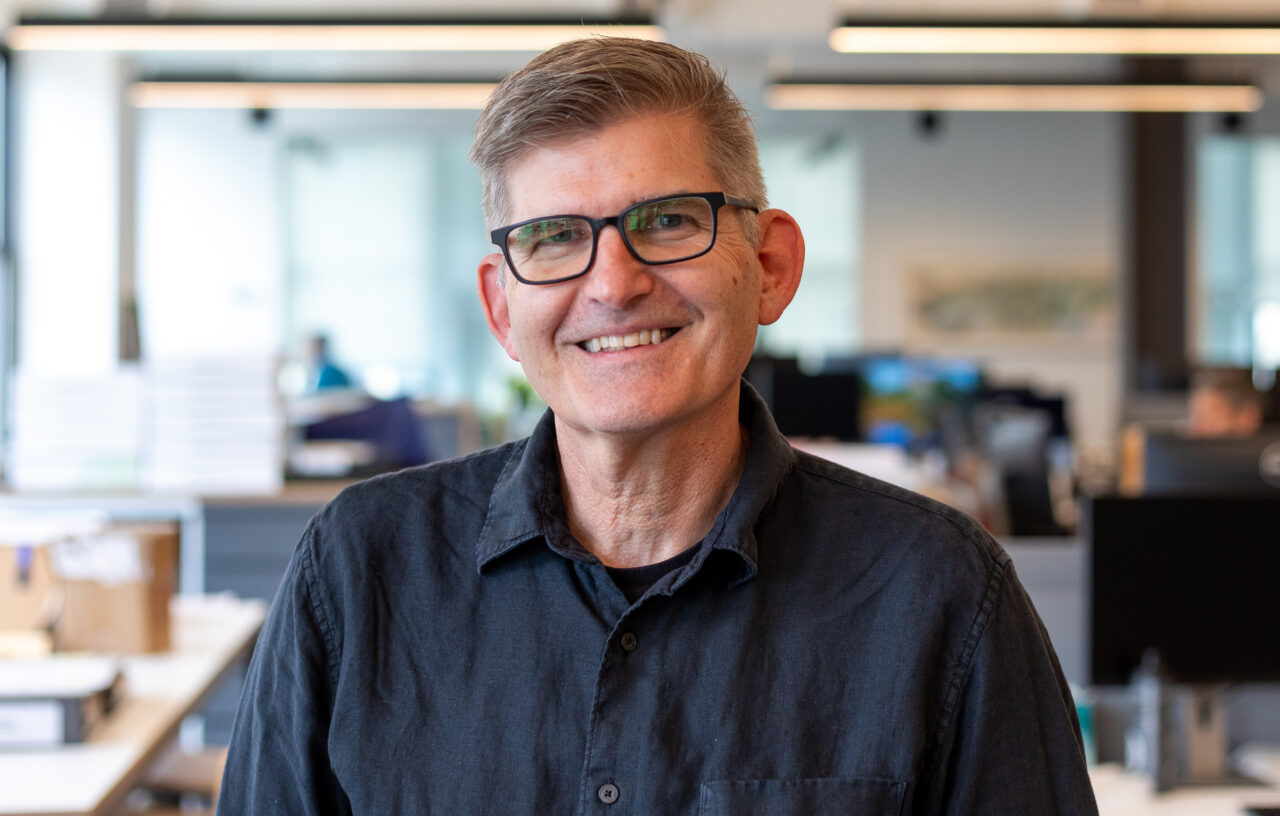
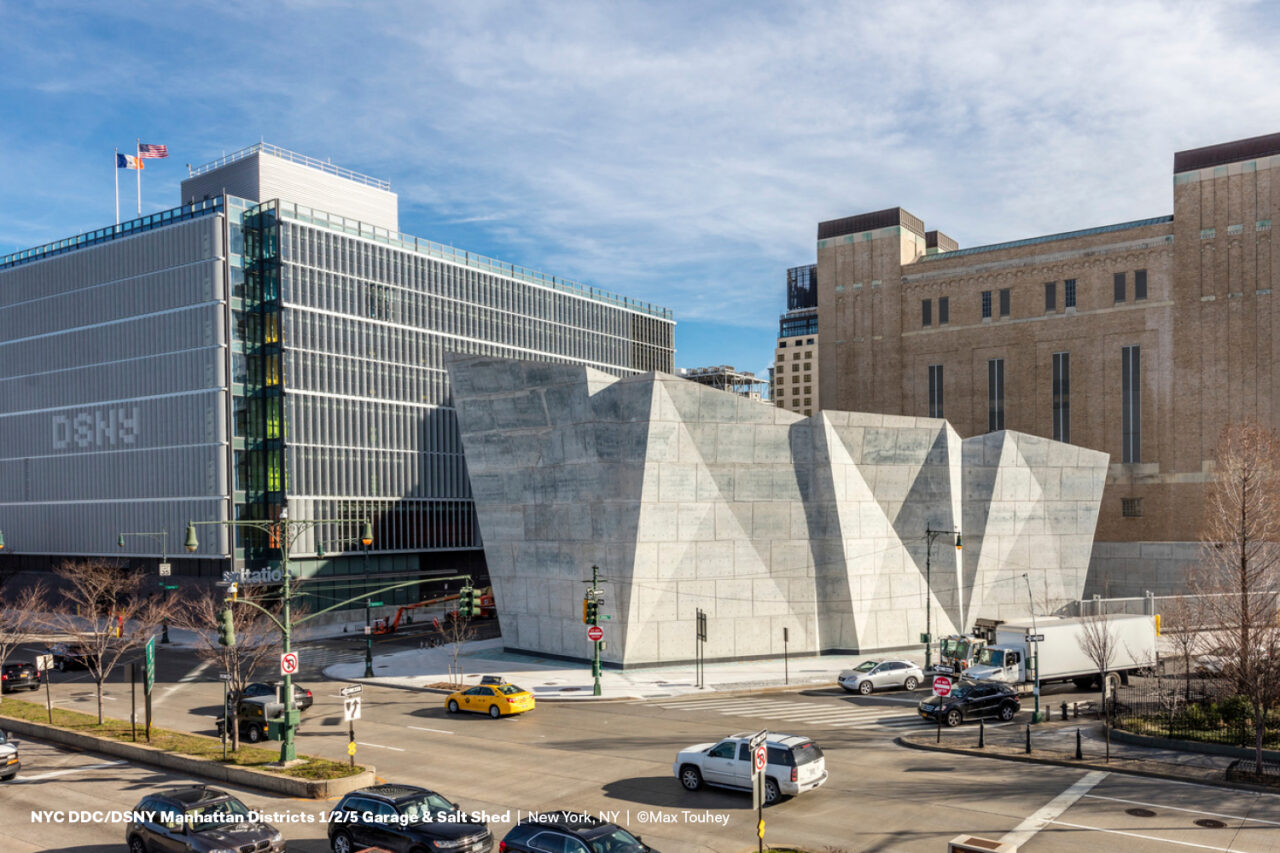
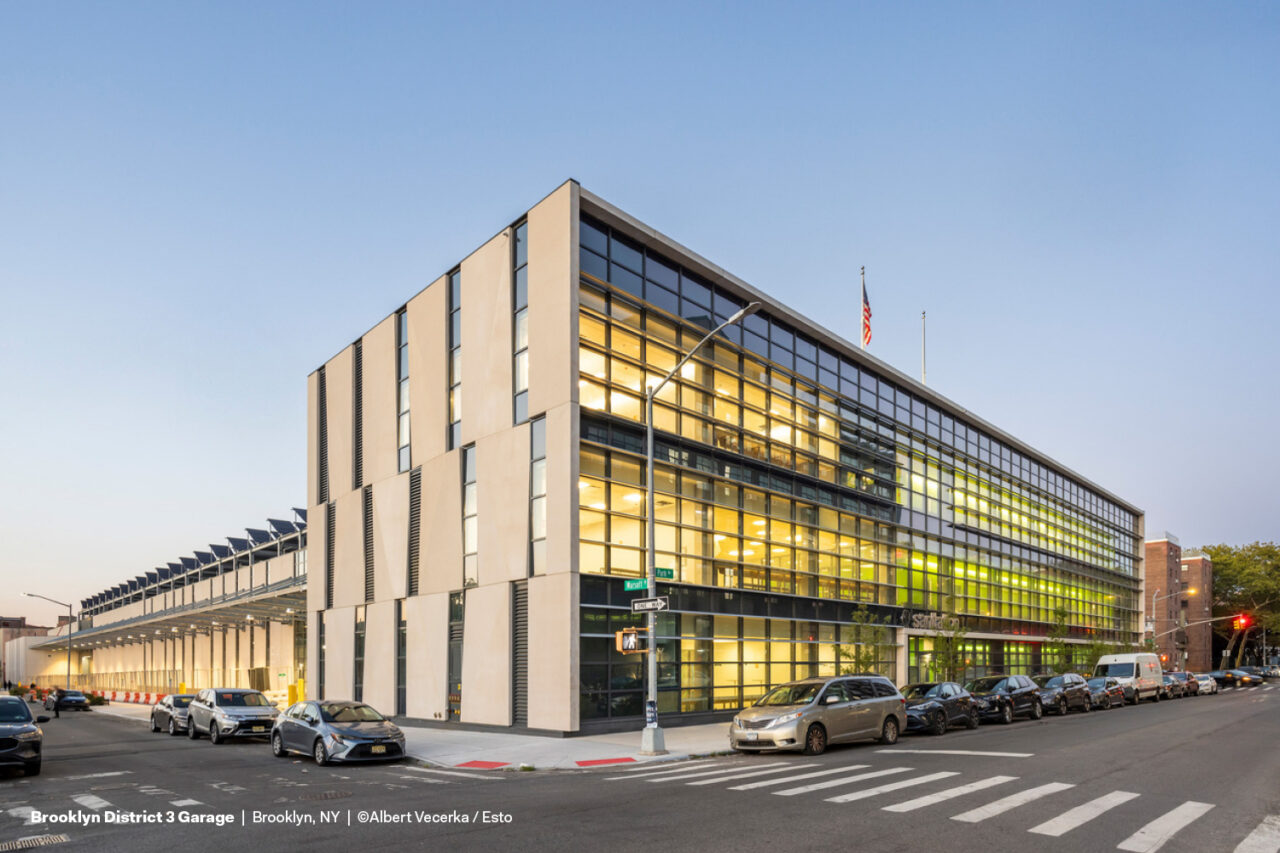
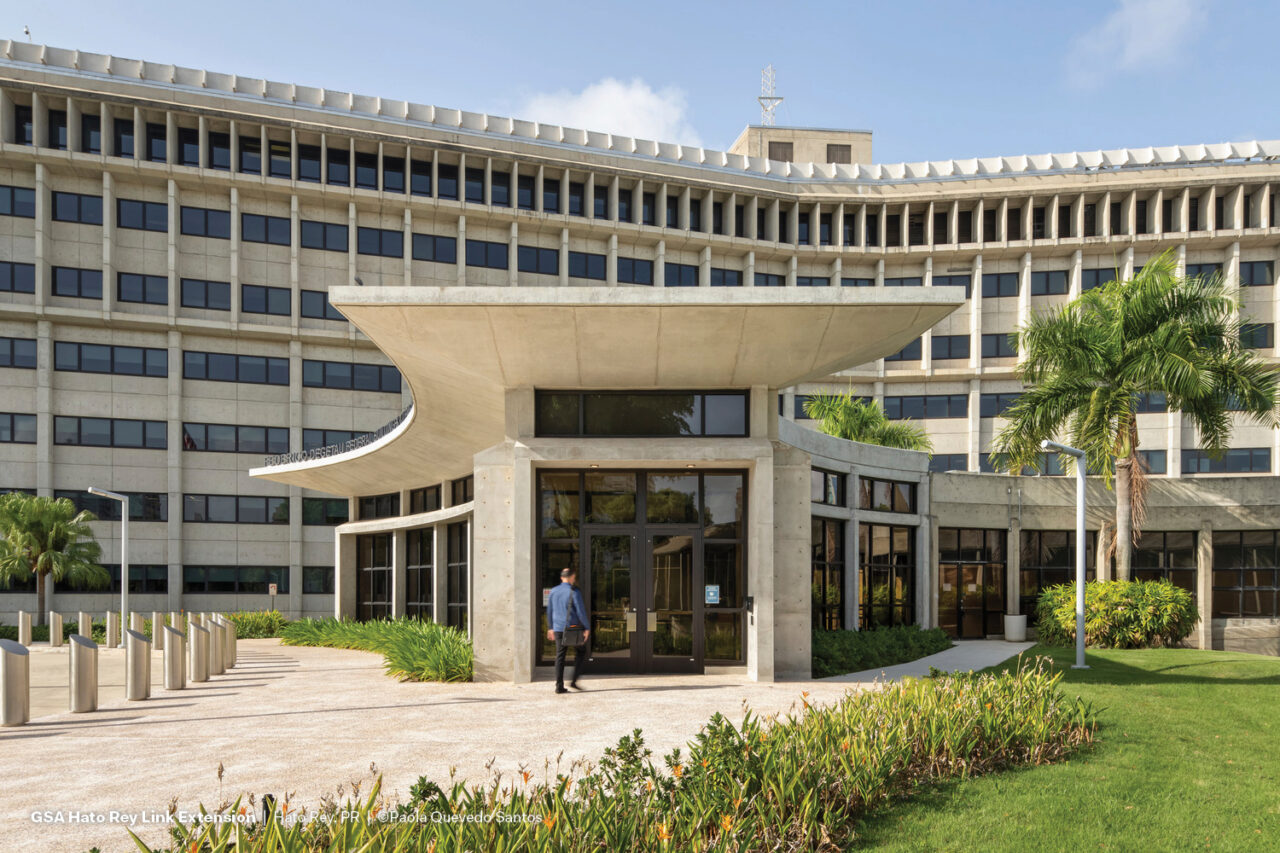
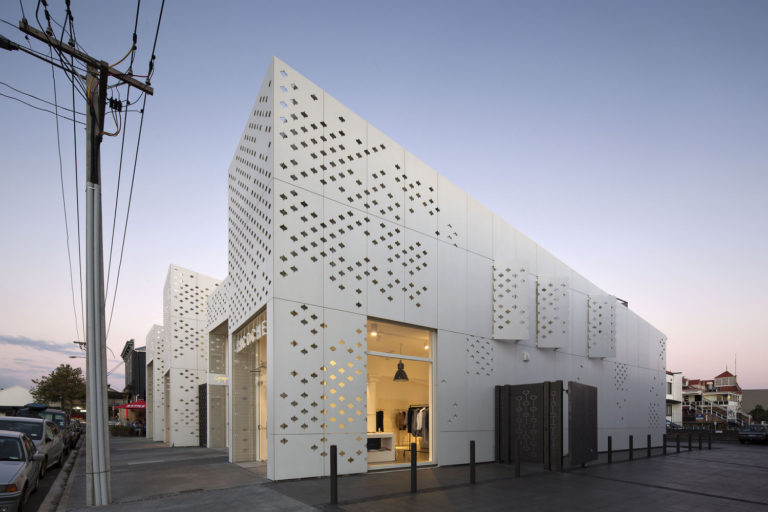
Paul Bauer, FAIA, LEED AP, Partner at Dattner Architects, has transformed the reputation of public infrastructure by making utilitarian buildings into sustainable and beautiful architectural landmarks that dignify the daily jobs of essential workers and elevate neighborhoods and cities. Brauer has spent three decades turning the most essential—and usually the most unwelcome—elements of urban infrastructure into beloved architectural assets. Through a methodical, thoughtful, iterative, research-driven approach, he has quietly led large teams of city officials, municipal workers, and consultants, challenging them to see constraints as opportunities for innovation and discovery. His highly functional, sustainable, and iconic buildings have enriched the jobs of thousands of municipal workers and uplifted the lives of millions of residents in the neighborhoods they serve.
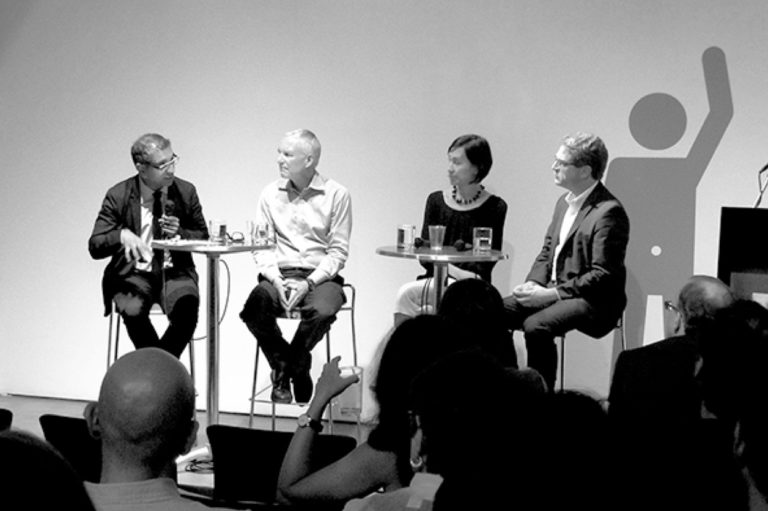
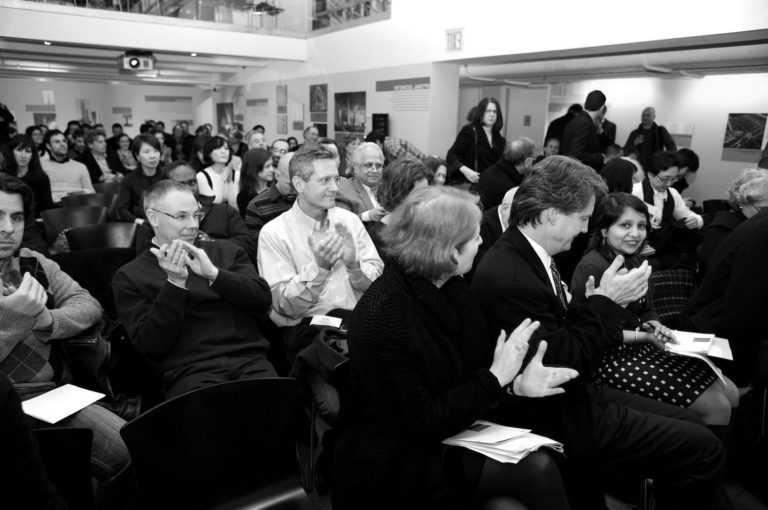
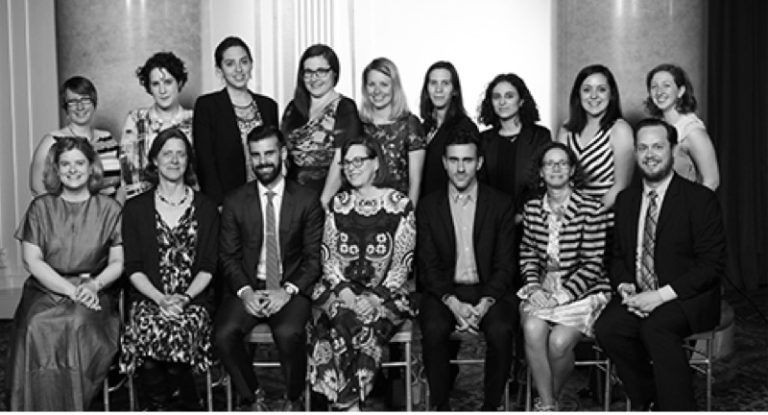
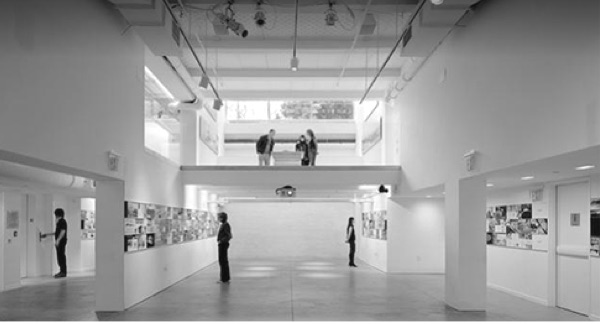
This year, the Jury of Fellows of the AIA elevated Bauer to its prestigious College of Fellows in the second category of Fellowship, which recognizes achievements at the national level in the science and art of planning and building by advancing the standards of practice. Bauer was recently celebrated at the Center for Architecture during the 2026 New Fellows Celebration and at the AIA Conference on Architecture (AIA26) in San Diego.
What is influencing your work the most right now?
Technology is a major influence on our work. I’m not talking about AI, although I don’t think we can escape it, but rather the influence of advances in material science, fabrication techniques, and automation that help reduce project schedules, community impact during construction, and potential cost savings while improving overall quality and reducing energy consumption. It is transformational that we can rapid-prototype assemblies and utilize custom software to model complex systems, design iteratively and interactively with fabricators to overcome logistical and technical challenges facing complex projects.
What has been particularly challenging in your recent work?
Transportation and infrastructure projects span years, sometimes decades, so it can be difficult to keep a project team enthusiastic and focused on seeing the project through. Add to that changes in elected officials, evolving codes and local laws, and key stakeholders retiring or moving on, and it inevitably results in new priorities and changes to the project mid-design and during construction. Maintaining a thoughtful, methodical approach throughout the life of a project requires focus to achieve the goal, which is a highly functional iconic piece of essential architecture that will be part of our city for generations.
What are some of your favorite recent projects that you’ve worked on?
We are currently working on several projects with DSNY, NYCT, and Parks that merge worker dignity and environmental responsibility into structures that are welcomed into the neighborhood. I’ll highlight Brooklyn 3 Garage, which is replacing a structure that is literally falling apart. The new Brooklyn 3 distills 30 years of collaboration with DSNY into a new LEED Gold facility that celebrates rather than hides this essential city service. It’s the last project we had the privilege of working on with the late Mike Friedlander, DSNY’s director of special projects. His motto: “We want to be the best building in the neighborhood.” We like to think we succeeded.
What do you see as an architect’s role and responsibility within our culture?
Architecture is, by some measure, a social profession—concerned with the well-being of individuals and communities. As a practitioner in the realm of essential architecture, I see collaboration with a large team of city officials, municipal workers, communities, and consultants as an essential element in daring stakeholders to see constraints as opportunities for innovation and bold action. Through collaboration, we fulfill our responsibility for the health, safety, and welfare of essential workers and communities while addressing shared environmental responsibility.
What do you think are the biggest challenges, or opportunities, facing cities today?
Transportation and infrastructure (essential architecture) is our biggest challenge and our greatest opportunity. Much of our essential architecture throughout the country is over a century old and in desperate need of rehabilitation and replacement. The scale of this undertaking is daunting, but the opportunities are great. Revitalization and expansion of our essential architecture will have a profound impact on affordability, community equity, and worker well-being.
Editors’ Note: This feature is part of a series celebrating the members of the American Institute of Architects (AIA) New York Chapter who are elevated each year to the AIA College of Fellows, an honor awarded to members who have made significant contributions to both the profession and society. Learn more about Fellowship here.