





by: Linda G. Miller




Connecticut’s Bartlett Arboretum to Welcome Mass Timber Pavilion, Horticultural Complex
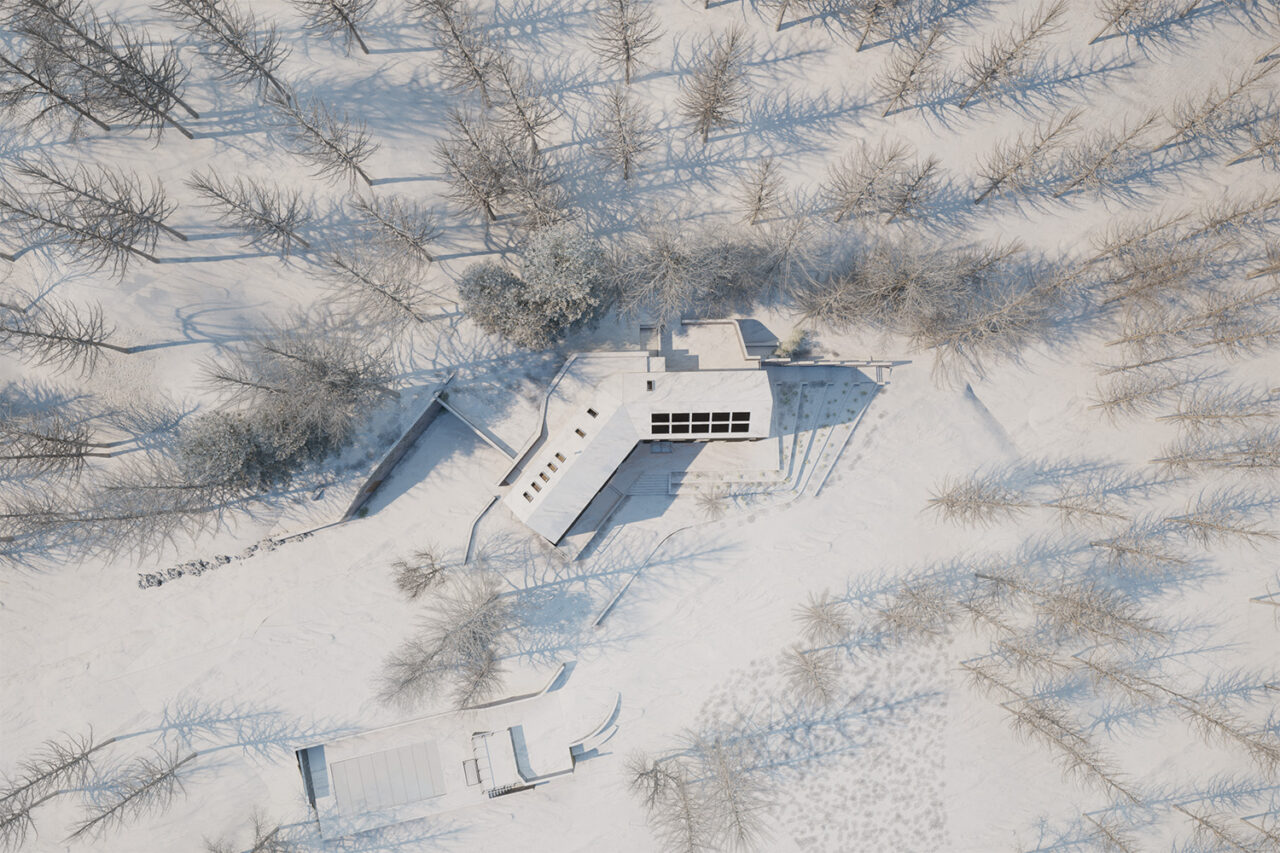
Working pro bono for the Bartlett Arboretum & Gardens in Stamford, Connecticut, Schiller Projects is designing a low-carbon horticultural complex and mass timber pavilion to enhance the future financial stability of the Bartlett and foster year-round community engagement. Established in 1913 and made accessible to the public in 1965, the non-profit organization spans 90-acres, nurtures 3,500 plant species, and serves as an outdoor learning center for regional public schools, offering programs in natural sciences education. The design also prioritizes the preservation and nurturing of the property’s 100 champion trees, the largest documented specimen of a tree species, and other rare species that have been integral to its landscape since its inception. The revitalized masterplan expands the existing footprint of the arboretum, necessitating a strategic repositioning focused on the introduction of the horticultural complex, which will serve as the new heart of the campus. Accessible from both a main entry and a secondary access point, the design emphasizes the visibility of the new complex. The 10,000-square-foot program includes an accessible greenhouse, dedicated classroom spaces, and a multi-purpose event pavilion designed to serve as a new revenue generator, alongside supporting ancillary spaces. The project calls for a year-round horticulture complex that houses a passive solar greenhouse able to regulate its climatic conditions through a passive system. High-performing sensory fans and operable automatic windows ensure minimal energy consumption and zero reliance on non-renewable resources. Divided into three climatic zones, it can support various plant types including exotic plants. The complex also provides spaces for lectures, drawing classes, regular STEM classroom lessons, and volunteer training. The glass-enclosed conservatory faces an open-air pavilion and is engineered using minimal embodied carbon material. The rentable multi-purpose event space serves as a hub for daily users and will host events like the Arboretum’s Honey Harvest Festival. The project prioritizes the use of recycled or repurposed materials and minimizes the use of steel in favor of sustainably forested timber. Each building is designed for easy disassembly, with major elements being recyclable to accommodate future changes.
New Ford World Headquarters Complete in Dearborn, Michigan
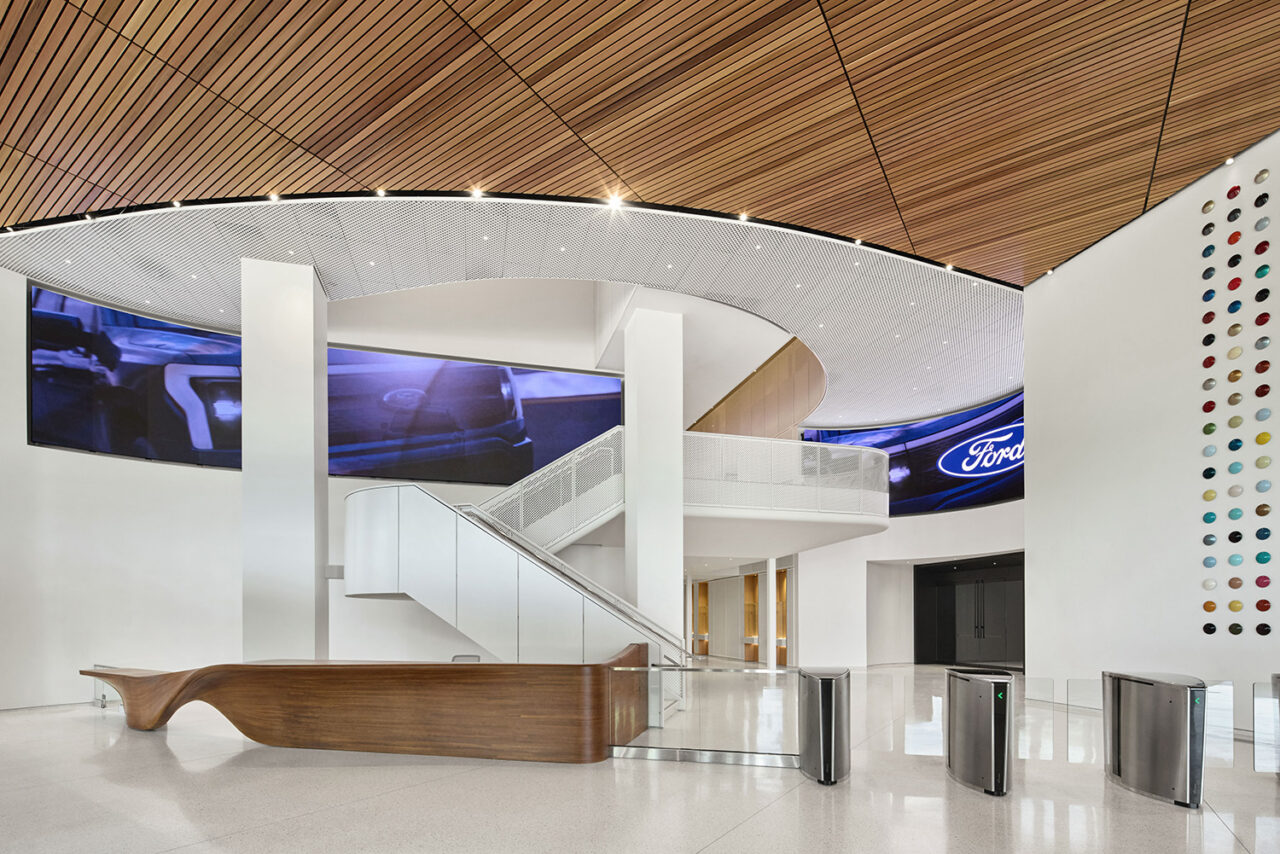
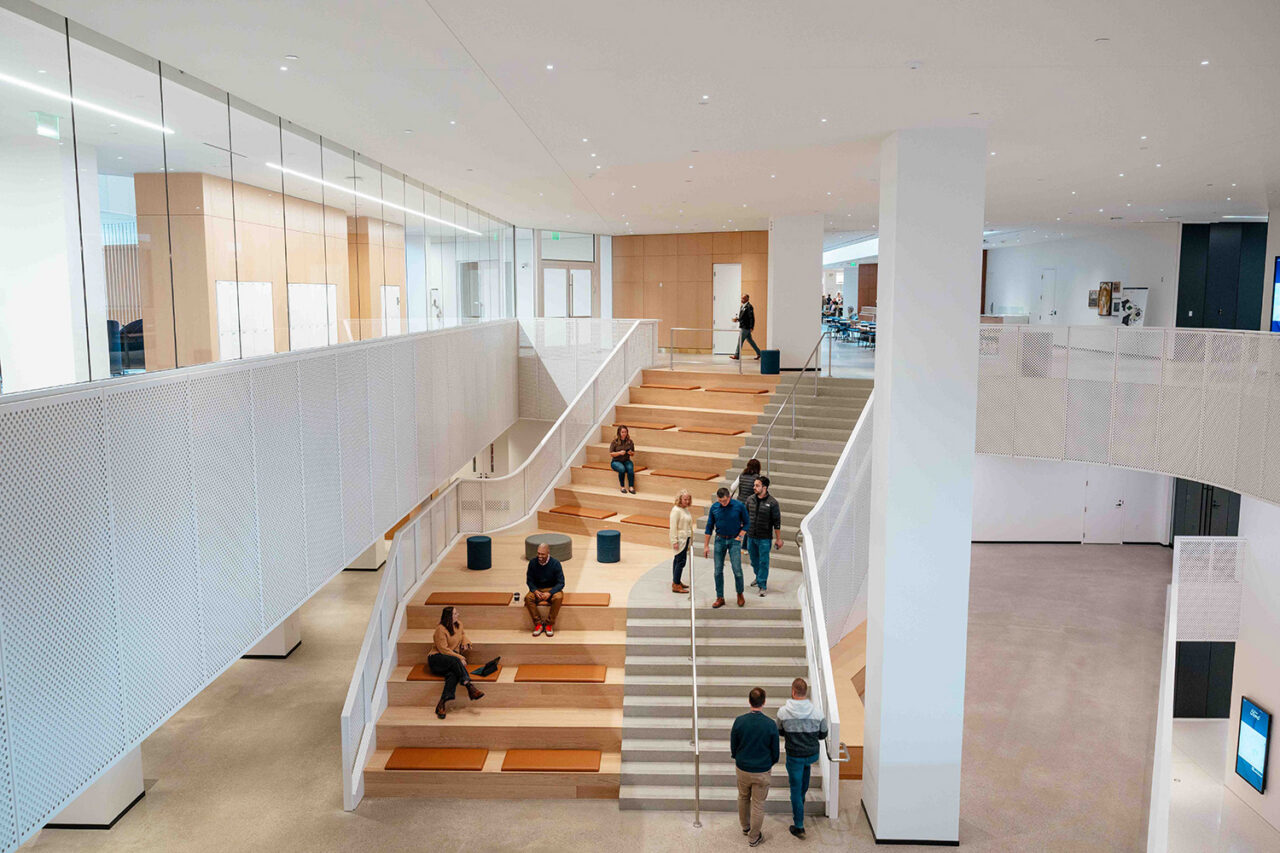
Situated within the heart of the Research & Engineering (R&E) Campus in Dearborn, Michigan, the new Central Campus Building at the new Ford World Headquarters designed by Snøhetta, has replaced SOM’s Glass House as the company’s main hub. The building houses 4,000 employees including executives, product developers, and engineers. Based on a simple plan with interstitial courtyards, the building creates connections across floors, opening to daylight and minimizing travel distances while connecting employees together. Clad in glass, the 2.1-million-square-foot, four-story facility contains six design studios and a large design showroom that allows for a full product review in a single space for the first time—including garages, fabrication shops, conference rooms, individual workspace, open concept collaboration space, three tech-enabled courtyards, wellness rooms, mothers’ rooms, a 160,000-square-foot food hall featuring seven different restaurants, and 12 acres of green space. To balance privacy and natural light, a frit pattern for the façade derived from vector fields of air flow over automobiles, was designed. The new headquarters is designed to be a Net-Zero Energy Building, supported by 100% renewable electricity from the campus’s Central Energy Plant. The new building is the result of Ford’s three-year master planning process, to expand Ford’s core business of automotive manufacturing. Ford plans to demolish the Glass House, which served as the company’s headquarters since 1956, by the end of 2027 or mid-2028, and is said to be considering turning the site into a park.
New Luxury Residential Tower Opens in Seattle
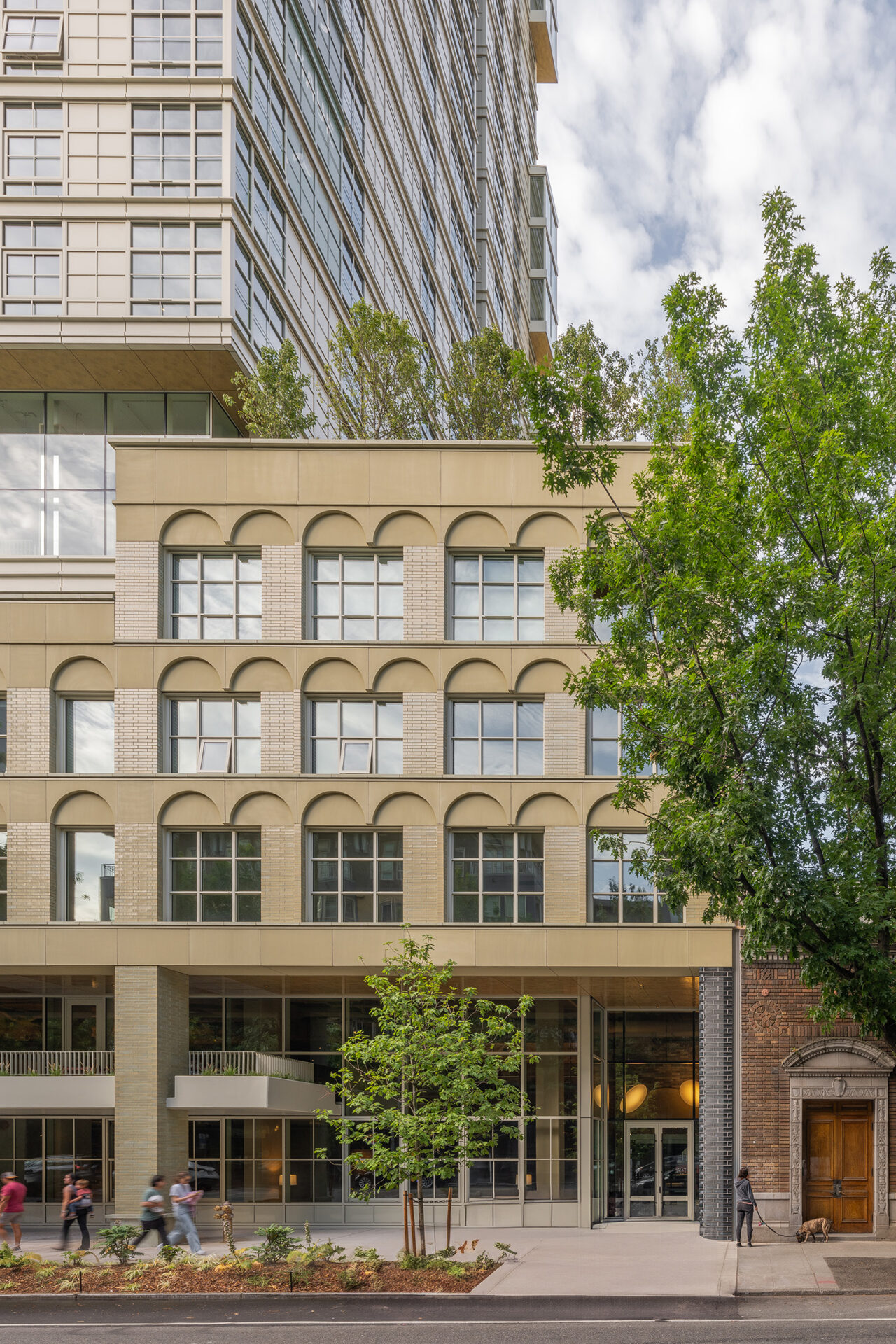
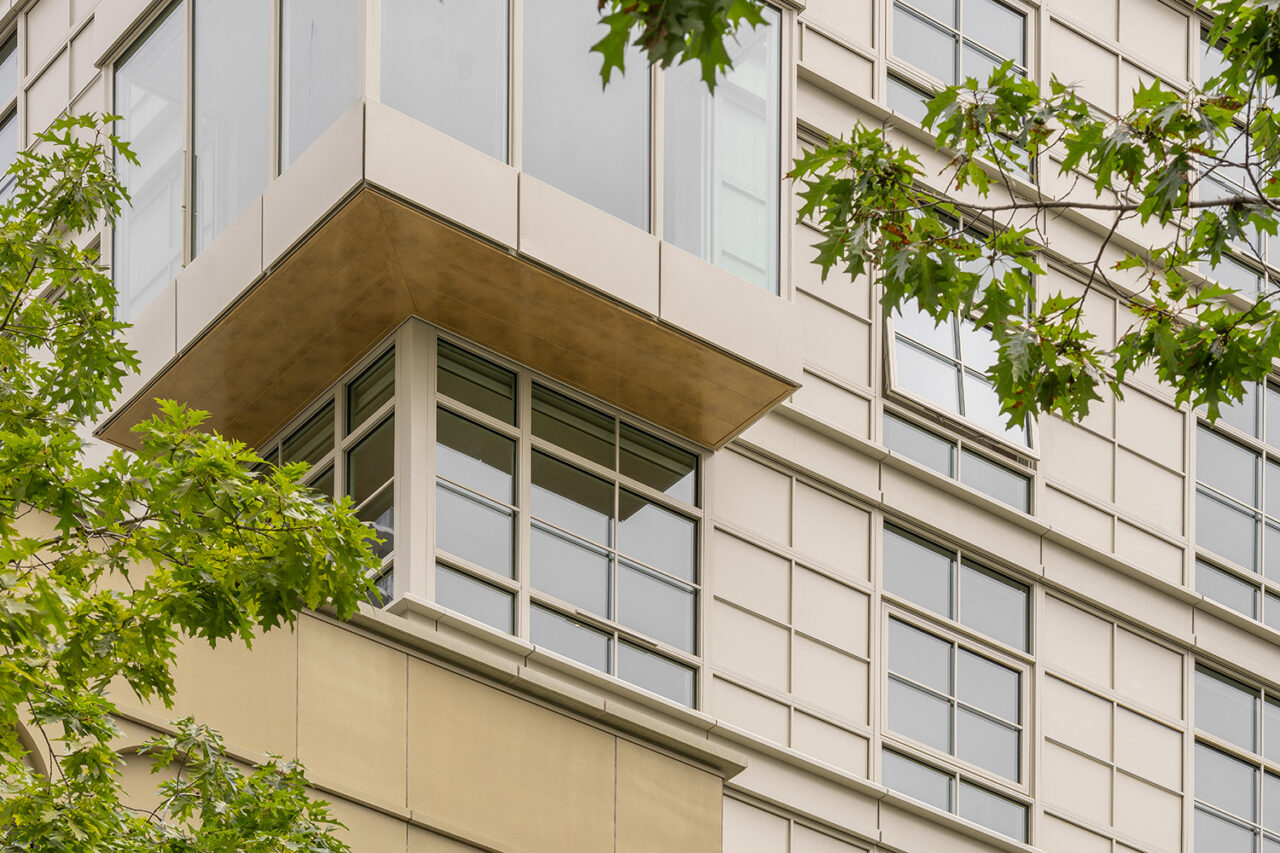
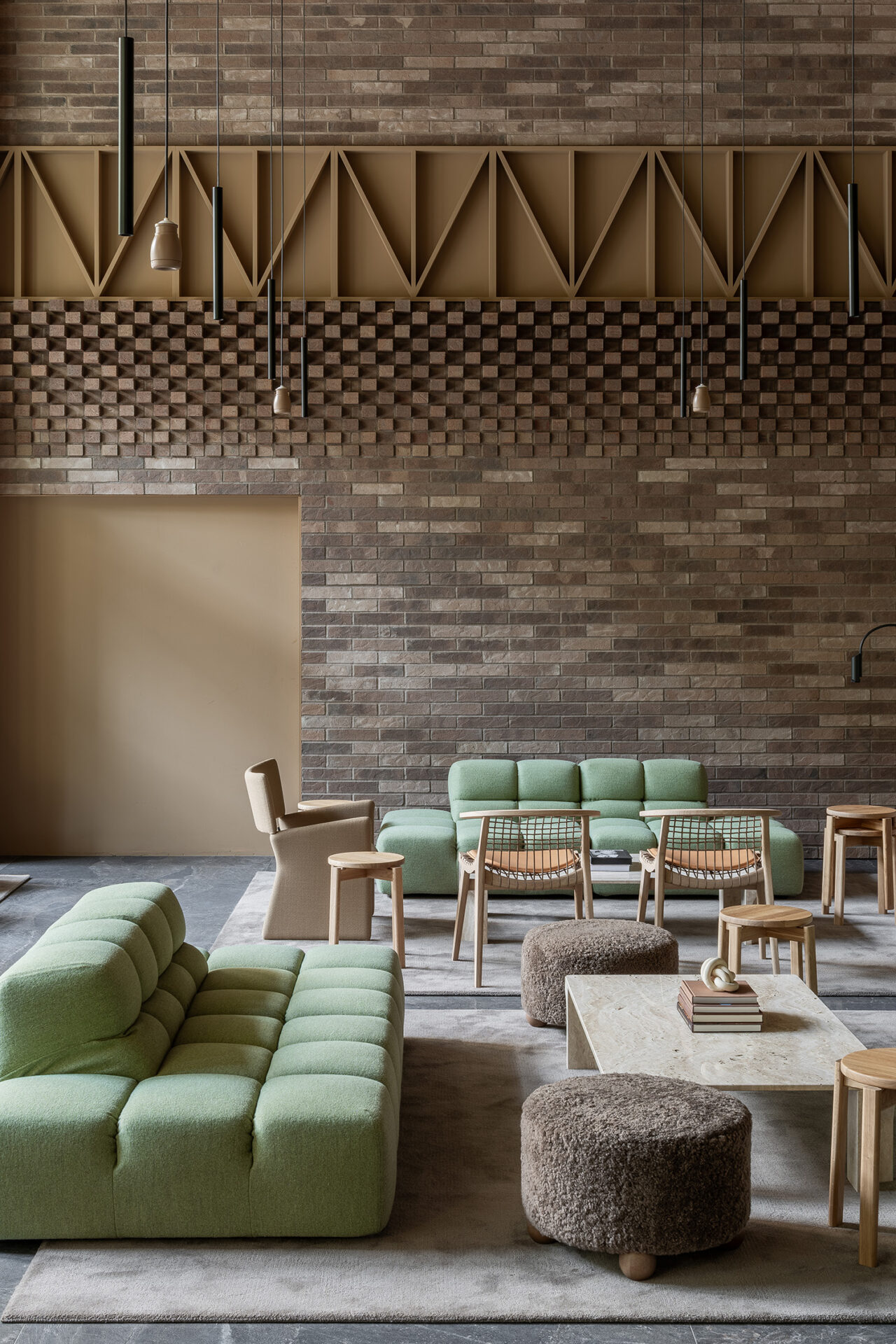
Kaye, a new 31-story mixed-use building in the Belltown section of Seattle, has been completed by Grzywinski+Pons, who designed the building and all of the interiors, in addition to much of the furniture like the built-ins in the residential units. The 378,000-square-foot project is in a neighborhood where new high-rise developments are sited next to the architectural remnants of the area’s maritime and light-industrial heritage. The building contains 324 luxury apartments, ranging from studios to two-bedrooms, hospitality-grade amenities on a few floors, a co-working space on the mezzanine, commercial space at grade, and multiple rooftop decks. The double-height ground floor, setback behind the colonnade of brick and cast stone, is fronted by a glass storefront featuring an integral pony wall, operable sash windows, and a stone-clad entry vestibule. Behind an operable glass storefront is a “great hall” where an onyx-clad stair leads residents to the amenity spaces on the mezzanine. The rest of the six-story base is clad in sage-hued, glazed Roman brick. The building’s public spaces are composed of warm, resilient materials including stone floors, masonry walls, and timber tambour panels, furnished with sofas, banquettes, and overstuffed chairs. Some of the units in the 25-story glass and aluminum tower above feature projected volumes or “sky lounges.” Some units offer 270-degree views, opening sightlines west to Elliott Bay, north to the Space Needle, and east to Lake Union from a single room. The project was developed by Skanska USA and Perkins Eastman served as the architect-of-record.
Artist Studio and Residence Takes Shape in Dutchess County
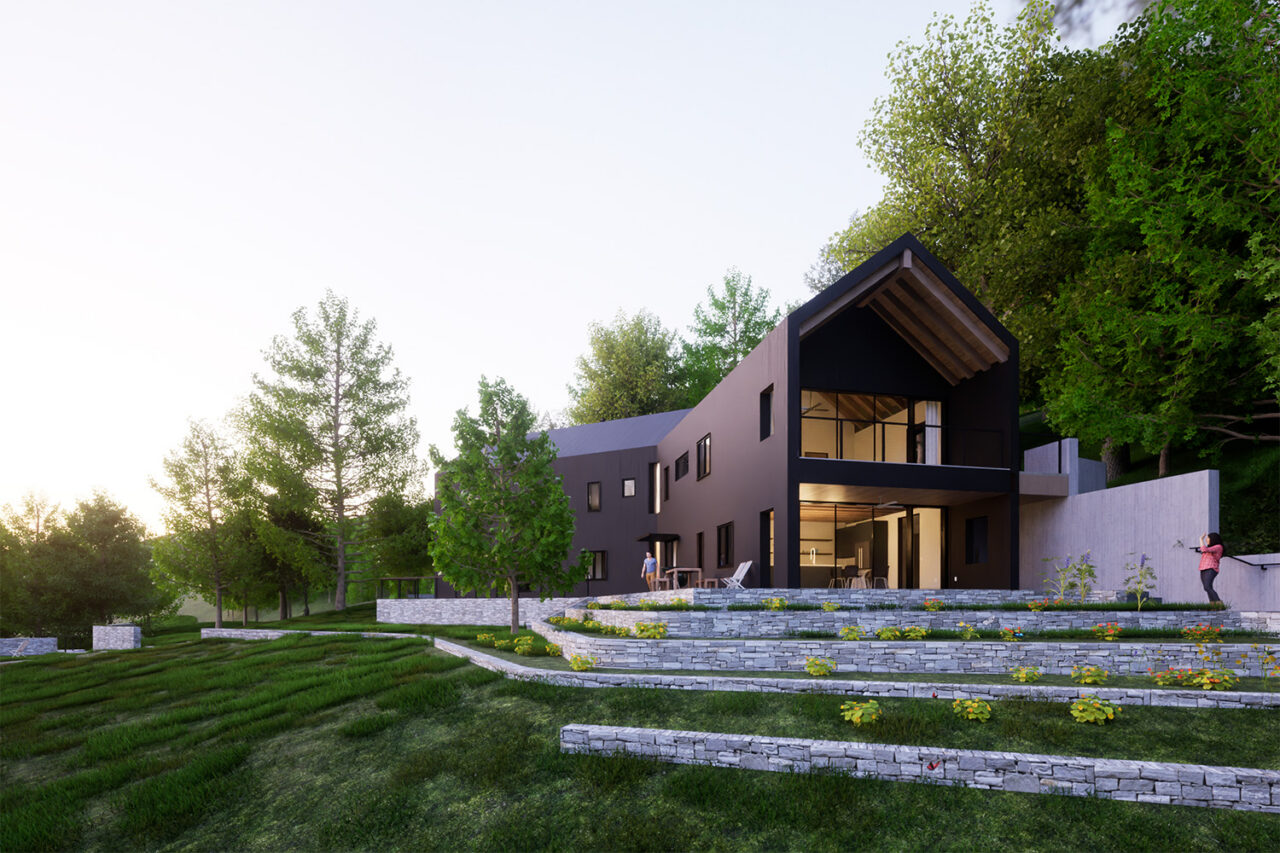
Surrounded by forested hills and woodlands in Dutchess County, Marble Fairbanks is designing a 6,400-square-foot one-bedroom house and studio for an artist. Central to the design of the two-story home was a commitment to stewardship of the natural environment which drove the selection of materials and building systems that meet rigorous sustainability goals. The building materials and spaces selected also reflect the owner’s interest in the ways that paint articulates light, space, weight, and form. Currently in construction, the house features photovoltaic panels for energy generation, a geothermal heating and cooling system, and a green roof. The house is wedged into the south-facing hillside with exposed, concrete-retaining walls that extend from the landscape to the interior of the house. Shou Sugi Ban wood siding and thermally modified wood siding on the attached garage façade complement the board-formed walls throughout the exterior of the site. On the interior, primary finishes include locally sourced wood for both structure and finishes, concrete, stone, and wood floors. The fireplace masonry has been completed with Basalt and Lake George Granite stone, creating a warm focal point for the home. Reclaimed heart pine wood flooring and terrazzo tile have been installed on the floors, while strategically placed skylights throughout the interior gallery ceilings bring warmth and natural light into the house.
Public Art Installation Lights Up in Downtown Brooklyn
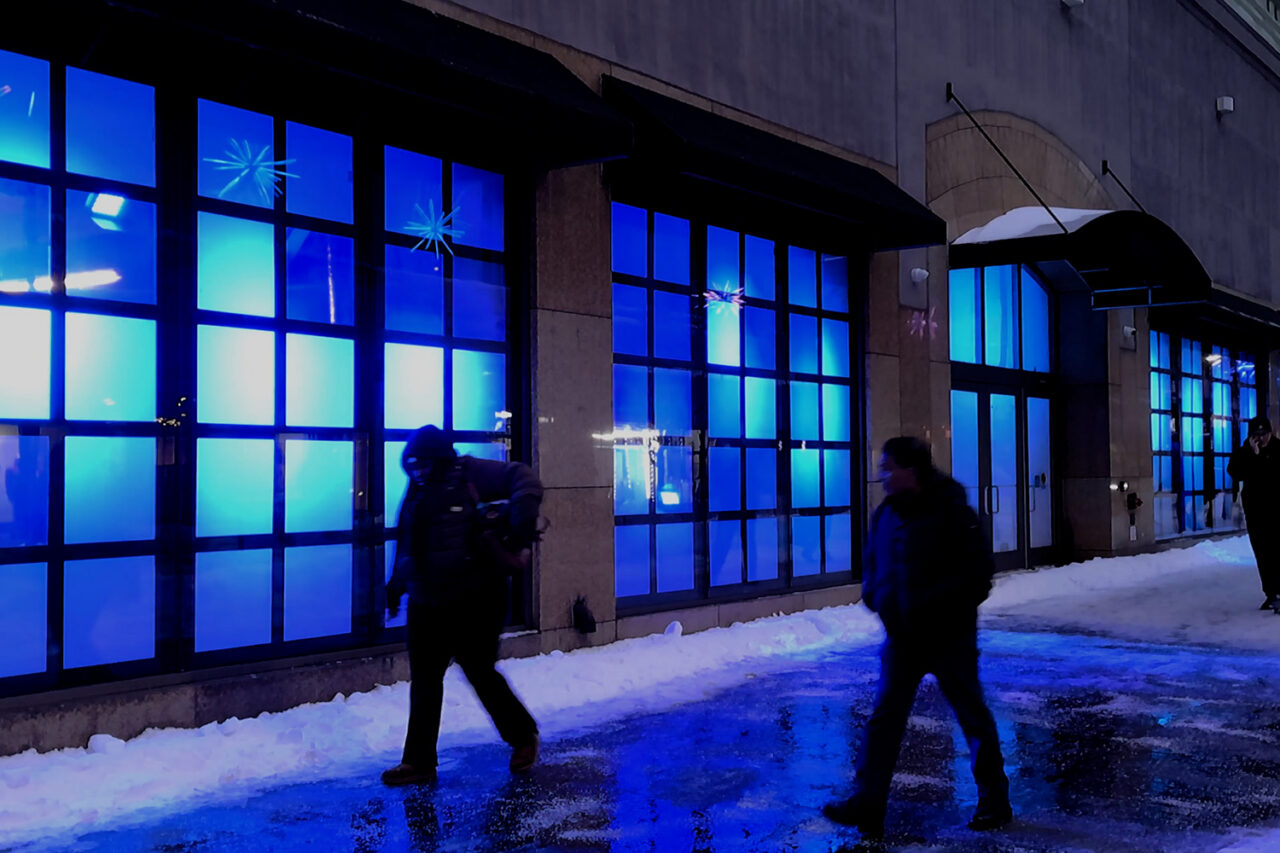
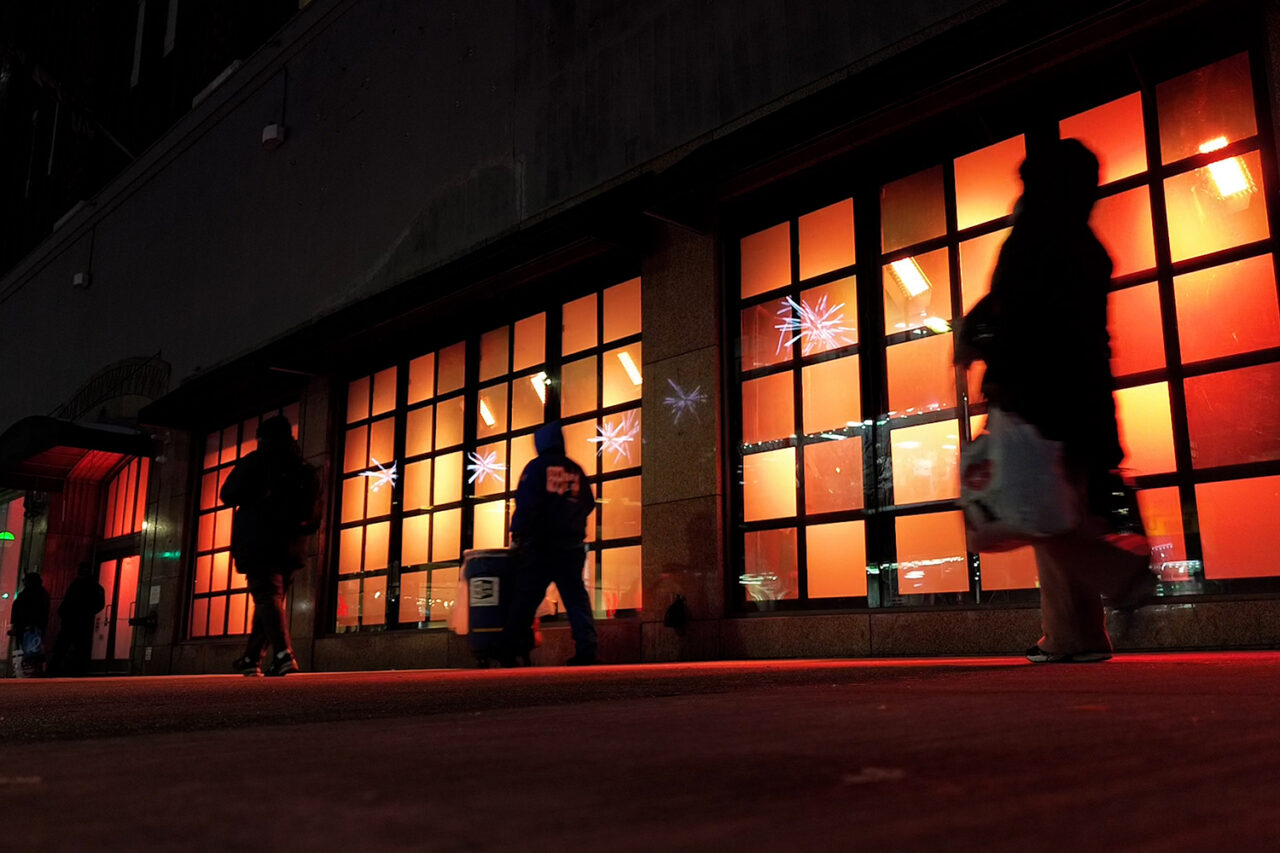
MASARY Studios, a transdisciplinary artist collective has designed In Every Transition, A Pattern, a close to block-long light art installation on view at 422 Fulton Street through March 16. The name alludes to the cycles present in urban evolutions, architecture, occupancy, and vacancy. Commissioned by the Downtown Brooklyn Partnership, the installation activates the storefront windows of the former Macys along the Fulton Mall in Downtown Brooklyn. A structure located in the interior of the storefront generates shifting tile geometries, color, and movement, creating an evolving rhythmic kaleidoscopic pattern of colors on the windows and on the sidewalk. Four different color palettes are available and are programmed to change weekly. The recordings capture everyday goings on in Downtown Brooklyn including conversions, traffic, crosswalk signals, subway noise, music, and even pigeons, to create a fixed score that controls the sequence of the patterns of light. The installation is constructed of marine plywood, acrylic, electronics, mechanical relays, architectural lighting, and liquid crystal privacy film developed by Innovative Glass specifically for use in the installation’s acrylic panels. The project was fabricated at JayWalk Studio and was assembled onsite. MASARY Studios, whose installation Patterned Behavior is currently lighting Union Square, was selected for the project via an invited design competition. This project was funded by the NYC Department of Small Business Services (SBS) through its Public Realm Grant program, which empowers community-based organizations to activate commercial corridors in the evening and help address nighttime safety concerns, celebrate local commerce and culture.
In Case You Missed It…
The Department of Housing Preservation and Development (HPD) announced that The Powerhouse, a new 70,505-square-foot mixed-use development located on a city-owned vacant lot at 351 Powers Avenue in the Mott Haven section of the Bronx will become the first to use the Expedited Land Use Review Process, dubbed “ELURP,” an expedited process that cuts the length and layers of reviews for projects to be approved. The eight-story project is designed by STAT Architecture will contain with 84 affordable units, a community theater, and a workforce development training center. Voters approved ballot measures last year that will enable the city’s housing agency to seek project approval within 90 days.
The New York City Economic Development Corporation (NYCEDC) selected the design-build team of TenBerke and Consigli Construction to renovate the Abe Stark Sports Center in Coney Island. The renovation is a component of the city’s larger investment in the area which also includes the construction of 1,500 new homes and the renovation of the Riegelmann Boardwalk. Tilyou Towers, designed by IMC Architecture will yield 500 units on an 80,000-square-foot lot adjacent to the sports center. In addition, Mayor Mamdani signed the certificate of incorporation creating a new Business Improvement District in Coney Island.
After years of starts and stops, plans for The Centre Pompidou x Jersey City, which would been the French institution’s first North American outpost, have gotten the kibosh. Announced in 2021, the OMA-designed museum was first to open in a 109-year-old commercial building in Journal Square, but later was proposed to be in an arts hub in a skyscraper, until the State of New Jersey decided for economic reasons not to support the project.
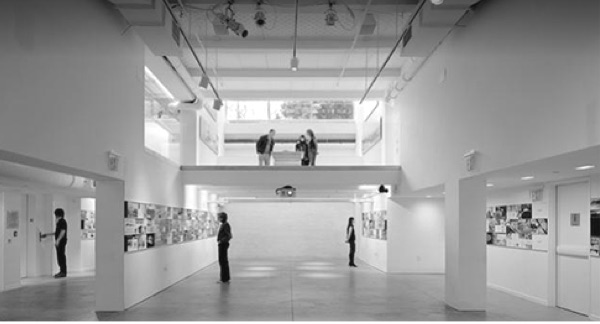
The National Academy of Design, in partnership with Büro Koray Duman Architects, has designed Future Schools, a 200th-anniversary project exploring alternative art education models on view through August 22. The gallery has been transformed into an active pedagogical environment that is part working classroom, part symposium space for public dialogue, and part archive of past and present educational experiments. Bringing together artists, educators, and cultural visionaries, the project reimagines how art can teach, challenge, and transform the ways we learn together.