





by: Linda G. Miller



Inwood’s Harlem River Waterfront to Gain 600+ Affordable Homes, STEM Center, and Public Green Space
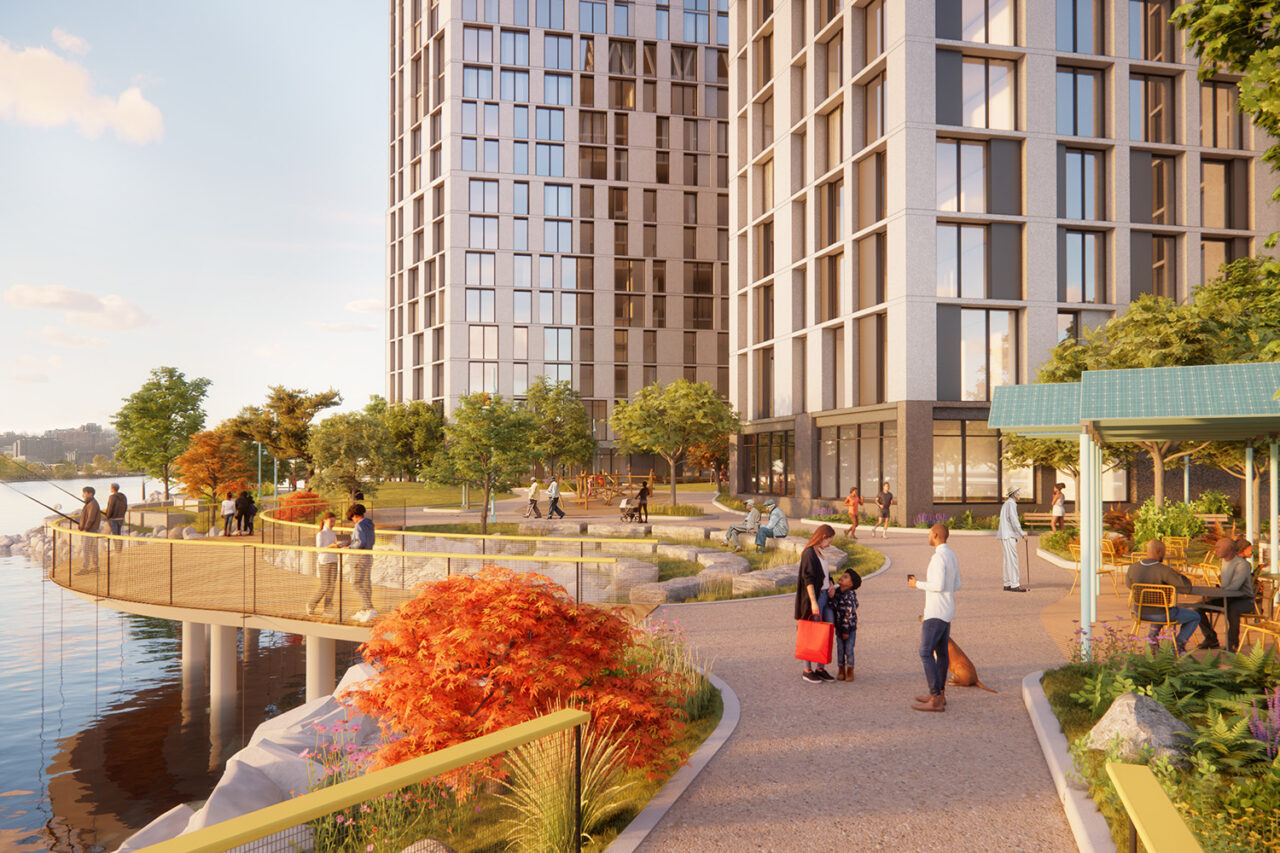
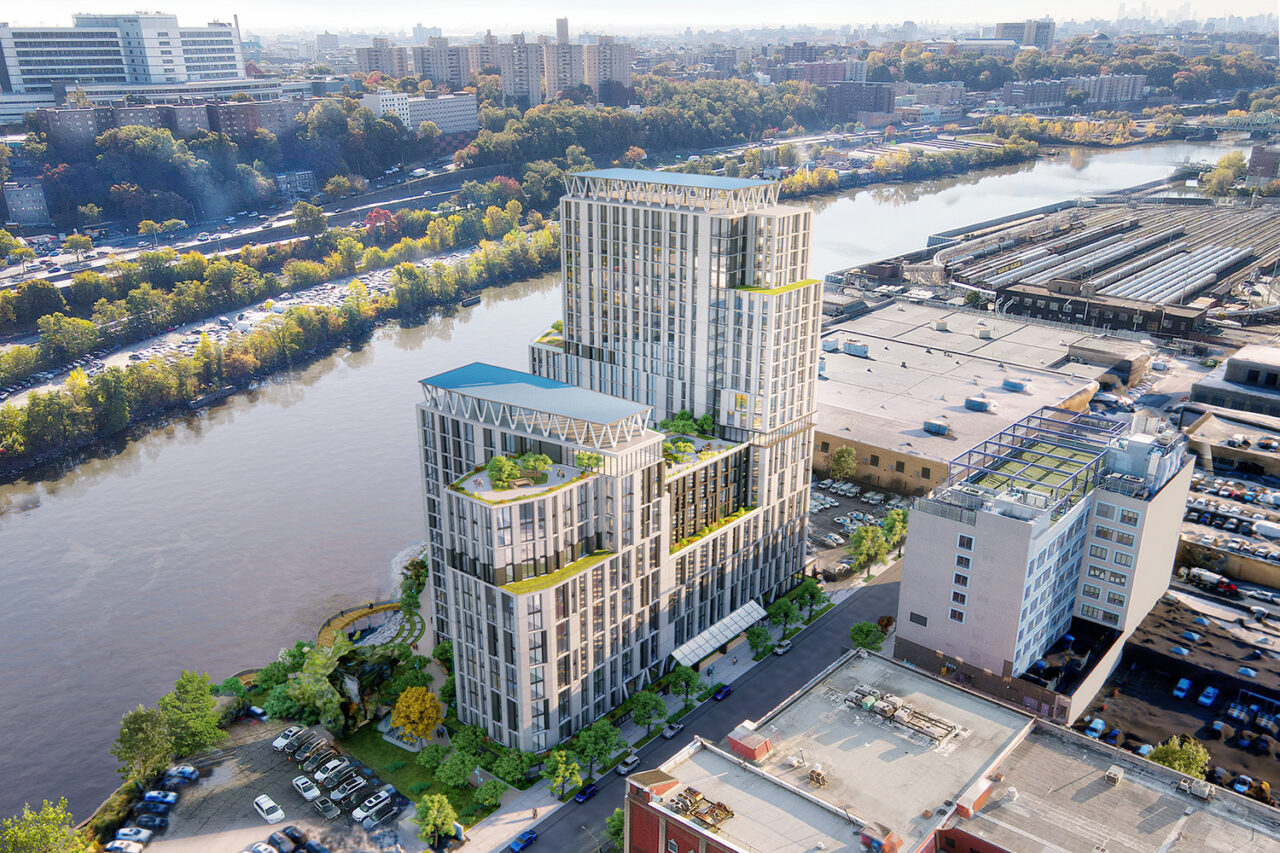
A city-owned vacant site on the Harlem River waterfront in the Inwood section of Manhattan will be transformed into a new mixed-use development containing over 600 units of affordable housing for low-income and senior New Yorkers plus supportive social services. Designed by Magnusson Architecture and Planning (MAP), La Ostra, “The Oyster” in Spanish, consists of a 15- and a 25-story tower plus a connecting volume, featuring landscaped terrace space spread across multiple floors and flat roofs with photovoltaic canopies. The project also contains a marine science and STEM education center operated by the Billion Oyster Project and BioBus. The development team of Slate Property Group, Xenolith Partners, and Comunilife was selected by the NYC Department of Housing Preservation and Development (HPD) after extensive community engagement and a months-long competitive review process. The plan for the site was informed by the Inwood 9th Avenue Community Visioning Report and the goals outlined in the Request for Proposals (RFP); it responds to community needs for deeply affordable housing for families and seniors, an engaging marine-focused science hub tied to the Harlem River, new commercial space, and access to the waterfront. That said, the project also includes a new indoor-outdoor field house and nearly one acre of publicly accessible waterfront space along the river. Proposed facilities include an outdoor classroom, a pavilion with a large seating area with movable furniture, a large central lawn, and a stone amphitheater.
The New York Historical, New York’s first museum, announced the Robert A.M. Stern architects (RAMSA)-designed Tang Wing for Democracy will open on June 18, 2026, in time for the celebration of America’s 250th anniversary. The five-story structure on West 76th adds 71,000 square feet of new and renovation space, completing the institution’s architectural complex on Central Park West. The façade of the wing is constructed of granite excavated from the same Maine quarry that provided the stone for the existing York & Sawyer 1908 building, with additions by Walker & Gilette in 1938, creating a seamless transition from the existing building. The new wing is crowned with a copper acroteria similar to the one on the original building, and the energy-efficient windows are clad in bronze and designed to filter direct sunlight through specialty Okalux glazing so that artworks are protected from potentially damaging UV light. Many of the sustainably sourced building materials, including terrazzo, mosaic tiles, as well as Tennessee marble, carry through from the old to the new.
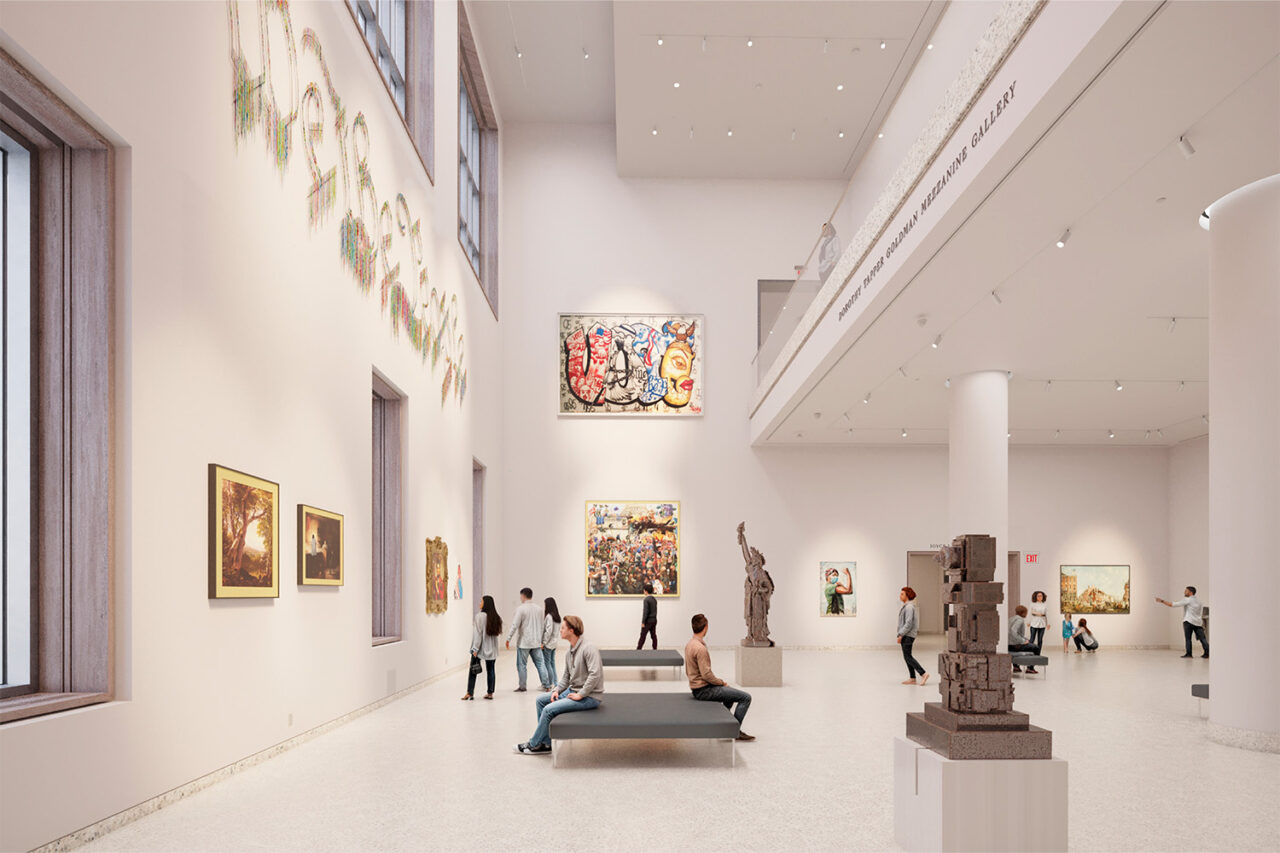
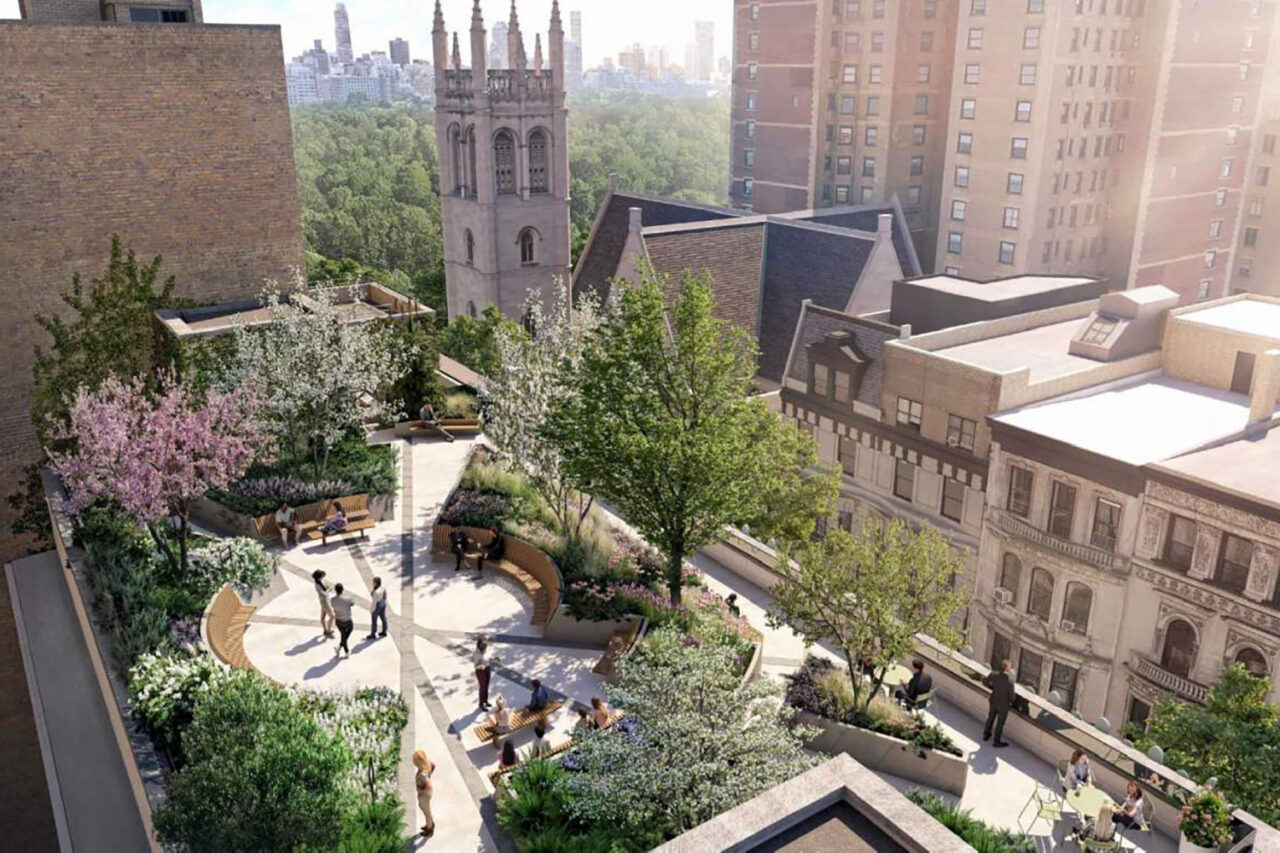
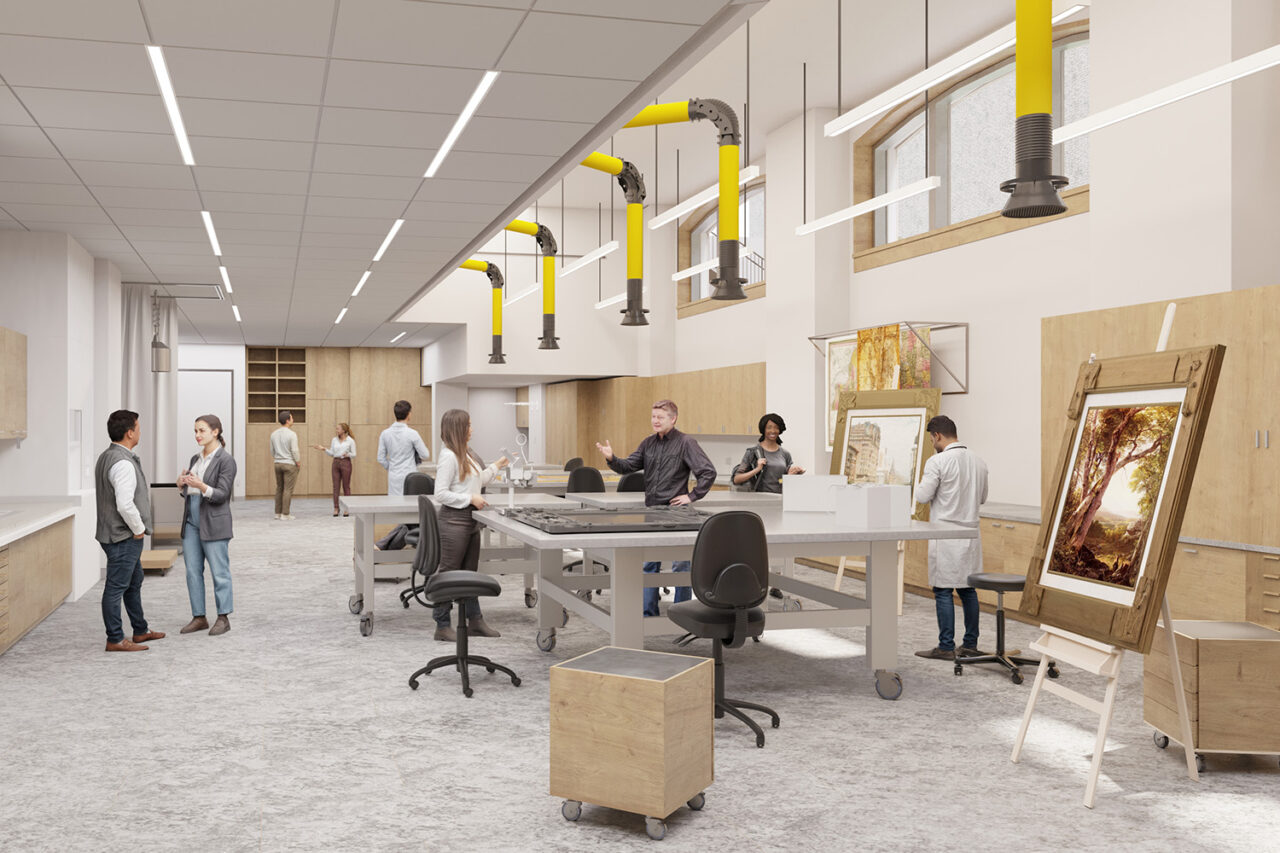
In addition to providing new galleries, the expansion will provide The Historical with expanded space for its educational programs as well as storage and conservation space. A new exhibition hall, The Klingenstein Family Gallery, will showcase monumental works of art and serve as a multipurpose venue for special events. Located on the wing’s ground floor, it’s a nearly triple-height space where it faces 76th Street. Bronze-clad windows look out toward the street. Across the room, windows face toward a new 3,200-square-foot sculpture garden that will feature sculptures from the Museum’s collection as well as provide a green space for patrons and students. The expansion features two 800-square-foot classrooms will provide a new home for the educational initiative, Academy for American Democracy. Vitrines along the hallway just outside the classrooms will feature curated objects from the Museum’s extensive collections. The 200-square-foot Sid and Ruth Lapidus Reading Room will provide scholars with reserved access to the extensive and diverse collections within The Historical’s Patricia D. Klingenstein Library, which holds millions of items, including rare copies of our nation’s foundational documents. The renovated library stack storage tower will allow for the rehousing of a substantial part of the collections, now offsite. Totaling 2,500 square feet and located on the building’s lower level, the conservation studio is designed to provide ample indirect natural light, advanced ventilation, and the most advanced equipment for in-house conservation team, consulting specialists, and conservators in training. A rooftop garden designed by Nelson Byrd Woltz incorporates a variety of Indigenous plantings while providing spaces for quiet contemplation and small gatherings as well as views of the Park. Opening in late 2027, the American LGBTQ+ Museum’s home on the fourth floor of the new wing will include two galleries totaling 4,500 square feet with access to a new roof garden.
Chelsea’s Terminal Warehouse Undergoes Adaptive Reuse Project
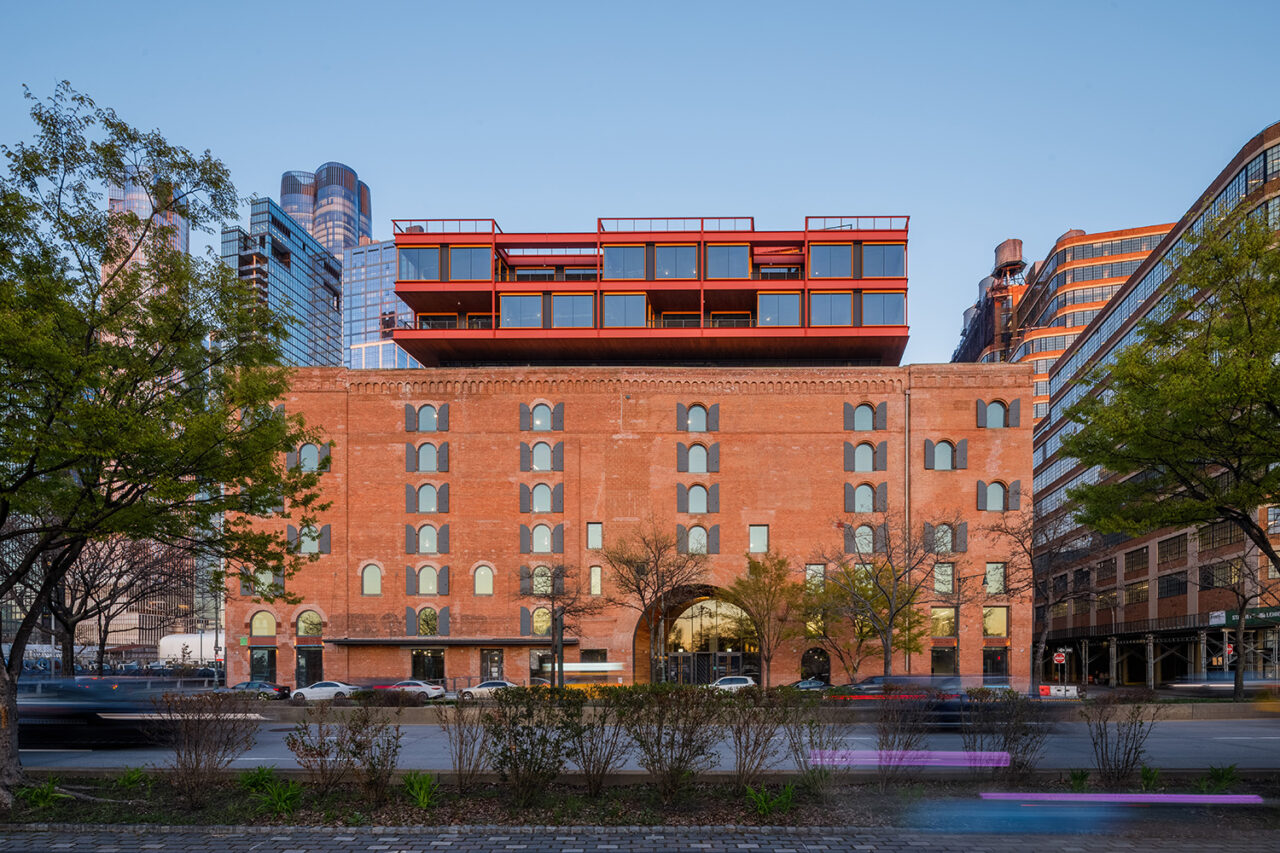
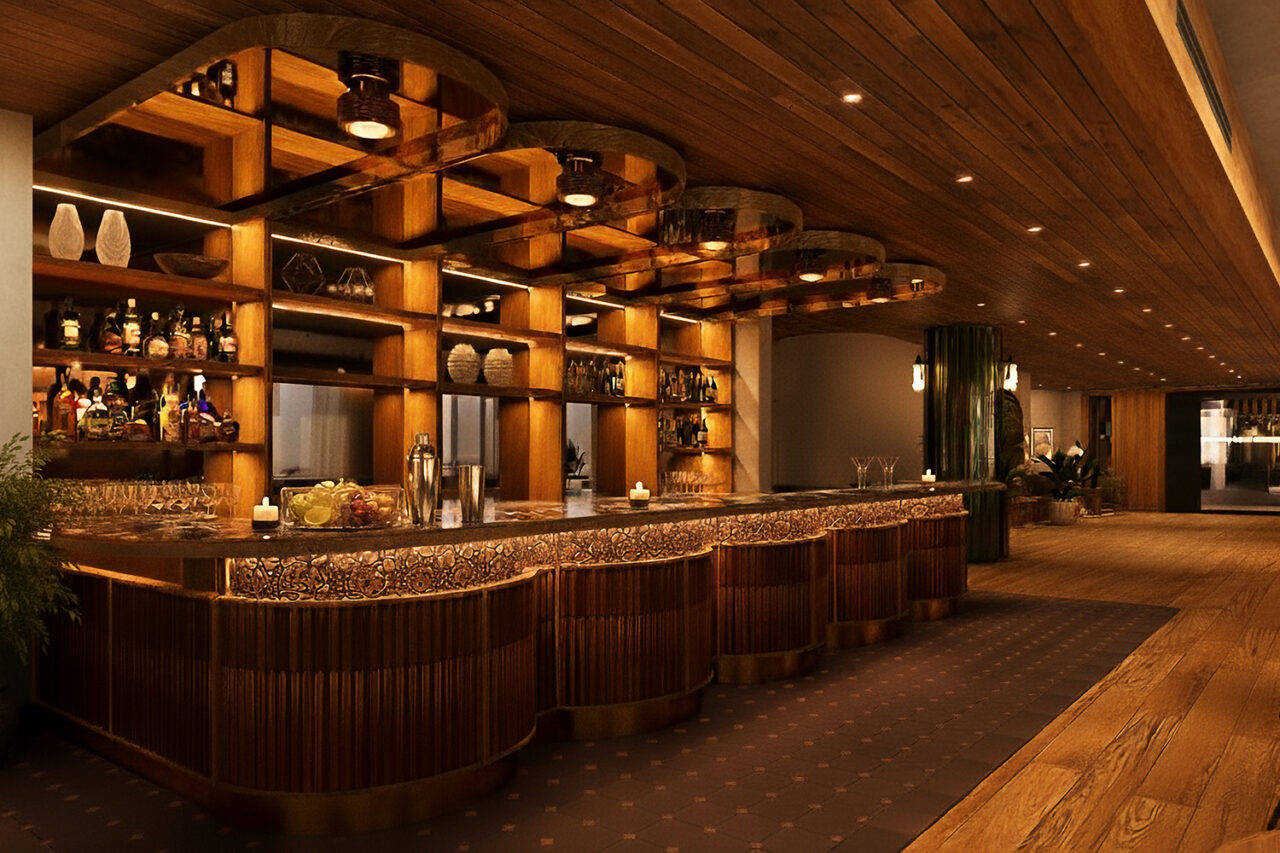
Currently in construction, the historic, 1.3-million-square-foot, nearly 135-year-old landmarked Terminal Warehouse, in West Chelsea, is being adaptively reused by COOKFOX Architects into a mixed-use destination. The transformation preserves the building’s historic character as one of the city’s first major industrial sites. Upon completion, the project will contain a six-story addition on top for a total of 12 floors of office, retail, and hospitality space surrounding a landscaped central courtyard that will bring natural light into the building. In addition, more than two dozen private terraces contribute nearly 2.5 acres of outdoor and green space throughout the development. Located in the building’s northwest corner at 12th Avenue and West 28th Street, accessed via the warehouse’s famed tunnel, The Mallory is a new events space managed by Convene Hospitality Group, the largest single provider of non-hotel meeting and event venues in the U.S. and the UK. It will occupy 50,000 square feet across three floors when it opens in the fall of 2026. Named for the building’s original architect George Mallory, the venue will offer flexible spaces that can host small to large-scale social, cultural, and experiential events for up to 550 guests. The space includes a reception lounge with a 25-foot bar, a grand event hall, VIP green room suites, and a gallery with movable walls, highlighted by preserved architectural details including exposed brick, arched windows, boxcar doors, and timber beams. Designed for high-production, experiential, and immersive events, the Mallory will feature an on-site commercial-grade catering kitchen, production rigging with a motorized truss, and integrated technology, including theatrical lighting, flexible 4K projection, and a custom point-source speaker system. Terminal Warehouse once served as a transfer point for goods crossing the Hudson; it later gained fame as the site of the Tunnel nightclub in the 1980s, and most recently, was used as a self-storage facility. The Landmarks Preservation Commission (LPC) approved COOKFOX’s design in January 2020. The building is being developed by a joint venture of Columbia Property Trust, L&L Holding Company, and Cannon Hill Capital Partners.
Detroit Riverfront Conservancy Opens Ralph C. Wilson, Jr. Centennial Park
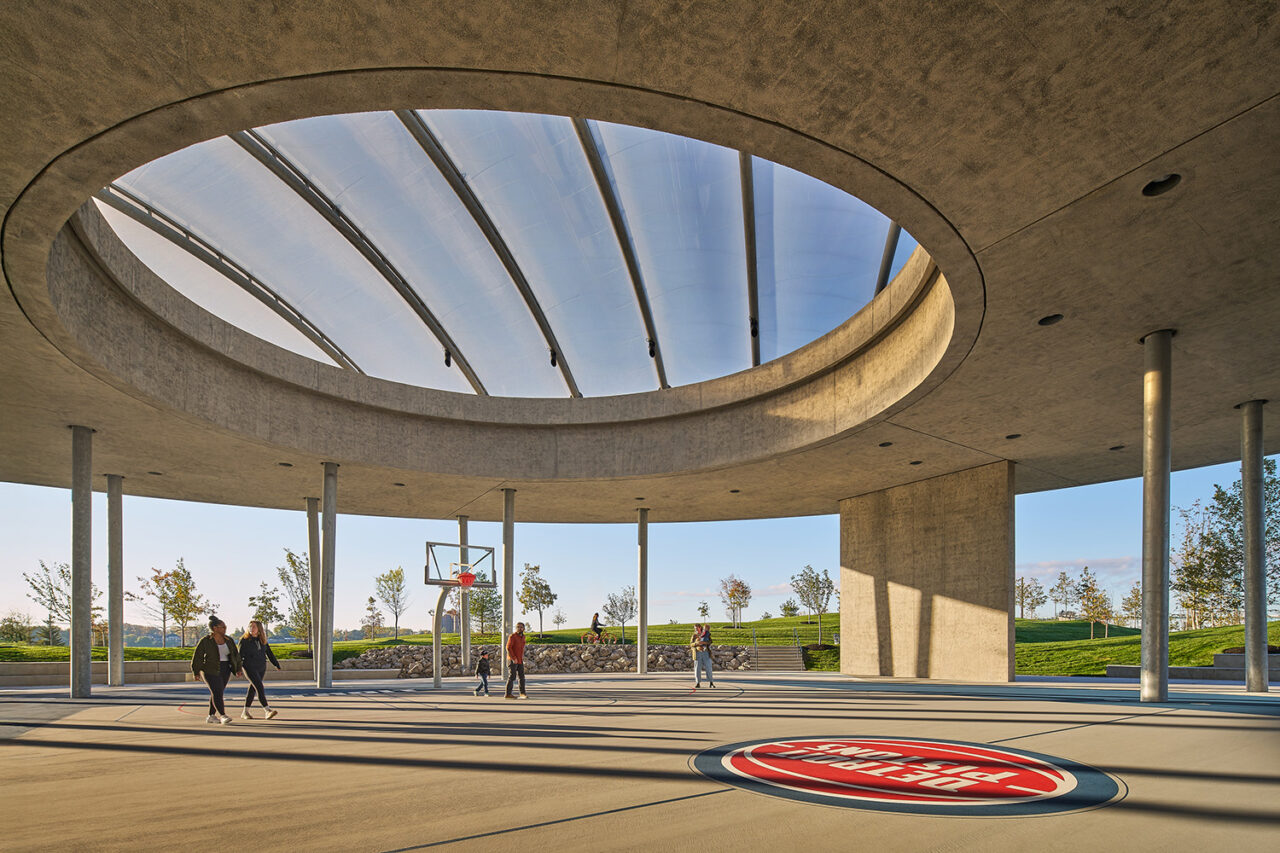
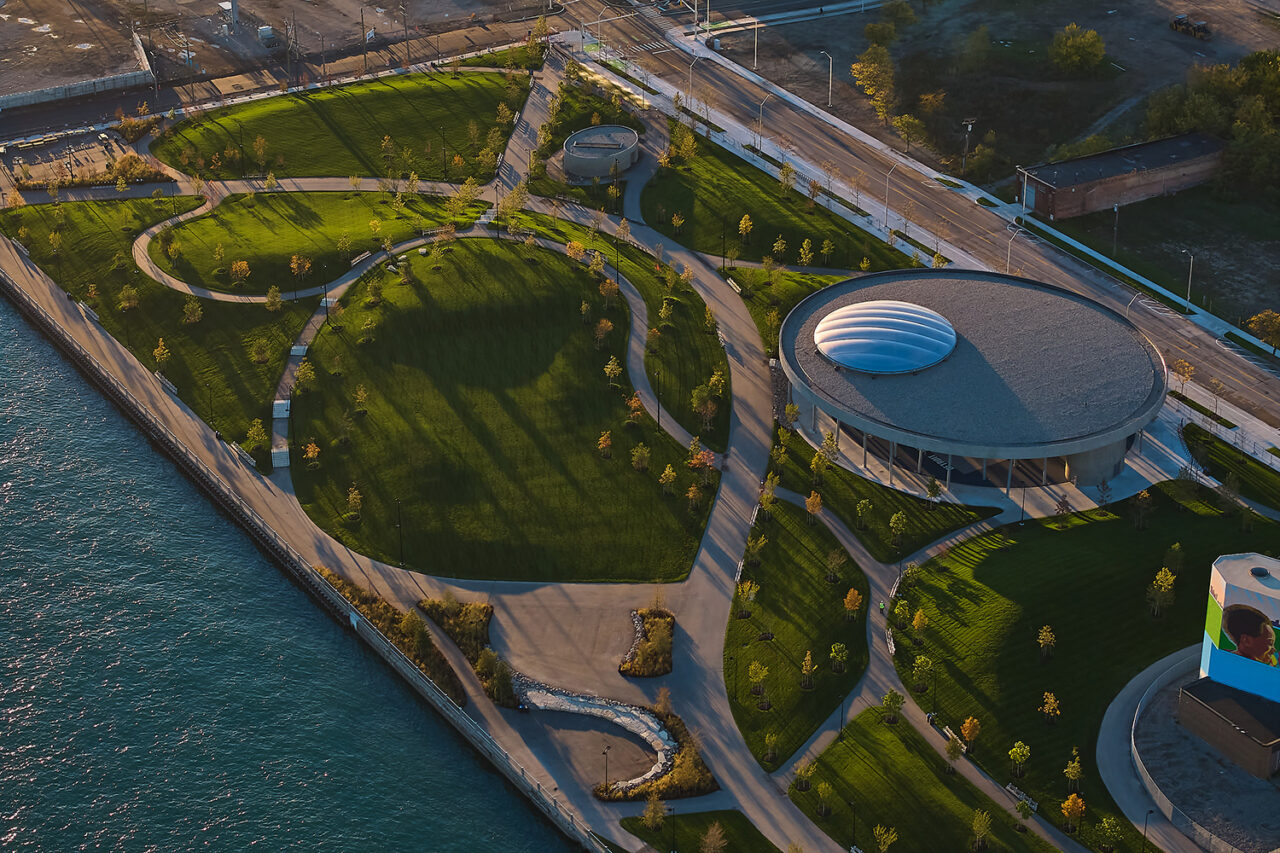
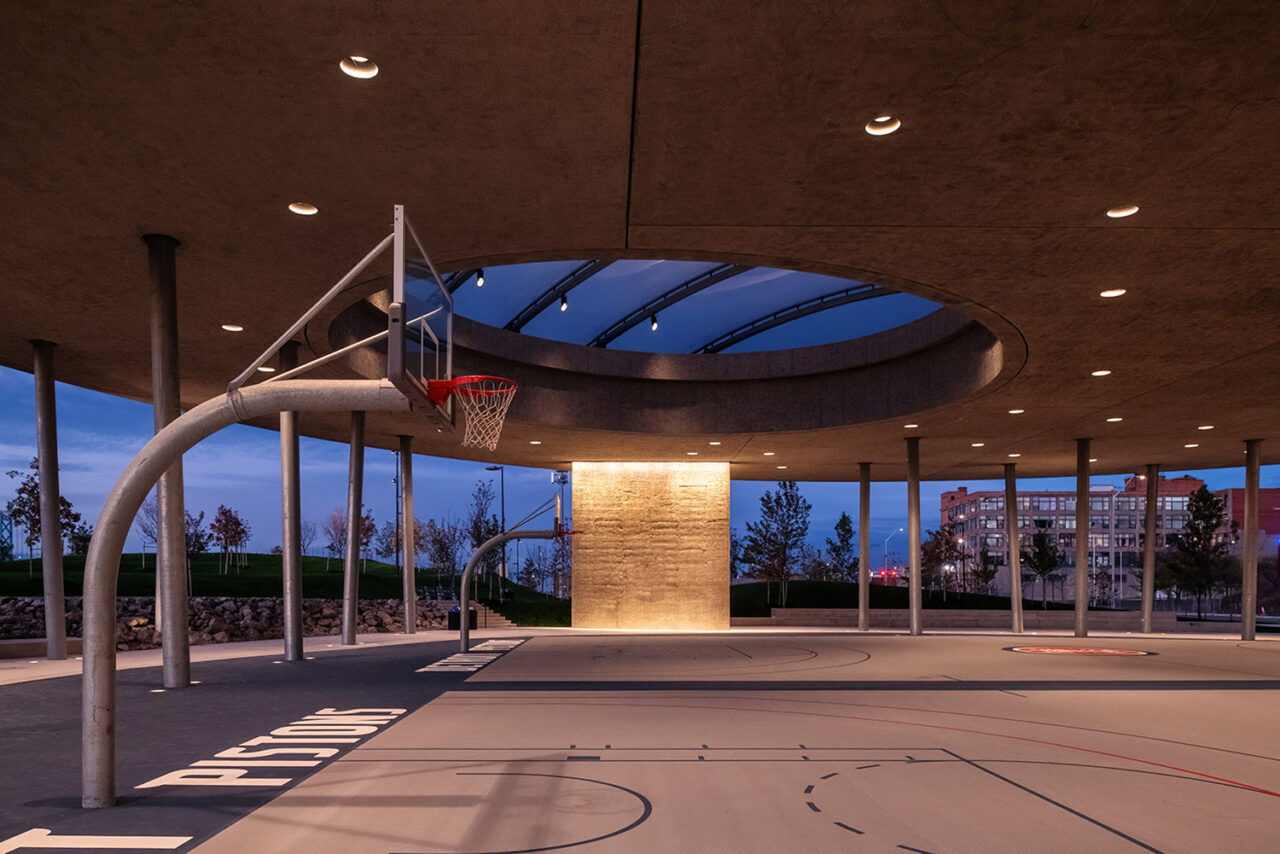
After eight years of planning, design, and construction, the Detroit Riverfront Conservancy has opened the Ralph C. Wilson, Jr. Centennial Park, presenting a new segment of the Detroit Riverwalk (over a quarter of a mile) on land owned by the Michigan Department of Natural Resources. Designed by Michael Van Valkenburgh Associates (MVVA), the new waterfront park has transformed what was once a derelict industrial site into a 22-acre space along the Detroit River divided into four distinct zones. Designed by Adjaye Associates, the William Davidson Sport House, named after the former Detroit Pistons owner and philanthropist, is a 28,000-square-foot concrete and steel structure that houses two basketball courts beneath a sculpted concrete canopy with a 2,000-square-foot skylight. The pavilion’s adaptable enclosure system allows it to shift between open-air and enclosed configurations to accommodate seasonal and programmatic needs. Two comfort pavilions, also designed by Adjaye Associates, provide restrooms and flexible community spaces. The two-acre Huron-Clinton Metroparks Water Garden is the experiential and geographical center of the park. A series of rocky beaches, vegetated edges, preserved sea wall, and freshwater wetlands provides a new and diverse habitat for vegetation, birds, and aquatic wildlife. The Delta Dental Play Garden includes a 20-foot slide inside a massive sculpture of a bear, known as the Berenstein Bear. The bear, and several other pieces of play equipment shaped like giant woodland animals, were designed by the Danish firm Monstrum. The DTE Foundation Summit sits on a large, grassy hill with views of the Ambassador Bridge, and the Gordie Howe International Bridge and can be used to hold events and outdoor play. MVVA and Adjaye Associates and were selected through an international competition organized by the Conservancy and following their selection, engaged in an extensive community engagement process to shape the final design.
DDC’s Design-Build Project, Orchard Beach Parks Facility, Nearly Complete
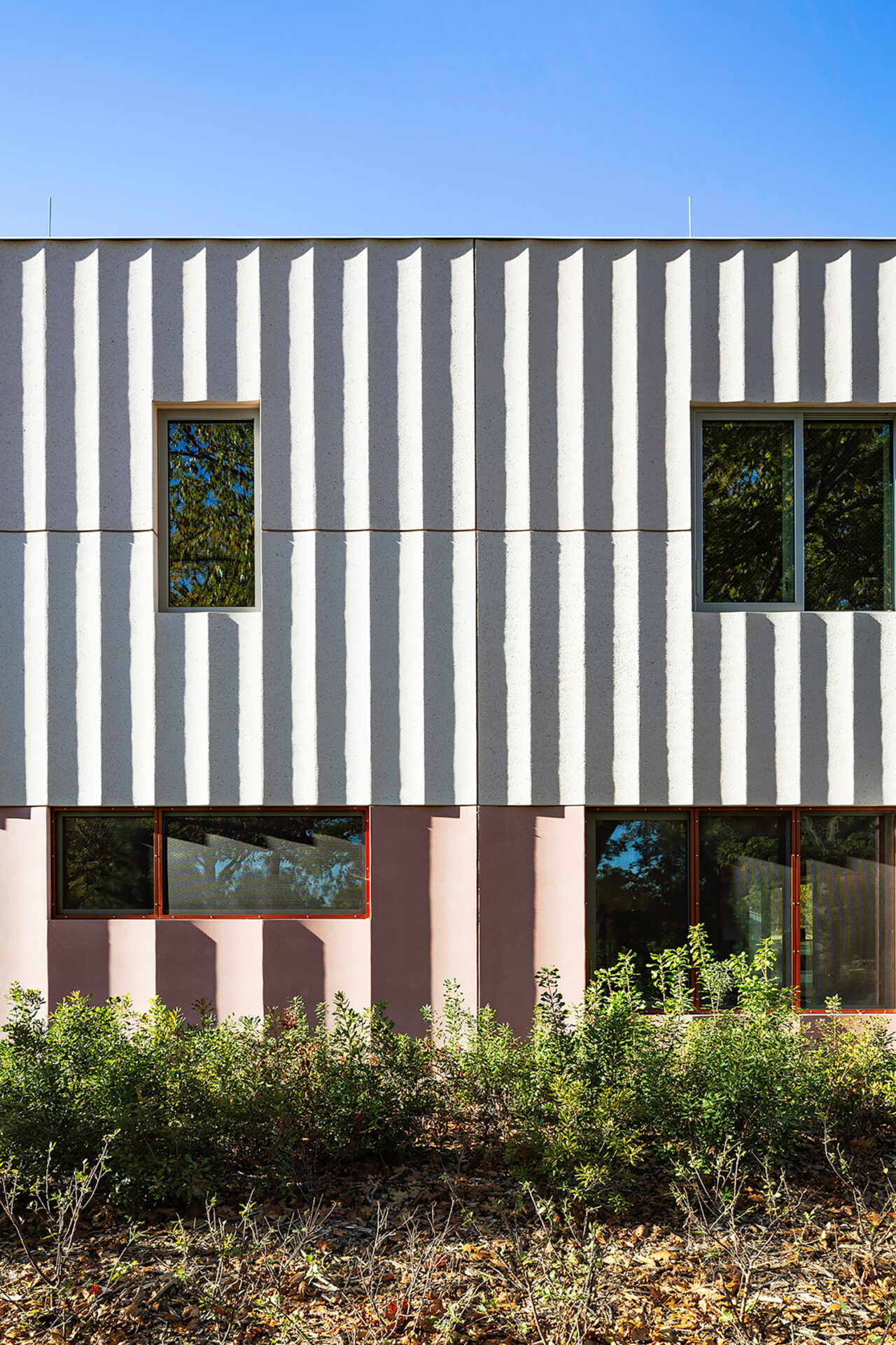
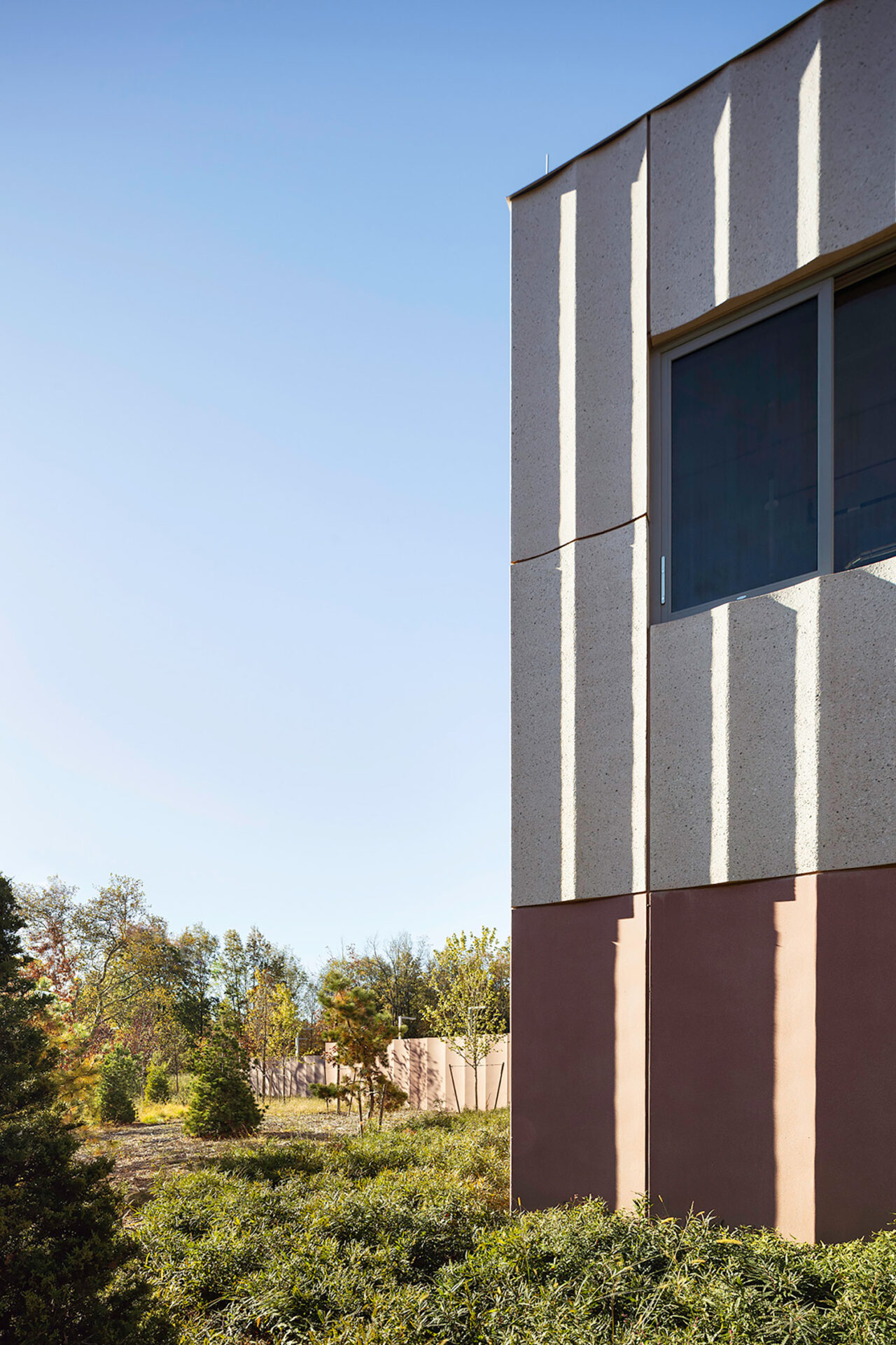
Finishing touches are currently being made on the Orchard Beach Maintenance & Operations Building (M&O) for NYC Parks that facilitates the care of Orchard Beach and greater Pelham Bay Park. Designed by nArchitects, the two-story, 12,000-square-foot building is sited on a woodland hilltop overlooking Orchard Beach and the historic Moses-era Beach Pavilion. Designed to minimize habitat disturbance while offering panoramic views for the grounds, the new facility’s pre-cast concrete cladding evokes the bi-level material datum and scalloped plan of the historic pavilion. These panels include insulation and weatherproofing layers sandwiched between an inner and outer layer of concrete. The inner layers double as the interior finish, minimizing the costs of additional finished layers behind the perimeter walls. The building houses administrative and operational functions for beach staff that adapts to the seasonal cycles of their work, from serving beachgoers in summer to winterizing the sand as colder weather approaches. The facility also supports interagency emergency responses to severe weather events with hurricane-designed construction and full-building generator power. The project includes an approximately 28,000-square-foot maintenance yard, fueling station, ancillary access, and service roads, in addition to a restored woodland habitat with landscaping by W Architecture & Landscape Architecture. The project is one of the first projects arising out of the NYC Department of Design & Construction’s pilot Design-Build Program. The project received a 2024 Public Design Commission (PDC) Award.
In Case You Missed It…
The New York Botanical Garden (NYBG) in the Bronx has selected WEISS/MANFREDI Architecture/Landscape/Urbanism as the lead architect for the Garden’s planned redesign of its Museum Complex and Mosholu Entrance & Welcome Center. With this project, the original 1899 vision for the Museum Complex as the thriving research home of the NYBG science team and a dynamic public space for all to explore the rich and complex world of plants and fungi. The redesigned Museum Complex will include new modern event and exhibition spaces and a new Education Center that will house NYBG’s educational programs and courses. The new Mosholu Entrance & Welcome Center will orient and inform the public as they set out on their NYBG journey. It will feature a reimagined and redesigned Mosholu Entrance, with a dedicated pedestrian entry for those arriving on foot and public transportation, making for a smoother and more accessible experience for Garden visitors.
The new JPMorganChase Tower designed by Foster + Partners at 270 Park Avenue features commissioned works of art. The centerpiece of the new public plaza on Madison Avenue is Maya Lin’s A Parallel Nature, a rock wall installation inspired by the natural bedrock of the city and the rock faces of Central Park. Gerhard Richter’s Color Chase One and Color Chase Two are two large-scale, painted works made with interlocking, hard-angled aluminum shapes that are in the lobby and visible to pedestrians and visitors. Wind Dance by Lord Norman Foster is a 3-D printed column in bronze that serves as a centerpiece in the lobby and is visible from both Madison and Park Avenues. It replicates outdoor airflow to ensure the flag inside moves in harmony with those on the outside. Living Building by Refik Anadol, an ever-moving display of light and movement powered by custom AI models, is located at the elevator banks in the lobby. And at night, Celestial Passage by Leo Villareal illuminates the building’s crown nightly with gently shifting waves of monochromatic light.
For the New Year’s Eve 2026 celebration, a brand-new “Constellation Ball” with 5,280 circular Waterford crystals, advanced LED lighting, and interactive technology will be debuted. Spanning 12.5 feet in diameter and weighing over 12,300 pounds, the ball will be dropped from One Times Square, unoccupied for years, and currently under redevelopment by S9 Architecture. Upon completion, the building will feature a museum covering the history of Times Square and a new cantilevered observation deck will offer visitors a new perspective of the city year-round. SLCE Architects serves as executive architect on the project.
The Port Authority of New York and New Jersey (PANYNJ) has reviewed its 2017–2026 Capital Plan accomplishments and has detailed the goals of its proposed 2026–2035 Capital Plan.
The Gaming Board has awarded all three bids to operate Las Vegas-style resort casinos in the city to Hard Rock Metropolitan Park designed by SHoP Architects and Field Operations, Resorts World New York City by Perkins Eastman, and Bally’s Bronx Casino by HKS and Gensler. At the start of the campaign to build casinos in the five boroughs, eight projects were originally under consideration.