


by: AIA New York



Reza Rahimpour, RA, LEED AP, is an accomplished architect with over two decades of domestic and international experience. Born and raised in Iran, he earned his Master of Architecture from Tehran University in 2000 before moving to the United States to expand his practice. As a registered architect and LEED professional with 13 years of experience, Rahimpour has led and contributed to numerous notable projects across multifamily, mixed-use, master planning, office, retail, and hospitality sectors. His work reflects a commitment to design excellence, sustainability, and community impact, blending cultural sensitivity with innovative solutions for the built environment.
Q: What has been particularly challenging in your recent work?
One of the greatest challenges in our recent work is balancing innovation with increasingly tight schedules and escalating costs. It’s a tri-factor that demands constant re-evaluation and creative problem-solving. The key is to integrate this reality into our design process from the very beginning. We now operate with a heightened sense of material awareness and cost-conscious creativity. As a result, we have to be more innovative in how we source and specify materials, exploring modular construction methods, and designing for efficiency. The challenge isn’t just to innovate, but to innovate smartly—creating designs that are not only timeless and relate to their context but also financially and logistically viable. It’s about finding that sweet spot where a project remains a testament to our creative vision while also being a realistic and successful endeavor for our clients.
Q: What are some of your favorite recent projects that you’ve worked on?
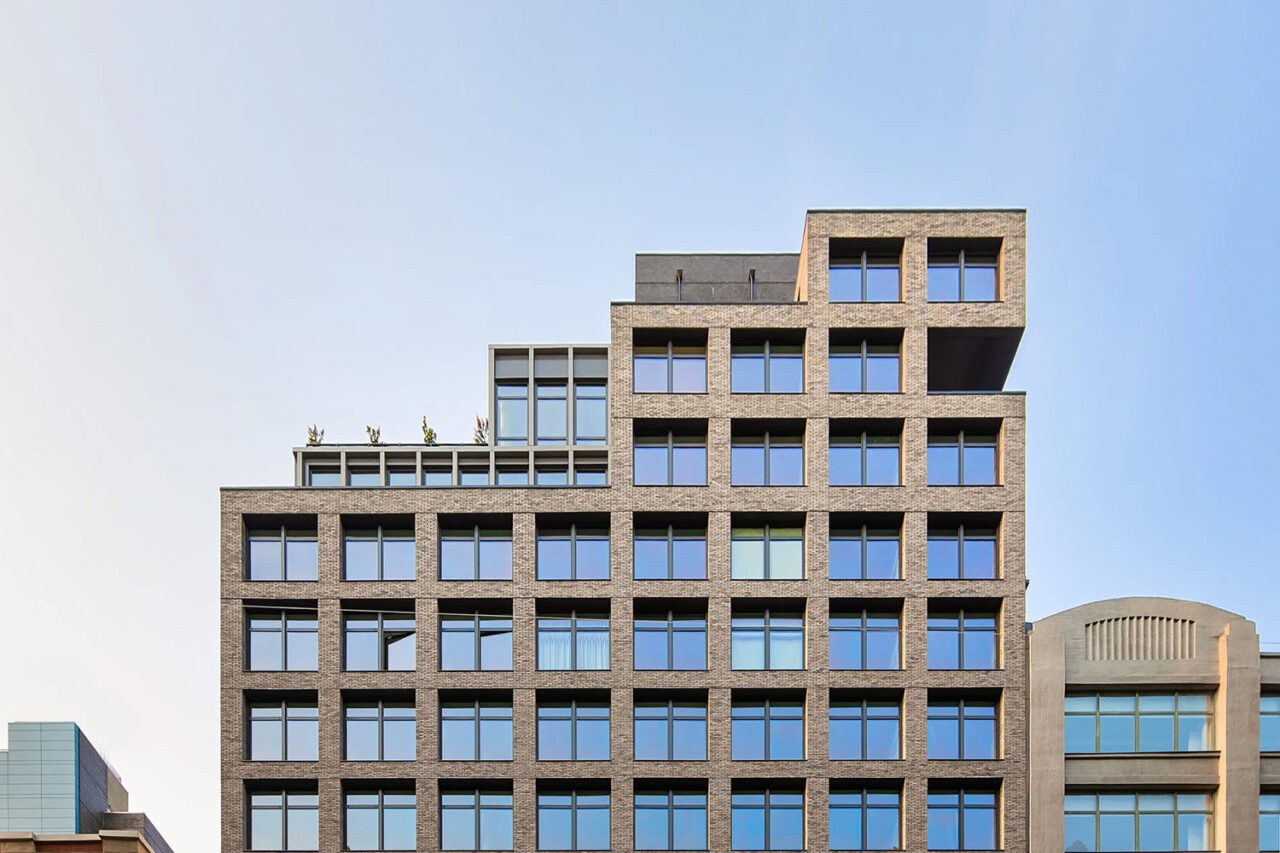
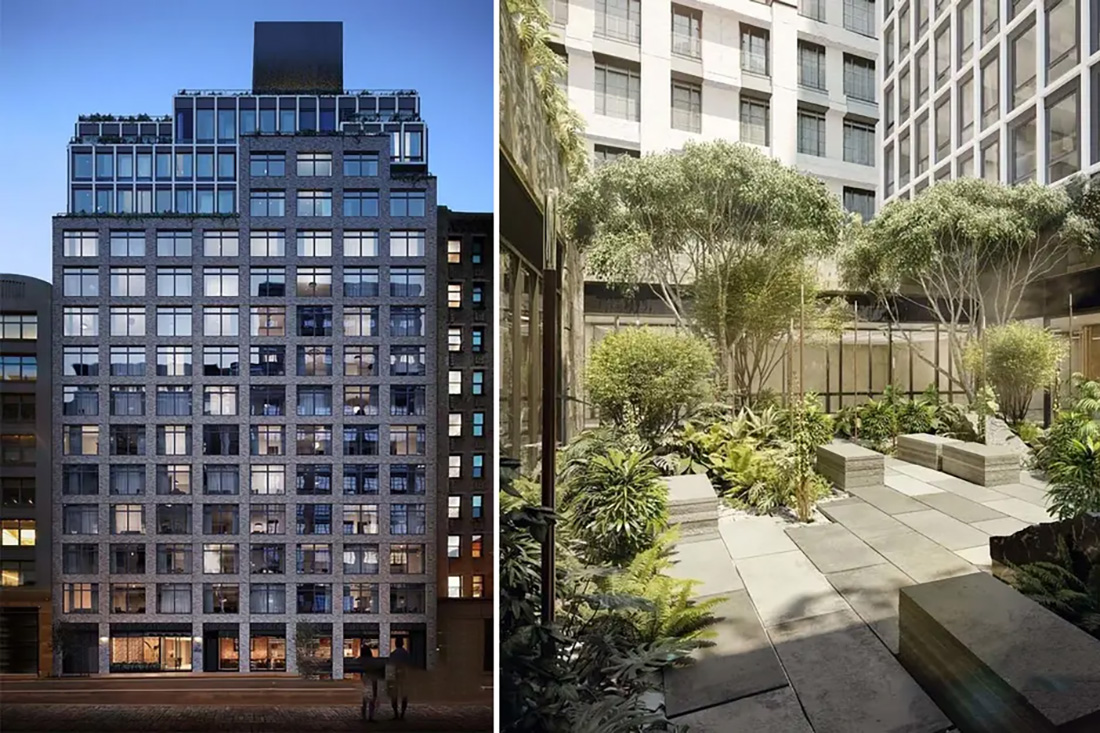
A favorite project is 77 Charlton for Toll Brothers City Living, a condominium in NYC’s Hudson Square designed pre-COVID but completed during the pandemic. As Principal, I coordinated closely with our in-house designers and project architects to keep the project on track amid uncertainty. Despite widespread fears of declining demand and exodus from New York, we trusted in the city’s resilience and believed in the long-term appeal of its history, accessibility, and multifaceted industries. The quality of design and construction led to unit absorption before construction ended, validating both our vision and the city’s enduring vitality. The project stands as a testament to perseverance, collaboration, and belief in design’s role in shaping urban life.
Q: How do you feel about the state of the industry right now?
I see the industry in a state of both disruption and incredible opportunity. On one hand, rising costs, supply constraints, and shifting regulations continue to test even the most seasoned teams. On the other side, technology—particularly AI and data-driven design tools—is fundamentally transforming how we practice. We can now model massing, energy performance, and unit mixes in hours instead of weeks, freeing up time for creativity and innovation. The industry is also embracing sustainability with a seriousness that wasn’t there a decade ago, which is fantastic. On the other hand, construction practice has not kept pace with the speed of technology. Unlike other industries, construction means and methods have not changed as drastically, which could be attributed to a conservative approach and legal exposure of developers, builders, and the design team. Ultimately, I believe we’re moving toward a more resilient, collaborative, and forward-looking era of practice.
Q: What do you think are the biggest challenges, or opportunities, facing cities today?
Cities today face an urgent balancing act between growth, affordability, resilience and regulations. Housing demand continues to rise, but escalating construction costs and zoning complexities create barriers to supply. Automating design reviews, removing some of the code restrictions limiting modular and other high-tech construction, can alleviate some of the pressure. Climate change brings another layer of risk, requiring designs that are not just sustainable, but adaptable to future conditions. Yet within these challenges lie enormous opportunities: to reimagine underutilized sites, to embed sustainability and mobility into the urban fabric, and to create buildings that connect communities while reducing environmental impact. With the right vision and leadership, cities can transform constraints into catalysts for innovation and set new standards for livability.
Another factor to consider is the aging population and positive migration into urban areas. Although aging-in-place and suburban migration remain high, a growing trend of moving into urban areas is growing among the aging population. The notion of retirement life sitting and enjoying sunset is not aligned with the taste of many active adults in recent years. They want to have an independent life and access to all amenities a city life can offer without car dependency. On one hand, this trend can inform new considerations in design for communities that cater to this group. At the same time, given that many of that generation enjoyed the wealth-creating era of our country, they can push the prices in urban areas even higher if the supply can not keep up with the influx of inbound migration.
Q: What do you see as an architect’s role—and responsibility—within our culture?
As an architect in New York City, I see our role as both cultural stewards and civic advocates, responsible not only for designing functional and beautiful buildings, but for shaping the environments that frame daily life, influence behavior, and reflect shared values. We stand at the intersection of past, present, and future, respecting heritage while addressing today’s urgent needs such as climate resilience, housing equity, and inclusivity, and projecting possibilities for generations to come. Our responsibility extends beyond serving clients; we serve the city itself as a living organism, ensuring our work contributes to a more humane, sustainable, and vibrant urban culture. Architecture is not just about form and structure, but about elevating collective life, embodying identity, and leaving behind a built legacy that supports both dignity and community.