



by: AIA New York
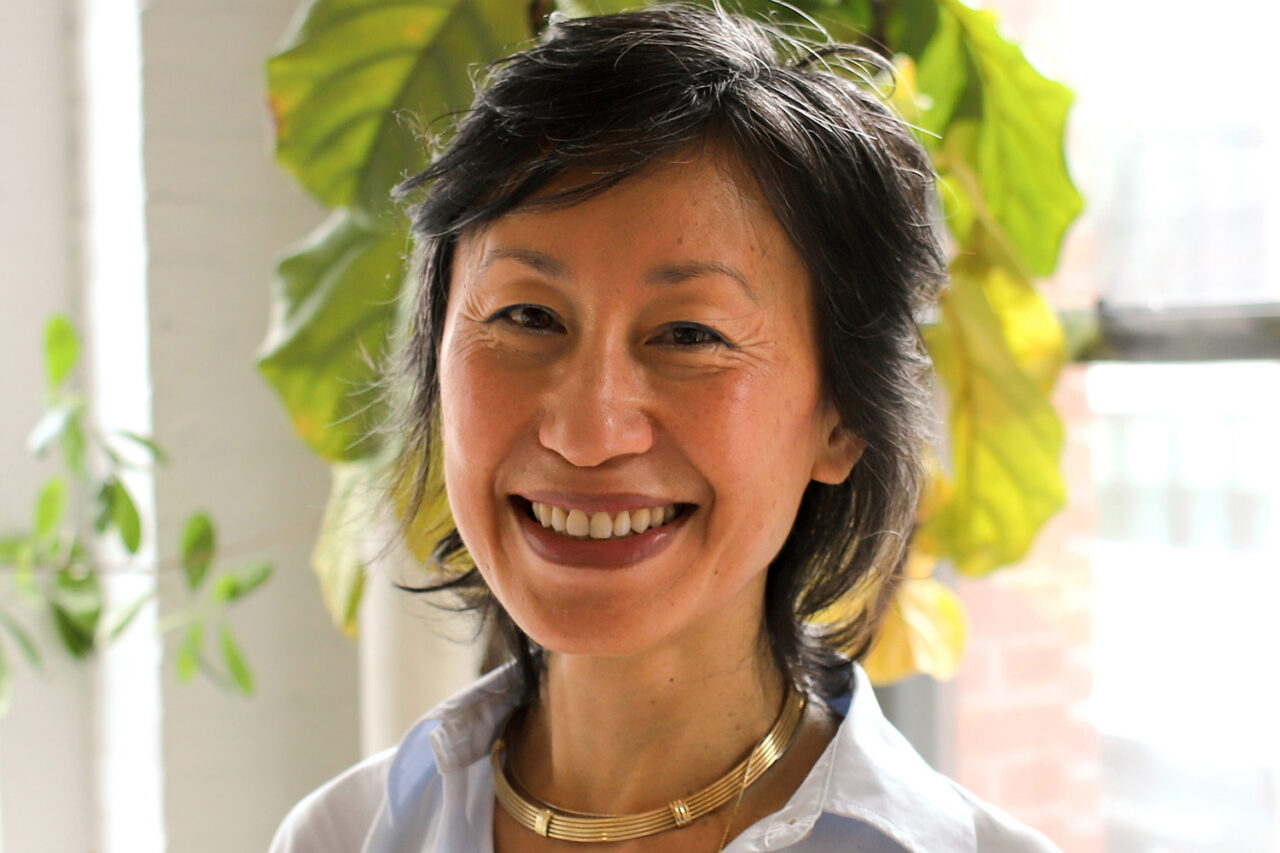
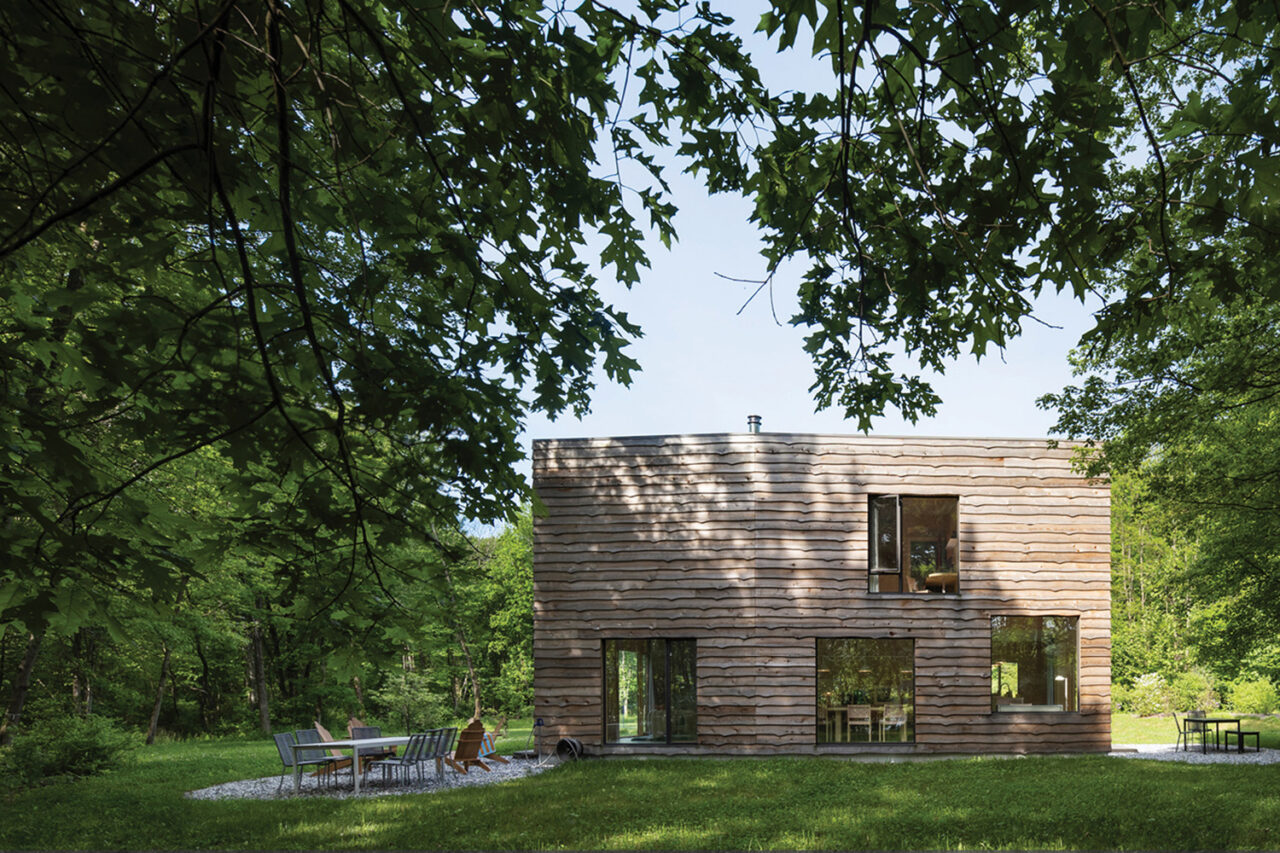
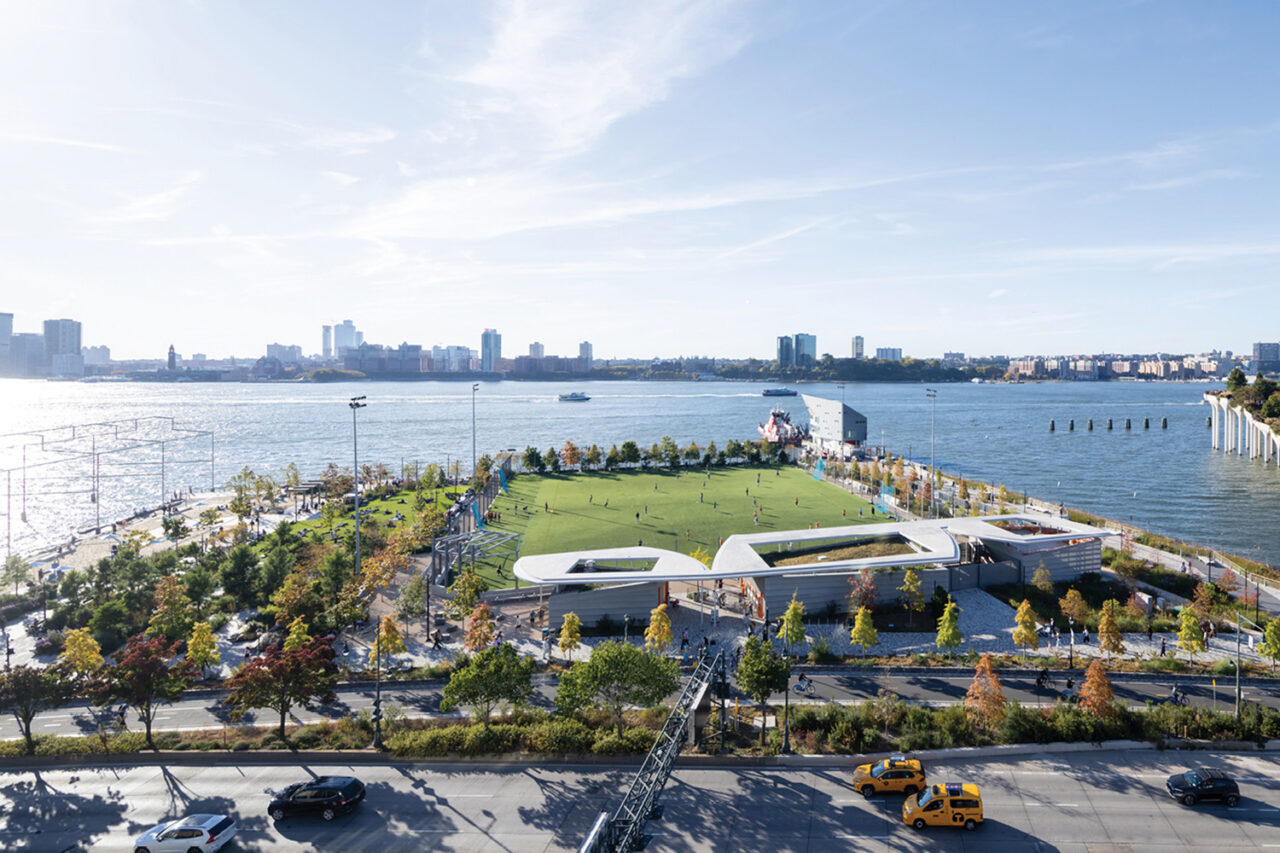
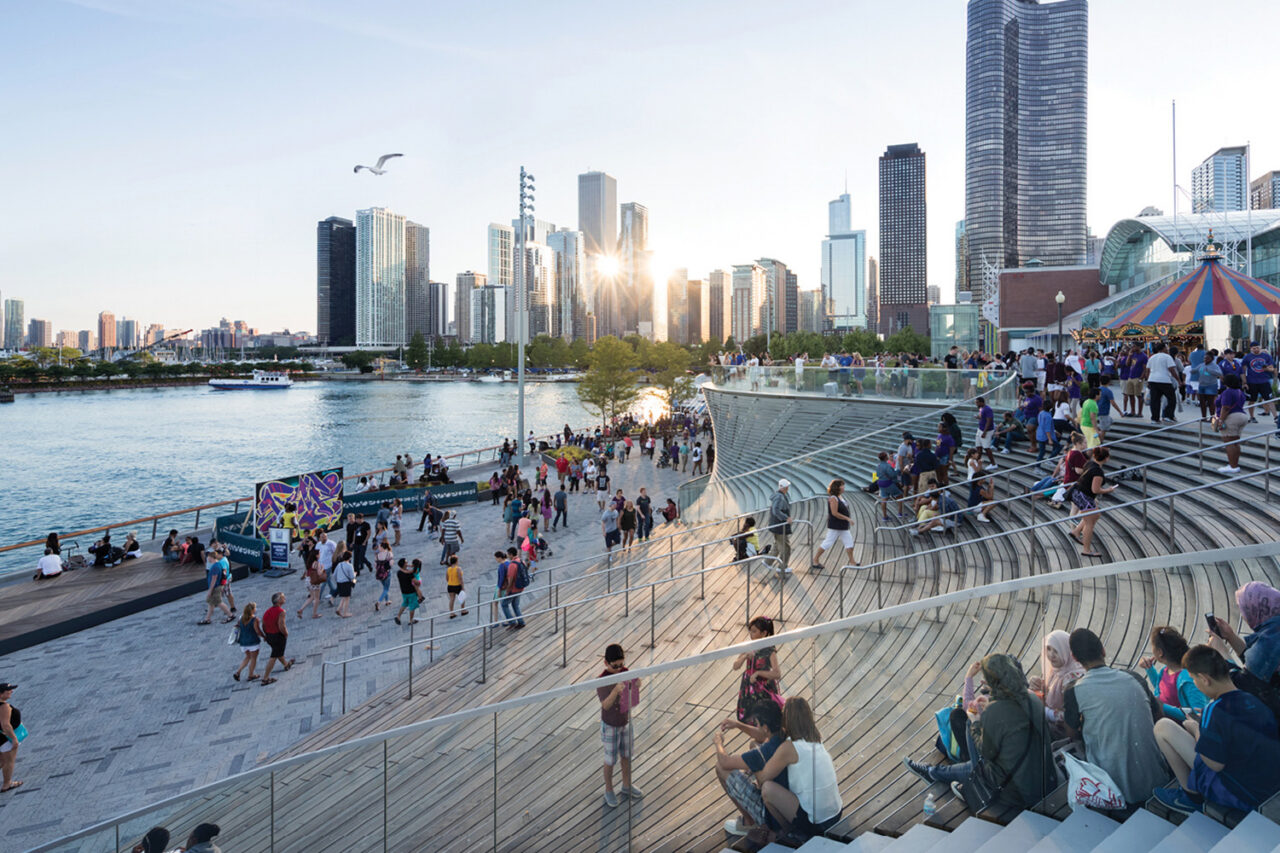
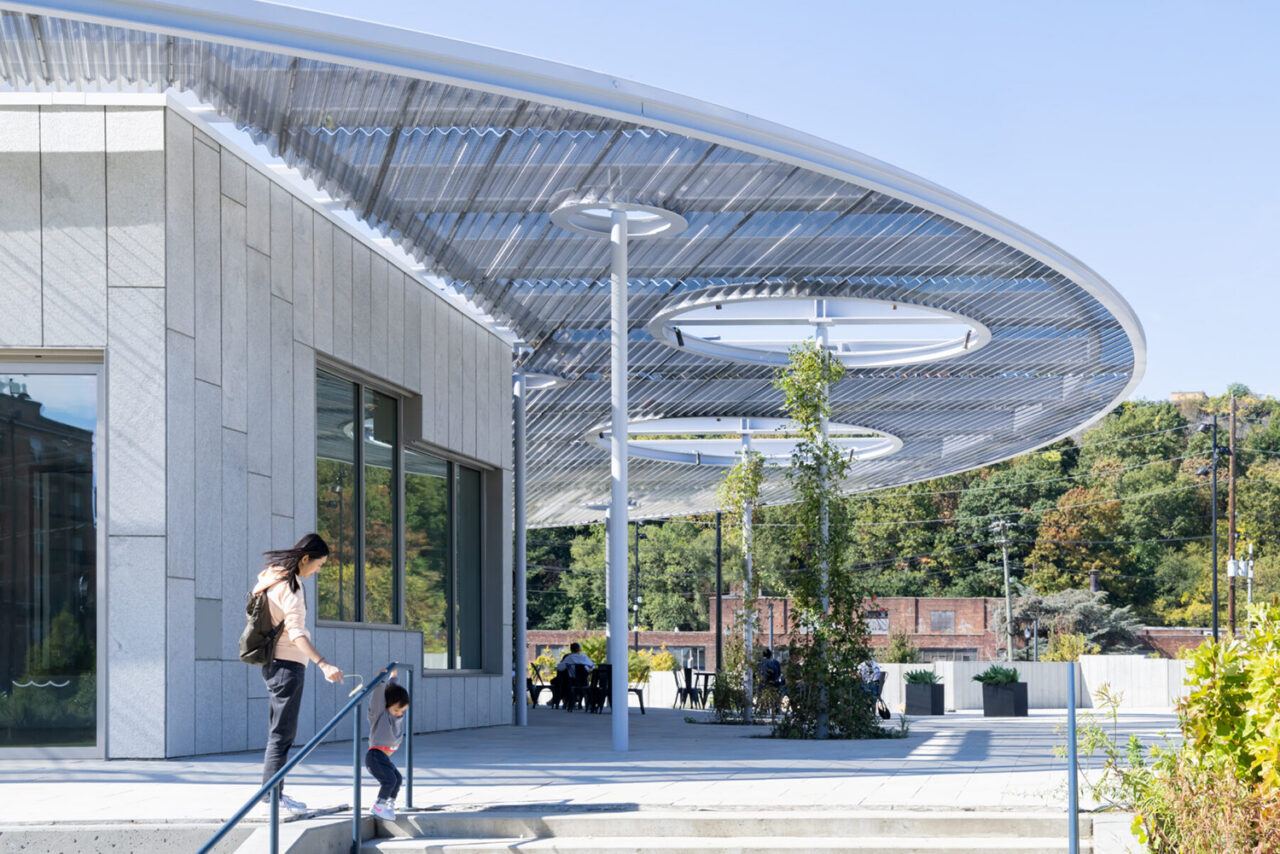
Mimi Hoang, FAIA, NOMA, co-founded nARCHITECTS with Eric Bunge, FAIA, with a belief in architecture as an agent of positive change that connects people and environments in unexpected ways. An ambition to respond to changes in contemporary life while fostering social engagement guides her work across civic and private realms. Born in the tropics of Vietnam, she brings a global outlook and an obsession with greenery to the firm’s design culture. Hoang teaches graduate design studios at Columbia University and previously taught at Yale and Harvard Universities. She received her Master of Architecture from Harvard University and her Bachelor of Science from the Massachusetts Institute of Technology.
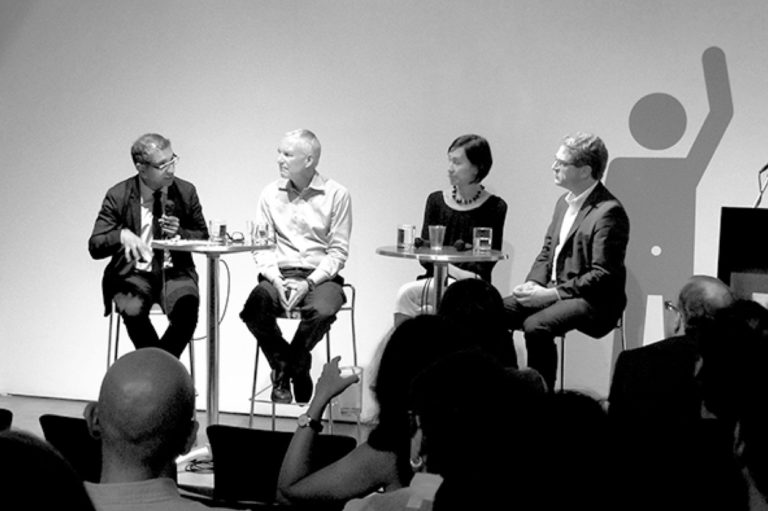
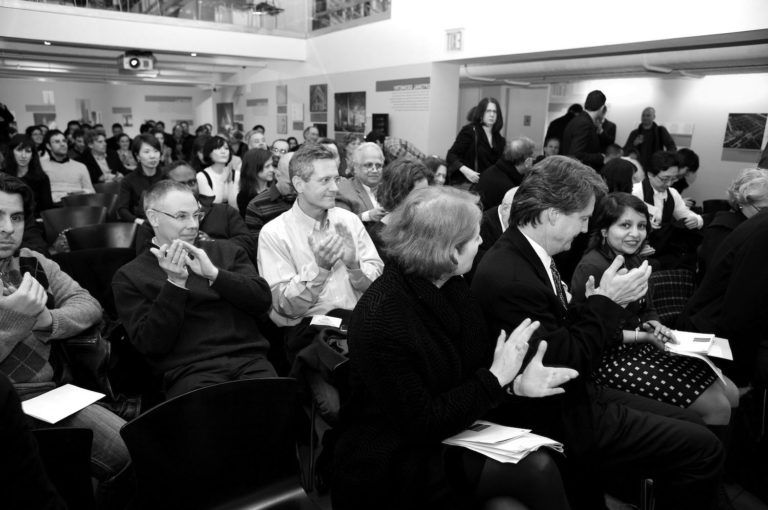
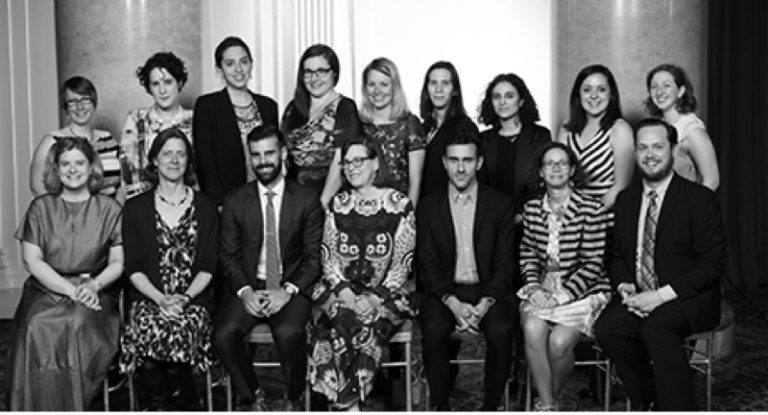
This year, the Jury of Fellows of the AIA elevated Hoang to its prestigious College of Fellows in the first category of Fellowship, which recognizes achievements in design, urban design, or preservation. Hoang was honored for emphasizing humane connections among people, buildings, and their environment through work that reframes its context in unexpected ways. By correlating architecture with nature and material invention, she invites the engagement of diverse communities. Her distinction was celebrated at the Center for Architecture during the 2026 New Fellows Celebration on Tuesday, March 17, from 6:00–8:00pm, and will also be honored at the AIA Conference on Architecture (AIA26) in San Diego on June 10–13, 2026.
Q: What is influencing your work the most right now?
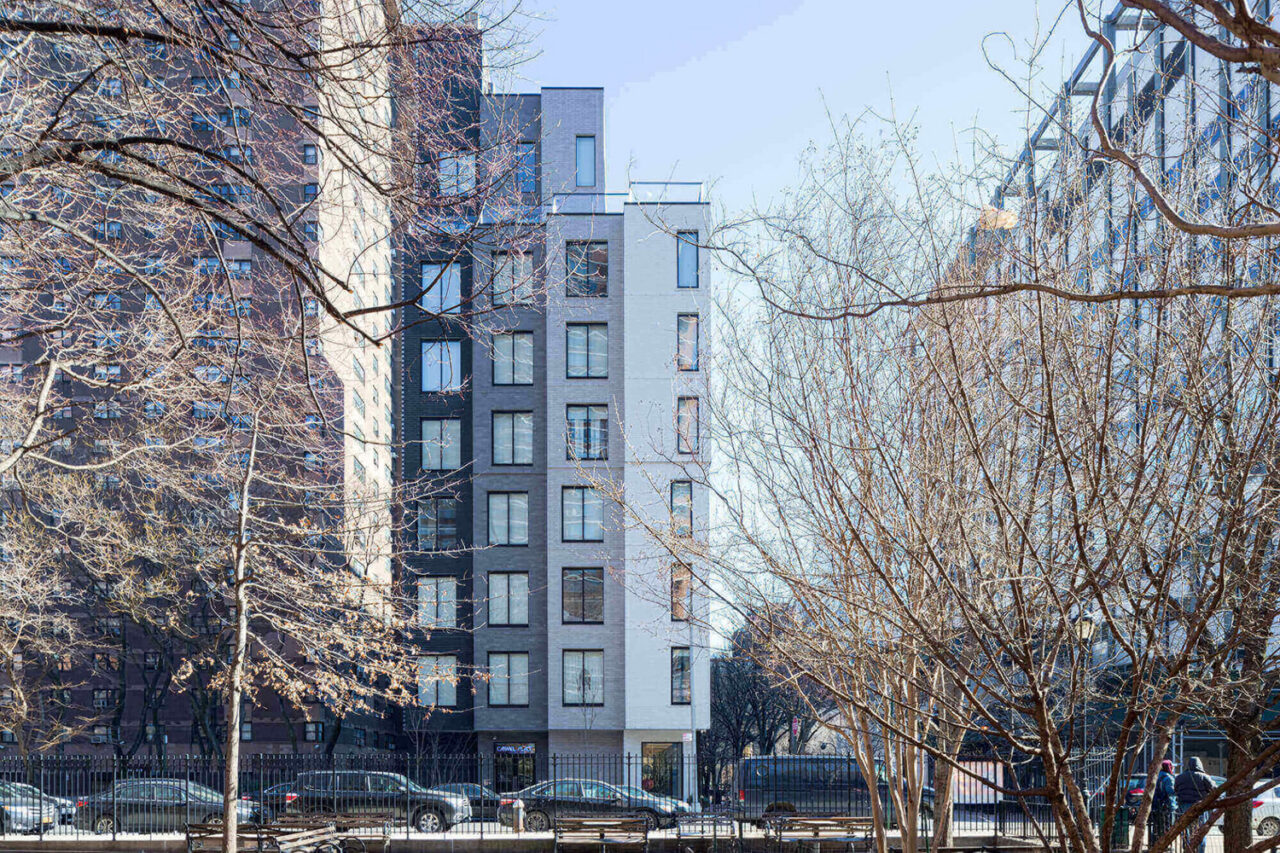
Ongoing and escalating attacks on our civic liberties and misinformation about climate change reinforce our commitment to work for the public good. We are lucky to work for progressive city and state agencies whose goals align with our own, bringing civic amenities and public spaces to neighborhoods in need of them. Much of our recent work transforms formerly industrial waterfronts, where we balance the competing goals of retaining industrial work and workers, flood-proofing their vulnerable assets against rising sea levels, and introducing new gathering spaces and public events. It’s a fun, 4-D puzzle.
Q: How/why did you decide to pursue architecture?
I was lucky to be exposed to architecture in high school. My brother (Phu Hoang, also an architect) thought that I would enjoy a design/drafting class that he was taking, and I enrolled with his recommendation. The end-of-year project was a house “design competition” where students could create their own design or copy a house out of a spec book. I designed a hilariously conflicted house caught between Modernism and Mediterranean countryside, and lost to a student who had reproduced a spec book design. That lit a fire under me (and a contempt for pastiche)!
Q: What has been particularly challenging in your recent work?
We are currently working with local agencies who have initiated new programs to radically reduce construction waste and incorporate circular building methods into our design processes. It’s exciting because we have addressed this for a decade in academia, and now the profession is trying to implement strategies. While it’s still early, and there are real challenges to creating a viable market for salvaged and reconstituted materials, we are excited to be actively engaged in the conversation.
Q: What are some of your favorite recent projects that you’ve worked on?
My favorite projects tend to be the current ones, simply because they address current societal issues and challenge us in new ways. We are designing our first public branch library, which has been my dream since teaching a series of studios that re-envisioned the library at Columbia University. Libraries are our last truly free third space, where immigrants (who may distrust the government) go for everything from ESL classes to help with tax forms. I love talking to librarians about how they serve their communities and their vision for future programming. Within a tiny footprint, we need to provide for an ambitious array of services… it’s super rewarding work.
Q: Do you have a favorite building? Why?
No, I don’t have one favorite building. I have many “favorites” or exemplary precedents because I draw inspiration from how each specifically transforms context, updates or reinvents materials in new ways, responds or captures their environments, and benefits their communities beyond the required brief. As an example, with Bo Bardi’s SESC Pompeii, she layers new interventions and reinterprets traditional crafts onto existing frameworks, gifting the neighborhood with so many interactive spaces and amenities. As another, with Siza’s Leça Swimming Pools, he negotiates natural and constructed environments with delicacy, nuance, and surprise.
Q: What do you see as an architect’s role—and responsibility—within our culture ?
I like to think about our agency rather than our responsibility, which for me is a proactive vs. reactive mindset. And with my agency as an architect, I want to give agency to the public, via community-forward designs that invite participation. Our last book, Buildings and Almost Buildings is about how we design open-ended frameworks, or “almost buildings” that are not complete in our minds but are rather open to appropriation and reconfiguration by its end users. We don’t respond to a program brief by solving or fixing it in time; rather we reframe it with “what if?” and “what else can happen?” questions that imagines multiple futures.
Q: How do you feel about the state of the industry right now?
I can speak to the local “states” that I experience. For the past two decades, our city has benefited from a push for better public realms, transformed from former brownfields and industrial use, with far richer amenities to accommodate more diverse communities. The city is also trying to build civic realm and affordable housing projects faster, with less waste. Our most rewarding and difficult projects are linked to these larger initiatives, requiring innovative client-architect-builder collaborations, design-build partnerships, and/or modular construction. We need to re-think project delivery to counteract the silo-fication of our profession into specialty camps.
Q: What are your thoughts on architectural education today?
As context, I have been privileged to teach graduate architecture studios for over two decades at Columbia and Yale Universities. It’s a joy to be a part of an academic community, to inspire and learn from students and envision the world that we want to live in together. In contrast to my own education, my students today rightly focus on the need for climate and social justice, and are impressively aware of the negative impacts of construction on the environment. Sometimes, I see that criticality hamstring their ability to design and innovate, which takes an enormous amount of optimism, tenacity, and faith in the positive impact of architecture.
Q: What do you think are the biggest challenges, or opportunities, facing cities today?
Affordability, equal access to quality of life, and climate change/sea-level rise. We are working at the intersection of these issues, and try to address social and environmental resiliency together as interrelated design opportunities.
Q: What are your greatest sources of inspiration?
Being in nature and reading have long been sources of inspiration and respite. Both help to ground me and provide perspective. Working for the public and civic realm, we are expected to deliver technically resolved and highly detailed documents for construction, which requires a lot of control and foresight into possible snafus during construction. Observing growth and transformations in nature and handling organic matter is a very healthy counterpoint for me outside of the office. Also, playing or seeing live music moves me—I love the feeling of togetherness with friends or total strangers. Lastly, my father and Eric, my partner—their (sometimes annoying) relentless optimism galvanizes me.
Editors’ Note: This feature is part of a series celebrating the members of the American Institute of Architects (AIA) New York Chapter who are elevated each year to the AIA College of Fellows, an honor awarded to members who have made significant contributions to both the profession and society. Learn more about Fellowship here.