



Vulnerable members of urban communities are disproportionally affected by today’s crises of housing affordability, limited access to social resources, deteriorating infrastructure, and climate change. Architects have a unique opportunity to make an impact through sustainable, equitable design and community engagement. Understanding who we are designing for is a key part in the process, as is educating ourselves and our clients and making a difference.
In my work with clients who provide housing, education, training, and supportive services, those with hands-on experience working with vulnerable populations are a valuable resource when it comes to the design process. The experiences of those who have “been there” are just as important and should help shape the spaces that serve them.
Working with the Osborne Association and the Women’s Prison Association (WPA), two organizations dedicated to those affected by the criminal justice system, has highlighted for me the needs that are vital to those reentering society after incarceration. These groups reframe this transition as our collective responsibility and privilege, allowing architects to meet those needs with design solutions. Volunteering with WPA provided me the opportunity to spend time with mothers reentering society and their children through outings, activities, and celebrations, learning firsthand the priorities of reuniting families beyond securing a roof over their heads. The designs for WPA’s halfway house and transitional housing provide a lasting influence, emphasizing safe and welcoming spaces and offering mothers places to learn fundamentals. Along with the counseling and training facilities, it is important to design for the little things: children’s play spaces visible from laundry rooms; quiet places for adults and kids to study and work; areas to learn cooking basics, read and play together; and zones set aside for computer literacy training.
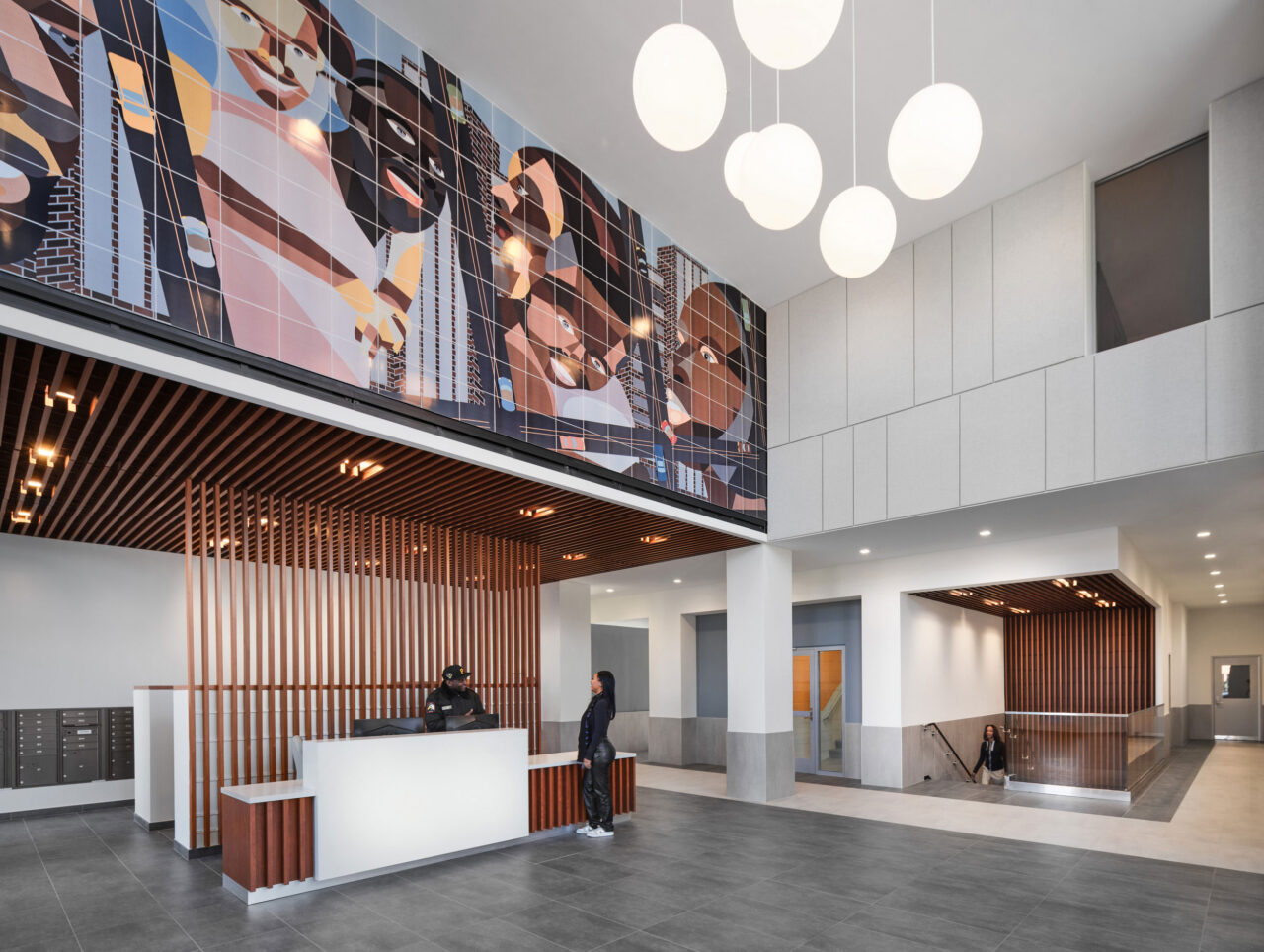
At Curtis + Ginsberg Architects (C+GA), we have made it our mission to tailor supportive spaces to each underserved group for which we design: older adults, unhoused people and families, justice-impacted individuals, survivors of domestic violence, those in recovery from substance abuse, and individuals living with mental illness. Each population and individual has unique needs when it comes to sensory design and services, but they hold in common the right to dignified housing that supports their journeys and resilience. We work closely with social service and education providers to implement trauma-informed design principles in community spaces and sensitively design supportive and transitional housing. This means integrating clear sightlines and wayfinding, abundant daylight, warm colors and materials, and community-oriented layouts into calming environments. These interventions reduce stress and foster resilience for both residents and staff teams.
At HELP ONE and the HELP Women’s Center in Brooklyn, interiors are graced with large-scale murals by local artists, while art therapy and community spaces are designed with natural materials and views onto shared green space to support mental well-being. Color-coded floors with large supergraphics orient residents living with mental illness, while soft and warm pastel tones of the graphics and finishes quash the stark or sterile feel of most temporary residences. Incorporating both visual and acoustic design, these projects set a new standard for the healing potential of art and architecture. In addition, designing for Passive House provides added comfort and well-being for the residents and those supporting them.
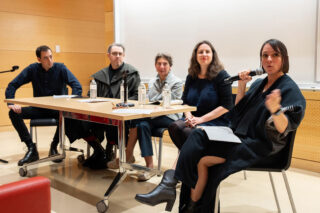
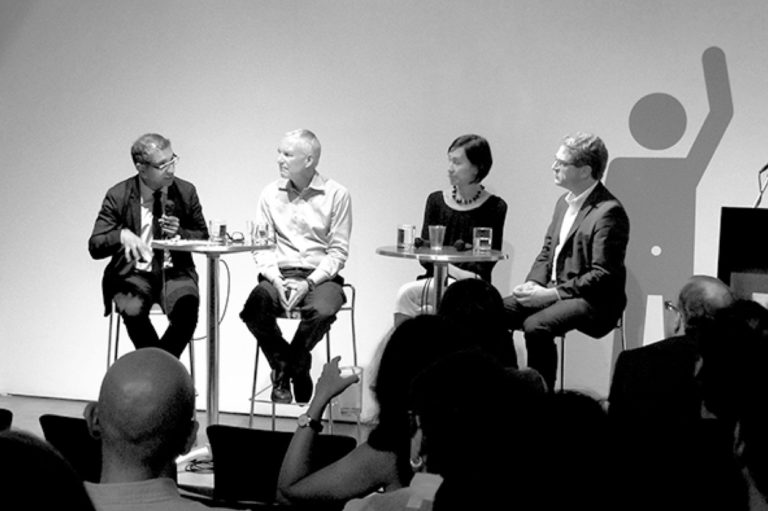
Hand in hand with this holistic design ethos is active advocacy and knowledgesharing with the long view of changing public policy. Organizing an AIAU session through the AIA Academy of Architecture for Justice Knowledge Leadership Committee, I was joined by Elizabeth Gaynes, president emeritus of the Osborne Association, in conversation with Deanna Van Buren of Designing Justice + Designing Spaces and Marayca Lopez of DLR Group. Our discussion correlated impacts of imprisonment on older adults and their needs upon reentry with architectural case studies like C+GA’s Osborne’s Fulton Community Reentry Center, which transformed a former prison into transitional housing and non-profit facilities. This project exemplifies our belief that architecture can be a catalyst for positive change.
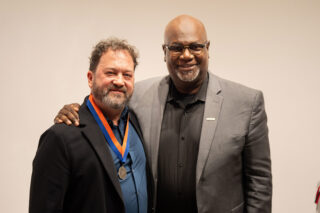
Attending Osborne’s graduation ceremony at Ossining Prison for incarcerated fathers in the FamilyWorks Program, which helps them improve parenting and relationship-building skills, reinforced for me the need for architects to design innovative ways for families to stay connected. For example, the Fulton Center includes living rooms serving as home-like virtual visitation spaces for children to stay in touch with their parents.
These personal and professional experiences provide me with an educated voice when working with civic organizations, such as the Design Trust for Public Space. In an advisory role, I helped the organization with Opening the Edge, a recently completed outdoor space in public housing designed by and for the residents, which brings vivid form to a previously fenced-off lawn. The challenge of designing spaces embraced by their communities comes with the great joy of working alongside my fellow New Yorkers. We can apply our expertise in planning and designing for sustainability and resilience to safeguard our safety and well-being—and the city’s future.