



Many of you reading this will be familiar with the ephebic oath, the pledge of duty to family and community sworn by young people during the period of Classical Athens. Today, numerous academic institutions make an updated version of the ephebic oath a core principle of their pedagogy and mission. Our firm, RKTB Architects, was founded with a similar pledge, emphasizing one line from the original: “My native land I will not leave a diminished heritage but greater and better than when I received it.”
This is the commitment of our practice, whose focus has been and continues to be the New York Metro region—though it pertains to our work regionally and nationally as well. We want our designs and projects to benefit everyone they may impact, leaving those places and the surrounding communities better than we first found them. The question then becomes: Who decides what is better? For the answer, we defer, in each instance, to the communities themselves.
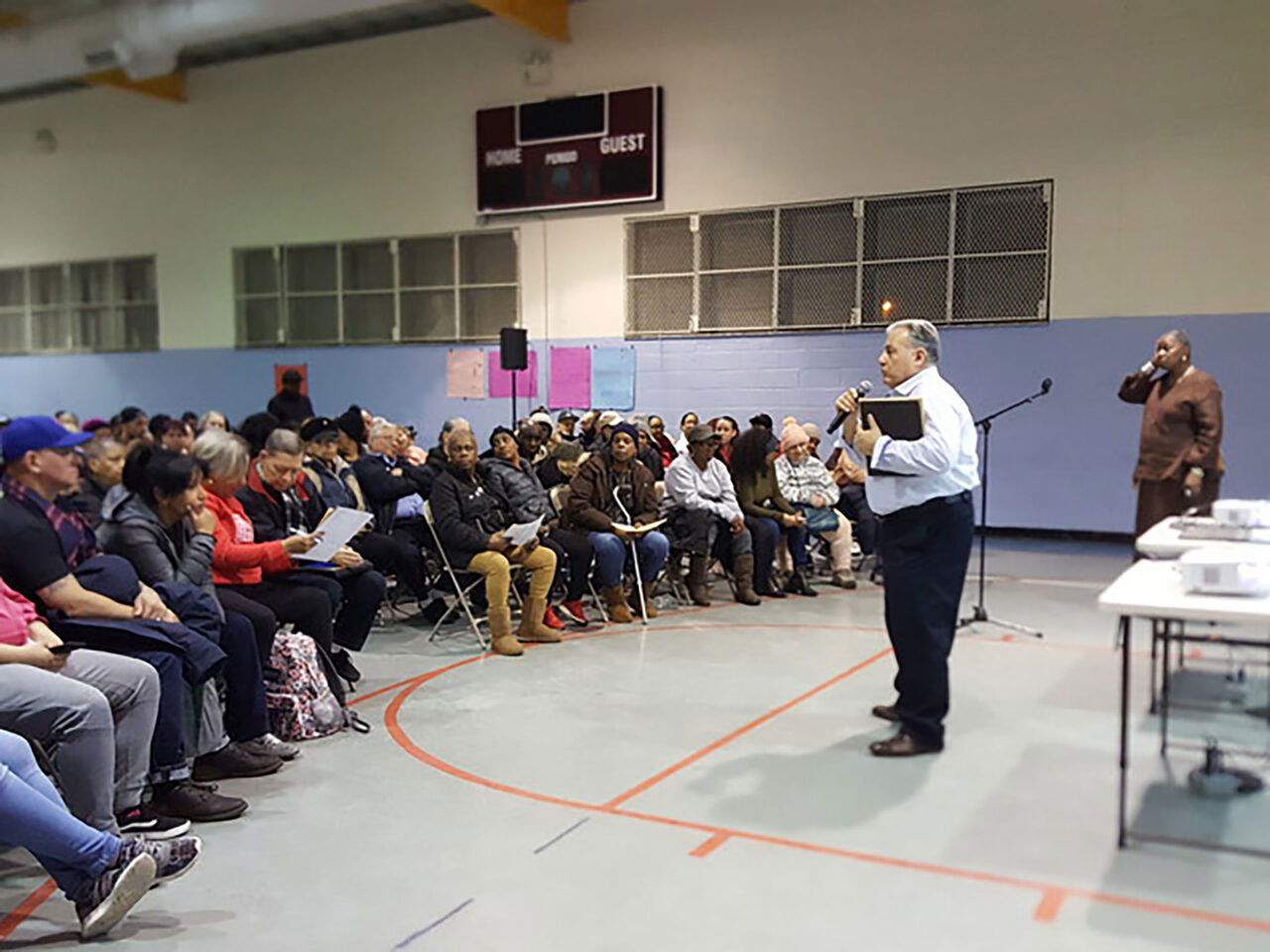
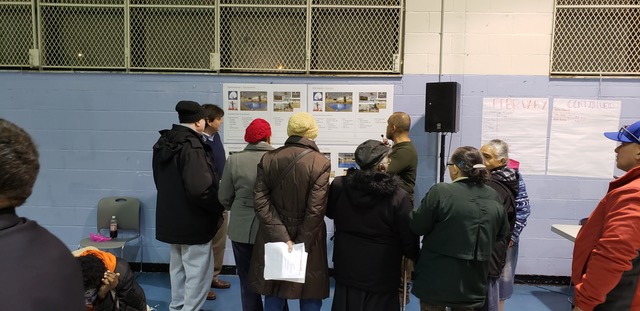
Whether for a multifamily residence or a K–12 school facility, our approach to each project is early engagement with residents of the neighborhoods surrounding the site. In this way, as architects, we become advocates for those who may not otherwise have a voice. Sometimes this means listening to competing parties with apparently conflicting aims, such as when NIMBY groups oppose a housing development while their neighbors view adding more rental units—and maybe street-level amenities—as a win. As architects, we are equipped to hear both sides and to advocate for both by resolving the points of contention through design innovation.
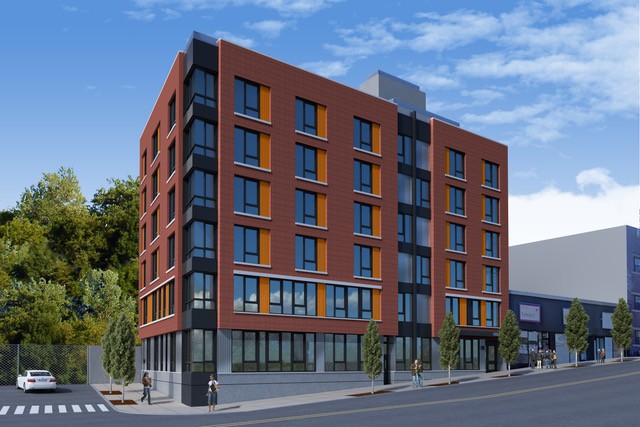
As an example, consider a new shelter for unhoused men in the Riverdale section of the Bronx, currently nearing the end of construction as of this writing. Shortages exist everywhere across the housing spectrum, so building new shelters and navigation centers for the homeless will always be part of a national strategy to address the housing crisis, yet neighborhood groups inevitably emerge to voice resistance. As architects, we have the tools to win their acceptance, first by listening, then with a responsive design.
Funded by New York City’s Department of Homeless Services, the Riverdale project addresses the qualms and concerns of neighbors with a contextual aesthetic that presents outwardly as just another apartment building. The interior program, meanwhile, is structured to foster comity and support effective transitions to permanent housing. Based on studies performed in the earliest project phases, the six-story, 36,000-square-foot residence is scaled to correspond in size and massing to the context. The brick veneer harmonizes with the surrounding building stock, but combined with corner bay windows, large openings, and decorative metal paneling, the design recalls contemporary market-rate developments.
To address other more practical concerns, we specified channel glass for some of the windows. This is an unusual choice for such a utilitarian project as a shelter, but channel glass allows light into the interior while concealing activity inside from passersby on the sidewalk or in the park across the street. This offers privacy for shelter residents and a visual buffer for members of the community. Inside, our design is based on research into the latest strategies for ensuring a harmonious environment. We settled on a program notable for addressing many common shelter pitfalls. Our goal was to make the large residence feel and function like a smaller facility, which would be better and more secure for everyone.
We started by decentralizing the population, a strategy expected to reduce occasions for discord among residents, by dividing the 130 beds into rooms of three to five beds each, and then integrating a dedicated gathering area for each floor. Our design also calls for splitting the first-floor dining room into two, allowing co-developer and operator Westhab—known for its commitment to supportive housing environments and provision of quality services for residents—to coordinate meal services in staggered shifts. Ultimately, our design offers New York’s unhoused population critical shelter and services in an environment that reinforces their dignity and humanity, while presenting outwardly to Riverdale as an ideal neighbor, a positive addition to the community.
Housing is a critical right, and a tool for improving neighborhoods and cities. Architects looking to provide advocacy for the communities they serve can make architecture an instrument of conflict resolution and equity. Their contributions in the form of well-designed, inspiring, mission-driven architecture can stand as living advocacy, an edifice that continues over decades to promote the dignity of all citizens.