


Architecture school is a catfish. It sells you the belief that architects shape cities. Yet, in practice, most architects are hired hands who arrive long after the real decisions have been made, brought in only to decorate choices made by others. This gap between the role we hope to play and the reality of what we do is where the profession is bleeding relevance.
In school, anything feels possible. You’re taught to reimagine cities and improve lives with ideas and drawings. You dream up utopian visions: affordable housing for all, public realms that inspire, and institutions that help individuals thrive. You pick a site, develop a program, and present your work to a panel. Faculty and peers critique the drawings, design, and ideas. You are excited to implement these ideas.
Then you graduate.
In the real world, you discover architects enter the picture once the story has already been written. The site has been chosen, the program decided, and the budget fixed. You make drawings to sell a concept or produce studies to advise policy, but the decisions happen elsewhere. When a project stalls or a core concept is value-engineered out, you lack the agency to directly change that outcome.
You tried. That is the state of advocacy in our profession. It can be so much more.
This distance architects have from decision-making breeds a dangerous ignorance. In school, the forces that drive change in cities—money, politics, and law—appear only at the margins. In practice, architects view these forces through a hazy lens. If we are serious about shaping how our cities are built, we must move into positions with the ability to act.
Drawings alone don’t shape cities. Today, the city shapers who decide where, what, and for whom to build are rarely architects; they are developers, planners, and public officials. If we want a seat at the table, we need to add their languages of finance, politics, and policy to our arsenal.
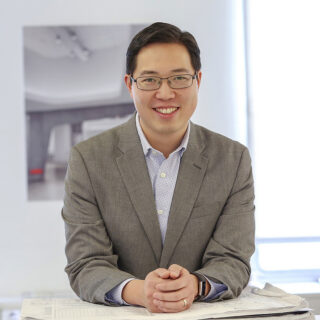
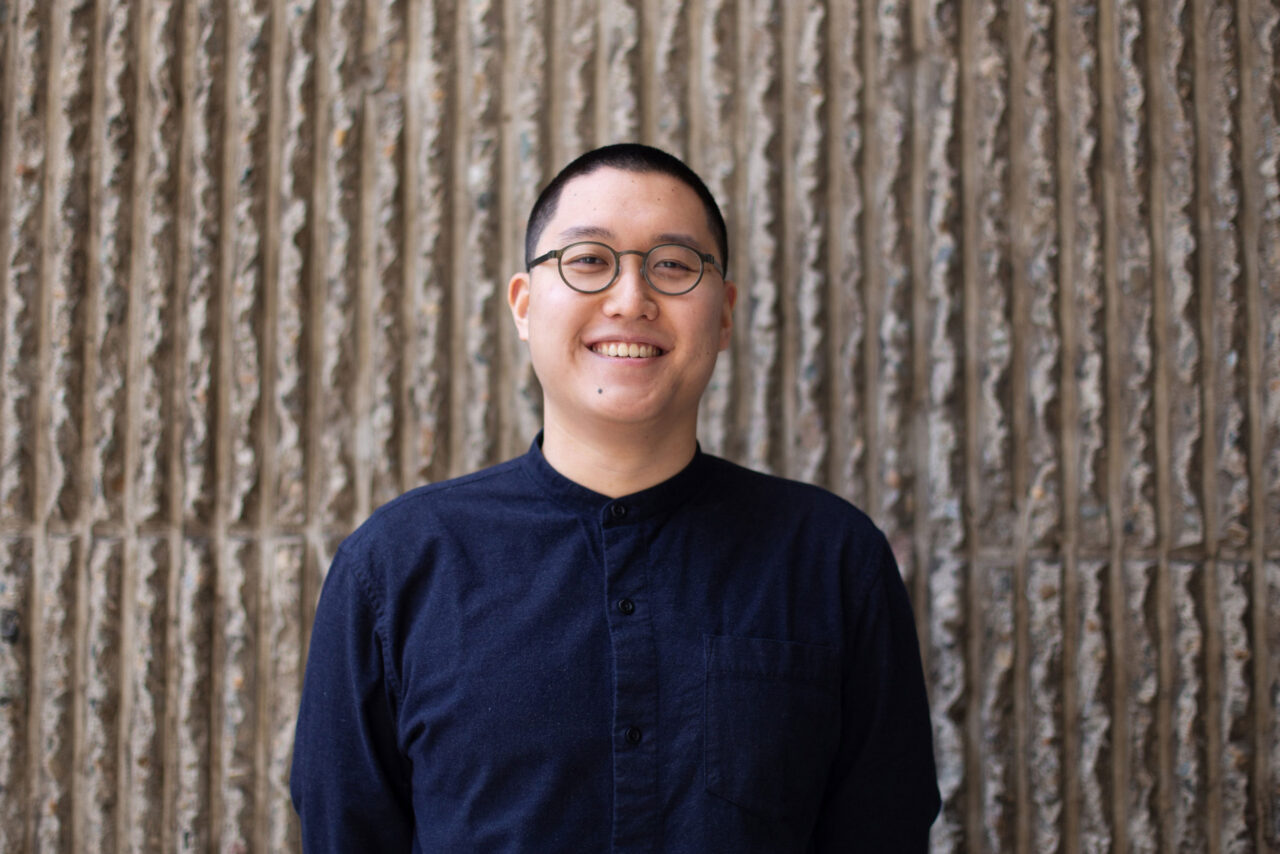
A few years ago, I made that shift myself. I left traditional architecture practice and joined the New York City Economic Development Corporation. I no longer draw in Revit or AutoCAD. I now use my design training to solve problems across disciplines. I get to shape visions of the city before any idea of a building takes form. Ironically, it is outside architecture practice that I feel closest to the role of the architect I envisioned back in school.
Why do architects choose to sit on the sidelines? The defining challenges of our time are fundamentally spatial, such as the housing crisis. Yet we freely give up the wheel to decision-makers who aren’t trained to even read a floor plan. Too often, we let false narratives hold us back. We tell ourselves that leaving architecture practice means losing our creativity. Frankly, the problems I’m faced with require more creativity to solve, not less. Stepping into this new arena is also humbling. You are a beginner again and must learn from everyone, especially those you don’t agree with.
It also means taking responsibility. You make decisions based on limited information. You will make mistakes. You don’t get to hide behind conceptual purity anymore. The work happens in the muck of reality, fighting for imperfect ideas evolved through debate and compromising with colleagues who care more about profitability than design principles. All of this is the price of admission for working with the world as it actually is, rather than how we wish it to be.
We need a new model of a civic architect—one that moves beyond idealist influencing from the sidelines to the insider who can shape policy, allocate budgets, and take daring risks. We need architects who leverage design as just one of many tools to mold a better city.
Advocacy doesn’t end when you leave traditional architecture; it grows into agency.
If architecture school taught us to dream about changing the world through our built environment, it is time we face the reality of what real change demands. This isn’t a call to abandon architecture. It is a challenge to expand it—to reclaim the space where ideals meet pragmatism. This is how we move from imagining the city to actually building it.