


Friends:
It has been a long, cold winter but, thankfully, spring seems to be quickly emerging. We are in the midst of fast-paced changes coming from Washington, D.C. This year has brought us to a point of national social and economic consequence, with our violent deportation policies, a deepening sense of global instability, and the dismantling of national climate resiliency infrastructure. Recently, I came across an interview with the late Toni Morrison. Journalist Juan Williams asked her a question that feels uncannily relevant today: “How do you survive whole in a world where we are all victims of something?” In her response, Morrison rejected the premise that wholeness is always possible. “Sometimes you don’t survive whole, you just survive in part,” she said. “But the grandeur of life is that attempt. It’s not about that solution. It is about being as fearless as one can, and behaving as beautifully as one can under completely impossible circumstances.”
New York City is living through what sometimes feels like impossible circumstances. Climate shocks are no longer theoretical. Housing remains out of reach for too many. Public trust in institutions is fragile. Communities—particularly Black, Brown, immigrant, and low-income neighborhoods—continue to live with the physical legacy of disinvestment, segregation, and environmental harm. Architecture does not stand outside these conditions. In many cases, the built environment has been an instrument of harm: highways that divided neighborhoods, zoning that excluded locals, public housing that was underfunded and stigmatized, and resilience strategies that protected property while leaving people exposed. In moments like this, the temptation is to search for a singular “solution”: a master plan, a new policy acronym, or a technological fix. But Morrison’s words remind us that ethical practice is not defined by perfect outcomes, but by courageous conduct.
February was the annual convening of presidents, executive directors, and leaders from AIA chapters from all over the country. The Annual Leadership Summit from February 11 to 14 in Washington, D.C., gave us the opportunity to share our experiences and knowledge. The summit included a day dedicated to visiting our senators and representatives and their staffs on Capitol Hill for #AIAHillDay. We shared common priorities: housing affordability, support for the renewal of energy tax credits, opposition to federal student loan limits that make our profession accessible for those who want to enter the field, and the protection of local control, design freedom, and community heritage.
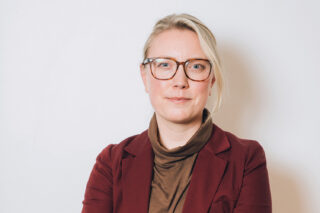
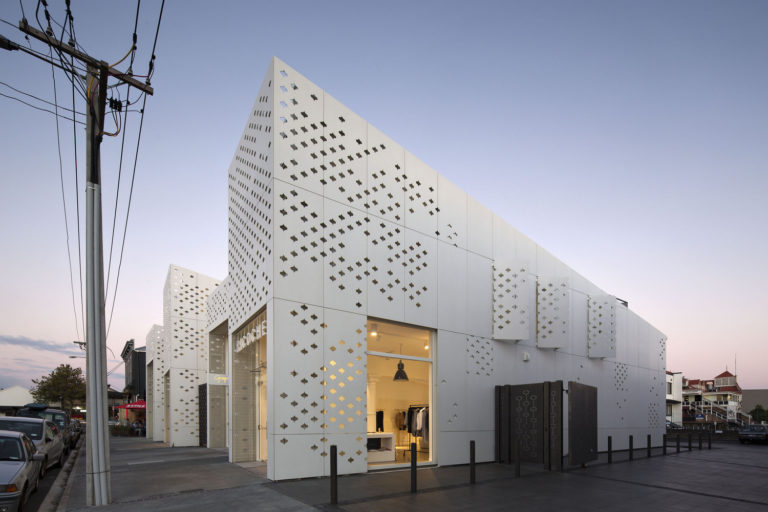
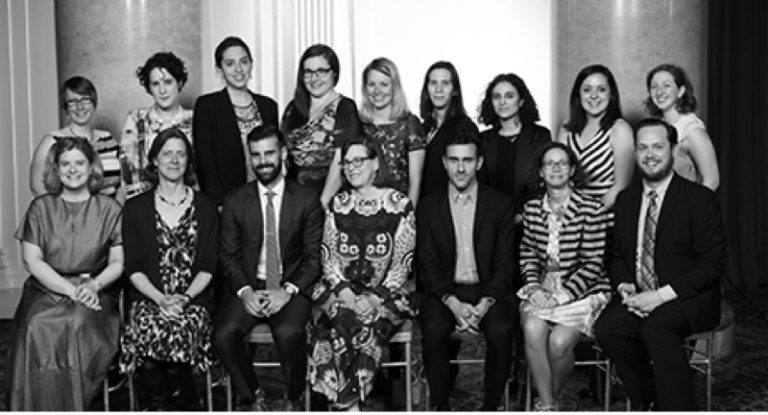
As chair of this year’s AIA New York Chapter Honors Committee, I am looking forward to spotlighting the innovative practices and individuals who are making a difference in our city. This year’s luncheon on April 24 at Cipriani Wall Street will not only highlight the 24 AIANY Design Award Winners featured in these pages, but also our Honor Awardees (see pages 14–15). Together, the honorees represent the best of human-centered work.
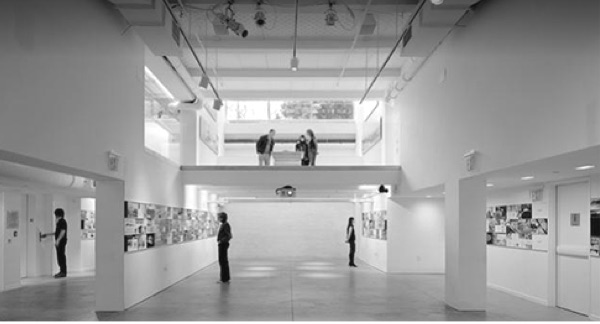
On May 7, along with the Center for Architecture’s other spring exhibitions (see page 11), the CFA Lab exhibition will commence, centered on my Presidential theme, Repair: Democracy and Urban Space. The exhibition is designed by WeShouldDoItAll and features two concepts of repair: “Energies of Repair: Visualizing Community Power in NYC,” by Andrea Johnson and Ashley Dawson, and “DEPAVE: Ecological Repair of the Ground,” by Friends Making Work (Christine Giorgio, Amelyn Ng, and Gabriel Vergara). The installation will address the urgent need to repair not only the physical infrastructure of our environments, but also the political and social inequities embedded within them. Please come out and support our exhibitions.
New York City needs architecture that participates honestly in repair; adaptive reuse that honors memory rather than erasing it; public spaces that invite difference rather than managing it away; and energy and climate strategies that protect the most vulnerable first, not last. Architects are stewards of public trust, whether designing housing, infrastructure, schools, or the everyday fabric of the city. Our responsibility is not only to what gets built, but to how it gets built—and for whom. Collectively, we bring great value to the process, whether through planning or by being an influential voice at the table. As Toni Morrison reminds us, behaving beautifully under impossible circumstances means resisting indifference. It means refusing to normalize inequity as “context.” It means understanding beauty not as visual excess, but as care—care for people, for place, and for future generations. We must acknowledge that cities, like people, are often fractured—and that repair is not about restoring a false ideal of wholeness, but about making life more livable, fair, and dignified.