



by: AIA New York


AIA New York and the Center for Architecture are proud to announce the 2025 recipients of the Stewardson Keefe LeBrun Travel Grant. The purpose of the LeBrun Grant is to further the personal and professional development of early- and mid-career architects through travel. AIA New York awarded a total of $25,000 during the 2025 grant cycle, distributed among three recipients, to allow them to complete their research and travels:
Elaina Berkowitz, AIA
Project: “Designing for Deconstruction: A Disassembly Manual”
Award: $8,000
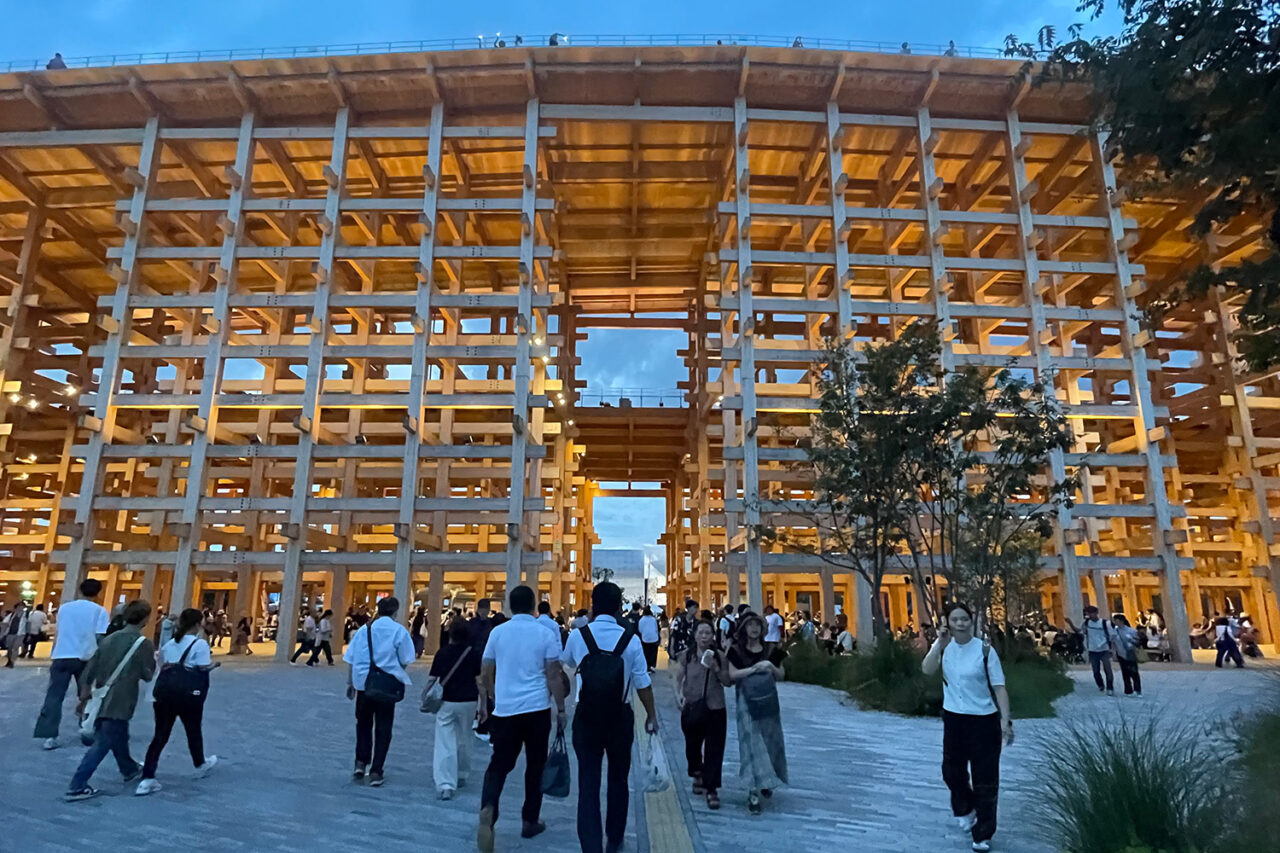
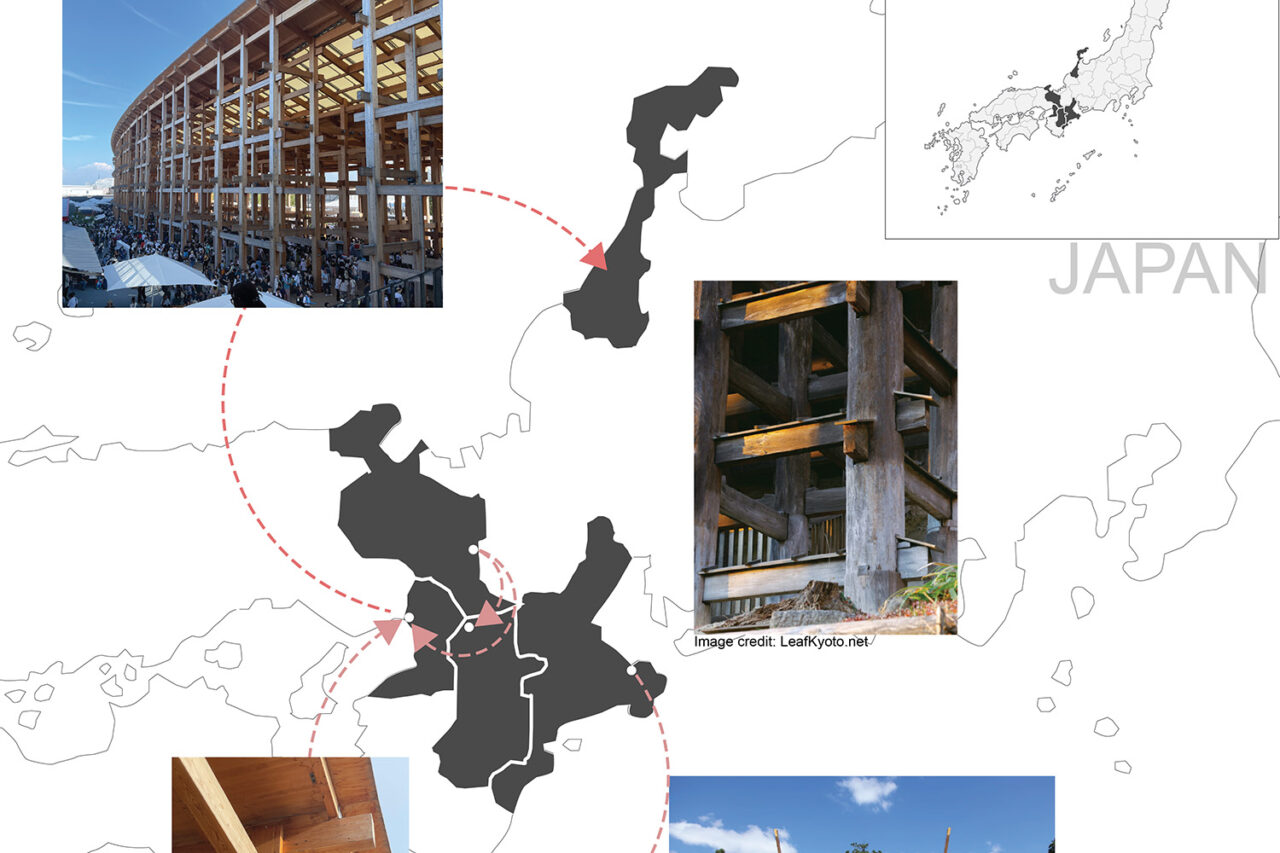
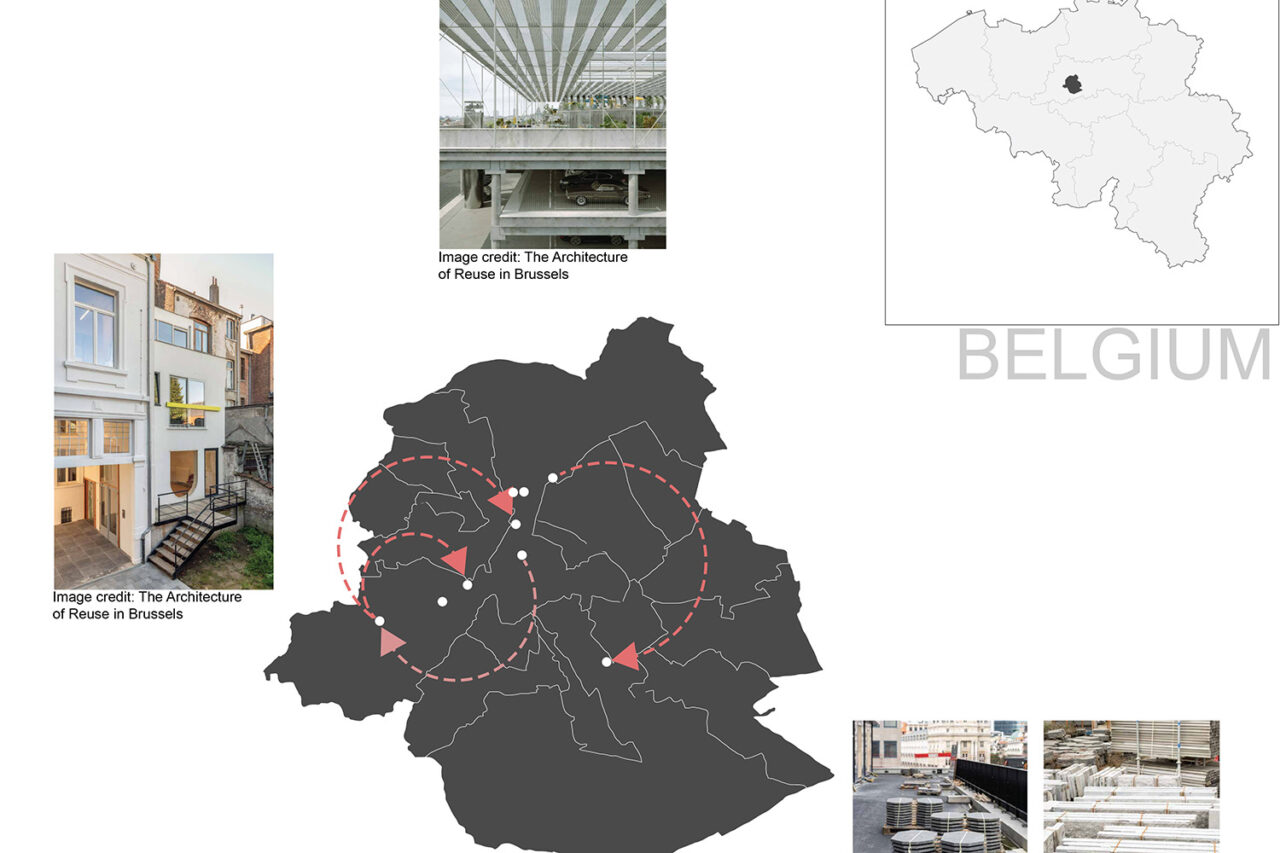
At Osaka’s 2025 World Expo, the most predominant building is the world’s largest wood building. Intentionally temporary, it’s designed referencing a historic Japanese technique that uses no fasteners. While its future use is unclear, the project suggests a possibility for historic buildings designed for ritual disassembly to influence design for deconstruction. In Belgium, a robust culture of building material reuse exists thanks to strong recycling networks and forward-thinking regulations. Surveying historic practices of designing for deconstruction alongside contemporary techniques of reuse, the project will chart a manual of best practices for the future of buildings as ‘material banks’ ripe for renewal.
Elaina Berkowitz, AIA, is an architect in Philadelphia, Pennsylvania, where she’s worked on a variety of project types including higher education, government projects, and lab buildings. Consistent in her approach is an integration of research as a design method, particularly in regards to sustainability. She has designed buildings across scales and project phases, including a multi-use university project that housed a new student admissions center and expansion of a globally recognized art museum; a renovation and overbuild that deconstructed and rebuilt a historic facade while adding bio-sciences lab space in a glass tower above; and worked on design development of a historic university dorm renovation that is working towards ILFI certification. Berkowitz has been a member of the Architecture Lobby since 2013, where she has served as Finance Coordinator and Board Treasurer. In Spring 2026 she will teach a design studio at Thomas Jefferson University. Originally from St. Petersburg, Florida, Berkowitz has lived and worked in Philadelphia, New Orleans, New York City, Paris, and New Haven. She is particularly interested in continuing to use research as a form of design inquiry to address a variety of topics in architectural practice, including sustainability, equity, and aesthetics.
Kevin Hai Pham
Project: “Mekong, Against the Current: Learning from the Mother of Waters”
Award: $9,000
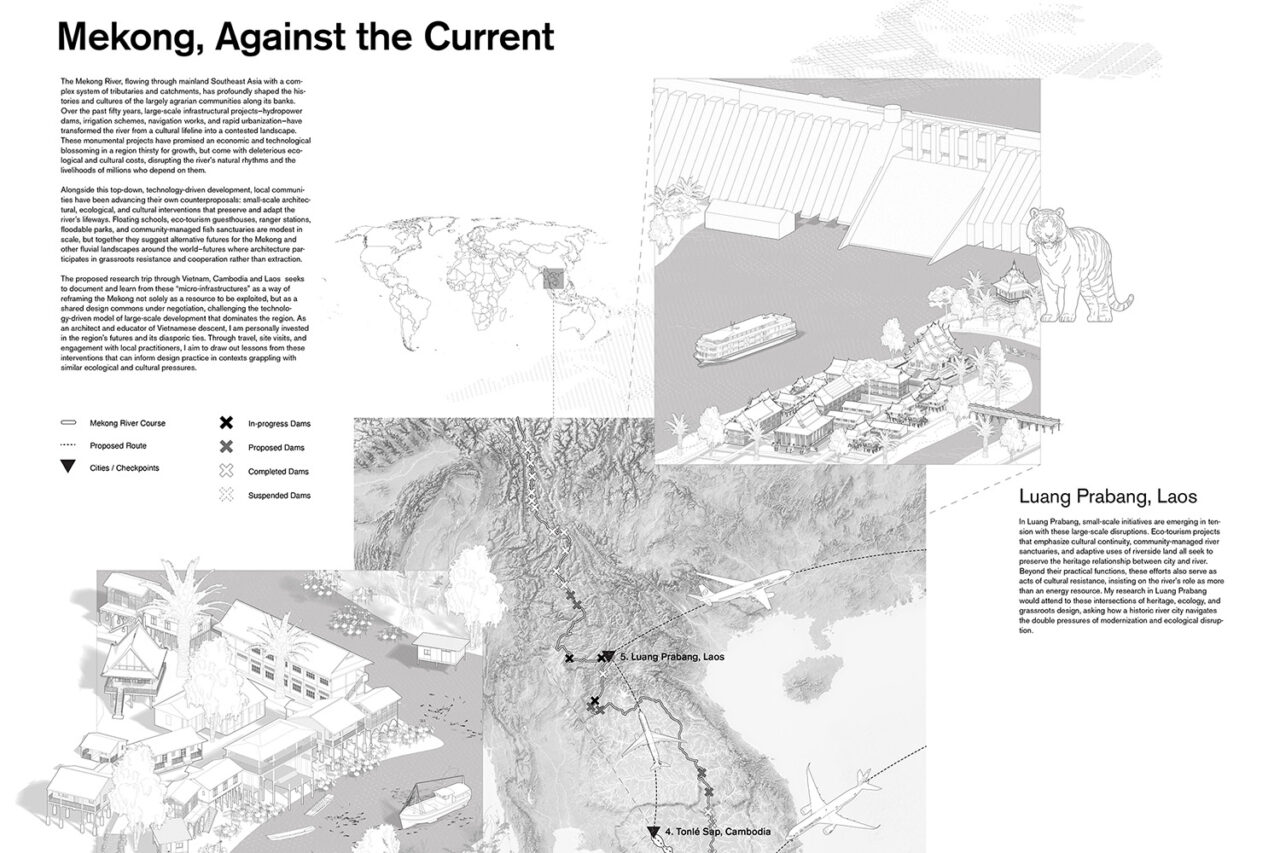
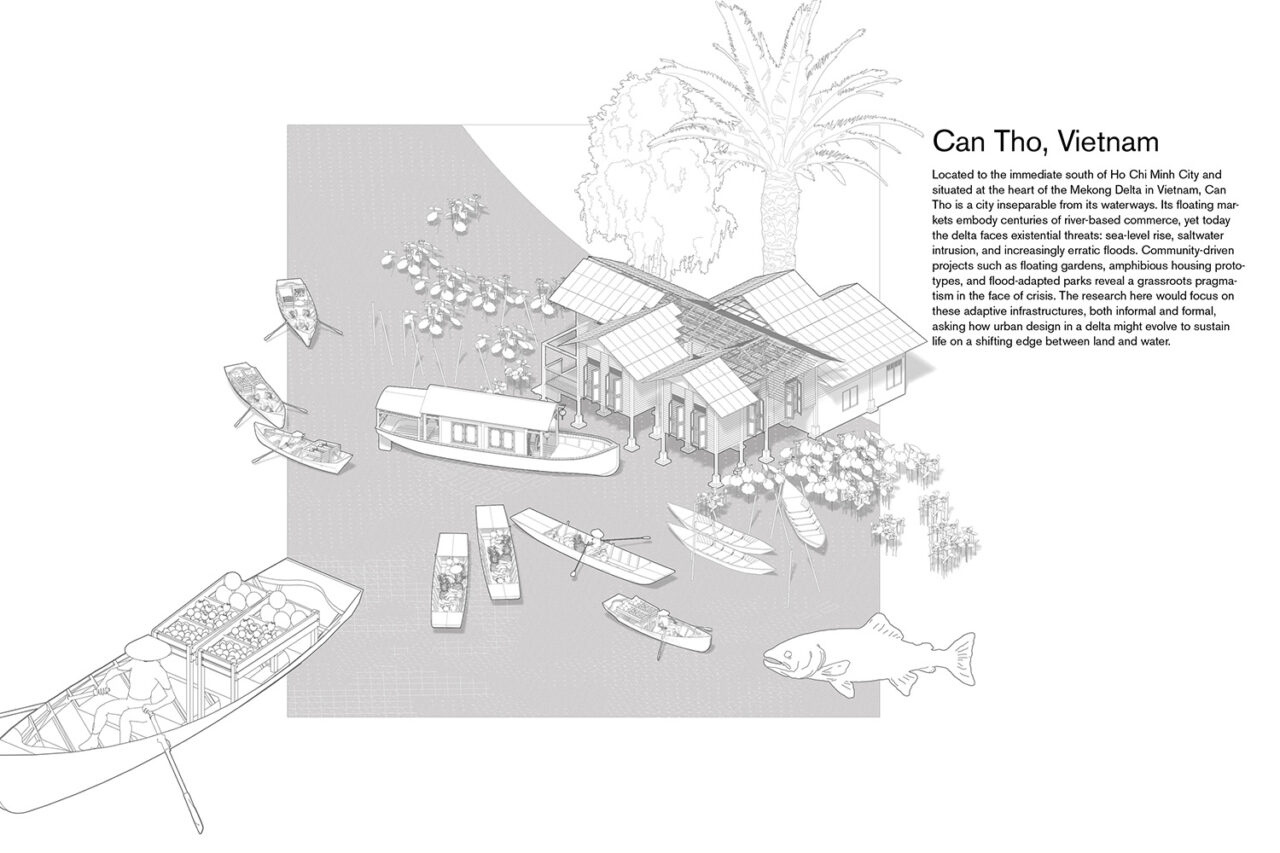
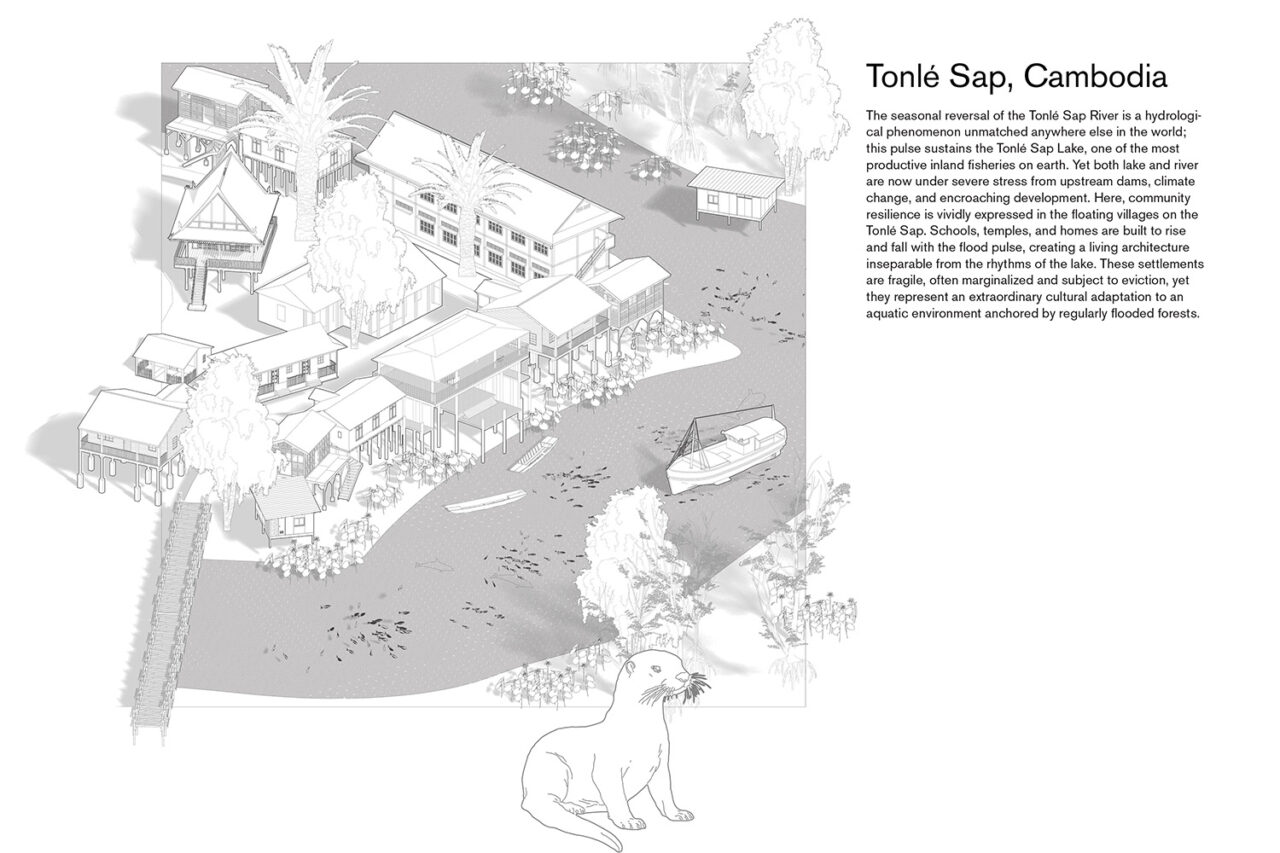
The Mekong River, once a cultural lifeline for agrarian communities, has been reshaped over the past half-century by dams, irrigation, navigation works, and urbanization. These large-scale infrastructures promise growth yet disrupt ecologies, displace communities, and destabilize livelihoods. In response, local communities have advanced “micro-infrastructures”—floating schools, eco-tourism guesthouses, floodable parks, amongst other inventive solutions—that sustain riverine lifeways through adaptive design. This project, spanning Vietnam, Cambodia, and Laos, will document such interventions as counter-narratives to technocratic and extractive development, reframing the Mekong as a contested but shared design commons and exploring how architecture might collaborate with, rather than dominate, its environment.
Hai Pham is a designer and Adjunct Assistant Professor at Columbia GSAPP. In 2025, he launched the design and research practice Office of Outside Interests. In addition to this, Hai Pham works as a designer with Format Architecture Office in Brooklyn. Previously he has worked as a designer with firms across the United States and Europe, including Bjarke Ingels Group and Snøhetta, where he was exposed to projects of myriad scales—from small-scale installations, residences, and interiors; to cultural institutions, museums, and public libraries; and to larger, urban master plans. He wrote his thesis on the spatial infrastructures of youth nightlife networks in Amsterdam, conducted independent research on the ad hoc architectures of post-industrial Berlin’s renegade rave scene, and assisted artists in Paris through the Cité International des Arts à Paris. Through NHDM, he also participated in the Venice Biennale of Architecture in 2023 and the Seoul Biennale for Architecture and Urbanism in 2019. He has lectured, been an invited critic, or taught in varying capacities at Columbia University, New York University, University of Houston, Boston Architectural College, New Jersey Institute of Technology, and Austin’s South by Southwest. He received his Master of Architecture with honors from Columbia University and his Bachelor of Science in Interior Architecture and Bachelor of Arts in French Literature from the University of Houston, summa cum laude. Following the completion of his graduate studies, Hai Pham was awarded the Lowenfish Memorial Prize, the Building Technologies Honor Award, and the William Kinne Fellows Traveling Prize for postgraduate study.
Lucy Navarro
Project: “Architecture, Ecology, and the Museum Economy: Lessons from the Seto Inland Sea”
Award: $8,000
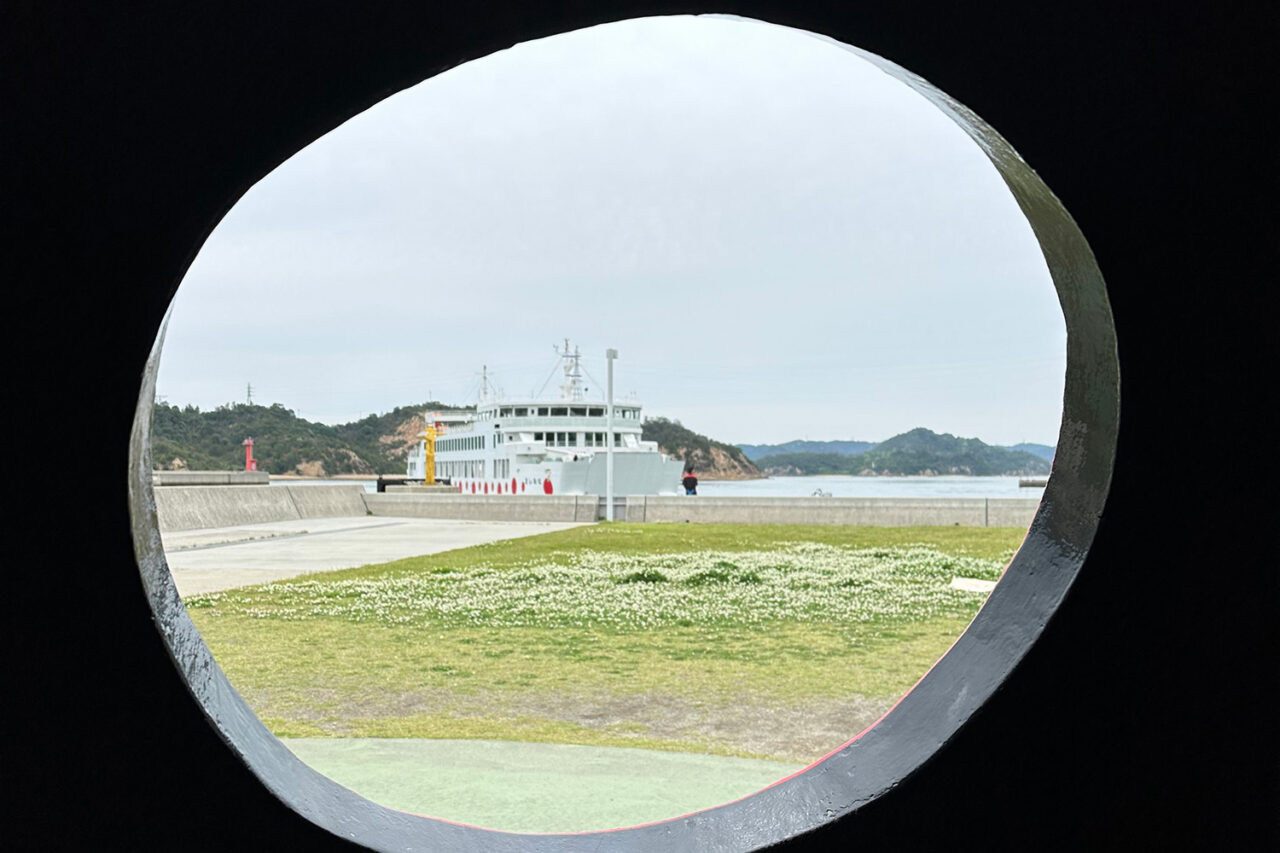
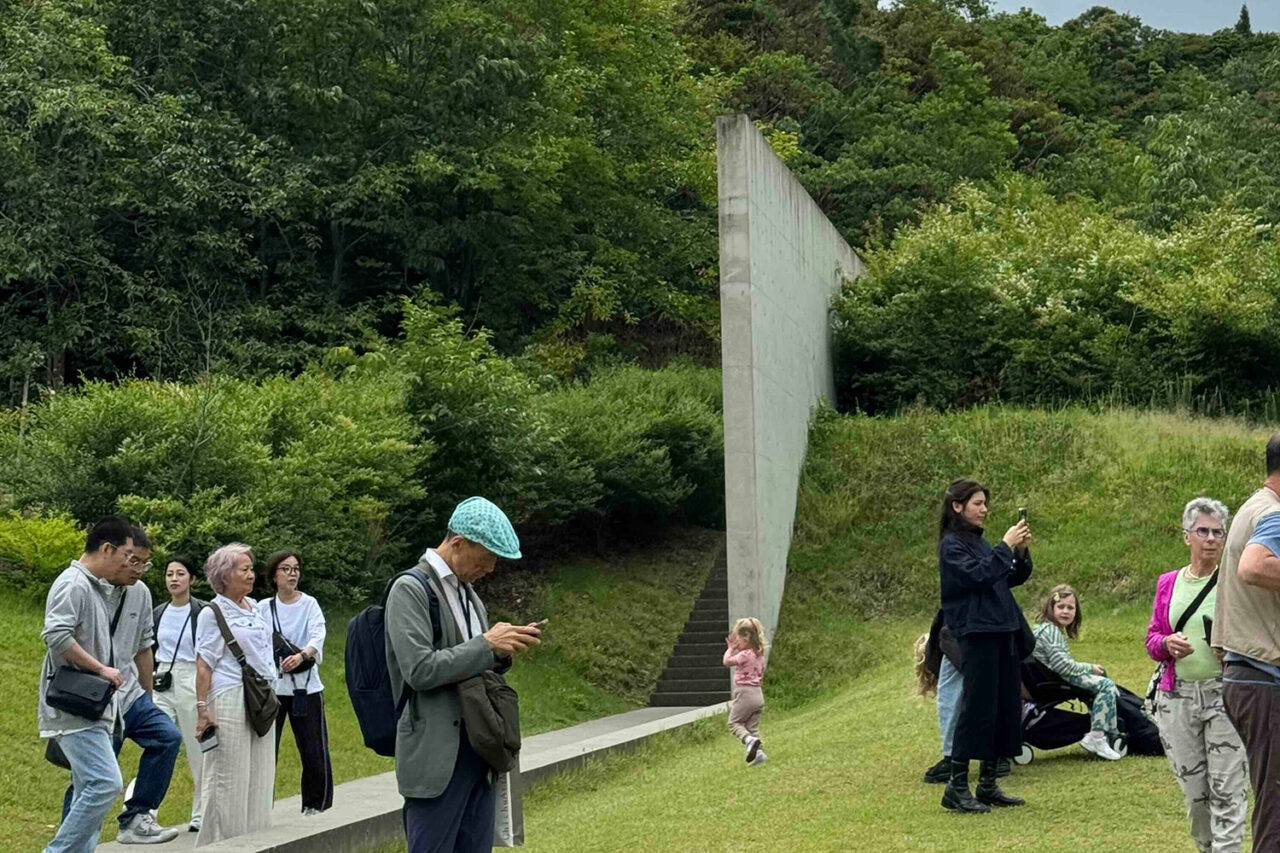
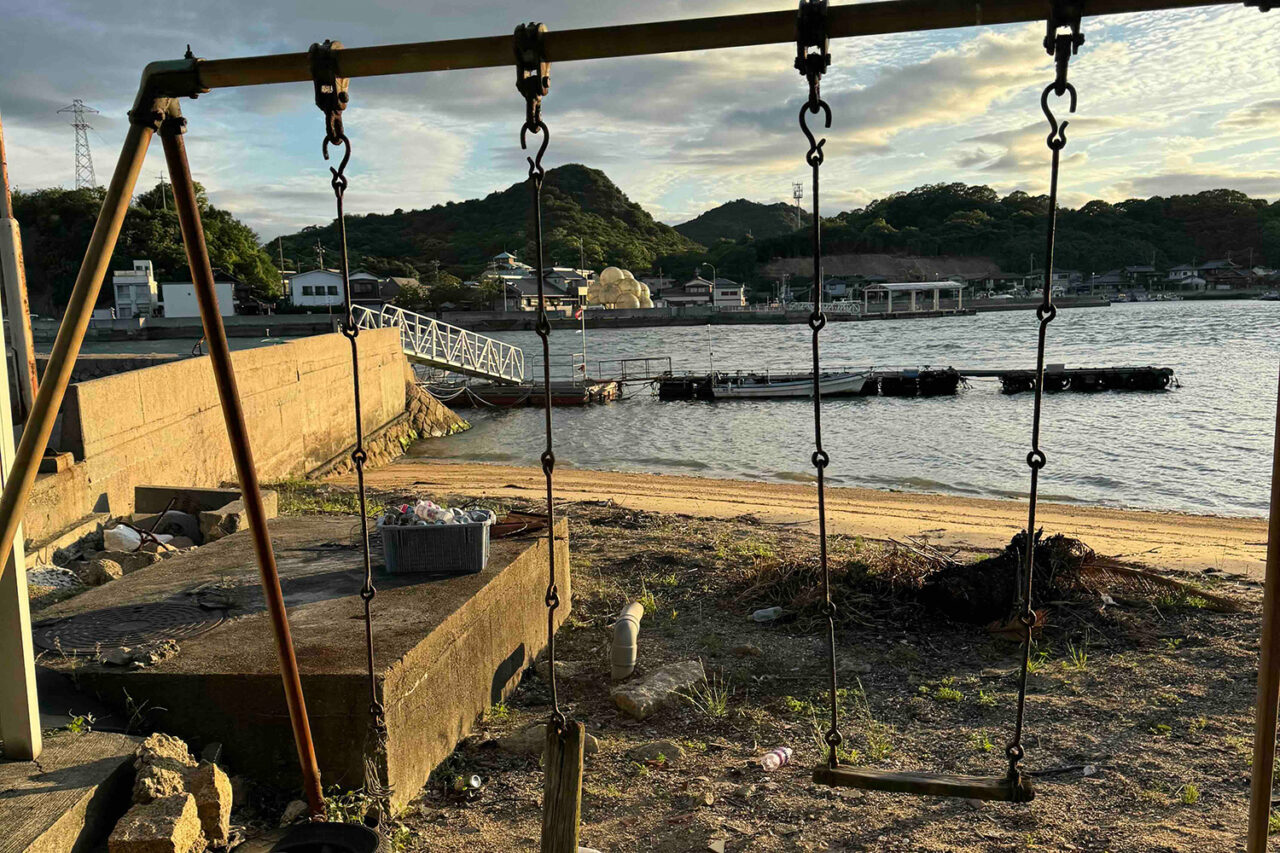
Naoshima and its neighboring art islands offer a rare laboratory for understanding how architecture, culture, and ecology intersect. Once marked by decline, the islands have been revived through museums and site-specific artworks that generate jobs, tourism, and global visibility. Yet this cultural economy also strains fragile infrastructures such as water, waste, and energy, and unsettles daily life for long-term residents. My project will investigate how museums function as both lifelines and commodities: ecological actors, economic engines, and agents of preservation and displacement. Through fieldwork and documentation, I aim to illuminate new roles for cultural institutions in sustaining fragile geographies.
Lucy Navarro is a designer and educator based in Brooklyn, New York. She teaches at Columbia University’s Graduate School of Architecture, Planning and Preservation (GSAPP), where her studios and research explore architecture as a living archive, revealing how design, labor, and ecology intertwine in the making of community. Her work investigates how cultural institutions and museum economies shape fragile environments and local identities, examining the often invisible frameworks that sustain or strain communities through tourism, infrastructure, and design. Grounded in professional experience with museums and cultural institutions, Navarro approaches architecture as both a social and ecological record of collective life.