





by: Linda G. Miller



Brooklyn’s Bergen Street Unveils Luxury Residential Condo
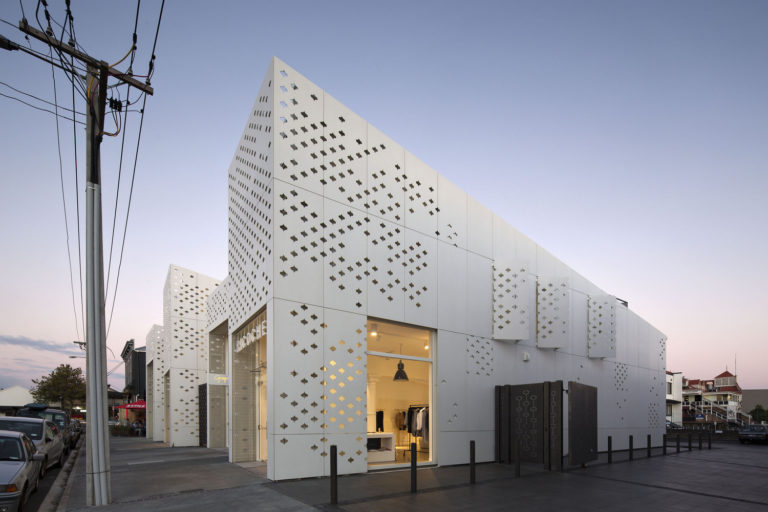
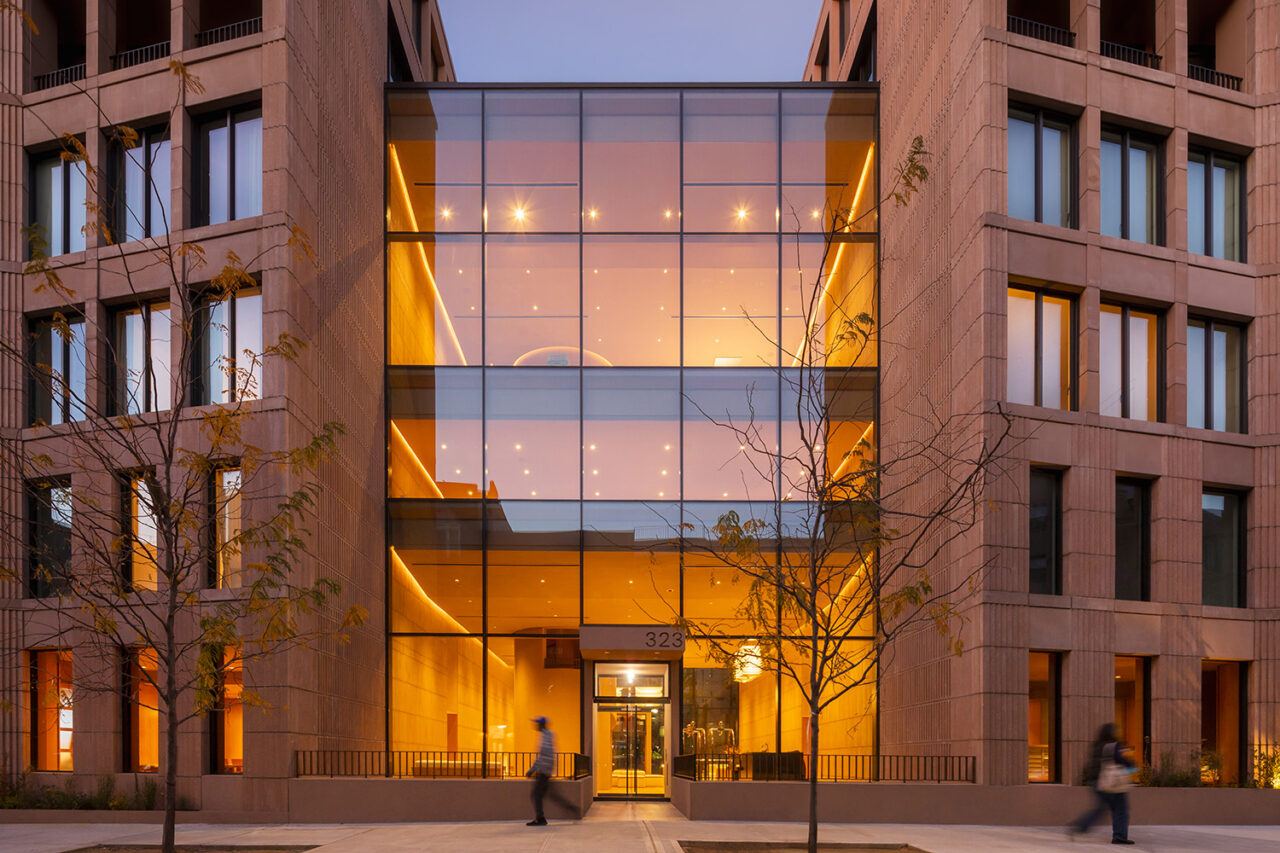
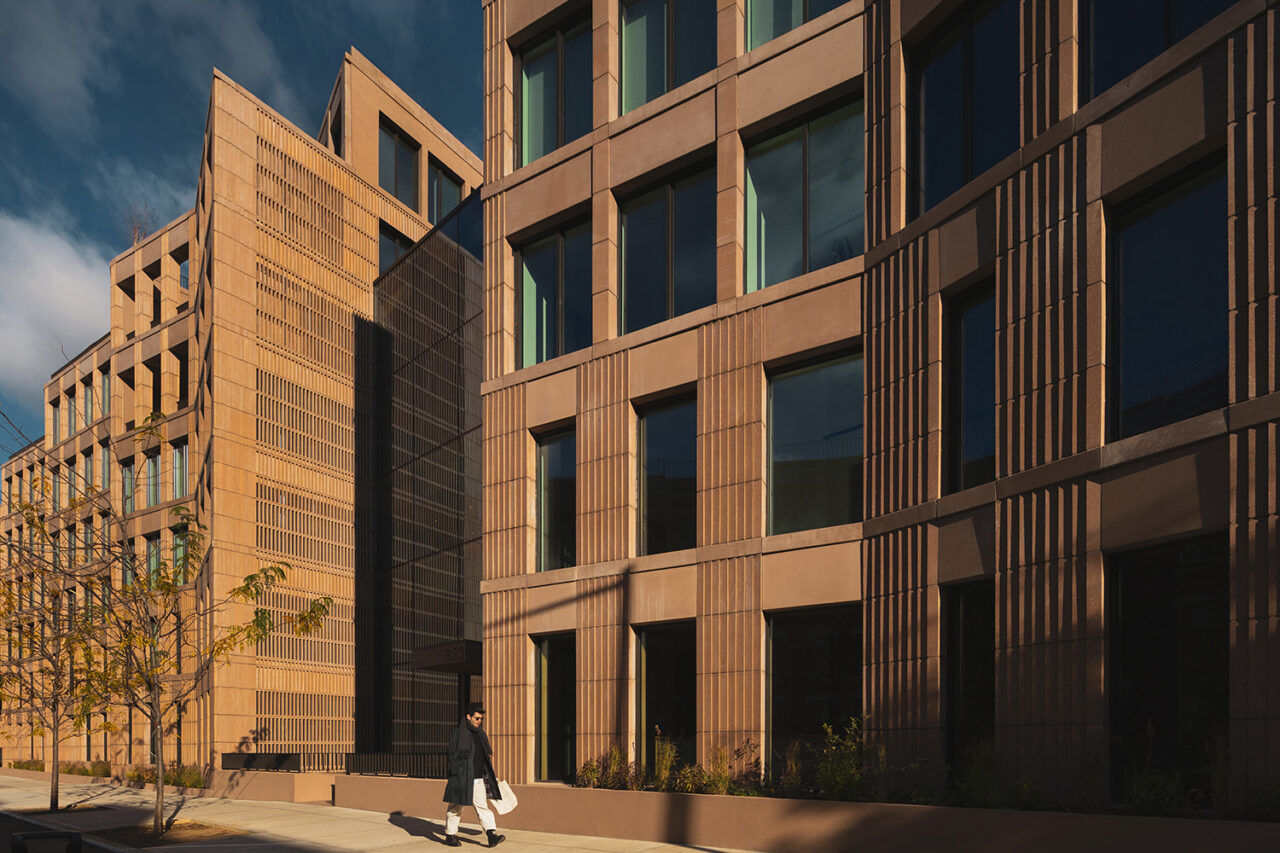
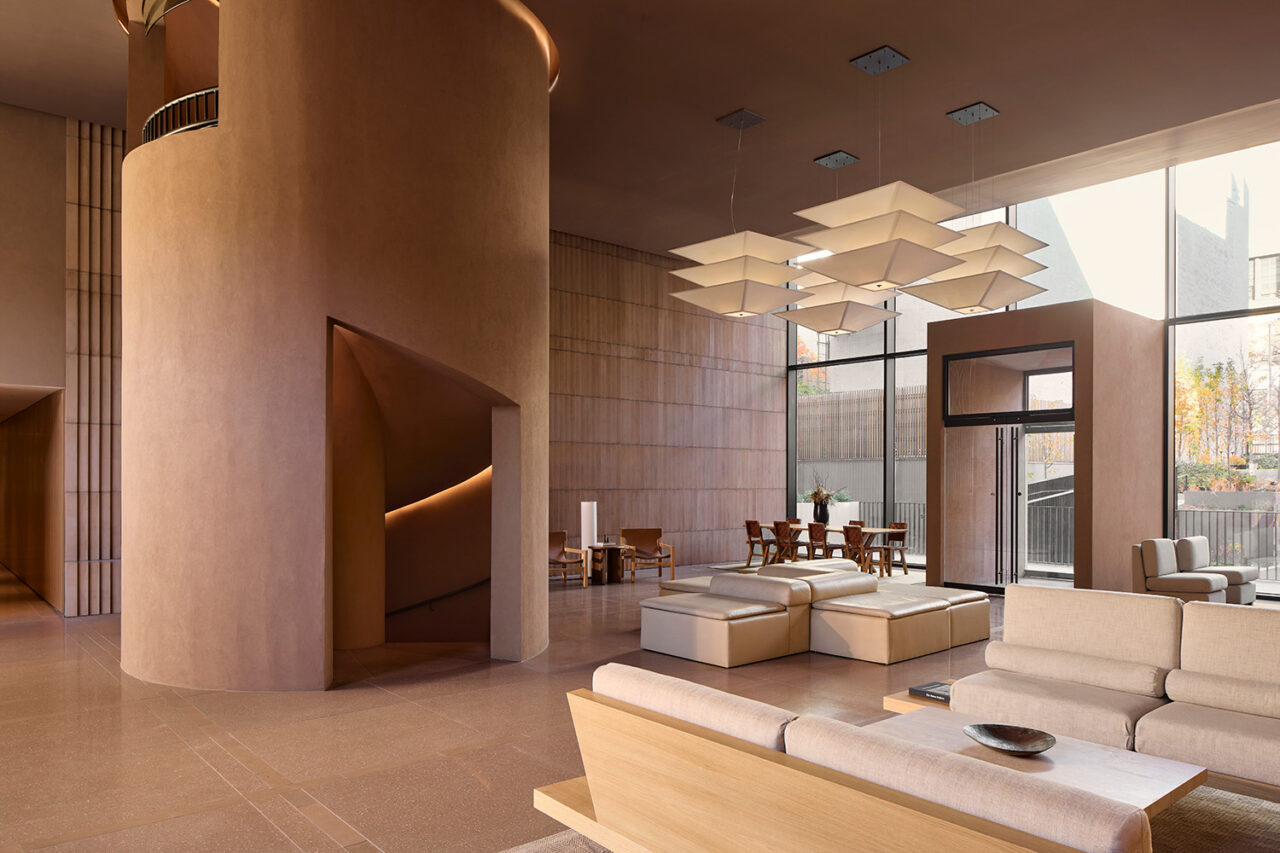
Bergen Brooklyn, Frida Escobedo Studio’s first residential condominium project in New York City, has been completed. Located at 311 Bergen Street in Boerum Hill, a low-rise neighborhood in Brooklyn, the seven-story residential building occupies a 400-foot-long site that was previously a parking lot and an open-weather shed. The 209,000-square-foot building is bisected by a rectangular glass volume that acts as a visible break in the street wall and marks its main entrance. Dubbed “The Glass House,” the 14,500-square-foot amenity space contains four levels programmed for community, health, wellness, and the arts and connected via a cylindrical totem stair. Two residential wings flank the amenity space and are divided into vertical groupings of apartments, that gradually recede from the sidewalk. The contains 105 apartments ranging from studios to five bedrooms with 53 different types of units, with approximately 75 percent having private outdoor space. The design incorporates a regular grid of columns and openings across the undulating façade. Paying homage to the context of Brooklyn’s brownstones, the facade’s materiality and rhythmic geometry features custom-designed modules with simple geometric forms that fold, stack, and interlock, create a dynamic and porous façade that allows light, shadow, and air to permeate the interior spaces. Residents share 12,000 square feet of exterior amenities, including two landscaped rooftop parks. From Dean Street, a meandering forest-like garden containing activated pocket parks leads to a footbridge that connects to the rear of the amenity volume. The sunken planters that line Bergen Street also lead to the lower level of the space. Bergen Brooklyn is a collaborative project: design architect Frida Escobedo Studio worked with the project’s master planner, DXA Studio, and is also credited with the material expression of the building including the façade; DXA worked with Patrick Cullina on the landscape design. Workstead led interior design of the residences and amenity spaces. GF55 served as the architect of record for project developer Avdoo.
Wagner Park Pavilion Unveiled at Battery Park
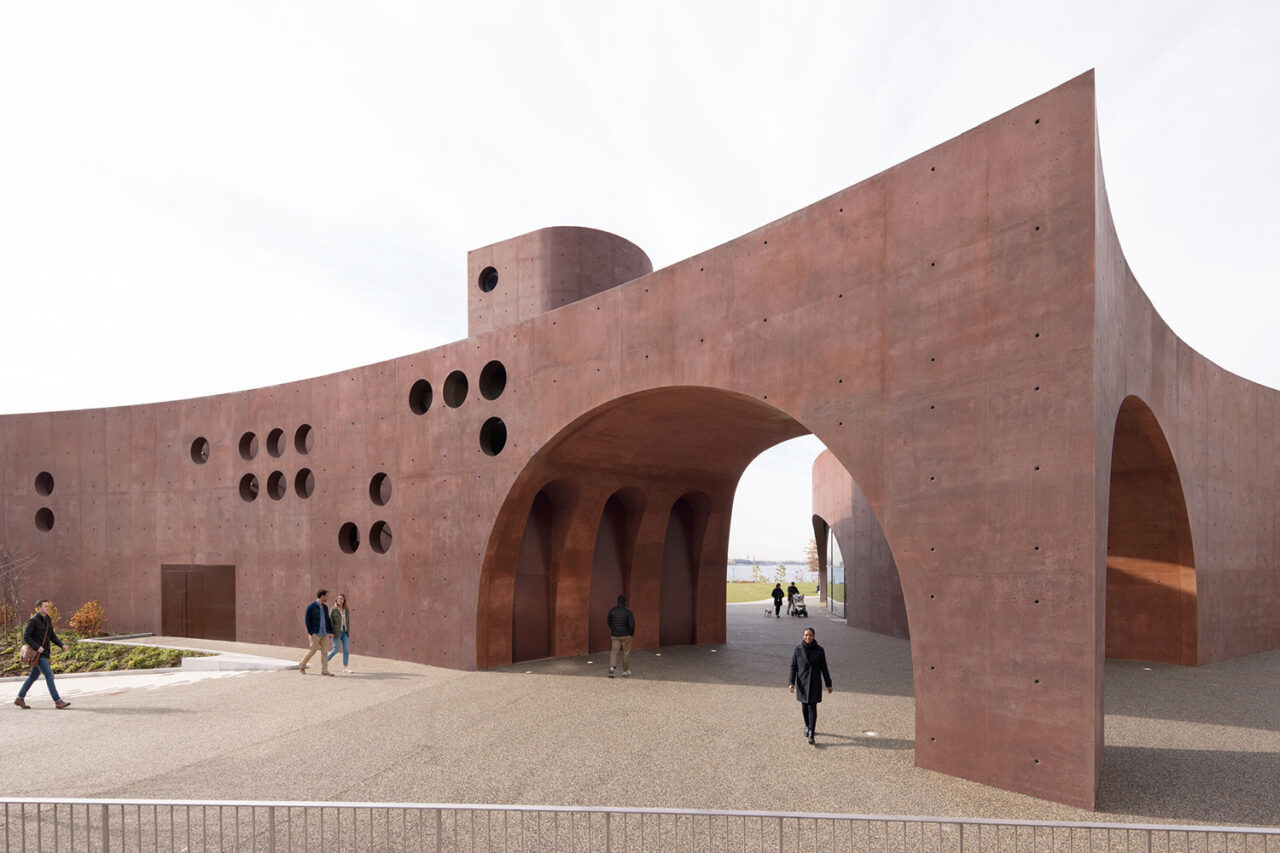
The Thomas Phifer and Partners-designed Wagner Park Pavilion has recently opened in Robert F. Wagner Jr. Park. The park is located just south of Battery Park City and visitors can arrive from Battery Place by moving up through two sloped gardens, or via the park’s waterside esplanade, ascending the accessible ramps and stairs that provide multiple options for access. Arched vaults welcome the public to the entry piazza, which serve as the gateway to the park. As visitors pass through, the expansive green park and the harbor come into view. Composed of two cast in place concrete and painted steel circular volumes joined the roof, totaling over 19,200 square feet, the Pavilion’s deep, warm red color is in harmony with Battery Park City’s brick buildings and its curving walls echo the surrounding typography and gardens. The building’s interiors are still under construction, and upon completion, one wing will contain a restaurant, and the second will have a classroom/community room. The restaurant is said to have indoor dining for 80 patrons at park level, outdoor dining, and public restroom. Two grand stairs and an accessible elevator bring visitors up to the observation deck on the roof and for 360-degree views of the harbor and Lower Manhattan and houses maintenance operations. The roof design features plantings that overhang and soften the edge of the roof parapet and complement the plantings on the nearby Museum of Jewish Heritage. Sustainably designed, the fully electric and free of on-site combustion project is pursuing International Living Future Institute (ILFI) Zero Carbon Certification, the Pavilion is fully electrified and free of on-site combustion, setting a high bar for sustainable design. The park, which opened to the public last July, is part of the South Battery Park City Resiliency Project. Led by the Battery Park City Authority (BPCA) the 3.5-acre park, designed by AECOM, underwent an 18-month closure and redesign to protect it from rising sea levels and storms. The plan for the park received a 2026 AIANY Merit Award in Urban Design.
Abandoned Industrial Site in Hoboken to Transform into Waterfront Park
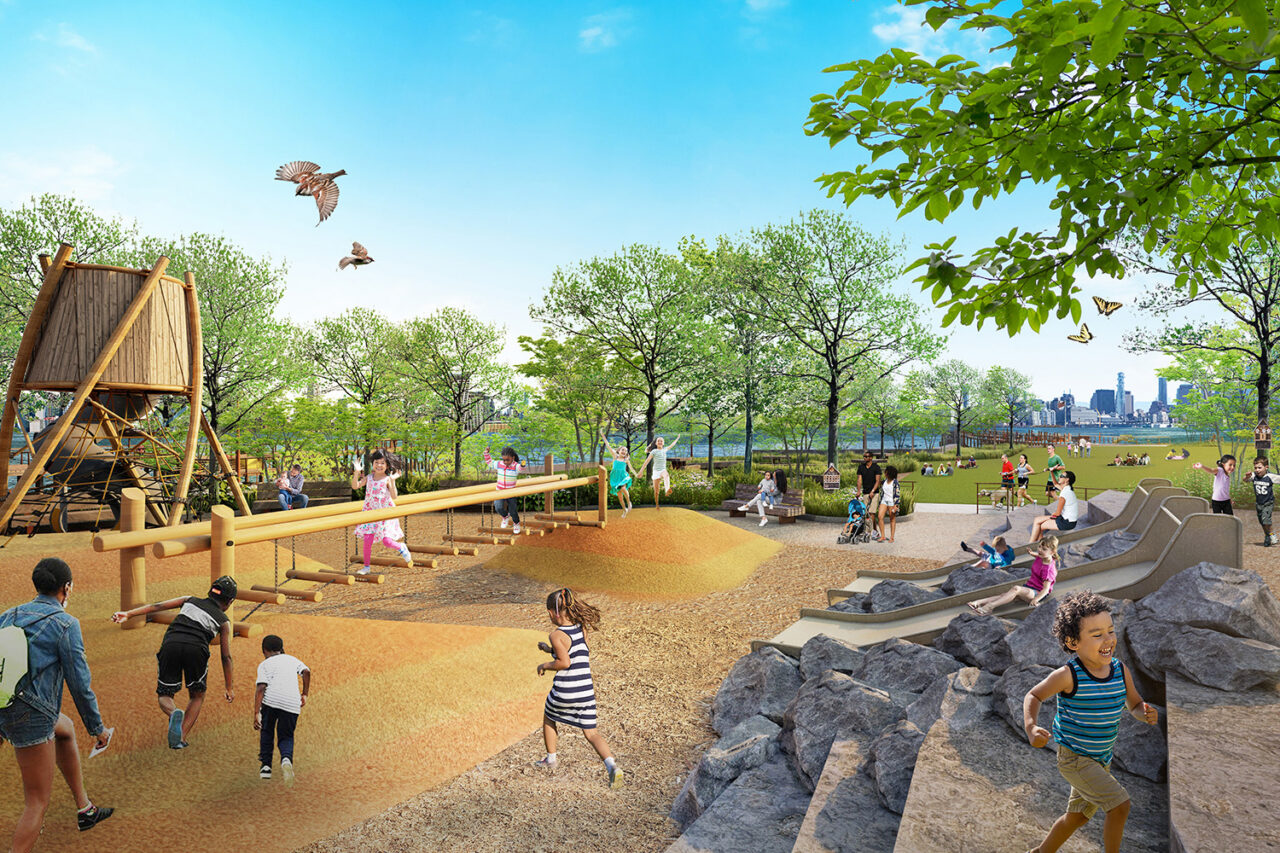
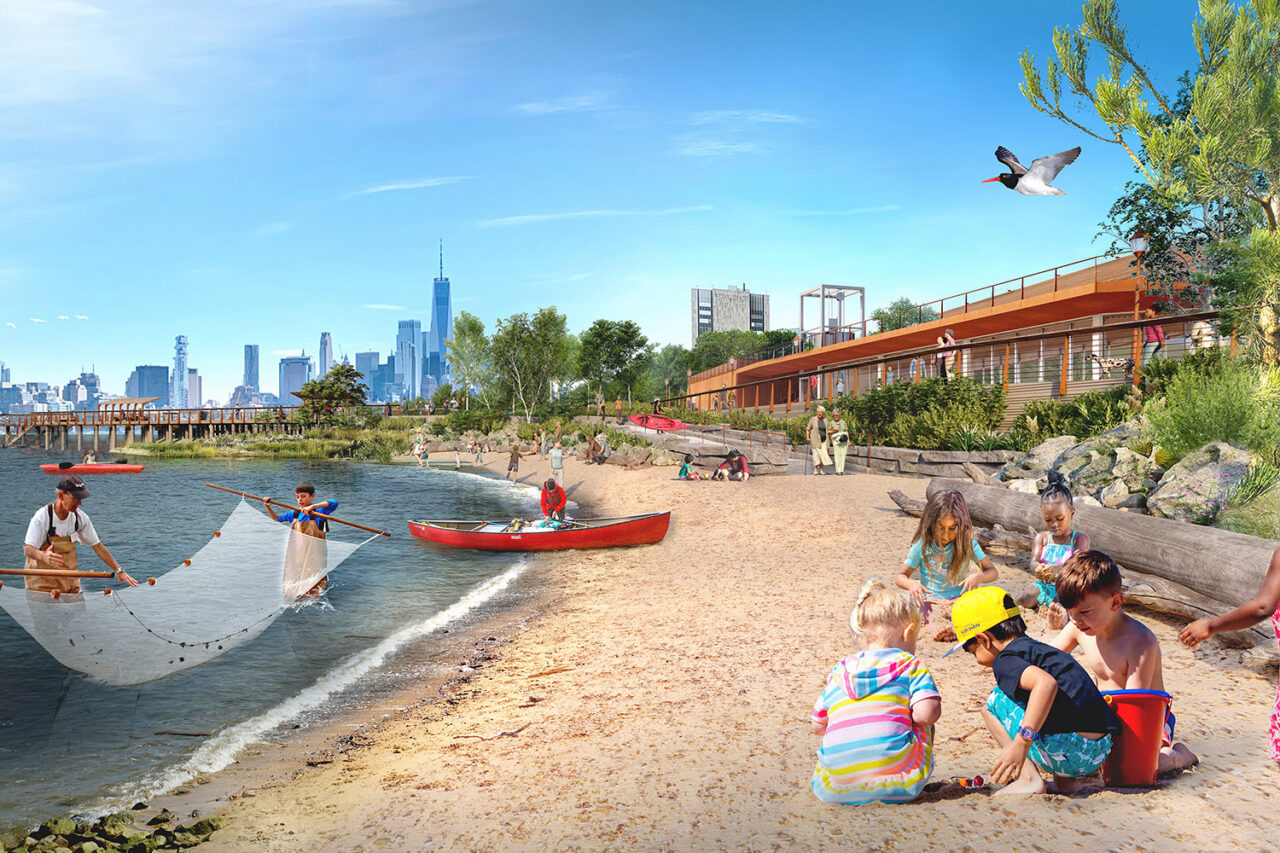
A recent groundbreaking ceremony marks the start of construction on Maritime Park, ending a decades-long effort to create a continuous publicly accessible waterfront park. The new 8.7-acre park transforms the abandoned Union Dry Dock, the last remaining industrial site along the Hoboken waterfront into a world-class park that completes Hoboken’s section of the New Jersey Hudson River Walkway. The plan includes a modern skate park, a flexible lawn, a learning pier for marine education, a living shoreline with marshes and tide pools, a natural-materials playground, and a community hub with a rooftop observation deck. Working collaboratively with the City of Hoboken and community members, a design team led by Dattner Architects and SCAPE Landscape Architecture crafted a framework and concept design for the park that features maritime-inspired community spaces and amenities, as well as natural features that increase biodiversity and resilience to coastal flooding. This includes the establishment of an enhanced shoreline that incorporates native ecologies and habitat, including a tidal marsh, on-site stormwater management through rain gardens and bioswales, and a robust tree canopy to reduce the impacts of the urban heat island effect. The design incorporates passive resiliency by elevating structures and optimizing programming such as lookouts and viewpoints. The design directly responds to the preferences expressed by Hoboken residents throughout a series of community meetings and surveys held over a ten-month long process which informed the design.
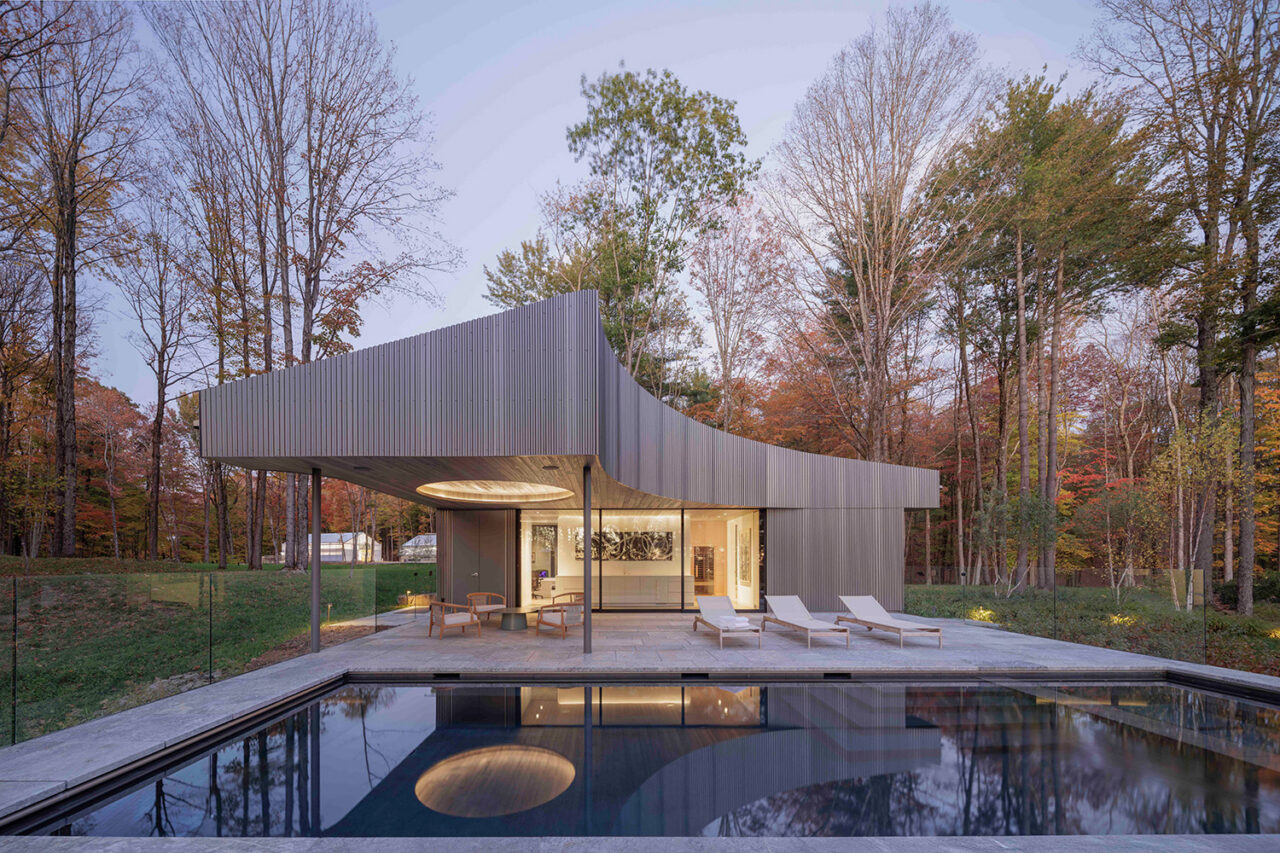
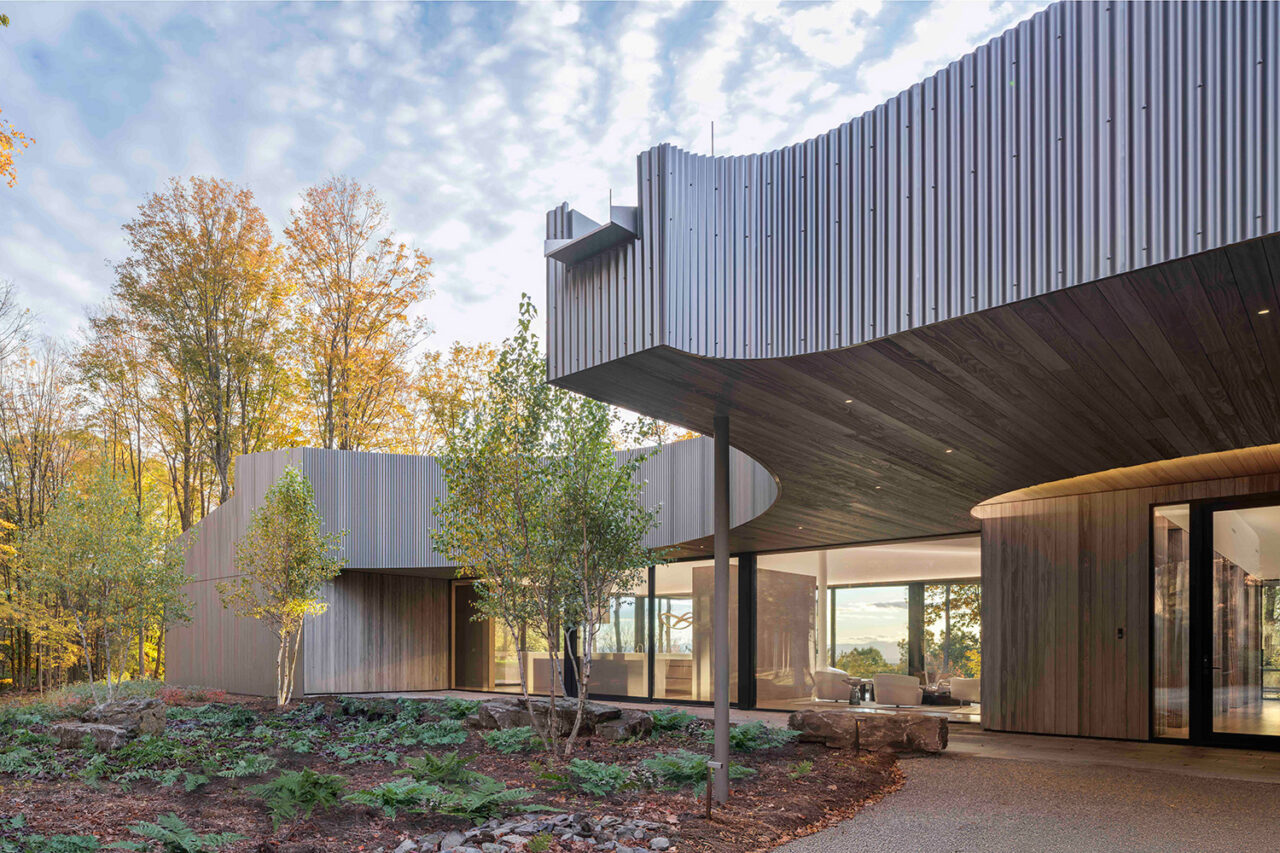
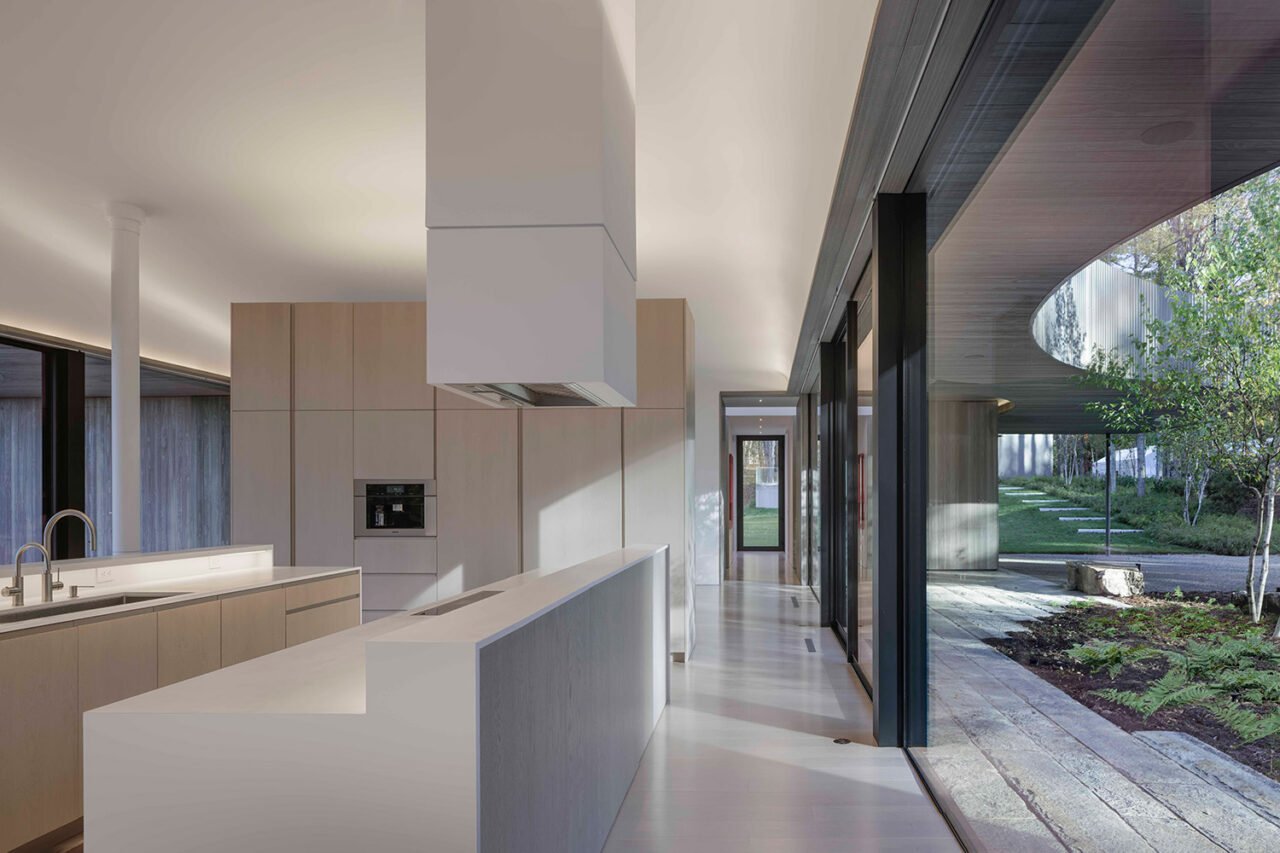
Like other New Yorkers, the pandemic drove the owners of Chatham Residence to build a retreat from the city, which evolved into a “second act” home and a working farm on an 80-acre site in Columbia County. The property primarily contained second-growth forest crisscrossed by stone walls that had once marked off pastures and fields. Desai Chia Architecture designed an ensemble of buildings featuring a 3,500-square-foot three-bedroom residence, 700-square-foot guest house, a farm, and pond pavilion without endangering the natural environment. The residence is sited on a crest and floor-to-ceiling glass in the social rooms face the forest and Catskill Mountains. The open midsection reveals the vista and from the interior, the residents enjoy views from the forest understory to the tree canopy to the sky. The design of the roof is inspired by native oak leaves. Curved overhangs provide shade and protection from the elements while also casting shadows that mimic nature. Rugged corrugated metal siding, frequently used in contemporary farm buildings, is used as the building’s main sheathing. Plain-sawn accoya wood accents the corrugated metal details at the covered outdoor seating areas, the underside of the overhangs, and also is used to define interior passageways. The guest house contains an outdoor lap pool, spa, and a sheltered lounge terrace, kitchen, bathing suite, home office, and guest bedroom. Along a path organized by Wagner Hodgson Landscape Architects are pastures for livestock, is a custom greenhouse and polycarbonate clad barn developed in collaboration with Rimol Greenhouses. The translucent skin of both structures allows diffused light to bathe the interiors, supporting year-round growing and animal care, while at night they register as softly illuminated lanterns in the field. The path leads to a natural spring-fed pond with a pavilion constructed of galvanized steel columns and curved steel beams, fitted together on site and clad in aluminum standing-seam panels. Its form is composed of three intersecting cylinders, sliced and offset to create seating and viewing platforms at varying heights.
Columbia University Converts Former Maranmay Hotel into All-Electric Residence Hall
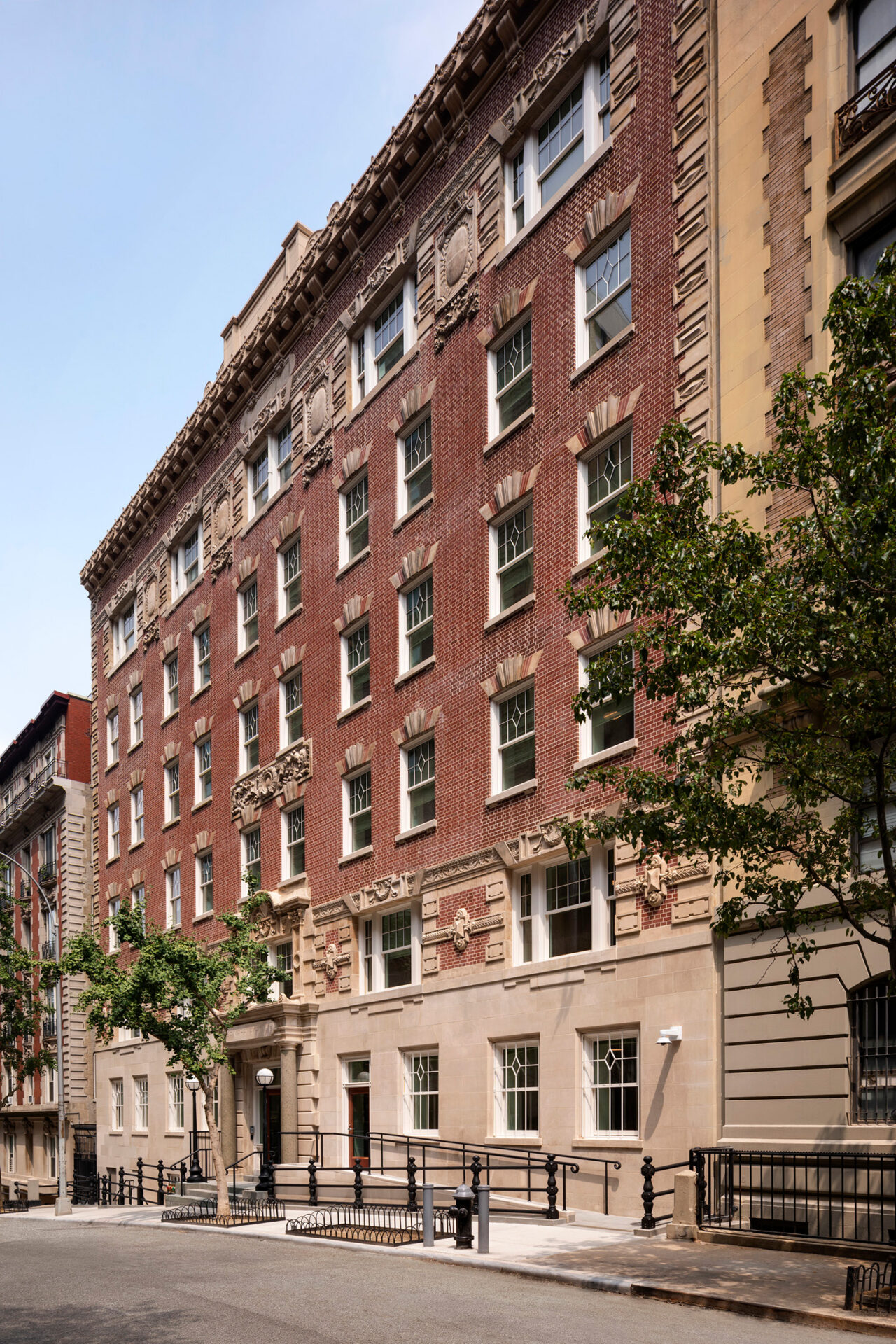
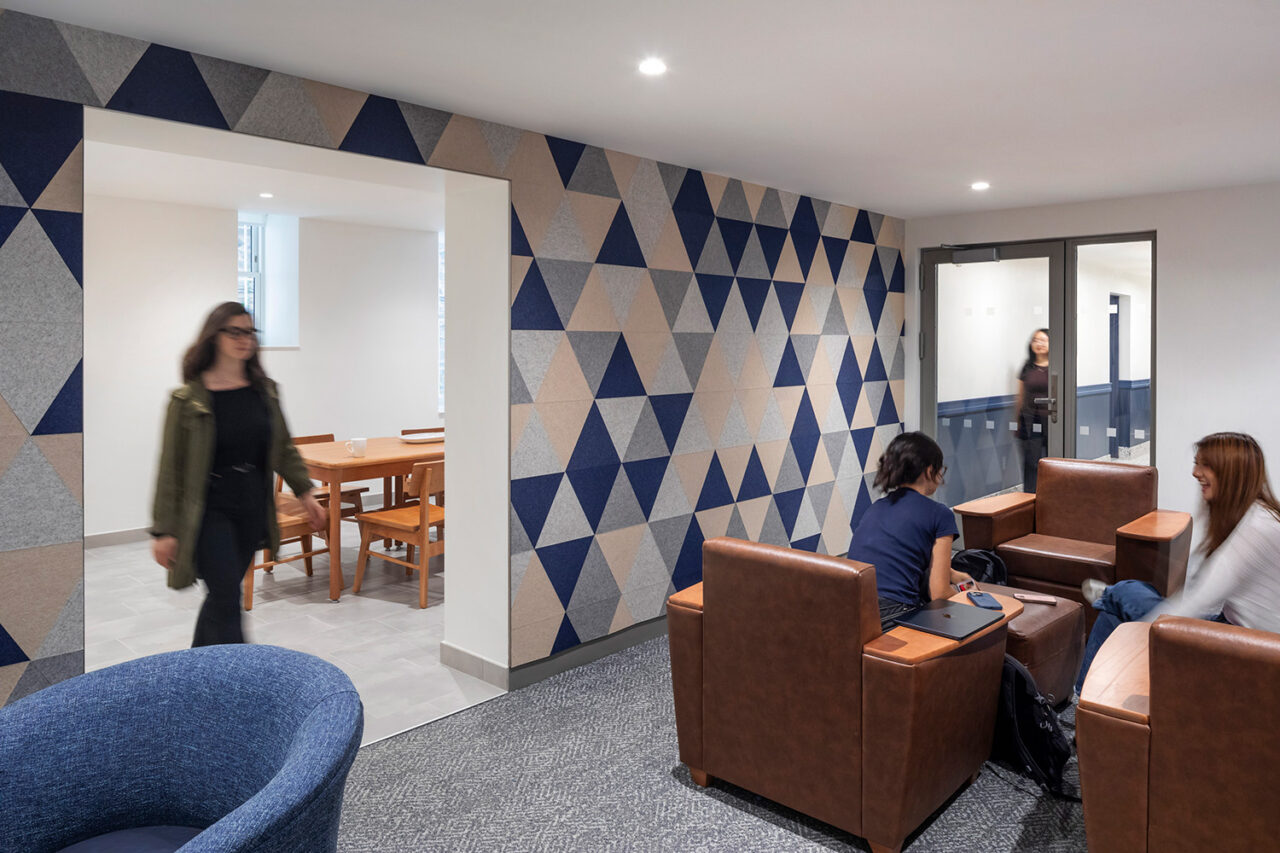
Beyer Blinder Belle Architects & Planners (BBB) has completed the adaptive reuse of the Maranamay, located at 611 West 112th Street, converting it into a 160-bed undergraduate student residence for Columbia University. The building becomes the school’s first all-electric and LEED Gold-tracking residence hall. Built in 1903-’04 it was later converted into an SRO and left vacant for nearly two decades. The seven-story building had fallen into severe disrepair after years of disuse, including partial roof collapse and extensive water damage. Columbia acquired the property in 2022 following its designation as a contributing structure in the Morningside Heights Historic District. The full interior gut renovation replaced floors, windows, and roof structure; introduced an elevator core outside the original building footprint; and reconfigured each floor to include single-occupancy bathrooms, shared kitchens and lounges, and three terraced outdoor courtyards at the lower level. The building is now fully accessible for the first time, with a ramped entrance and regraded path. To remain in compliance with zoning, the renovation had to retain at least 25% of the original mass of the building’s structure and materials which was achieved by introducing new structural steel – either replacing or sistering to existing timber joists to stabilize compromised areas. As Columbia’s first fossil fuel-free residence hall, the project integrates an all-electric systems strategy that advances the University’s Plan 2030 climate goals.
In Case You Missed It…
Sunset Pier 94 Studios, designed by Gensler, and developed by a joint team of Vornado Realty Trust, Blackstone, and Hudson Pacific Properties, debuted its 232,000-square-foot production campus, which includes six soundstages, production support and office space, as well as public waterfront open space in Hell’s Kitchen along Manhattan’s West Side.
The Landmarks Preservation Commission (LPC) has expressed conditional support for the conversion of Fort Greene’s Hanson Place Central United Methodist Church, into the base of a 27-story residential tower designed by FXCollaborative and ADP Architects, with most commissioners backing the overall concept while calling for revisions to better preserve the church’s identity.
Mayor Zohran Mamdani has announced that the City is launching a new program to expand access to public bathrooms. New York City Economic Development Corporation (NYCEDC) will release the RFP seeking bids to install public bathrooms at a lower cost and on a faster timeline than existing public bathroom installations. The Mayor announced the new program at 12th Avenue and St. Clair Place in West Harlem, where he and City Council Speaker Julie Menin signed the final approvals for New York City Department of Transportation (NYC DOT) to install a new public bathroom, which will be free, fully accessible, and self-cleaning on the site later this year.
As part of the Union Square Partnership’s (USP) “Bright Nights Out” initiative, “Pattern Behavior,” an interactive light and sound installatio designed by Boston-based MASARY Studios, will be on view every evening through February 17 at Union Square Park’s North Plaza and Pavilion on 17th Street. The installation turns the footsteps and rhythms of passersby into a dynamic audio-visual composition that evolves throughout the evening hours. Using infrared sensors, the installation translates these movements into patterns of light and sound.