




by: AIA New York
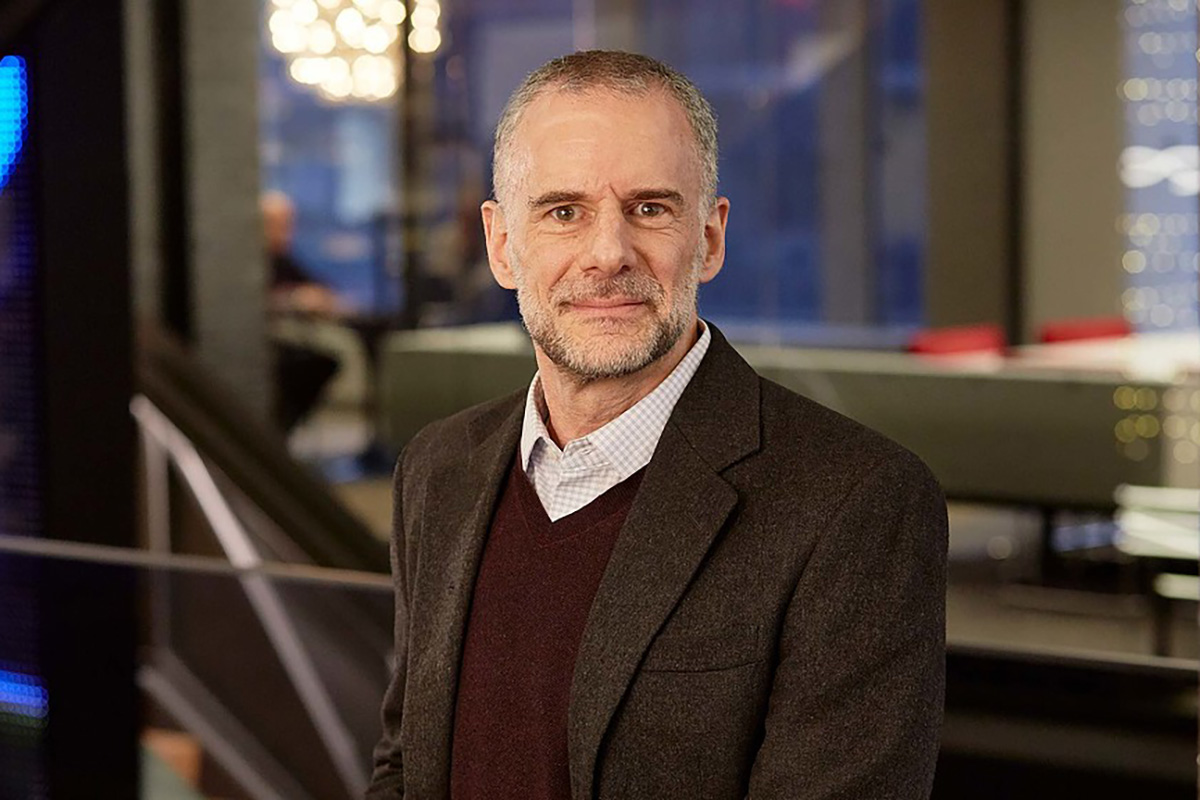
Mark J. Thaler, FAIA, has created a vibrant, impactful education practice by developing a unique participatory discovery framework and robust research methodology that benefits educators, students, designers, and the community at-large across age, socioeconomic, and geographic spectrums.
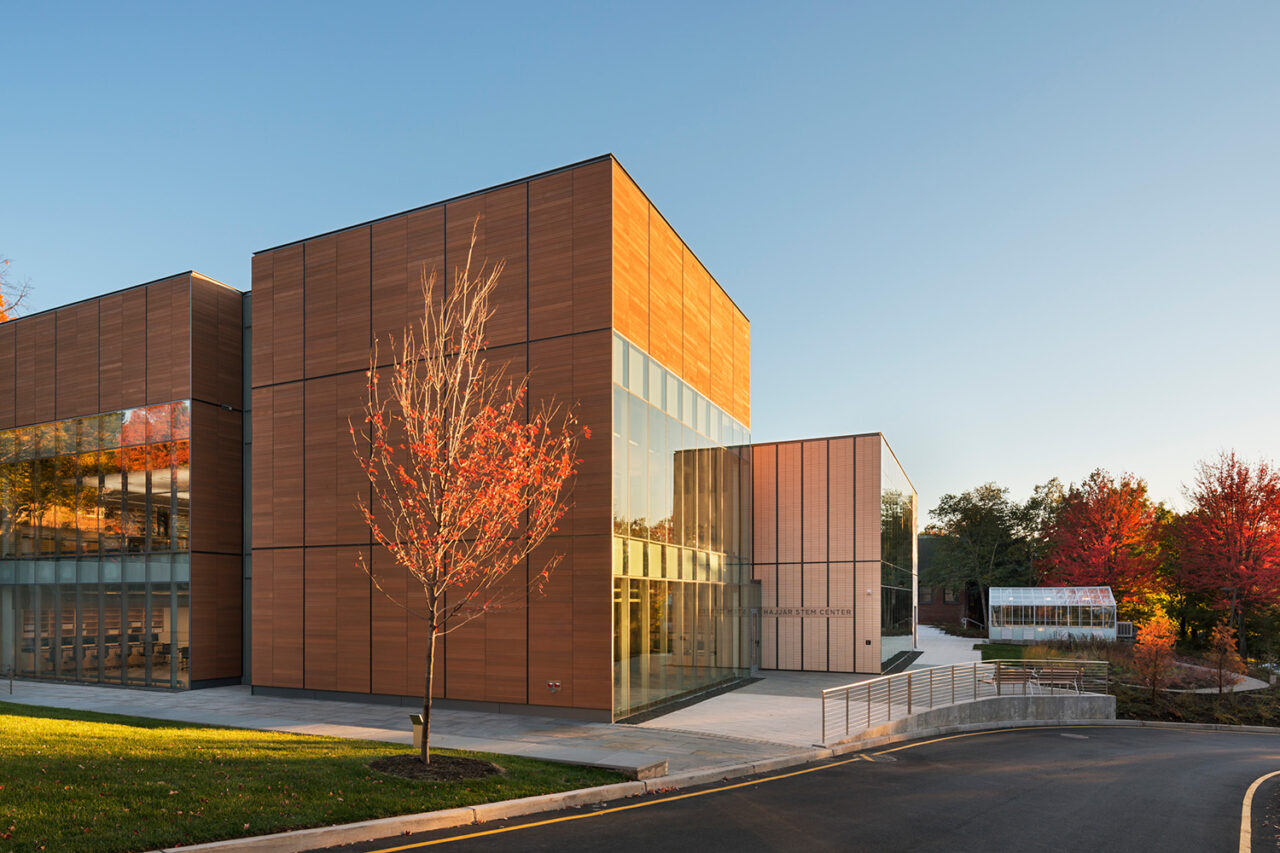
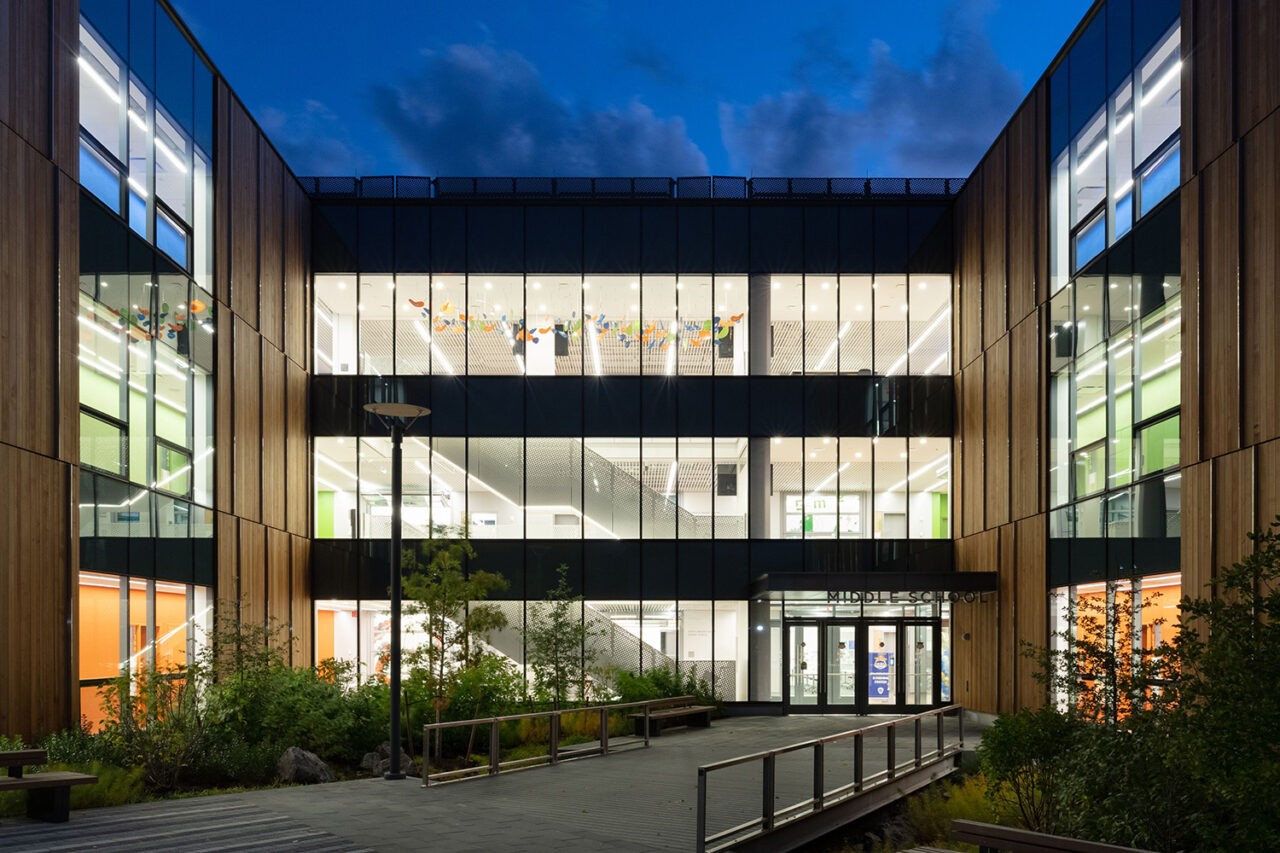
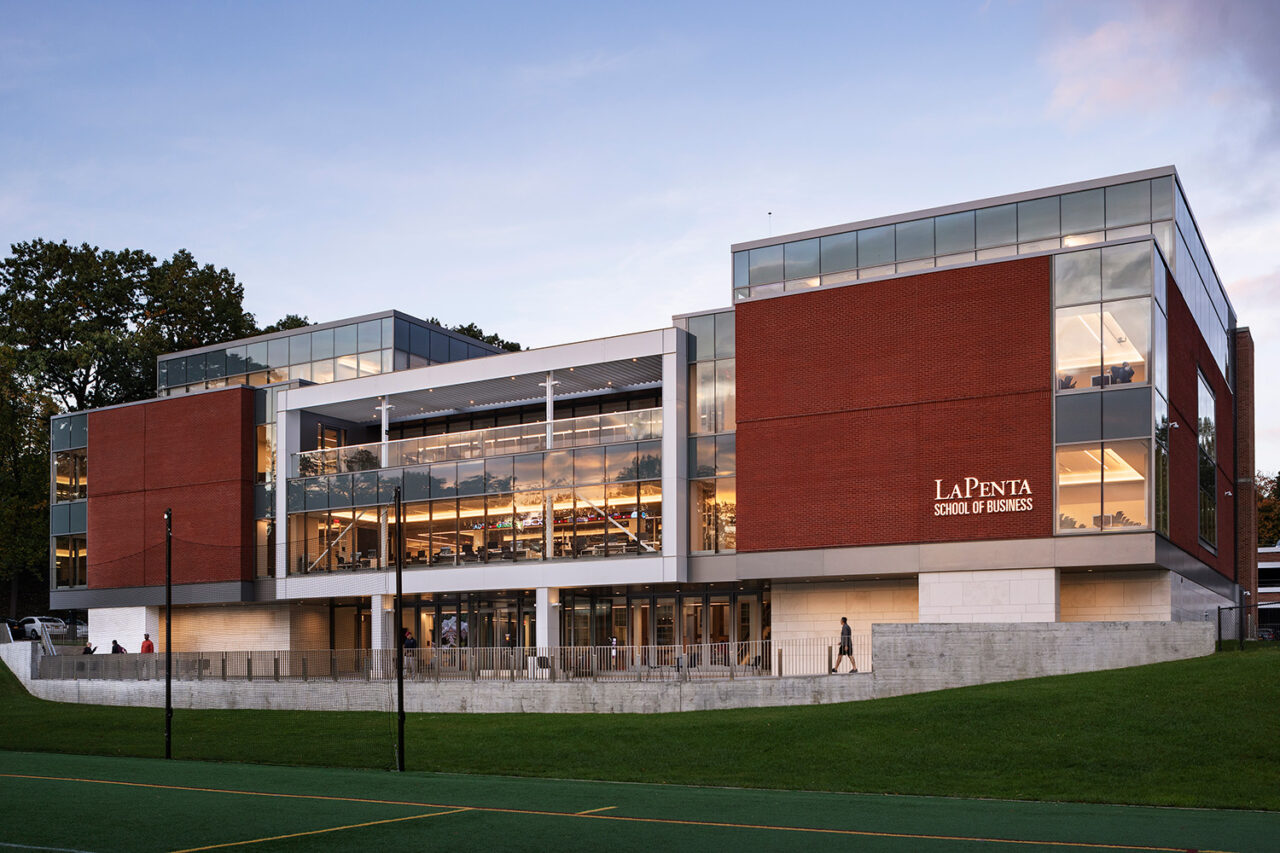
With over 30 years of experience, Thaler is the global co-leader of Gensler’s Education practice and is one of the firm’s experts in the design of learning environments and student spaces. Located in the New York office, his projects span the academic spectrum, from K–12 through higher education, both nationally and internationally, and have been recognized with numerous accolades, including an Award of Merit from the AIA Committee on Architecture for Education, as well as a Citation from AIA New York State for the Hajjar STEM Center. The D’Angelo Center at St. John’s University was a multiple award-winner, receiving an Award of Honor from the Society of American Registered Architects, a Queens Chamber of Commerce Building Award, and a Brick Institute Award. Additionally, Thaler is a leader in Gensler’s Education Research Program, studying the intersection between learning phenomena and design. He has presented his work and research at SXSWEdu, SCUP, STEMTech, and the No Name Conference, and ran a workshop at the 2015 LEFT Conference. He is also on the National Board of Schools That Can and currently chairs its impact committee.
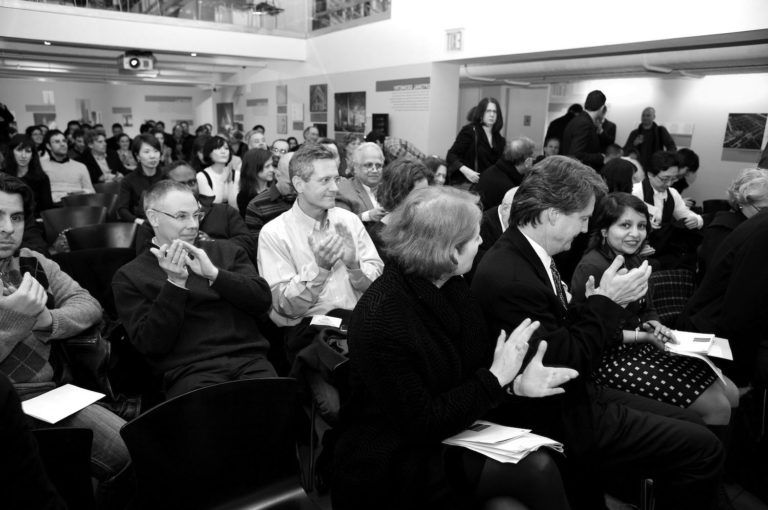
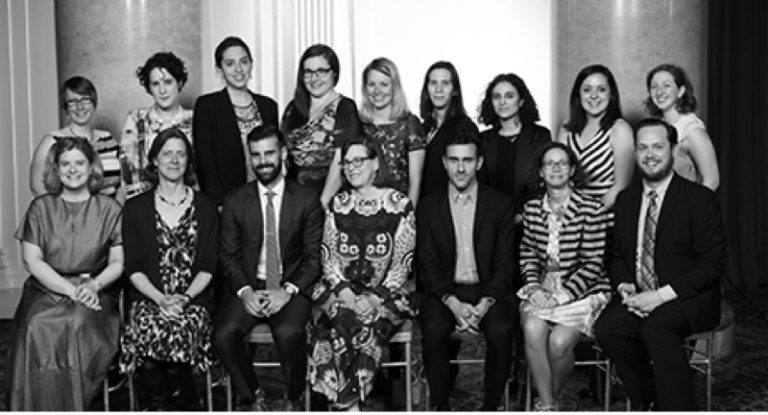
This year, the Jury of Fellows of the AIA elevated Thaler to its prestigious College of Fellows in the second category of Fellowship, which recognizes architects who have made significant contributions to architecture in practice management or technical advancement. Thaler was honored for creating “a vibrant, impactful education practice by developing a unique participatory discovery framework and robust research methodology that benefits educators, students, designers, and the community at-large across age, socioeconomic, and geographic spectrums.” His distinction was celebrated at the AIA Conference on Architecture from June 4–7 in Boston, MA, as well as at the Center for Architecture during the 2025 New Fellows Celebration on March 19.
Q: What is influencing your work the most right now?
I have always been influenced by process. Making sure that we are rigorous in engaging with stakeholders, understanding the decision-makers, and creating a clear project north star that gets validated throughout the entire design process, including scope and budget alignment.
Q: What are some of your favorite recent projects that you’ve worked on?
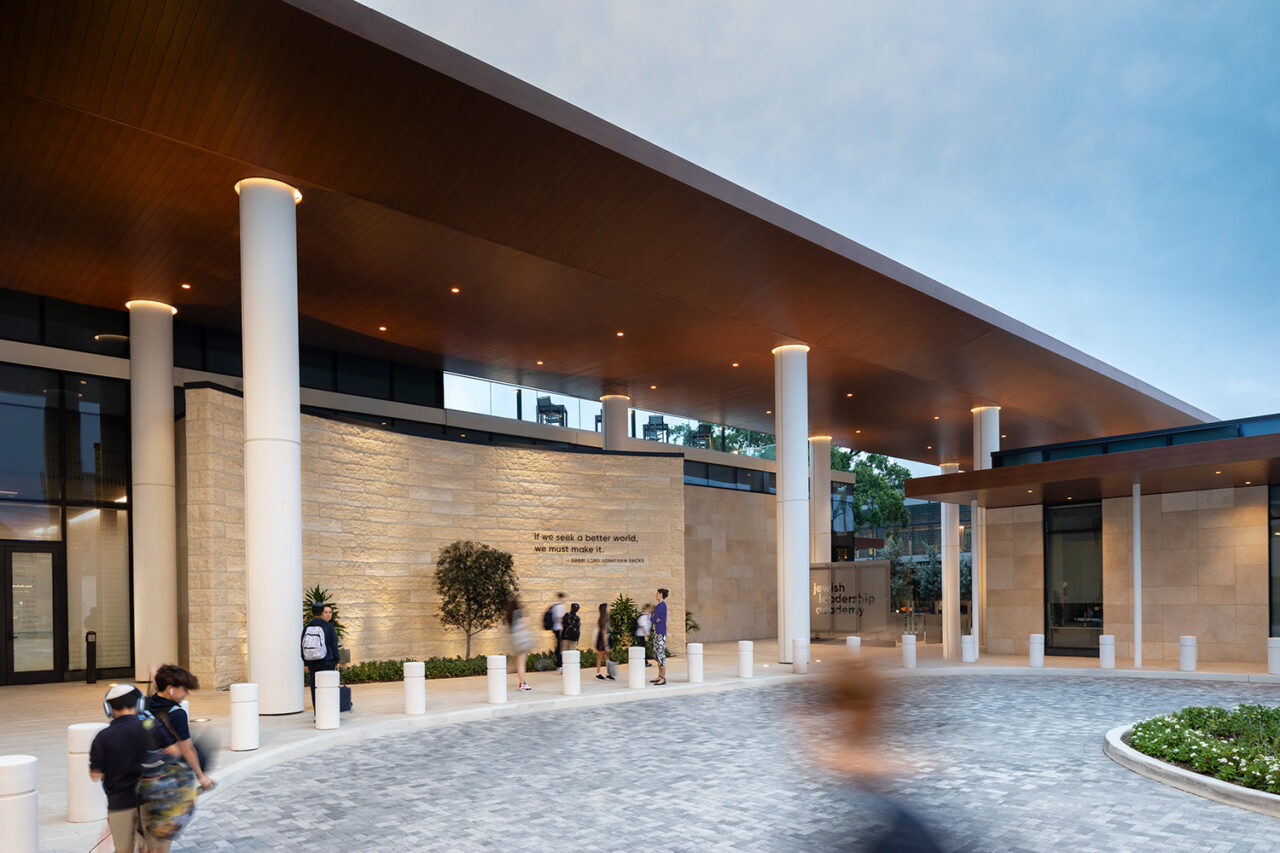
My favorite project recently is designing a new campus for the Jewish Leadership Academy in Miami. Its founders were truly inspirational with their mission to create a rigorous academic institution that was rooted in faith and service, with a commitment to be need-blind. Seventy-five percent of the students are on some level of indexed tuition. We designed it during COVID and did not meet the client in person until a year into design.
Q: What do you see as an architect’s role—and responsibility—within our culture?
We all want to be the author of beautiful things and that’s what we are trained to do. But to make truly impactful places we need to have a bigger tent, and bring in our communities so that they feel authorship as well. That makes for architecture that endures.
Q: What do you think are the biggest challenges, or opportunities, facing cities today?
If we can’t figure out how to make public education more equitable across our cities, we are failing as a society. Education is a basic human right and we are doing a terrible job of it.
Q: What are your greatest sources of inspiration?
Hands down—it is students. When we bring them into our process, their insights are staggeringly brilliant.
Editors’ Note: This feature is part of a series celebrating the members of the American Institute of Architects (AIA) New York Chapter who are elevated each year to the AIA College of Fellows, an honor awarded to members who have made significant contributions to both the profession and society. Learn more about Fellowship here.