



by: AIA New York
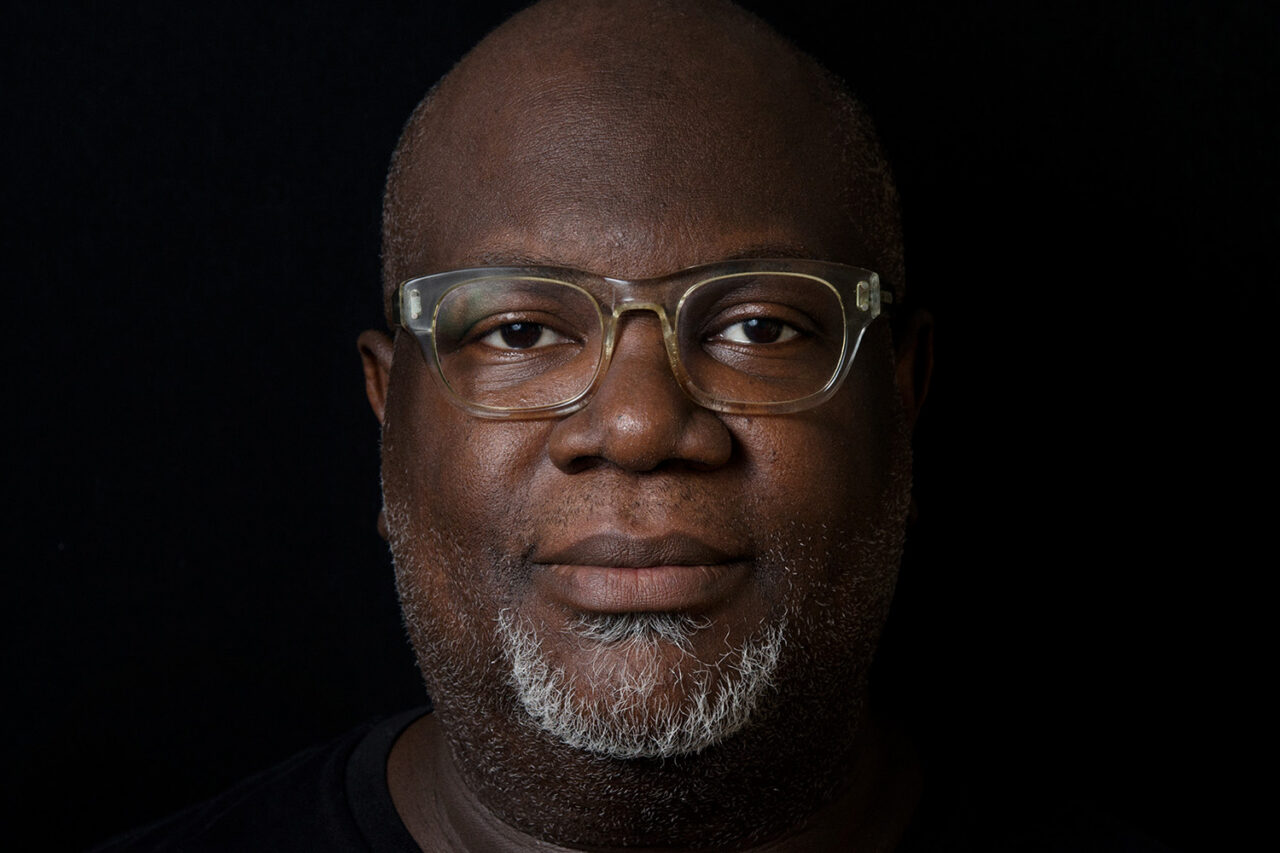

Known for his commitment to understanding the role of design as a social practice, Mark Gardner, AIA, NOMA, is a Principal at the New York-based Jaklitsch / Gardner Architects (J/GA), an award-winning design practice and studio that works across scales from product design to interiors to buildings. He is the 2026 President of the American Institute of Architects, New York Chapter (AIANY), a member of the Exhibition Committee, and a past Co-Chair and current member of the AIANY Diversity and Inclusion Committee, which he helped to restart in 2012 with Venesa Alicea-Chuqui, AIA, NOMA, LEED AP BD+C, WELL AP. Gardner is a Past President and Advocacy Chair for the New York Chapter of the National Organization of Minority Architects (nycoba | NOMA). He is the Associate Professor of Architectural Practice and Society at the School of the Constructed Environments, Parsons School of Design at the New School, where he was also Director of the M.Arch Program from 2017–2021. He served on the Van Alen Institute’s Board of Trustees, the Board of Advisors for the University of Pennsylvania Weitzman School of Design, and the Board of Youth Design Center (YDC) in Brownsville, Brooklyn. He currently serves on the Board of the Let Freedom Ring Foundation in Williamsburg, VA, and the Advisory Board of the Center for the Preservation of Civil Rights Sites (CPCRS) at the University of Pennsylvania.
Q: What are some of the favorite recent projects that you’ve worked on?
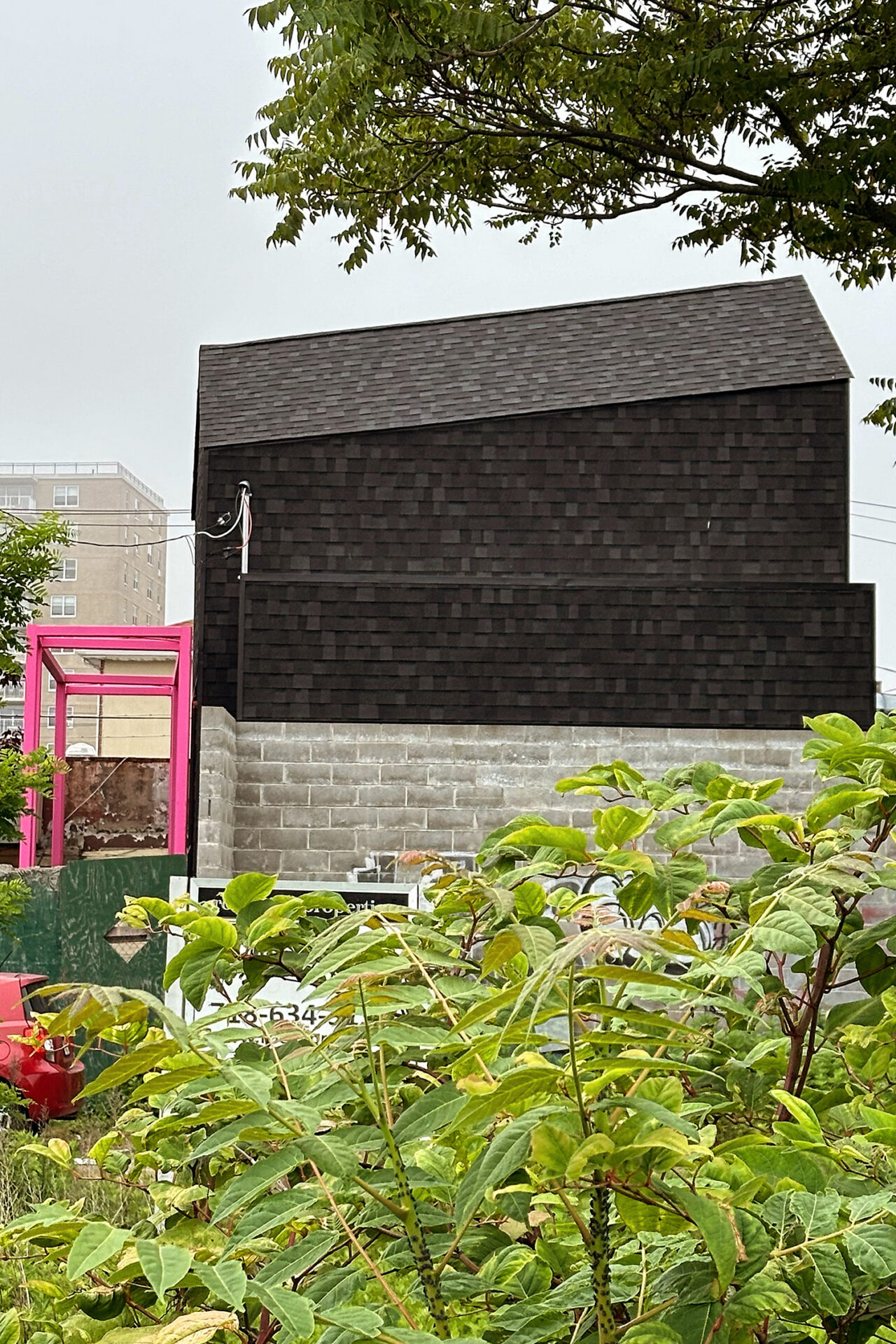
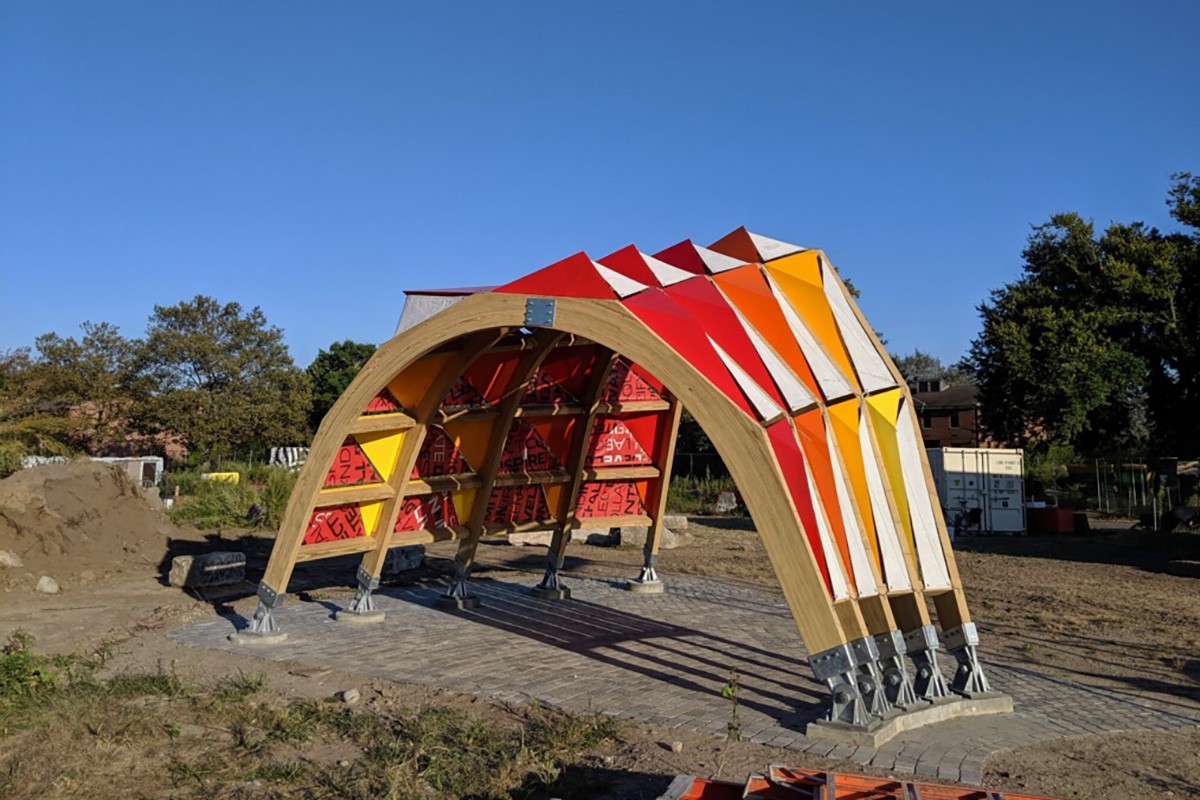
Jaklitsch Gardner Architects (J/GA) is currently spearheading transformative projects that bridge social equity with high-performance ecological design. In Hudson, New York, the firm is developing the Kite’s Nest ReGeneration Campus. This 8,500-square-foot Youth Center featuring a timber-framed building utilizing a straw-bale construction by New Frameworks to create a breathable, energy-efficient envelope. J/GA is leading a major adaptive reuse initiative for The Trust for Governors Island. Their work on Buildings 19 and 20 in Nolan Park rehabilitates historic 1900s officer housing into year-round cultural venues, integrating modern ADA accessibility and resilient systems while honoring the island’s landmarked heritage. We are also working on a Memorial Space for an African Burial Ground in Inwood for BRC and the Dyckman House that honors the enslaved peoples who were buried on the site and the Lenape peoples that inhabited the grounds of Manhattan. All of these projects represent the intersection of our practice and interest in designing for a sustainable future.
Q: What are your thoughts on architectural education today?
Architectural education today sits at a pivotal moment. Schools are expanding conversations around climate justice, public interest design, housing/shelter and equity, which is essential to the profession’s future. There is also growing and necessary research into bio-based materials and regenerative construction methods that reduce carbon and reconnect design to ecological systems. At the same time, a gap remains between academia and practice—particularly around project delivery, finance, governance, and the realities of construction. Students are deeply attuned to social and environmental repair, yet often graduate with significant debt and uncertainty about career pathways. We must better integrate design thinking with technical rigor, business literacy, and civic engagement. Architectural education should cultivate designers who are creative thinkers and ethical leaders capable of shaping a more environmentally focused future.
Q: What do you see as an architect role—and responsibility—within our culture?
As I shared in my presidential remarks on Repair: Democracy and Urban Space, I believe the architect’s responsibility to culture is fundamentally rooted in care. Repair is more than renewal or replacement; it begins with acknowledging what has been damaged—socially, spatially, institutionally—and choosing to respond with intention and humility. Architects are stewards of the public realm, shaping the spaces where civic life unfolds. Our role is to foster dignity, encounter, and belonging through both process and form. By listening deeply and engaging communities authentically, we help rebuild trust. In doing so, we support a culture where democracy is not abstract, but spatially experienced and collectively sustained.
Q: How do you feel about the state of the industry right now?
The industry feels like it is undergoing structural change. The rise of AI—including LLMs and emerging agentic AI systems—is rapidly reshaping workflows, documentation, research, and even decision-making. These tools offer enormous potential, but they also raise questions about authorship, liability, and value. At the same time, economic pressures continue to compress fees, increasing risk while contributing to a slow deprofessionalization of the field. Firms are asked to do more for less and this is happening across many business sectors. Rising student debt further strains the pipeline into architecture, narrowing access and diversity. We are in a moment that demands both technological fluency and renewed advocacy for the profession’s long-term sustainability.
Q: What are your greatest sources of inspiration?
My greatest sources of inspiration are the communities and relationships that surround the work. I am deeply motivated by the support of clients, colleagues, students, and collaborators who remind me that architecture is never a solo act. Being a witness to the journeys of fellow architects—their risks, growth, setbacks, and leadership—grounds me in the human dimension of the profession. I am inspired by collective effort, by shared purpose, and by the generosity of mentorship across generations. More than projects alone, it is the trust, dialogue, and community we build together that continually renews my commitment to this field. I am always inspired to learn.