


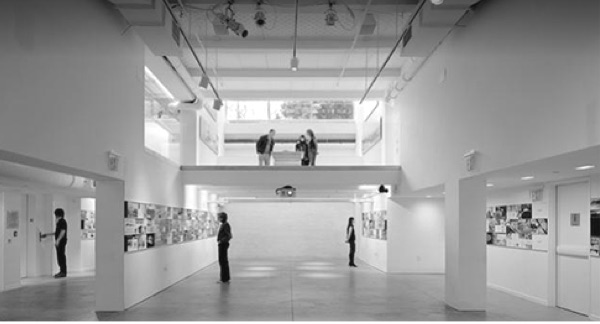


by: AIA New York
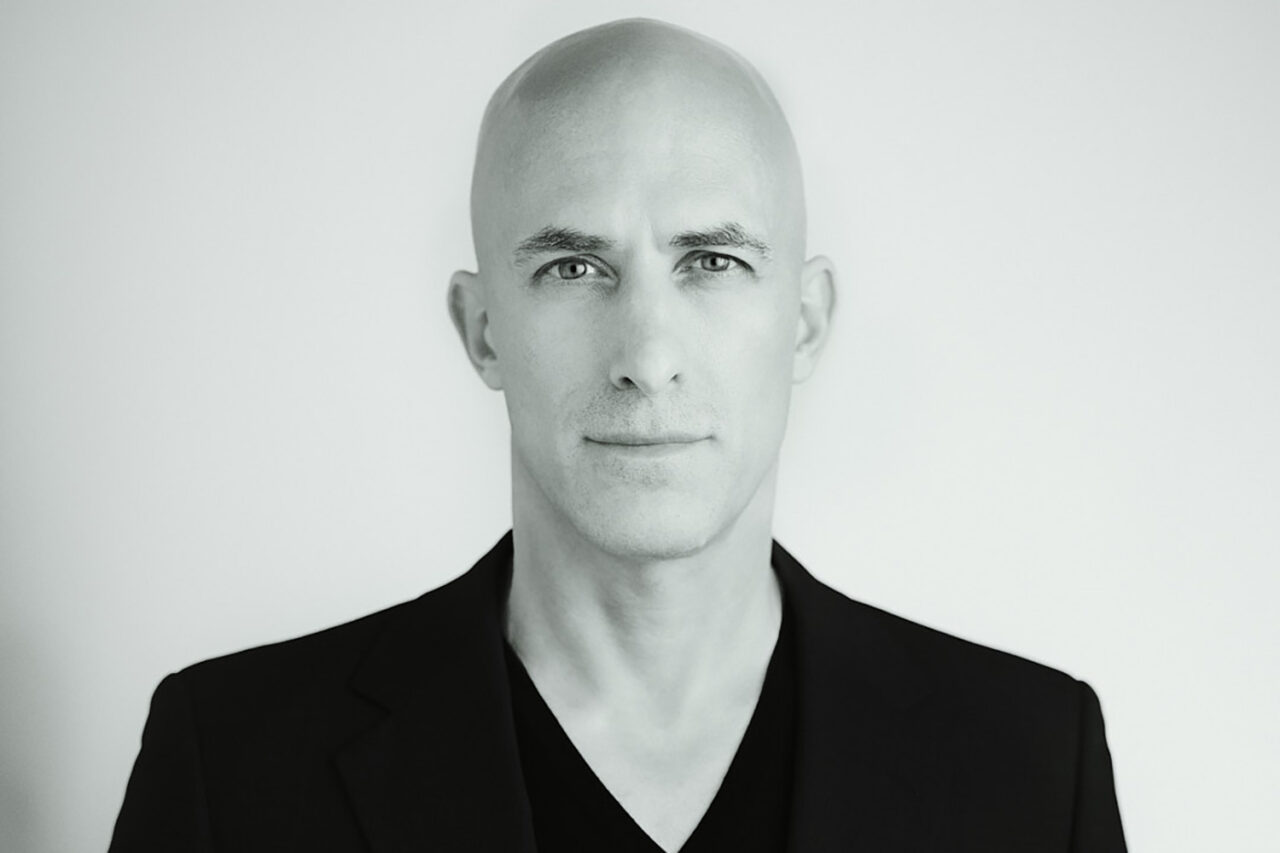
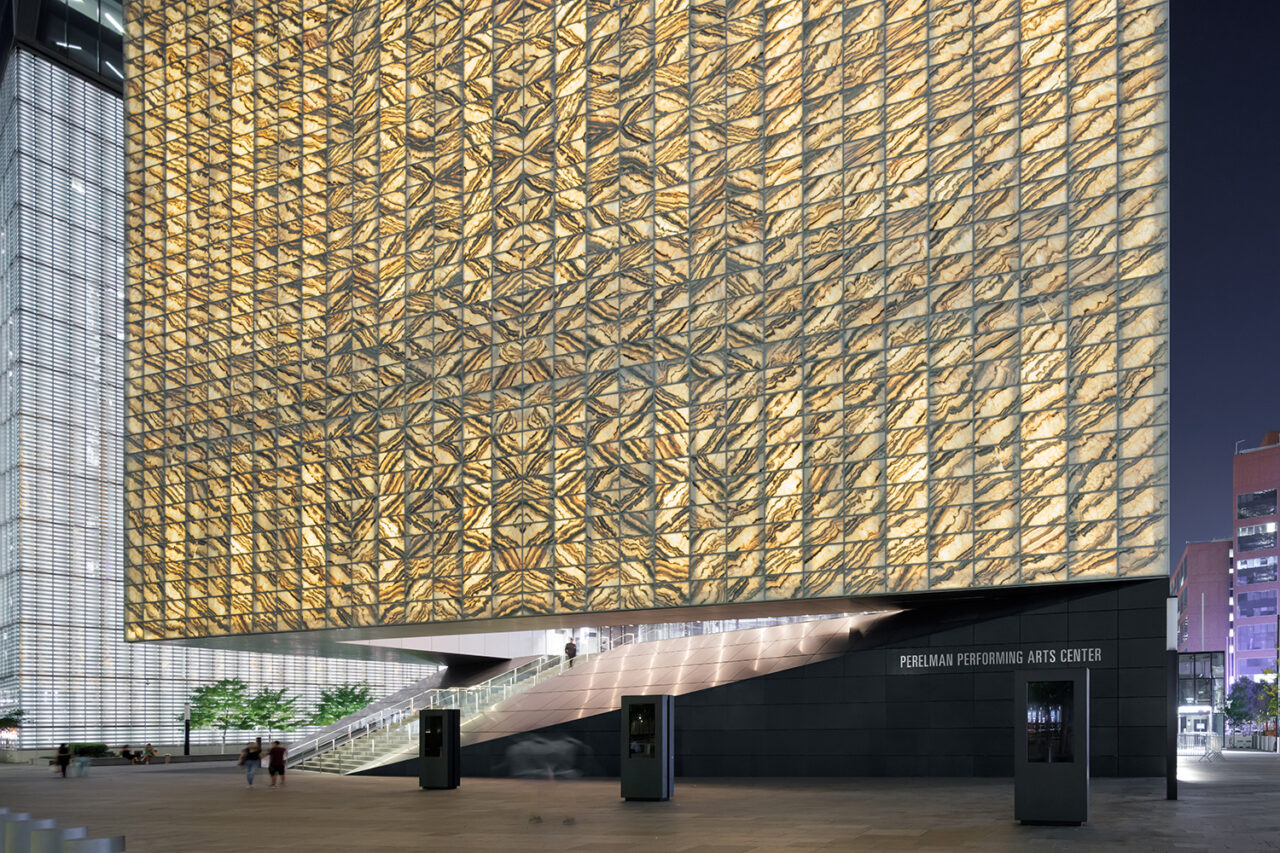
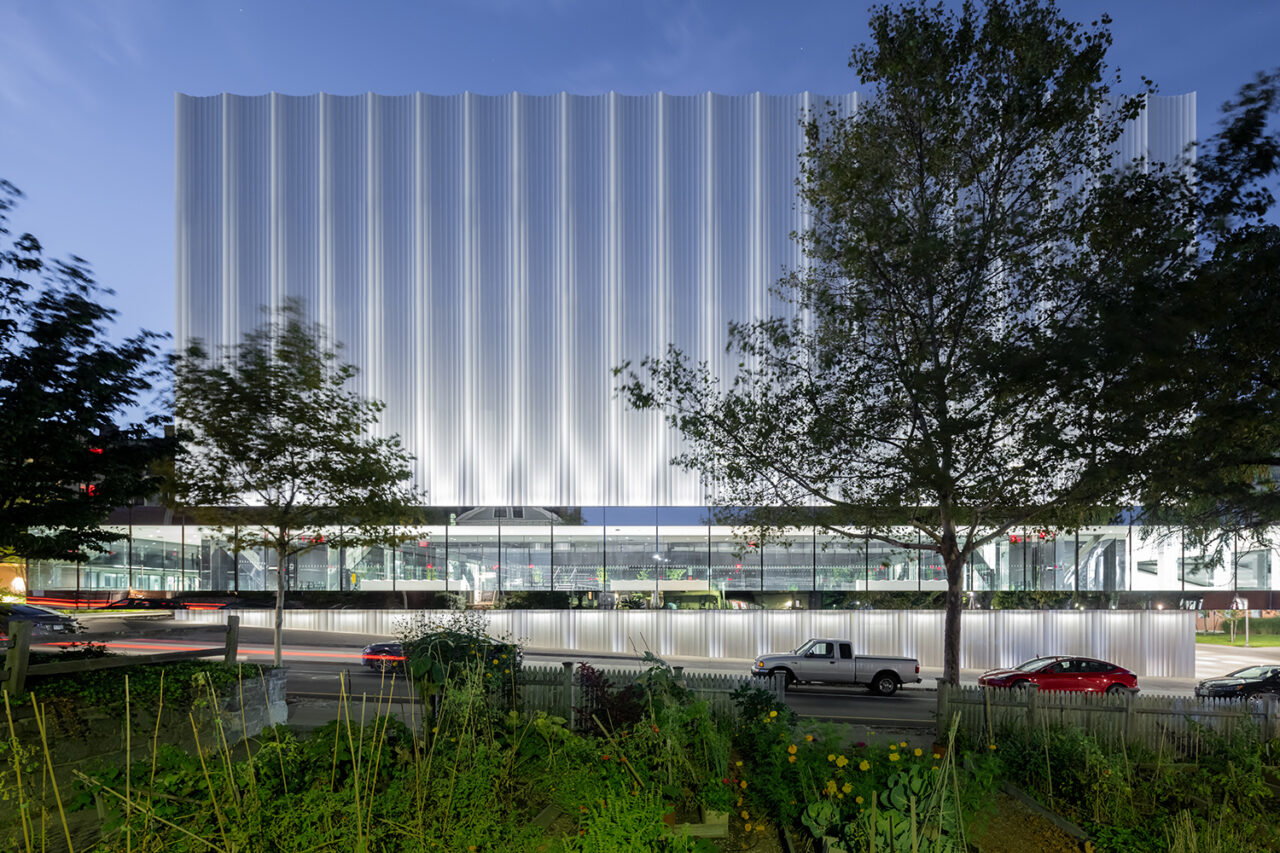
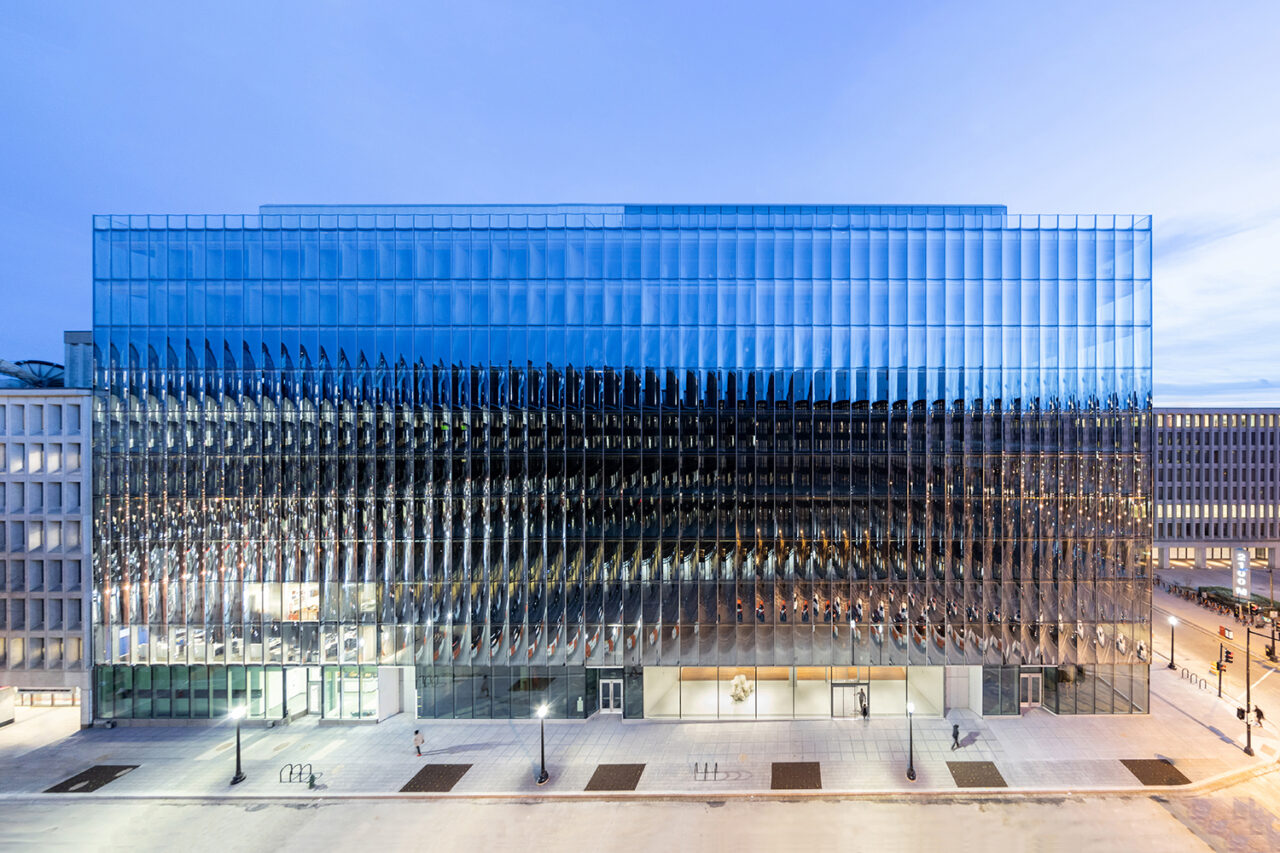
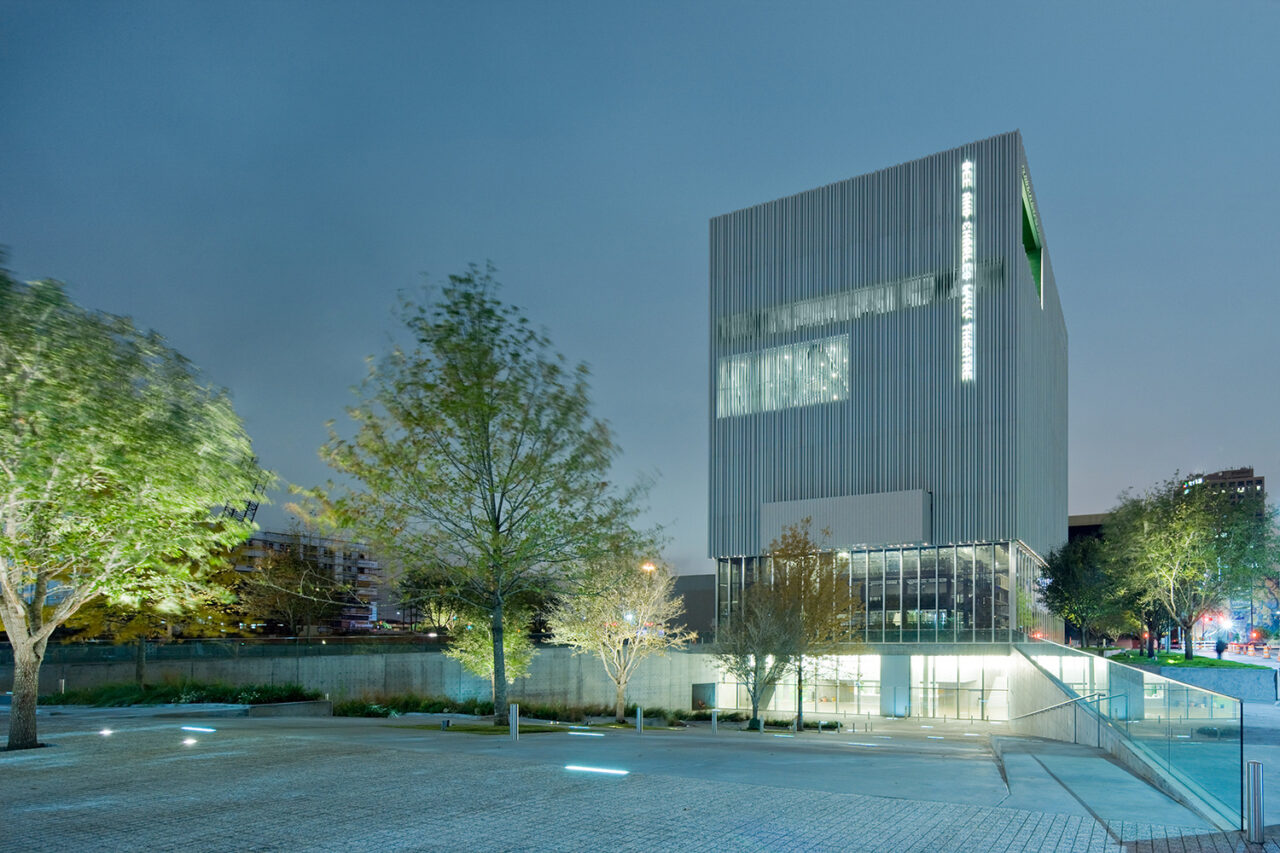
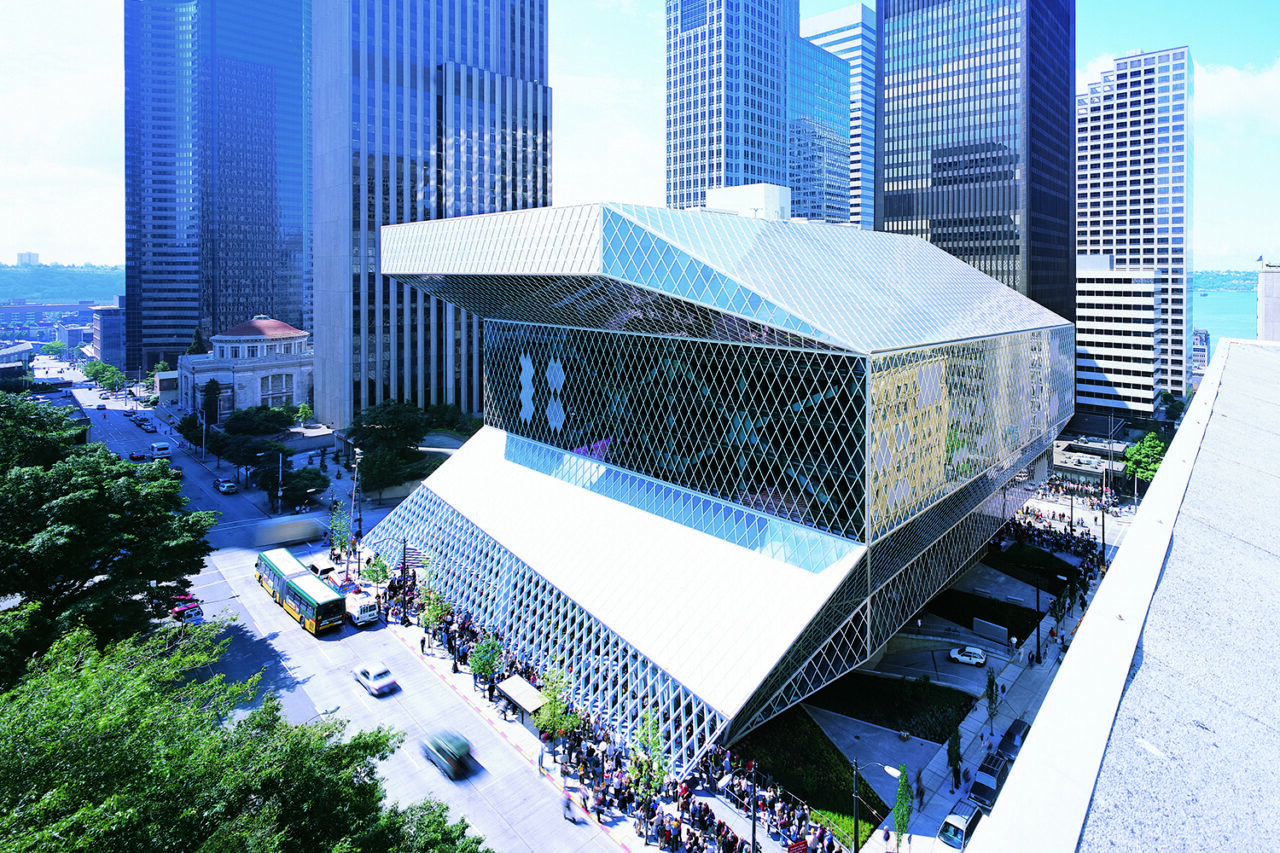
Joshua Ramus is founding principal of REX, an internationally acclaimed architecture and design firm based in New York City. Over his 29-year career, he has led the design of projects celebrated worldwide, such as the Perelman Performing Arts Center at the World Trade Center, The Lindemann Performing Arts Center at Brown University, the AT&T Performing Arts Center Dee & Charles Wyly Theatre, the Seattle Central Library, and the Guggenheim-Hermitage Museum. Joshua holds a Master of Architecture from Harvard University, where he earned the inaugural Araldo Cossutta Fellowship and the SOM Fellowship, and a Bachelor of Arts in Philosophy, magna cum laude with distinction in the major, from Yale University.
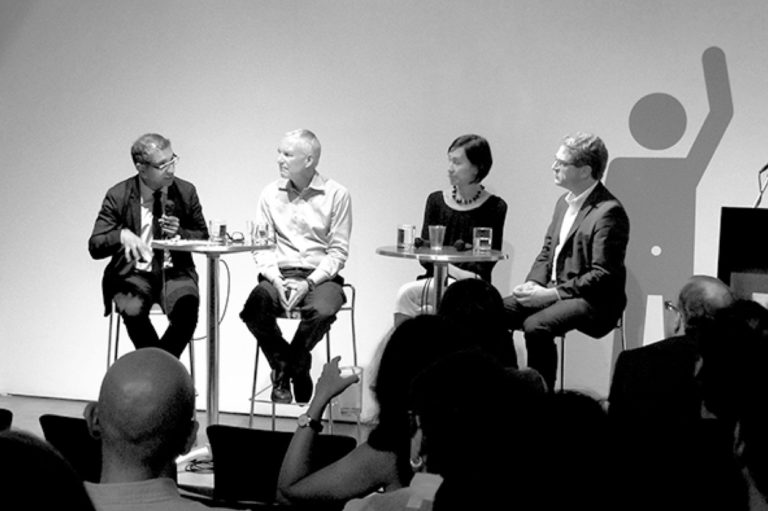
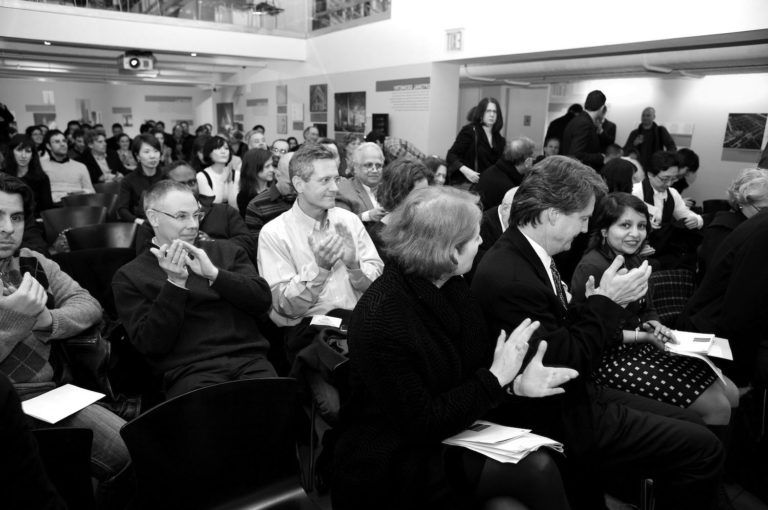
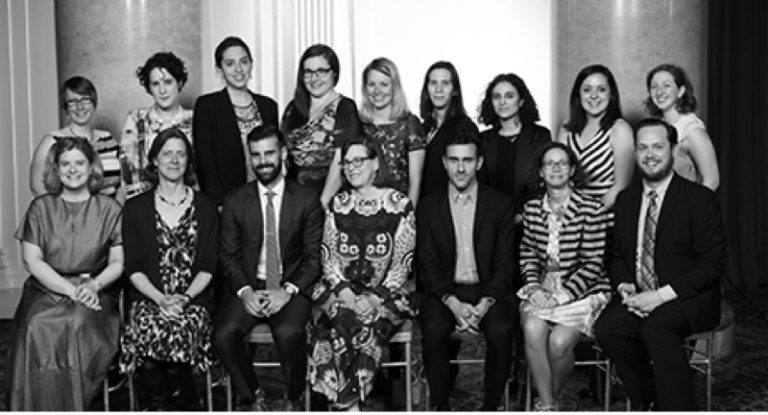
This year, the Jury of Fellows of the AIA elevated Ramus to its prestigious College of Fellows in the first category of Fellowship, which recognizes architects who have made strides in design, urban design, or preservation, according to the organization’s definition. Ramus was honored for how he “advances architectural typologies by probing first principles and innovating building technologies. The resulting projects are so functionally specific to a client’s mission—and often so surprisingly adaptable—that they beget remarkable aesthetic experiences.” His distinction was celebrated at the AIA Conference on Architecture from June 4–7 in Boston, MA, as well as at the Center for Architecture during the 2025 New Fellows Celebration on Wednesday, March 19, from 6:00–8:00pm.
Ramus’s firm, REX, will also be honored at the Center for Architecture’s Common Bond Gala on October 23. Reserve tickets, tables, and sponsorships here.
Q: What is influencing your work the most right now?
After years of exploring how the guts of buildings can transform, our predilection for adaptability has extended to their enclosures. We are working on several actively pressurized closed cavity facades, with dynamic elements that follow the sun’s movement and effectively disappear when not needed. These sophisticated systems achieve a kind of Holy Grail, combining exceptional energy performance with hyper-transparency and low maintenance costs. Wonderfully, their performance also begets playfulness and expressiveness.
Q: How/why did you decide to pursue architecture?
I studied philosophy as an undergraduate. I enjoyed its rigor and argumentation but was disenchanted by its lack of daily relevance. I didn’t see anyone change how they lived after reading Hegel. In my junior year, I took courses with two extraordinary pedagogues—architectural historian Esther da Costa Meyer and sculptor Erwin Hauer—who, in different ways, taught me to see how great architecture could be more than just representational, embodying performative ideas that challenge and change everyday life. They inspired my decision to become an architect.
Q: Do you have a favorite building? Why?
The Church of Our Lady of Mercy (Chiesa di Nostra Signora della Misericordia) in the outskirts of Milan, Italy, designed in 1958 by Angelo Mangiarotti and Bruno Morassutti. It is modern and technologically innovative—with an ill-fated translucent white façade composed of expanded polystyrene sandwiched within glass—yet undeniably humanistic. I return to it constantly, including its lessons on durability.
Q: How do you feel about the state of the industry right now?
If I compare the United States to other countries in which I have lived (the Netherlands) or to which I have been closely connected (Denmark), I am concerned by lay Americans’ continued and increasing lack of architectural and design literacy. I fear our profession’s perceived value to everyday lives and cultural progress is being eroded, negatively impacting the optimism so important to the alchemy architects perform.
Q: What are your thoughts on architectural education today?
When I teach, I often change a key project parameter randomly during the semester, forcing my students to seemingly start over. They are always furious. But within weeks, nearly every student recognizes the crisis gave them a rare opportunity to reconceive their project with a better understanding of how all the desires and demands interact, and they reach a solution that makes them far prouder. Architectural education needs more of these kinds of challenges, unpredictable lightning strikes that teach students how to be malleable and embrace resistance, so they will be better equipped to face the realities of their chosen profession…optimism intact.
Editors’ Note: This feature is part of a series celebrating the members of the American Institute of Architects (AIA) New York Chapter who are elevated each year to the AIA College of Fellows, an honor awarded to members who have made significant contributions to both the profession and society. Learn more about Fellowship here.