



In the midst of multiple crises involving climate resilience, social justice, and housing instability, a call to action to address these challenges is circulating within the architectural community. Such action could take the form of a refocused practice that includes community engagement or a pledge to consider inclusive design. Whatever the resulting actions, we are entering an inflection point where the social responsibility of the architect can no longer be skirted in favor of aesthetic and formal preoccupations. While space, form, and urban context still matter, so do the people for whom we design. This frames the notion of the architect as advocate and positions a practice of advocacy not only within our built work and how we practice, but within the larger—oftentimes peripheral—forces that shape policy, urban planning, and ultimately the communities we serve.
Over my 25 years as an architect, I have focused on marginalized communities, designing affordable housing, supportive housing, and emergency shelter work. These three typologies are inextricably linked, and each is a key component to ending the cycle of homelessness and providing housing stability for our fellow New Yorkers: emergency shelters to fulfill immediate housing needs, supportive housing to provide individuals the means to maintain stable housing, and affordable housing to allow residents to remain in their communities.
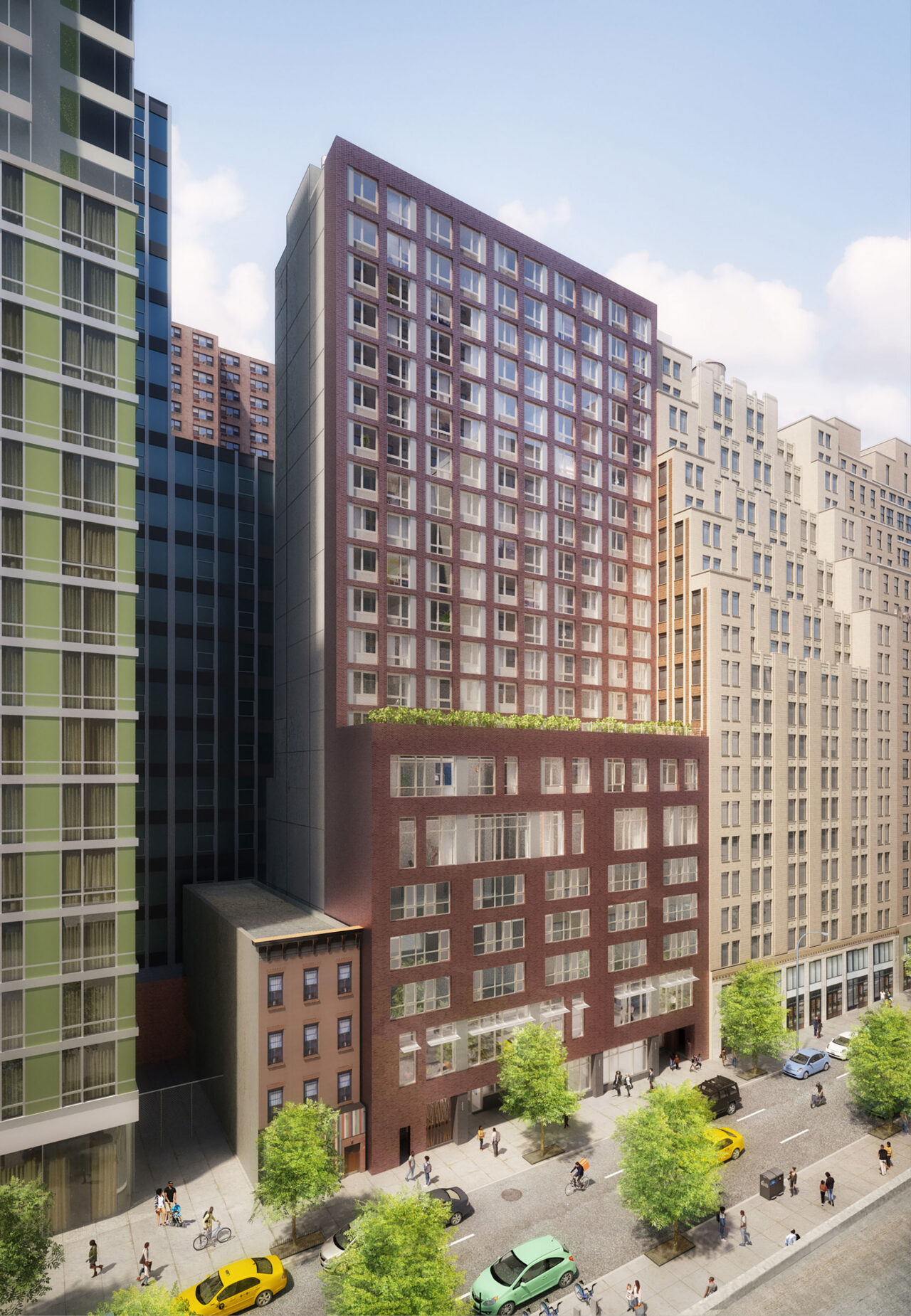
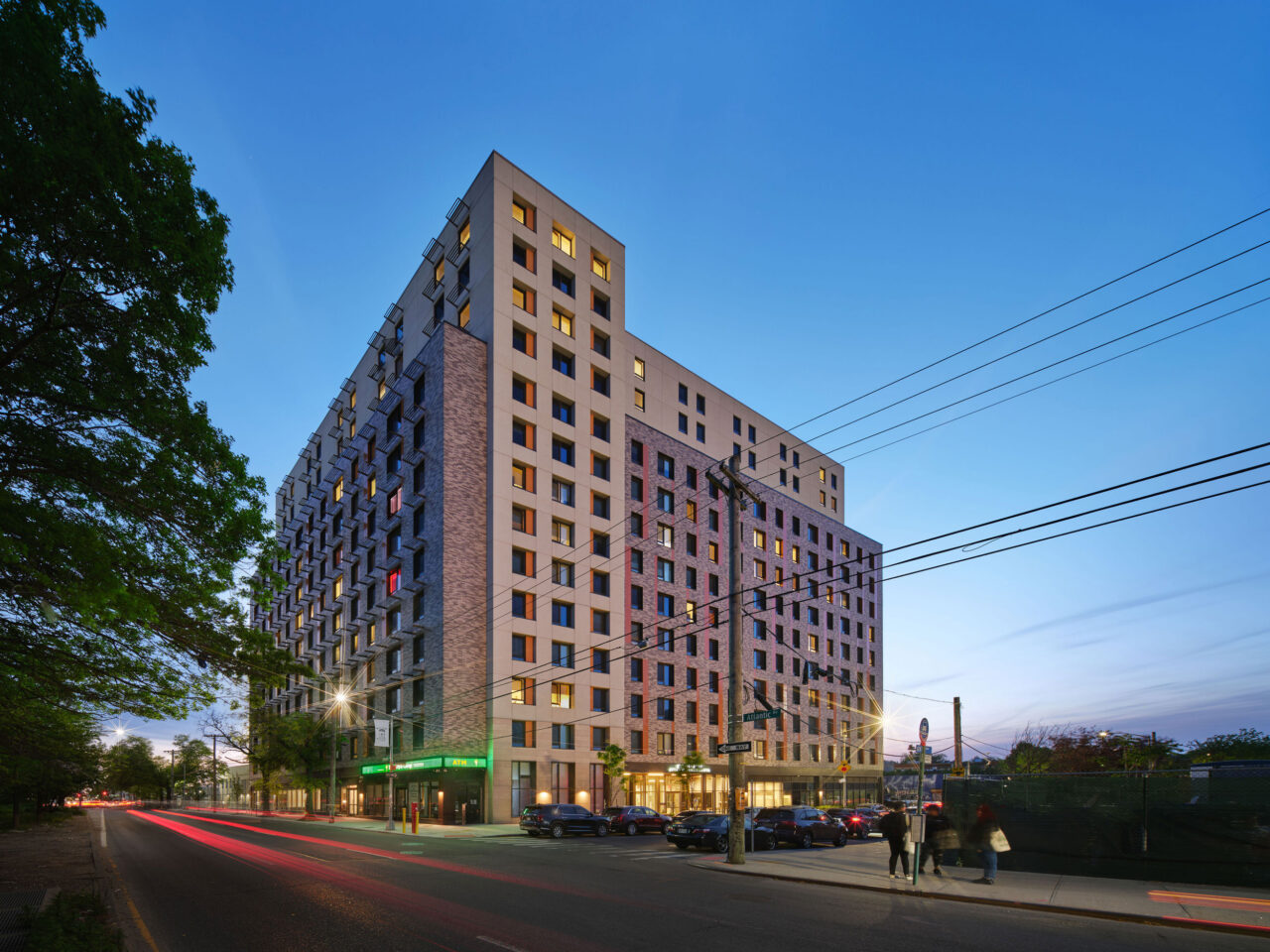
The work of my firm, Dattner Architects, is proudly civic-based and socially-conscious, underscoring a practice of “essential architecture.” The housing projects I lead exemplify this ethos: projects for the most vulnerable populations that center the residents with supportive programming and dignified spaces while engaging their communities. This approach to a practice based in advocacy works in tandem with the mission of the client and, most importantly, the residents the project will serve. These projects often involve community outreach, which, due to the nature of the typology, is at times contentious and must be respectfully navigated to build consensus, yet democratically negotiated to underscore the concepts of equity and fair share. Most importantly, the effort is humanized, as the work is not merely a built form subject to aesthetic whims, but ultimately provides for people who desperately need housing. And this is where the paradigm must shift.
My commitment to advocacy work is a deeply personal one, having grown up in the Bronx in a low-income, singleparent household that experienced housing insecurity firsthand. This work was never abstract for me. Yet, over the years, a constant question bedeviled me: Is what I am doing enough to create real change? The influence of an architect is subject to the priorities of the client and developer, and while I have had the good fortune to collaborate with mission-driven clients, I wanted to expand my impact. After attending many community board hearings at which I presented projects to unreceptive audiences, and after much exposure to off-color public sentiments circulating around affordable housing developments— particularly in the Bronx neighborhood where I grew up—my desire to affect change grew to a crescendo. In 2021, with the support of the AIA New York Chapter, I was appointed to my local community board with the motivation to educate and build consensus around affordable housing issues.
Four years later, as I near the end of my term as chair of the Land Use and Housing Committee of Queens Community Board 6, I take a moment to reflect on the work achieved for my community. This includes presiding over rezonings that secured affordable housing, fostering constructive dialogue and consensus on the City of Yes for Housing Opportunity proposals, educating the public on the concept of Fair Share as it pertains to siting homeless shelters, and holding open and informed debate on the recent City Charter Revision housing proposals. My goal has been a balanced advocacy: while keeping my finger off the scale, providing the resources and context so that decisions made by the public can rise above the misinformation and fear-mongering that all too often accompany discourse on rezonings. The motivation has always been to cultivate informed, democratic processes that consider the human side of the equation.
The housing crisis is no longer an abstract concept. New York City is in the midst of a historic 1% vacancy rate. Of the 104,000 people who sleep in New York City shelters nightly, homeless families make up 70% of this population and include 35,000 children. Data points aside, the concrete nature of the crisis reflects itself in the choices that our fellow New Yorkers make between food and rent. And while architects cannot solve this crisis alone, we can lead through our advocacy. We can design to prioritize community, we can support policies that promote affordable housing, we can testify at public hearings, we can join community boards, and we can educate the public.
Architecture is a non-neutral, public act rooted in the common good. And while good design can create opportunities and provide dignity, design alone is not enough. Architects must be advocates, because the livelihood of the public—the people we serve—depends on it.