
Topics
-
August 25, 2026
![AIANY Future Of Practice Designing The Cloud]()
Our first AI+A salon session of 2026 examined the physical infrastructure behind AI, treating the data center as a critical architectural and urban typology. As facilities scale to gigawatt levels and intersect more directly with regional energy systems, new questions have emerged around siting, grid integration, modular construction, and long-term urban impact.
The panel explored where architects meaningfully contribute within this evolving ecosystem and where the technical, operational, and energy realities shape outcomes, ultimately asking: how can these high-demand infrastructures align more productively with cities, communities, and climate goals?
Speakers:
Dr. Marina Otero Verzier, Lecturer in Architecture, Harvard Graduate School of Design
Iain Macdonald, Principal, Future Energy Systems Development Lead, HKS LINE
Nicolas Rader, COO, FlexnodeModerators:
Xenia Adjoubei Kwan, Principal, Systematica; Lecturer, Pratt Institute
Xinru Liu, Design Technologist, HLW; AI+A Salon Series Curator, AIANY Future of Practice CommitteeOrganized by:
AIANY Future of Practice Committee -
![Deprofessionalization Graphic]()
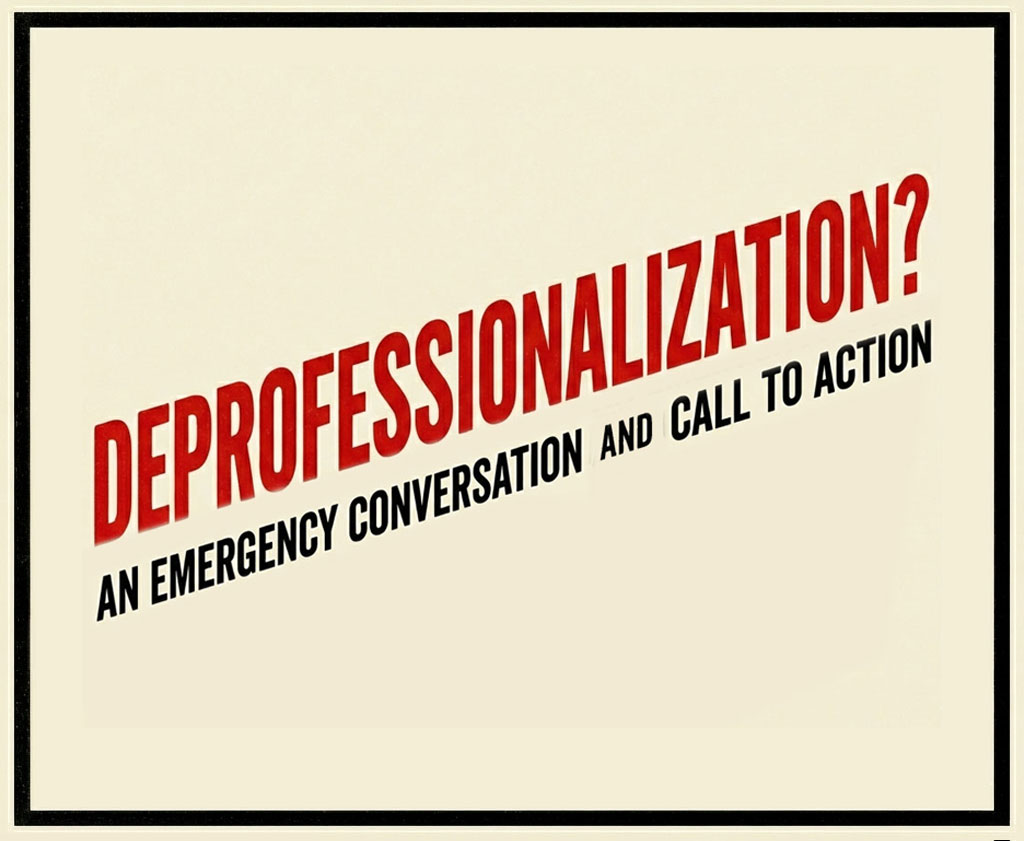
Should architecture be deprofessionalized?
The U.S. Department of Education has proposed a rule that would narrow the federal definition of “professional degrees” for student loan purposes. Under this rule, Master of Architecture and Doctor of Architecture programs would no longer qualify for the higher federal loan caps currently available to designated professional programs and would instead be subject to significantly lower annual borrowing limits beginning in 2026. While the change would not alter state licensure requirements, it could substantially affect access to architectural education and, by extension, the pipeline into the profession.
What would this mean for architectural education, licensure, and the future of the profession?
Is this the beginning of the end for architecture as a licensed profession?
With the public comment period closing at midnight on Monday, March 2, the AIANY Future of Practice Committee convened an emergency conversation and call to action.
Speakers:
Illya Azaroff, FAIA, Founder, +lab architect; 2026 AIA National President
Bria Donohue, Director, Government Affairs, AIA New York
Marta Gutman, PhD, Dean and Professor of Architecture, Spitzer School of Architecture, City College of New YorkRespondents:
Jacob Reidel, AIA, Director, Project on Practice; Co-Chair, AIANY Future of Practice Committee
Andre Soluri, AIA, SARA, NCARB, Principal, Soluri Architecture; Co-Chair, AIANY Future of Practice CommitteeOrganized by:
AIANY Future of Practice Committee -
![AI For EVERYONE]()
By bringing people together within the Architecture, Engineering, Construction, and Operations (AECO) industry and experts from AI-related fields, the ‘AI Salon’ series fostered productive discussion and explore solutions for leveraging AI technology in AECO by bridging the gap between practice and academic research. This four-part series aimed to create archives and, ultimately, publications/whitepapers from these salon sessions to share with the broader public and help push the industry into wider technology adoption.
Our fourth and final session of the year, AI for Everyone, took a different shape from our previous conversation-focused salons. This half-day event was designed as a hands-on, practice-centered exploration of how AI could support designers at every technical level—from beginners to power users. Attendees explored “vibe coding” through a range of tools, from Processing for those with no coding or modeling experience, to Rhino for intermediate users looking to expand generative exploration, to Revit for advanced practitioners integrating AI into BIM workflows.
In addition to the workshops, we also looked back on the themes that have emerged across our year-long AI+A conversations, reflecting on what we’ve learned about authorship, creativity, expertise, and the evolving role of AI in design practice.
Workshop #1: Intro to AI-Assisted Creative Coding with p5.js
Instructor: Richard-Allen Foster
This was a beginner-friendly workshop on using AI as a collaborator in creative coding. Participants used p5.js—with a brief look at three.js—to prompt AI to generate, refine, and debug JavaScript for visual and interactive design.
No coding experience was required. Projects could be built directly in the browser-based p5.js editor, with Visual Studio Code available for those who wanted to explore further. Through simple, curiosity-driven exercises, attendees saw how AI can unlock playful and powerful creative possibilities for architects and designers.
What to Bring: A laptop; all tools could be run in the browser.
Skill Level: Beginner; no prior coding or modeling experience required.
Workshop #2: Accelerating modeling and design automation using Rhino 3D & AI
Instructure: Dennis Shelden
This workshop introduced participants to the powerful world of customizing and scripting Rhino and Grasshopper through vibe-coding techniques and AI-enhanced automation. They learned the core Python capabilities for Rhino, explored key customization libraries and APIs, and discovered practical ways to integrate AI into advanced modeling workflows. Designed for users with medium- to advanced-level Rhino and Grasshopper skills but little to no coding experience, the workshop started with a guided foundational exercise, followed by a self-directed project of the user’s choosing. Participants were encouraged to arrive with an idea for a Rhino automation task they’d like to develop during the session.
What to Bring: A laptop with Rhinoceros V8 was required.
Skill Level: Medium, familiar with Rhino and basic programming concepts was recommended but not required.
Workshop #3: From Idea to Revit Add-in: Rapid Development with Launchpad and AI
Instructor: Michael Kilkelly
Learn to rapidly build custom Revit tools using AI-assisted coding—no deep programming experience required. In this hands-on session, participants used Launchpad, a specialized C# editor inside Revit, to create fully functioning tools (including simple user interfaces) that help eliminate repetitive tasks in everyday workflows.
Through live coding demos and guided exercises, participants explored how AI can democratize Revit customization, turning ideas into working tools in minutes rather than hours.
What to Bring: A laptop with Revit 2022 or higher installed. Launchpad was provided during the workshop.
Skill Level: No prior experience needed. Familiarity with Dynamo or basic programming concepts was recommended but not required.
Organized by:
AIANY Future of Practice Committee -
![Incorporating Architects AIANY Image]()
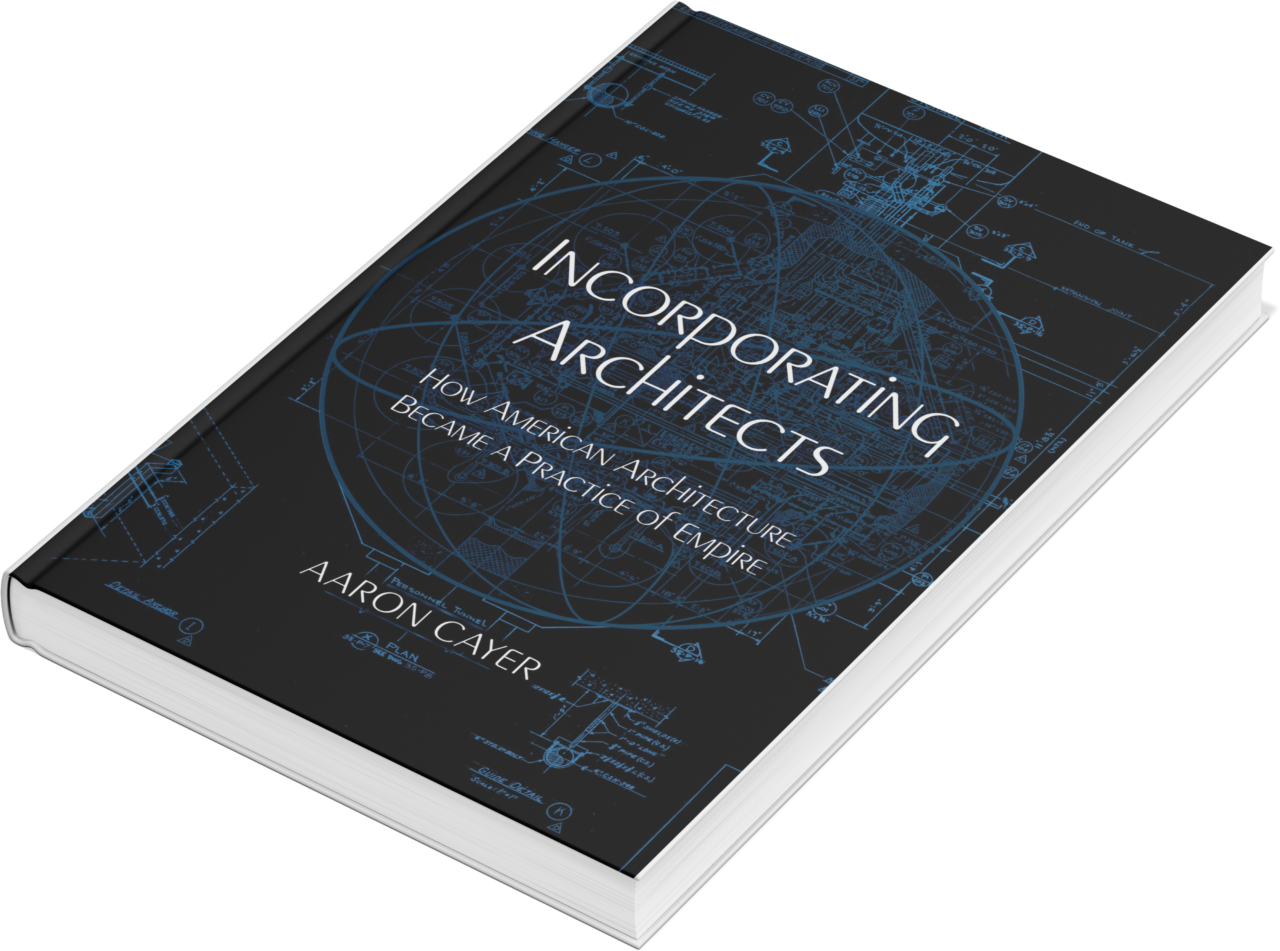
Our first Future of Practice Book talk! Aaron Cayer, author of Incorporating Architects: How American Architecture Became a Practice of Empire (University of California Press, 2025), presented his work, followed by a conversation between Cayer and Jacob Reidel, co-chair of the AIANY Future of Practice Committee. Together, they critically examined the rise of large architecture corporations, their influence on well-being, and their implications for the future of practice.
About the Book:
By the end of the twentieth century, US architecture and engineering firms held more capital than entire countries, employed more people than were housed in most cities, and rented offices in more nations than comprised the UN. Within them, architects were designing not single buildings but urban systems, including the multinational infrastructures, legal codes, and financial mechanisms on which those systems came to depend. However, despite the extraordinary power of these architects, their histories remain shrouded in myth and concealed—by design.This forensic analysis traces a history of architects at one such firm, AECOM, as they assembled their own multinational corporation and embedded themselves in the operations of American empire after World War II, shielding themselves from the instabilities of a postwar political economy. Incorporating Architects reveals how architects, through their businesses more than their drawings or buildings, modulated the political economy, gripped the reins of their profession, and produced the global injustices that define our neoliberal present.
Speakers:
Aaron Cayer, PhD, Assistant Professor of Architecture, Cal Poly Pomona
Jacob Reidel, AIA, Co-Chair, AIANY Future of Practice CommitteeOrganized by:
AIANY Future of Practice Committee -
![RISK 1500x1000]()
What is risk worth? Architecture is inseparable from uncertainty—sometimes embraced, sometimes resisted, but always present. We invent bold forms that may fail. We propose brighter futures that may falter. To practice architecture is to take on risk—with capital, with reputation, with the city, with the lives shaped inside it. For the innovator, risk is agency, progress, recognition, and the chance to improve lives. For those who mitigate risk, its value is inseparable from the scaffold that protects progress from catastrophe. For those outside the conventional practice, such as architect-developers, design-builders, and others, risk is currency, the price of control. Each stance reveals a different measure of what risk means and what makes it worth taking. These tensions enlivened the conversations at the heart of this event.
Panel One: Inside Conventional Practice
How do architects, lawyers, and insurers value risk? For architects, it may be the price of innovation, recognition, and influence. For lawyers and insurers, it is exposure—something to be managed and contained. Contracts shift liability, insurance absorbs damage, and more than reputations rise and fall in the process. This panel showcased the tension among these perspectives: when does innovation become a liability, and who decides?Panel Two: Beyond Conventional Practice
Outside the profession’s boundaries, risk proliferates. The architect-developer wagers capital for vision, profit, and legacy. The design-builder takes on liability for control and craft. The architect driven primarily by values and ethics may be politically and economically vulnerable. Here, risk is not hedged but embraced—as the condition for autonomy, for agency, for meaning. The question remains: are these viable alternatives to conventional practice, or simply new forms of exposure?Speakers:
Introduction:
Rion Willard, Director of Consulting and Business Transformation, Business of Architecture; Host, Business of Architecture PodcastPanel 1:
Ben Caldwell, AIA, CCS, LEED AP BD+C – Director of Specifications at BIG-Bjarke Ingels Group
Louise Braverman, FAIA , Founding Principal Louise Braverman Architect
Gregg Garmisa, J.D., Principal, General Counsel at Studio Gang
Joshua Ramus, FAIA, Founding Principal, REX
Kim Yao, FAIA, Principal at ARO, Architecture Research Office
Moderator:
Robert Young, AIA, Principal, RYA, Robert Young ArchitectsPanel 2:
Jennifer H. Grosso, AIA, Director of Architecture, Alloy Development
John Hunt, esq, Partner, Robinson + Cole
Charlie Kaplan, LEED AP, Principal, GLUCK+ Architecture
Sebastian Mendez, Founder, Tankhouse
Shay Sellars, Founder and Managing Director, The Emerge Group
Andrew Staniforth, Co-Founder and Former CEO, Assembly OSM
Moderator:
Andre Soluri, AIA, Principal, Soluri ArchitectureOrganized by:
AIANY Future of Practice Committee -
![Dreaming With AI]()
By bringing people together within the Architecture, Engineering, Construction, and Operations (AECO) industry and experts from AI-related fields, the ‘AI Salon’ series fostered productive discussion and explored solutions for leveraging AI technology in AECO by bridging the gap between practice and academic research. This four-part series aimed to create archives and, ultimately, publications / whitepapers from these salon sessions to share with the broader public and help push the industry into wider technology adoption. The third session of the series focused on how we are Dreaming With AI and what AI can offer design creativity.
As artificial intelligence continues to evolve, its potential to reshape the built environment calls for more than just technical adaptation—it demands a reawakening of architectural imagination. Dreaming With AI invited architects, designers, and artists to boldly speculate on how AI might expand our creative horizons and shape the future of architectural practice. Through engaging architects, theorists, and experts in design computation, this salon sought to spark a collective act of dreaming: How might we design with intelligent systems, not just through them? What new paradigms of authorship, aesthetics, and ethics might emerge? Could AI be seen as not just a tool, but as a collaborator in imagining the cities, spaces, and societies of tomorrow?
Speakers:
Sebastian Marino, Chief Technology Officer, Monumental Labs
Andrew Witt, Associate Professor, Harvard University Graduate School of Design
Snoweria Zhang, AIA, GoogleOrganized by:
AIANY Future of Practice Committee -
![Summer 1500x1000 Notext]()
By bringing people together within the Architecture, Engineering, Construction, and Operations (AECO) industry, and experts from AI-related fields, the Artificial Intelligence in Architecture (AI+A) Salon series fostered productive discussion and explore solutions for leveraging AI technology in AECO by bridging the gap between practice and academic research. This four-part series aimed to create archives and, ultimately, publications or whitepapers from these salons to share with the broader public and help push the industry into wider technology adoption.
The second session of this series focused on what ‘Environmental Intelligence’ AI can offer the AECO sector. We are aware that computing and AI are escaping the desktop and beginning to become part of the environment itself. This is happening through paradigms like smart buildings and homes, new user experience types, environmental performance optimization, and predictive planning. While this has been happening for some time, new developments in AI are changing the paradigm rapidly. We can now imagine AI technologies that are embedded in the environments around us itself, becoming part of the architectural experience. They have the potential to be continuously learning about occupants’ behaviors and buildings’ performance. Intelligent environments bridge traditional discrete paradigms like space planning, operations, and user experience. And significant questions about cyber-security and privacy must be addressed.
Watch the complete video here.
Speakers:
Dennis Shelden, Phd Director of CASE, Rensselaer Polytechnic Institute
Sarah Maston, P.E., BCxP, LEED AP, Treasurer, ASHARE
Chrisoula Kapelonis, Senior Design Lead for Home Intelligence, Google Home
Islay Burgess, AIA, RA, NE Regional Design Technology Director, Gensler
Phillip Youakim, Vice President of Customer Success & Strategy, SaltmineOrganized by:
AIANY Future of Practice Committee -
![Value 1500x1000]()
By bringing people together within the architecture, engineering, construction, and operations (AECO) industry alongside experts from AI-related fields, the Artificial Intelligence in Architecture (AI+A) Salon series fostered productive discussion and explored solutions for leveraging AI technology in AECO by bridging the gap between practice and academic research. This four-part series aimed to create archives and, ultimately, publications and whitepapers from these salon sessions to share with the broader public and help push the industry into wider technology adoption.
The first session focused on what “value” AI can offer the AECO sector. These overlapping but distinct sectors are all beholden to systemic issues where data transfer is not consistent and requires each profession to determine how best to structure their practice and how that data can be valuable. Through creating a dialogue between the sectors, the first session aimed to understand how each industry takes advantage of AI and what specific overlap opportunities exist for more effective “data highways” to connect the disciplines, leading to greater opportunities for everyone.
Speakers:
Elizabeth Bowie Christoforetti, Assistant Professor, Harvard GSD
Dan Reynolds, Senior Associate | AI Product Lead, Walter P Moore
Murat Melek, PhD SE, Director of Artificial Intelligence, Suffolk Construction
Charlie Portelli, AIA, RIBA, CDT, Associate and Digital Innovation Strategist, Perkins&WillOrganized by:
AIANY Future of Practice Committee -
![AGENCY Symposium Graphic For Web Large]()
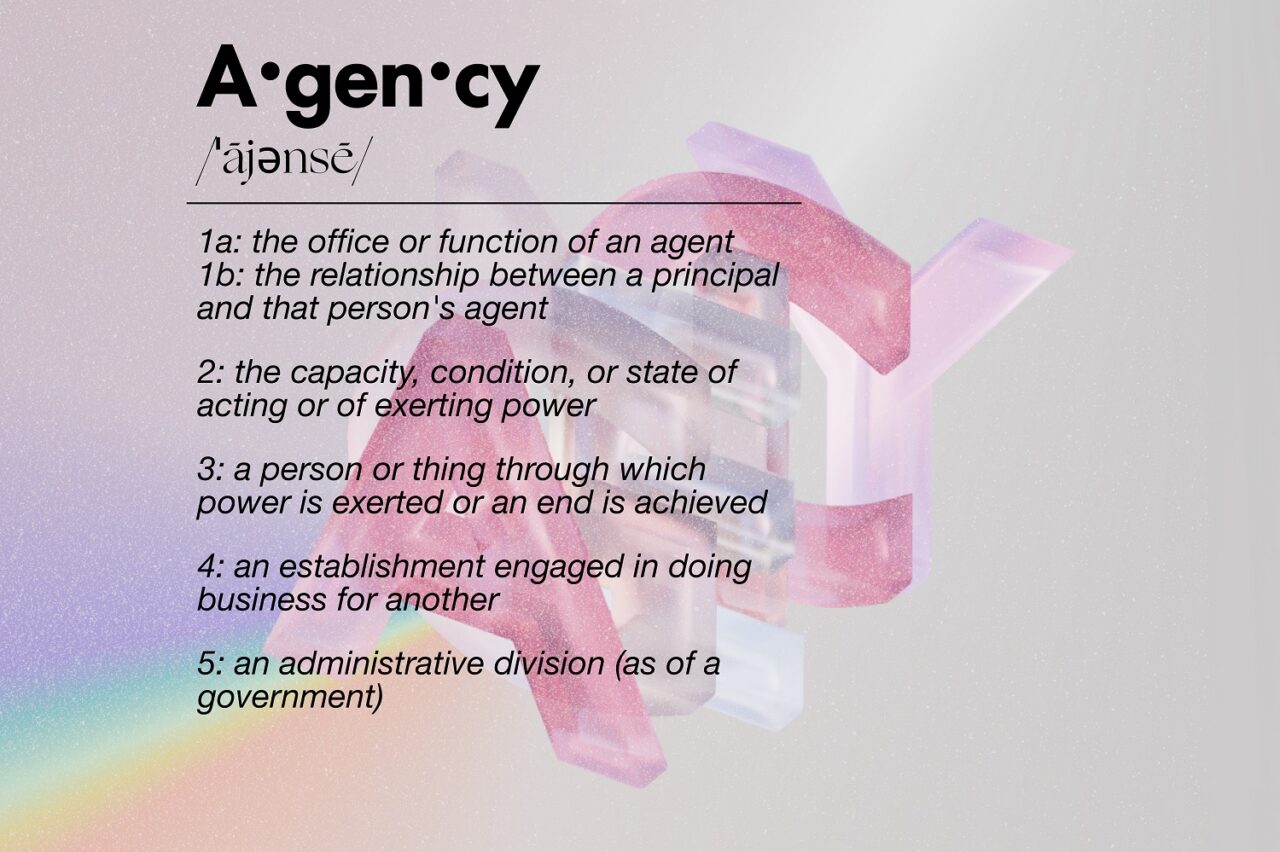
AGENCY (noun) is defined as:
1a: the office or function of an agent
1b: the relationship between a principal and that person’s agent
2: the capacity, condition, or state of acting or of exerting power
3: a person or thing through which power is exerted or an end is achieved
4: an establishment engaged in doing business for another
5: an administrative division (as of a government)When it comes to the design and delivery of the built environment, the power of architects relative to other players and forces has always been contested. Given this uncertainty, the AIANY Future of Practice Committee convened a day-long symposium focusing on how architects can find agency both through conventional and non-traditional forms of practice. Three moderated panel discussions focused on working in innovative ways INSIDE, BESIDE, and BEYOND practice and a fourth concluding panel comprised of non-architects asked the question “why should architects have more agency in the first place?” Ultimately, the discourse aimed to shift prevailing conceptions of practice and probe how technical, political, cultural, economic, social, and artistic forms of power can be deployed.
INTRODUCTION:
Jacob Reidel, AIA, Assistant Professor in Practice, Harvard GSD; Co-Chair, AIANY Future of Practice Committee
Andre Soluri, AIA, Principal, Soluri Architecture; Co-Chair, AIANY Future of Practice CommitteeINSIDE:
Speakers:
Billie Faircloth, FAIA, Associate Professor in the Department of Architecture, Cornell Atkinson Scholar and Senior Faculty Fellow, Cornell Atkinson Center for Sustainability
Jerome Haferd, RA, NOMA, Principal, Jerome Haferd Studio, Assistant Professor of Architecture, The City College of New York Spitzer School of Architecture
Shawn Watts, Partner, Leroy Street Studio
Claire Weisz, RA, FAIA, Hon. RAIC, Principal-in-Charge, WXY StudioModerators:
Iben Falconer, Global Marketing and Business Development Leader, SOM
Robert Young, Founding Principal, Robert Young ArchitectsBESIDE:
Speakers:
Sierra Bainbridge, RLA, Senior Principal and Managing Director, MASS Design Group
Jen Grosso, AIA, Director of Architecture, Alloy Development
BJ Siegel, LEED AP, Co-Founder and Head of Design, Juno
Mercedes Carriquiry, IA, AIA, Co-founder, COO, SlantisModerators:
Michael Caton, AIA, Head of Technical Computing, Juno
Nicholas Desbiens, AIA, LEED AP, Design Innovation Lead, PininfarinaBEYOND:
Speakers:
Sreoshy Banerjea, Executive Director, NYC Public Design Commission; Co-founder, Design Corps
Nicolay Boyadjiev, Practice Lab Director, re:arc Institute
Chrisoula Kapelonis, Design Strategy Lead, Home Intelligence, Google Home
Amanda Ramos, Assoc. AIA, CEO of WIN: Women in Innovation, Faculty at SVA Design for Social Innovation, Head of Community at 3×3Moderators:
Xenia Adjoubei, Senior Consultant, Systematica; Visiting Assistant Professor, Pratt Institute MS Urban Design
Dennis Shelden, PhD, Director of CASE, Associate Professor, School of Architecture at RensselaerWHY?:
Speakers:
Eva Neubauer Alligood, Executive Director, Hester Street
Diana Budds, Design Journalist
Brian Kavanagh, New York State Senator
Angel “Monxo” López, PhD, Curator of Community Histories, Museum of the City of New YorkModerators:
Jacob Reidel, AIA, Assistant Professor in Practice, Harvard GSD; Co-Chair, AIANY Future of Practice Committee
Andre Soluri, AIA, Principal, Soluri Architecture; Co-Chair, AIANY Future of Practice CommitteeOrganized by
AIANY Future of Practice Committee -
December 16, 2023
![AIA Event Image For Web]()
“In terms of strategic thinking and real-time analysis, AI is already way beyond what human architects are capable of. This could be the final nail in the coffin of a struggling profession.”
—Neil Leach, Architecture in the Age of Artificial Intelligence“The report of my death has been an exaggeration.”
—Mark TwainWhile some have speculated that Artificial Intelligence in Architecture (AI+A) portends the death of architecture, others believe it will lead to the rebirth of practice. Clearly, as the true impacts of AI are unknown, so too is the future of architecture. Given these facts, the AIANY Future of Practice Committee in collaboration with AIANY Emerging New York Architects (ENYA) convened a day-long symposium on December 16 at the Center for Architecture. Guest speakers as well as three panel discussions focusing on Practice, Software, and Research attempted to surpass speculation and demonstrate what was currently—actually—happening with regards to the application of artificial intelligence in architectural practice, and where these applications may lead.
Watch the full event recording here.
OPENING REMARKS:
Jacob Reidel, AIA, Assistant Professor in Practice, Harvard GSD; Co-Chair, AIANY Future of Practice Committee
Andre Soluri, AIA, Principal, Soluri Architecture; Co-Chair, AIANY Future of Practice CommitteeKEYNOTE:
Patrik Schumacher, Partner, Zaha Hadid Architects
PRACTICE:
Gideon D’Arcangelo, Americas Digital Services Portfolio Leader, ARUP
Kristen Forward, Design Technology Futures Leader, NBBJ
Robert Otani, Chief Technology Officer, Thornton Tomasetti
Martha Tsigkari, Head of Applied R+D, Foster + PartnersModerator:
Andre Soluri, AIA, Principal, Soluri Architecture; Co-Chair, AIANY Future of Practice CommitteeCASE – Data and AI Presentation:
Dennis Shelden, Director, CASE; Associate Professor, School of Architecture at Rensselaer
Jeanne Gallagher, Program Manager and Director of Communications, CASESOFTWARE:
Phillip Bernstein, FAIA, Author, Machine Learning: Architecture in the Age of AI
Juan Francisco Saldarriaga, Senior Computational Designer, Delve and Google
Andrew Heumann, Software Developer, Hypar
Federico Negro, Founder & CEO, CanoaModerator:
Xenia Adjoubei, Associate Director, Studio intORESEARCH:
Mario Carpo, Author, Beyond Digital: Design and Automation at the End of Modernity
Frank Jacobus, AIA Author, Artificial Intelligent Architecture
Sandra Manninger, Associate Professor, NYIT; Co-Founder, SPAN and AR2ILab
Andrew Witt, Author, Formulations: Architecture, Mathematics, CultureModerator:
Jacob Reidel, AIA, Assistant Professor in Practice, Harvard GSD; Co-Chair, AIANY Future of Practice CommitteeCONCLUDING DISCUSSION:
Elizabeth Christoforetti, Design Director and Founding Principal, Supernormal
Esther Dyson, Investor, Journalist, Author, Philanthropist
Paul Seletsky, Architect, TechnologistOrganized by:
AIANY Future of Practice Committee -
July 6, 2023
![What Is the Value of Architects Post AIANY AS OPTION 2.1]()
“I have never been eager to make money by my art, but have gone on the principle that slender means and a good reputation are preferable to wealth and disrepute.” Vitruvius, 1st Century BC
“I refuse to work unless I get paid, so I don’t get a lot of work sometimes.” Gehry, 2003 AD
Architects have endeavored to define and defend the value of their work to their clients, collaborators, and the public for decades if not centuries. While architects are crucial to today’s built environment, why do we feel this isn’t appropriately reflected back? Have architects undervalued themselves? Have they overvalued themselves? Should “value” only be measured in economic terms or should it also be considered functionally, artistically, and socially (and if so, how)?
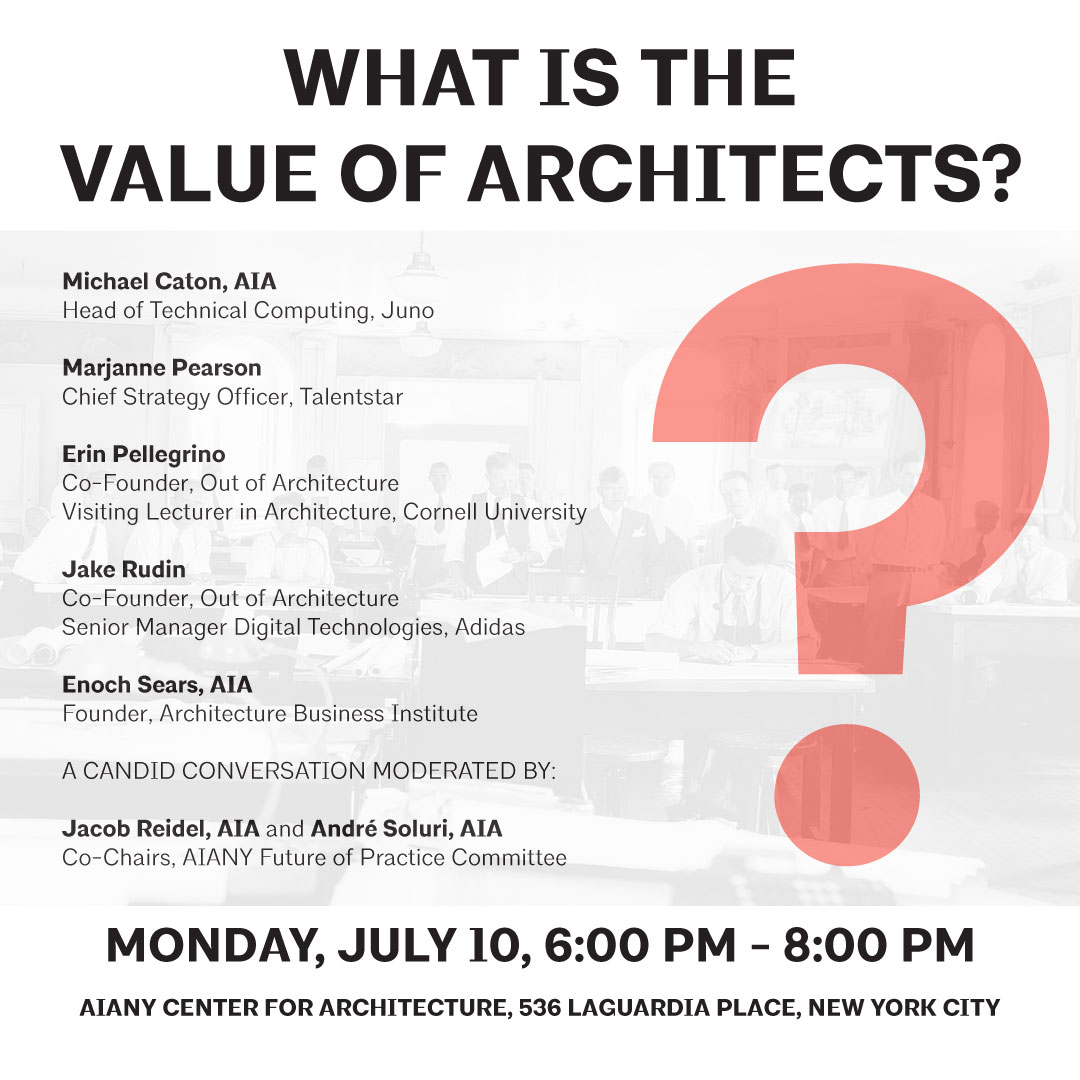
With these—and many more—questions in mind, the AIANY Future of Practice Committee convened an honest, critical conversation addressing a simple yet challenging question: What is the value of architects?
Speakers:
Michael Caton, AIA, Head of Technical Computing, Juno
Marjanne Pearson, Chief Strategy Officer, Talentstar
Erin Pellegrino, Co-Founder, Out of Architecture; Visiting Lecturer in Architecture, Cornell University
Jake Rudin, Co-Founder, Out of Architecture; Senior Manager Digital Technologies, Adidas
Enoch Sears, AIA, Founder, Architecture Business InstituteModerators:
Jacob Reidel, AIA and Andre Soluri, AIA
Organized by:
AIANY Future of Practice Committee -
July 5, 2023
![Unionization In Architecture 760x507]()
Though New York’s architects have long been unionized in the public sector and academia, it was not until 2022 that an architecture firm unionized. This panel discussion covered the process of unionization from architects in unionized firms, in management and non-management positions, as well as representatives from labor groups. Together, they discussed what it would entail for architects employed at firms to join unions and for managers to recognize the unions of their workers. This discussion was intended to promote the solidarity of all architects, regardless of their place of work or seniority within a firm.
Speakers:
Vincent Alvarez, President, NYC Central Labor Council
Andrew Bernheimer, FAIA, Principal, Bernheimer Architecture
Andrew Daley, AIA, Associate Organizer, International Association of Machinists and Aerospace Workers
Jennifer Dorning, President, Department for Professional Employees, AFL-CIO
Kolby Forbes, Project Designer, Bernheimer ArchitectureModerator:
Andrea Lamberti, AIA, Partner, Rafael Viñoly ArchitectsOrganized by:AIANY Emerging New York Architects, AIANY Future of Practice