-
November 10, 2017Arthur Rosenblatt Lecture on Museum Design
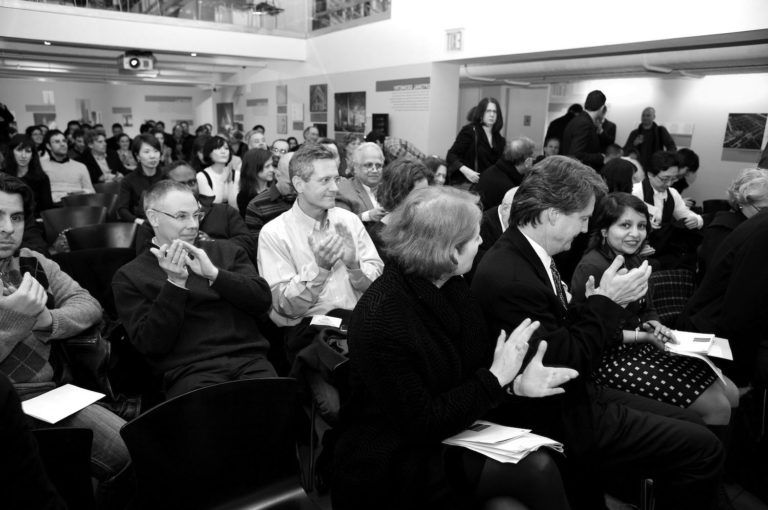
In 2006, the AIANY Cultural Facilities Committee developed an annual lecture series to honor the work and memory of their founding Committee chair, Arthur Rosenblatt. Among his many accomplishments, Mr. Rosenblatt was the Vice President for Architecture at the Metropolitan Museum of Art for 19 years during its period of great expansion, the founding Director of the United States Holocaust Memorial Museum, as well as a highly regarded Museum design consultant. He was an enthusiastic promoter of the architectural profession through his long involvement with the AIA, a generous friend to countless colleagues, and passionate about the role of art in our everyday lives. The Arthur Rosenblatt Lecture is a highlight of Archtober, the AIANY’s annual month-long festival of architecture activities, programs and exhibitions held each October.
–
Past Lectures:
2018 – Odile Decq, Founder, Studio Odile Decq
2017 – Farshid Mousavvi, RIBA, “Thoughts on a New Architecture”
2016 – David Chipperfield, RIBA
2015 – Moshe Safdie, FAIA, “Made to Measure”
2014 – Brad Cloepfil, AIA, Allied Works, “Amplifiers”
2013 – Ben van Berkel, (F)RIBA, Hon. FAIA, UNStudio, “Every Day Culture”
2012 – Craig Dykers, AIA, RIBA, Snohetta, “Being Alone Together: Managing the Museum as Mausoleum Syndrome”
2011 – David Adjaye, OBE, RIBA, Hon. AIA, “Evolving Art and Exhibition Spaces”
2010 – Richard Gluckman, FAIA, “Content Context = Concept”
2009 – Dr. Vishakha N. Desai, President, Asia Society, “The Role of Museums in 21st Century Asia”
2008 – Tod Williams / Billie Tsien, FAIA, “Museums Balance Unform Form”
2007 – Richard Meier, FAIA, “On Museums”
Cultural Facilities
The Cultural Facilities Committee is a forum for people interested in cultural spaces and how they shape our environment. Through a variety of programming the committee examines ideas related to the design and planning of cultural buildings, as well as their impact on the communities they serve. The vision of the committee is to enrich and broaden the insight of practitioners in the design field, foster an understanding among professionals working within cultural facilities, and demystify the development process for the public.