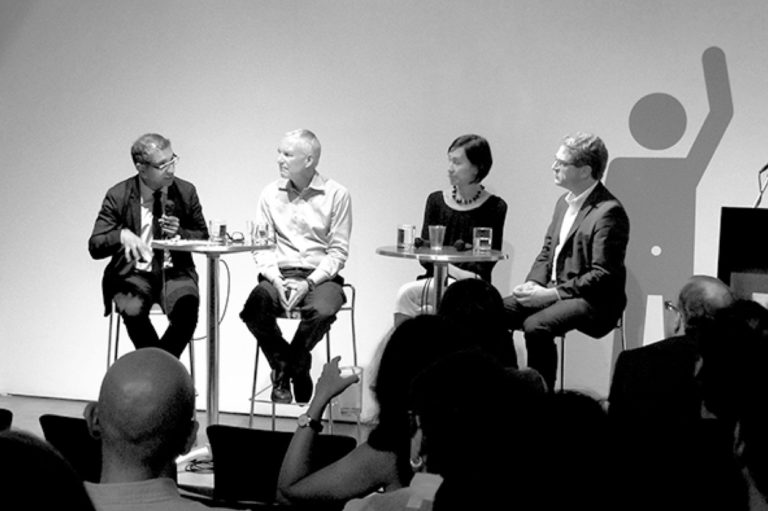
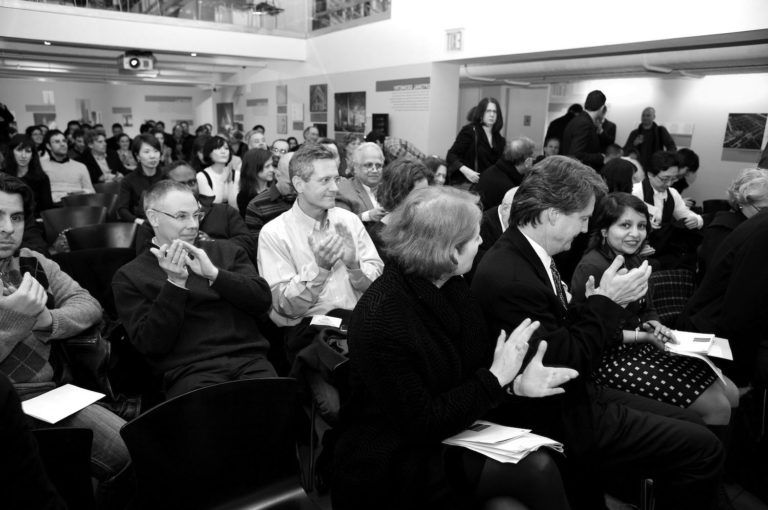
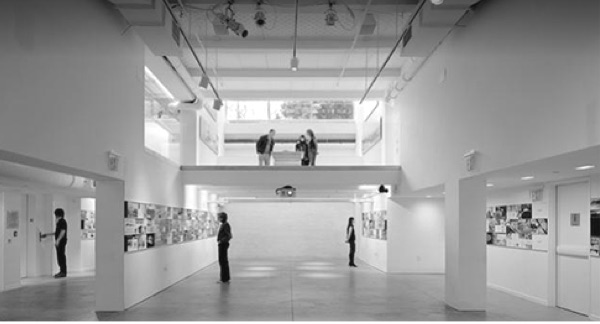
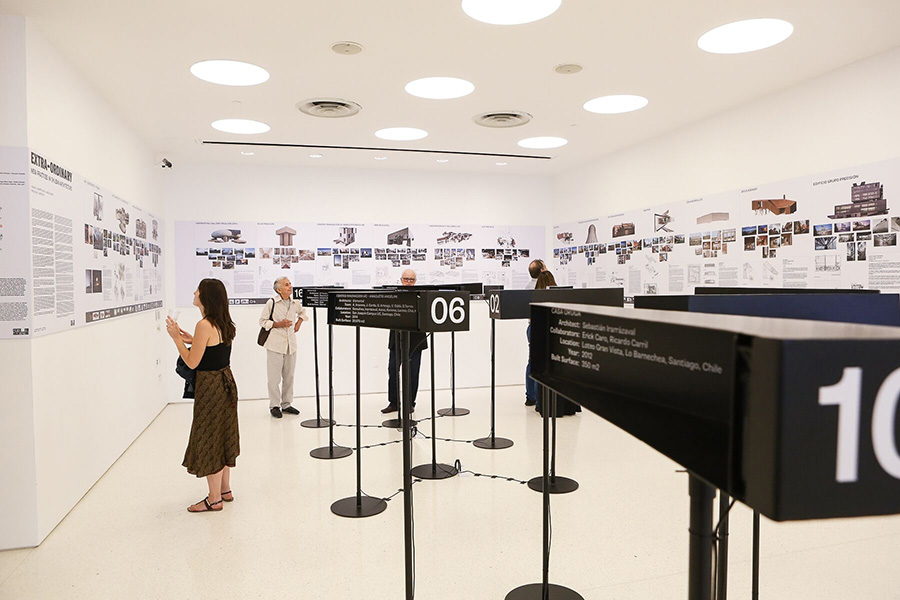
Presented alongside the Dark Matter U: Justice, Pedagogy, Design exhibition, this inaugural in-person Office Hours draws inspiration from the peer-to-peer conversations that have defined DMU’s virtual exchanges for years. Together, we'll explore civic engagement, voting, and the unique role planners, architects and designers play in shaping public life.
The midterm elections are fast approaching! Before early voting begins in NYC, start your morning with a clear, engaging conversation about voting and civic engagement. Learn more about who and what is on the ballot. We'll demystify the process, explore how everyday participation shapes our communities, and discuss what you can do to support the crucial efforts to protect the vote across the US. All are welcome, and questions are encouraged!
Speaker:
Preeti Sodhi, Founder, Hello Voter
About the Speaker:
Preeti Sodhi is an urban planner with over 15 years of experience working at the intersection of equitable development, public space, and civic engagement. Preeti is also the Founder of Hello Voter, a civic engagement initiative connecting New Yorkers with local government through voter registration and education workshops. Most recently, as Senior Director of Community and Government Relations with the High Line, she oversaw the development of the elevated linear park's comprehensive community engagement strategy. Previously she was Project Director at Spaceworks, a nonprofit developer/operator of subsidized artist workspace. Her work has intersected with the skateboarding community for over a decade. As a Design Fellow with Architecture for Humanity, she directed the redevelopment of the LES Skatepark through a public-private partnership with Nike and the NYC Department of Parks and Recreation. She has also produced skateboarding events such as a Go Skateboarding Day and created the "From the Banks to the Globe: The Geography of Skateboarding in New York City" exhibition at the Queens Museum. Preeti serves on the board of directors of the Noel Pointer Foundation and The Skatepark Project.