

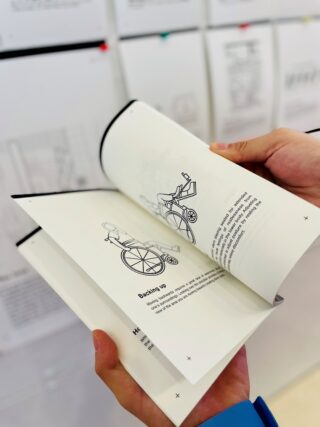
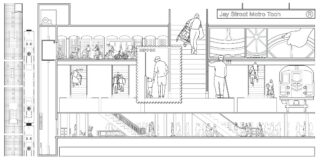
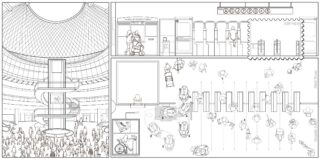
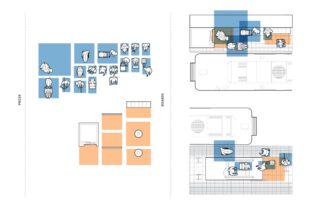
Toward the end of high school, I was diagnosed with a progressive muscular dystrophy and told I would likely lose the ability to walk independently within 20 years. As my body has changed, so has my relationship with the city. What once felt routine—crossing streets, taking the subway—now brings urgency, anxiety, and, at times, avoidance. Over time, navigating New York has become increasingly difficult. While the Metropolitan Transportation Authority (MTA) continues to invest in accessibility improvements, such as elevator installations, these measures alone are not enough. Accessibility is not only about physical access—it is about dignity, independence, and a sense of belonging. Even with expanded infrastructure, many disabled riders still avoid the system. Programs like Access-A-Ride, though well intentioned, can reinforce separation by removing disabled riders from shared transit spaces. Current accommodations often meet legal requirements but can feel inadequate or isolating. Riders may feel like burdens, navigating limited space or disrupting others, while the emotional toll of being treated as “other” persists. What is often missing from accessibility discussions is a deeper understanding of disabled bodies in motion and how these lived experiences inform design. This project, Re: Reasonable Modification Request, explores new ways to connect disabled commuters with designers through visual media. Using diagrams, games, and comics, it translates lived experience into familiar architectural tools such as plans, sections, and elevations. By fostering shared understanding and perspective, the project seeks to bridge the gap between users and designers—redefining what “reasonable” means and advancing more inclusive, empathetic transit design.