




Build Smart
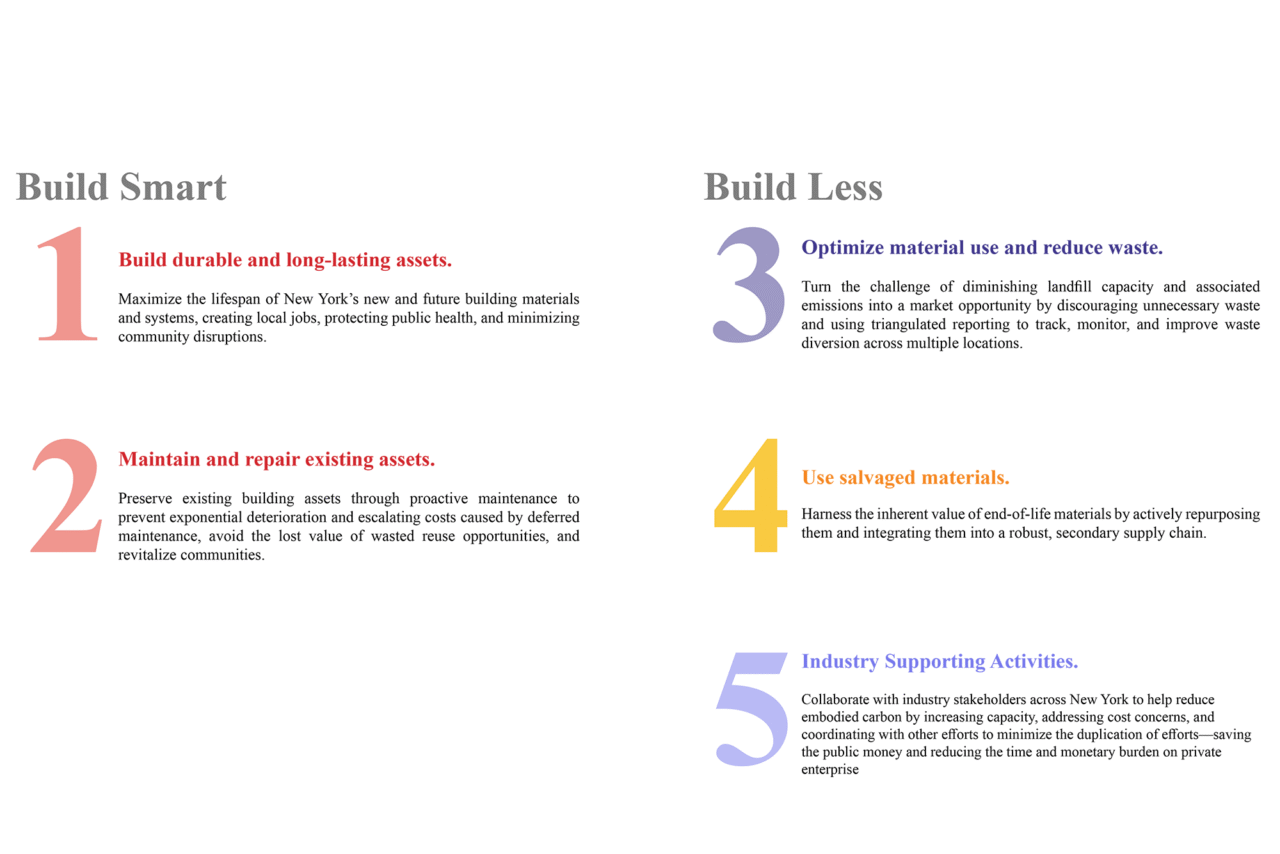
1. Build Durable and Long-Lasting Assets
Maximize the lifespan of New York’s new and future building materials and systems, creating local jobs, protecting public health, and minimizing community disruptions.
a. Require state projects to consider circularity
b. Publish design for adaptability guidance
2. Maintain and Repair Existing Assets
Preserve existing building assets through proactive maintenance to prevent exponential deterioration and escalating costs caused by deferred maintenance, avoid the lost value of wasted reuse opportunities, and revitalize communities
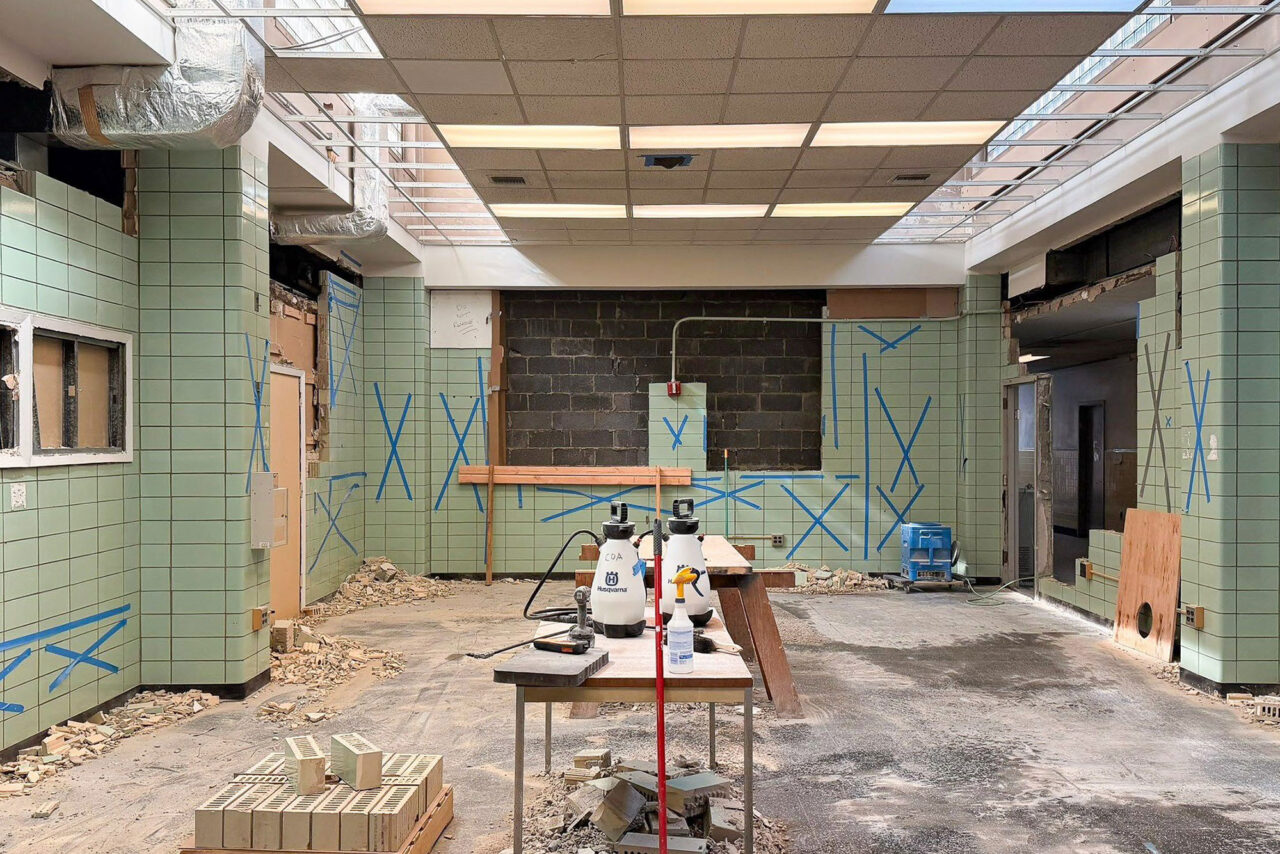
a. Conduct a statewide adaptive reuse assessment
b. Publish building maintenance guidance
Build Less
3. Optimize Material Use and Reduce Waste
Turn the challenge of diminishing landfill capacity and associated emissions into a market opportunities by discouraging unnecessary waste and using triangulated reporting to track, monitor, and improve waste diversion across multiple locations.
a. Enhance digitized construction and demolition waste reporting for all public projects
4. Use Salvaged Materials
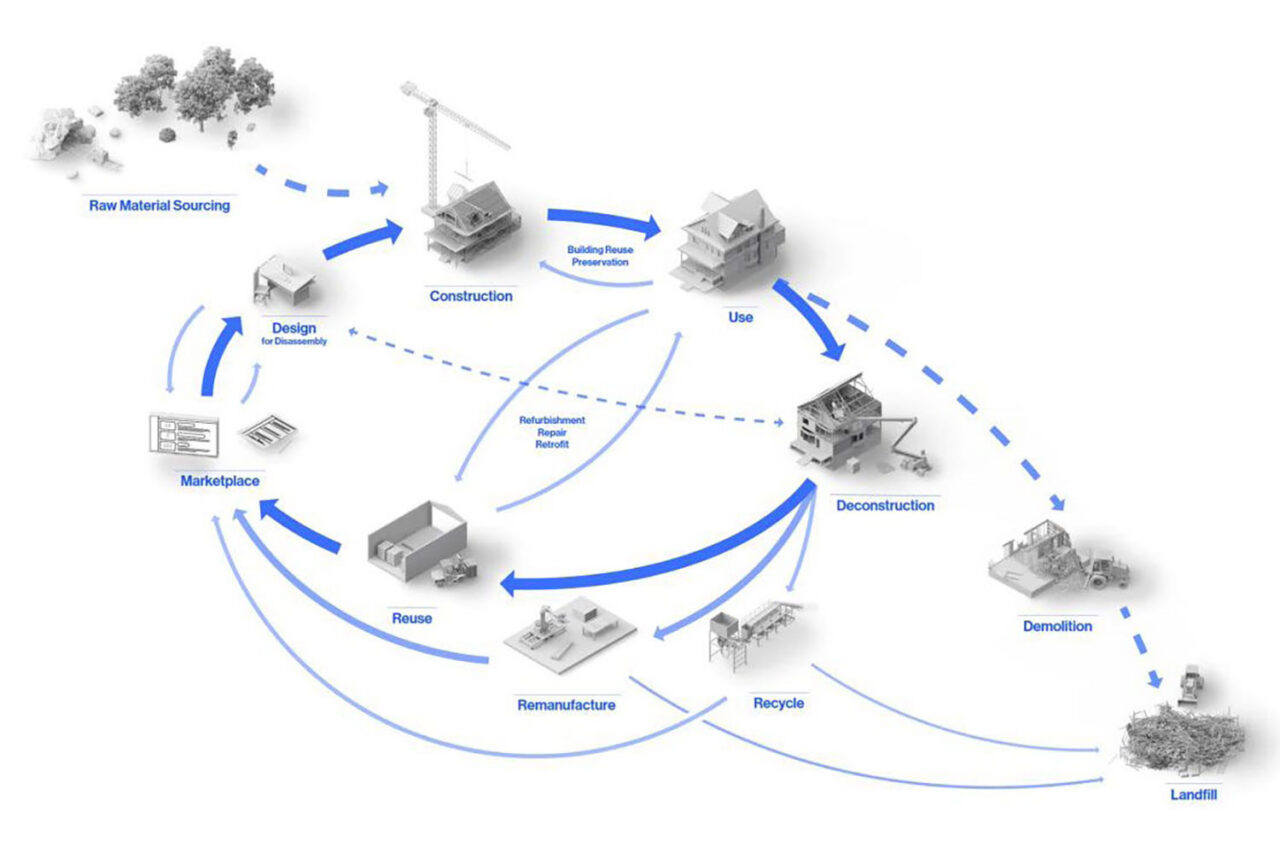
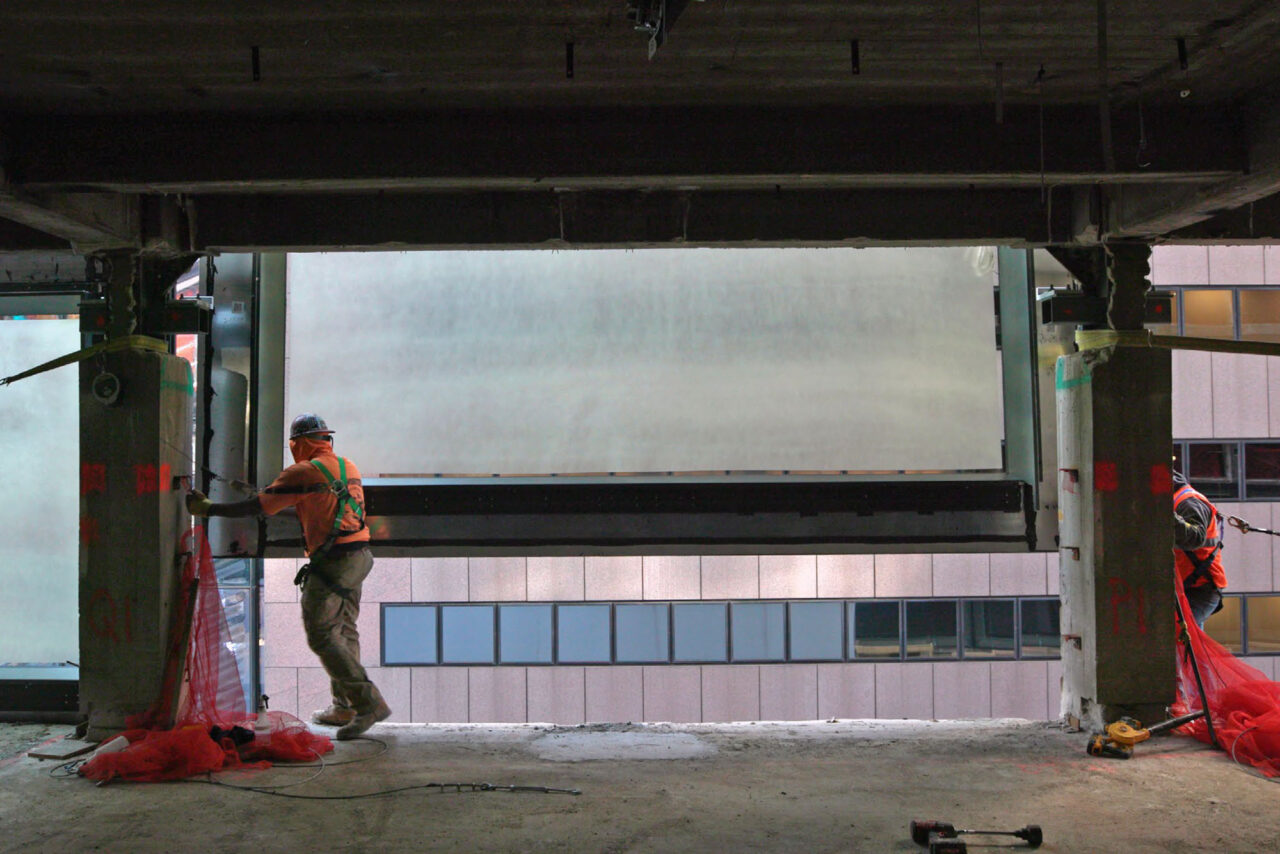
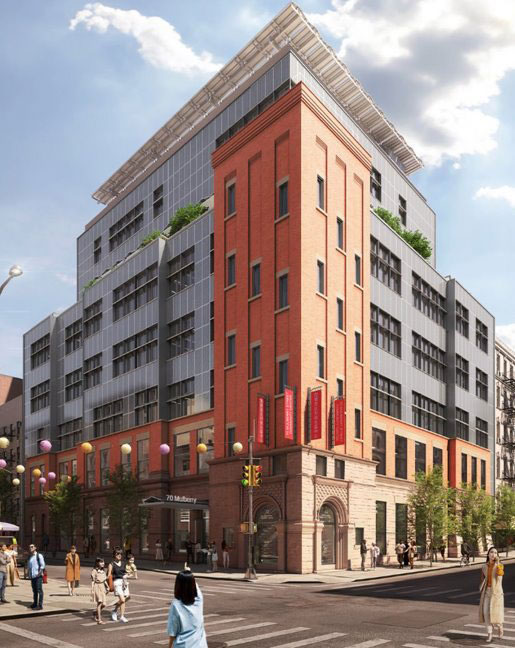
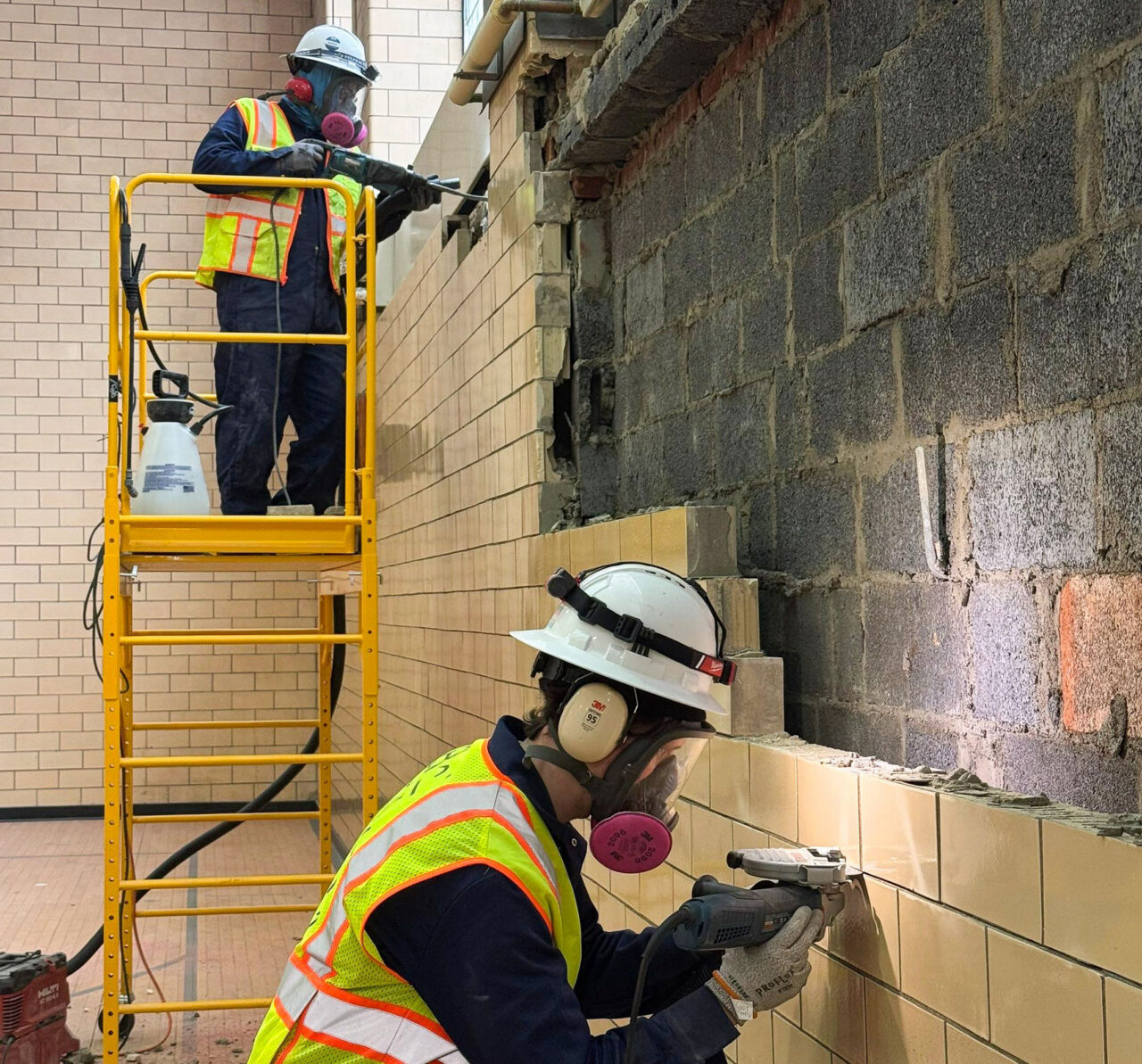
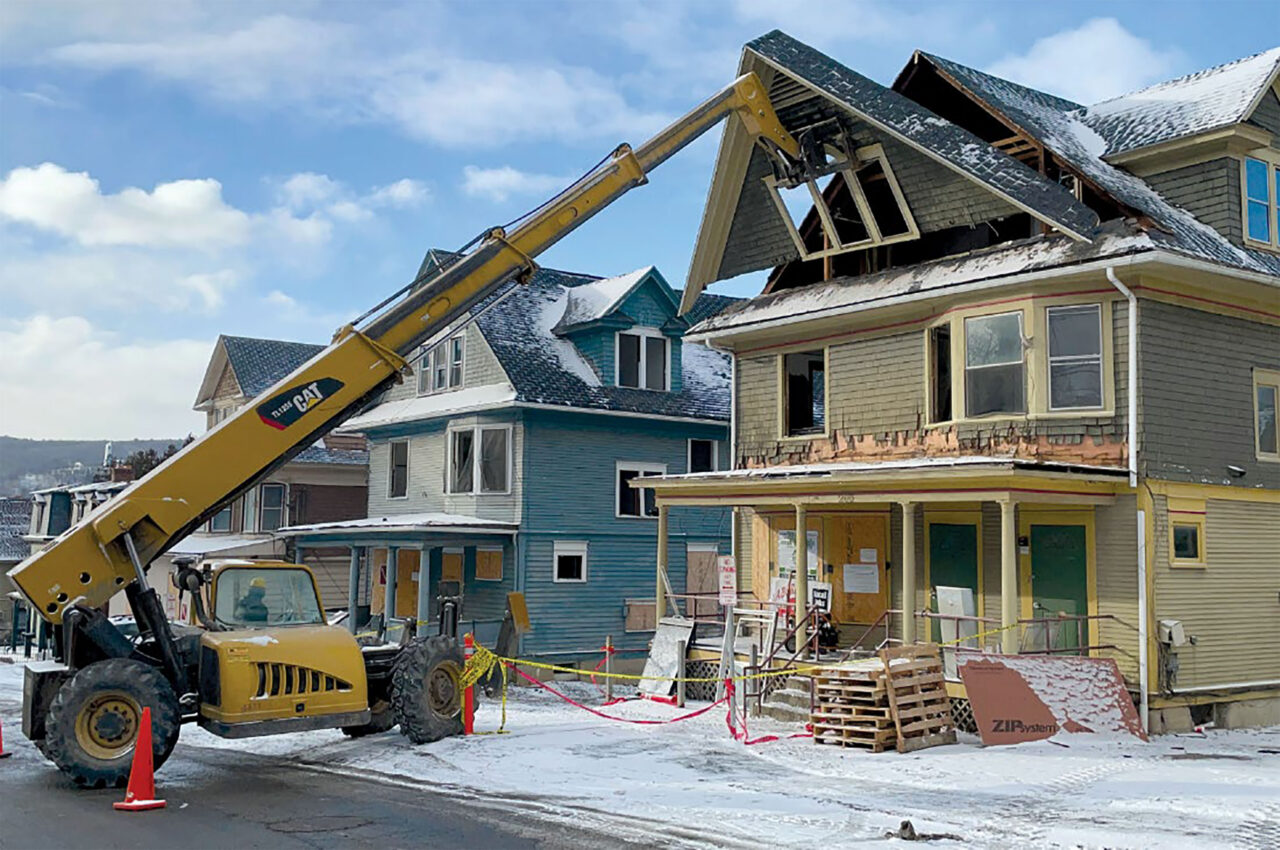
Harness the inherent value of end-of-life materials by actively repurposing them and integrating them into a robust, secondary supply chain.
a. Update state building code to allow salvaged structural materials
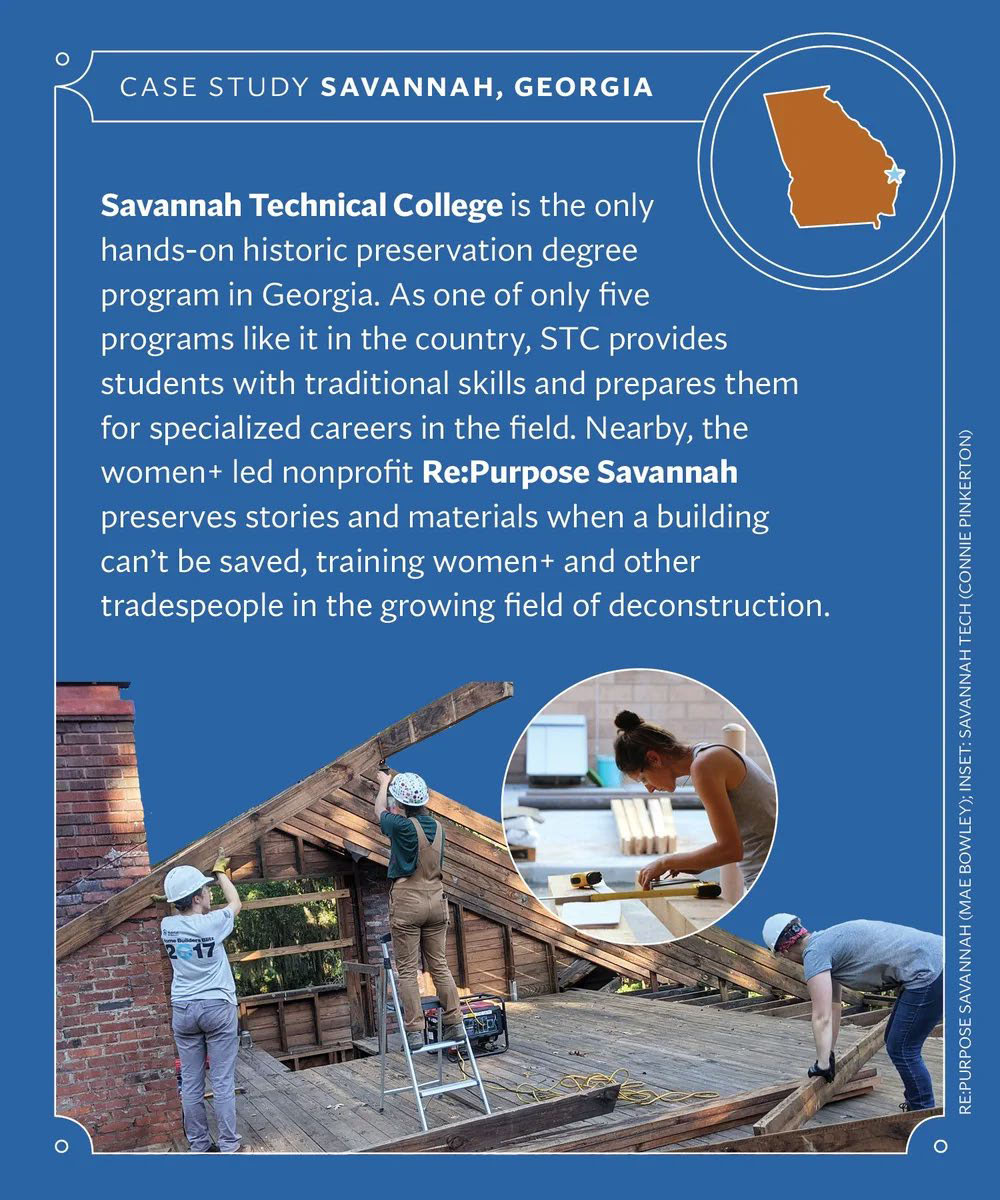
b. Conduct deconstruction training and certification
c. Fund deconstruction and reuse pilots for state projects
d. Encourage municipalities to implement deconstruction ordinances
e. Conduct statewide land availability assessment
5. Industry Supporting Activities
Collaborate with industry stakeholders across New York to help reduce embodied carbon by increasing capacity, addressing cost concerns, and coordinating with other efforts to minimize the duplication of efforts—saving the public money and reducing the time and monetary burden on private enterprise.