



by: AIA New York
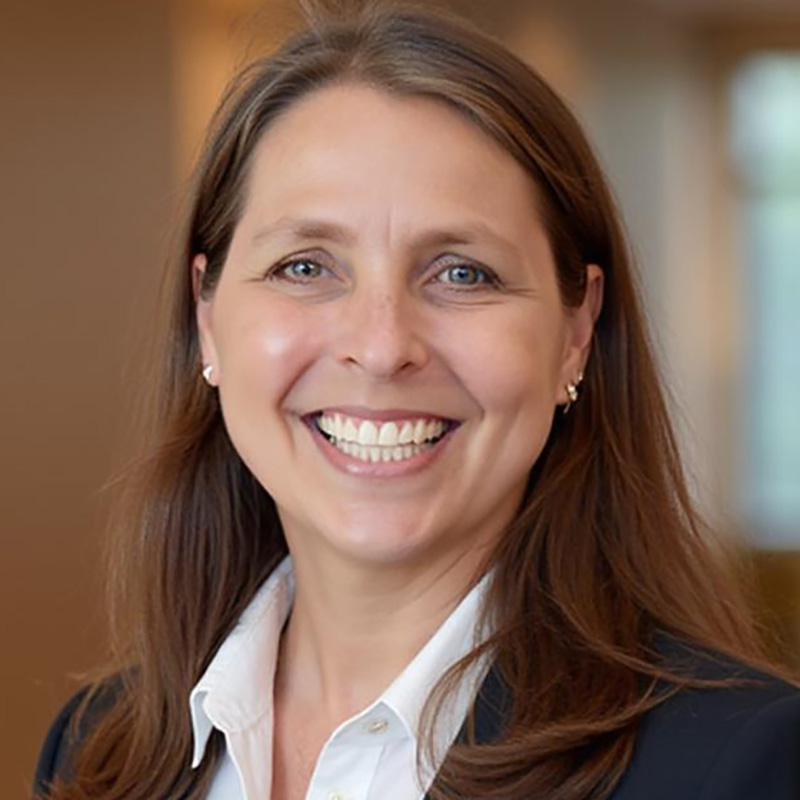
Kimberlae Saul, AIA, DBIA, is a licensed architect with broad experience in planning, design, and construction, shaping urban and campus environments across New York City. She is Vice President for Planning and Design at Battery Park City Authority, leading capital planning, resiliency, and sustainability initiatives while managing multi-year budgets, and co-chair of the AIANY Design for Risk and Reconstruction Committee. Previously, she spent a decade as campus architect at Pratt Institute, guiding capital projects, space planning, and sustainability programs. Her architectural portfolio includes the Elmhurst Library, Staten Island Children’s Museum Tensile Structures, Sheila Johnson Design Center at Parsons, and the Whitehall Ferry Terminal. Saul strives to deliver projects that are functional, sustainable, and enrich the aesthetic and cultural fabric of the communities they serve.
Q: How/why did you decide to pursue architecture?
I pursued architecture because I grew up immersed in building and design. My father is a structural engineer, and both of my grandfathers were carpenters—every kid in our family is gifted a hammer on their third birthday and taught how to use it. I spent a great deal of time on job sites with my grandfather, which made construction feel familiar and exciting. Growing up in a small Midwestern city in Iowa, family trips to Minneapolis and Chicago introduced me to architecture at a larger, urban scale. I loved walking those cities, touring buildings, and observing how architecture shapes neighborhoods, public life, and the way people experience places.
Q: What are some of your favorite recent projects that you’ve worked on?
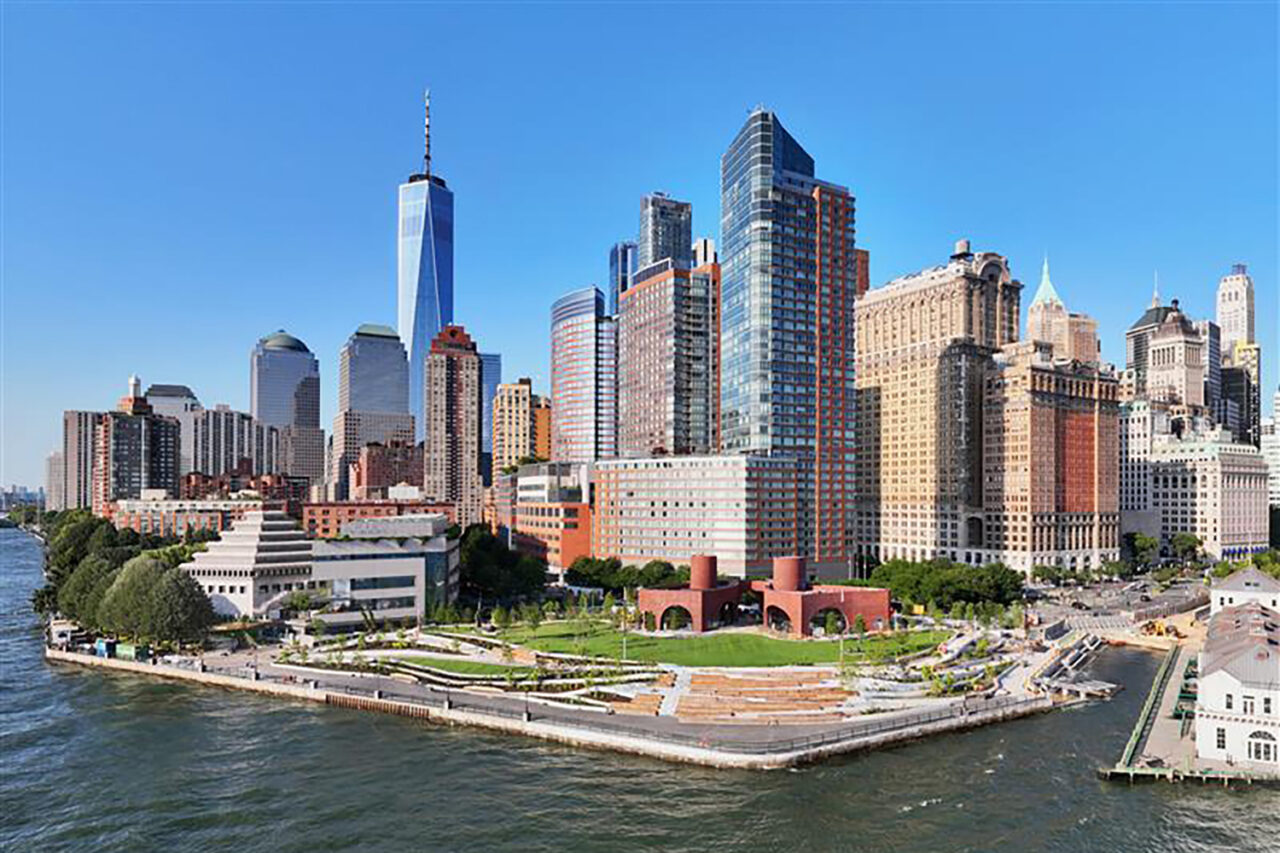
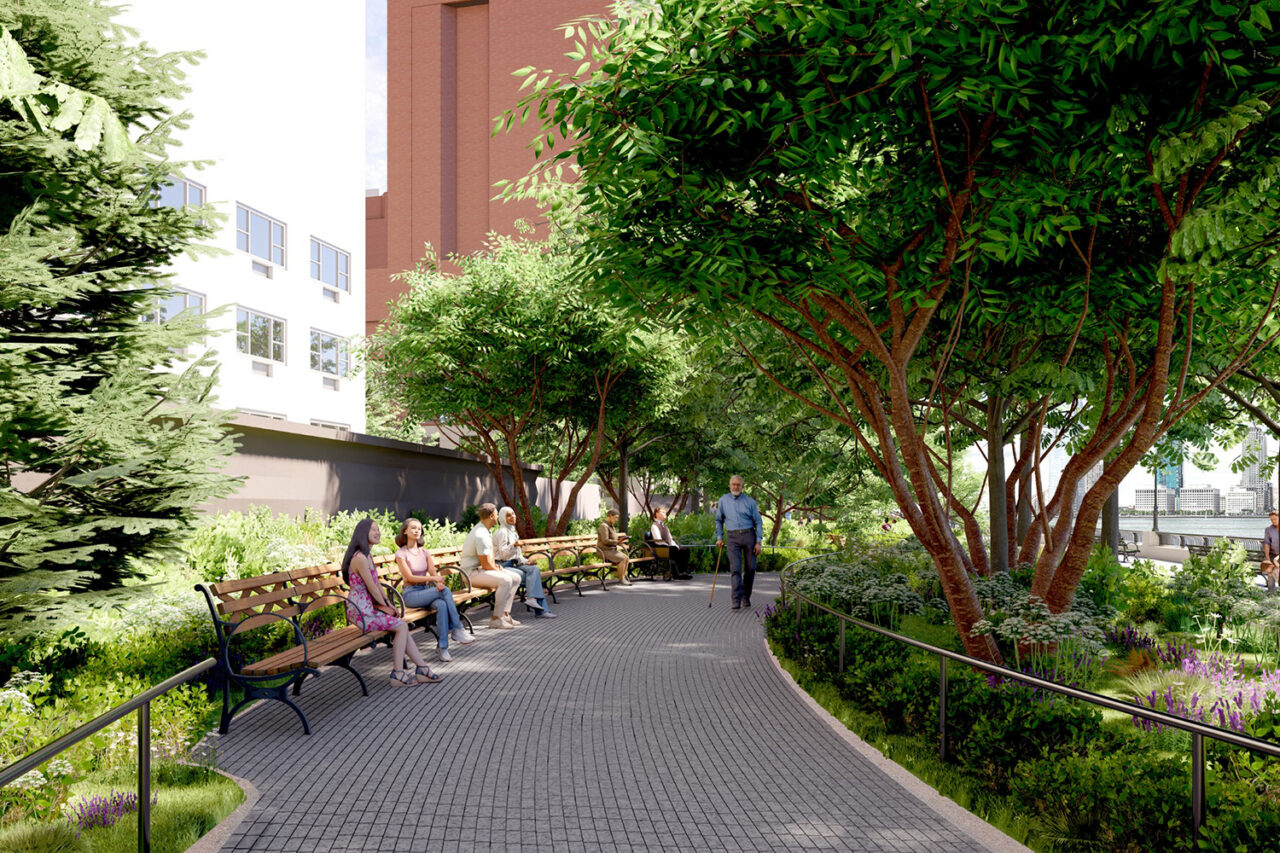
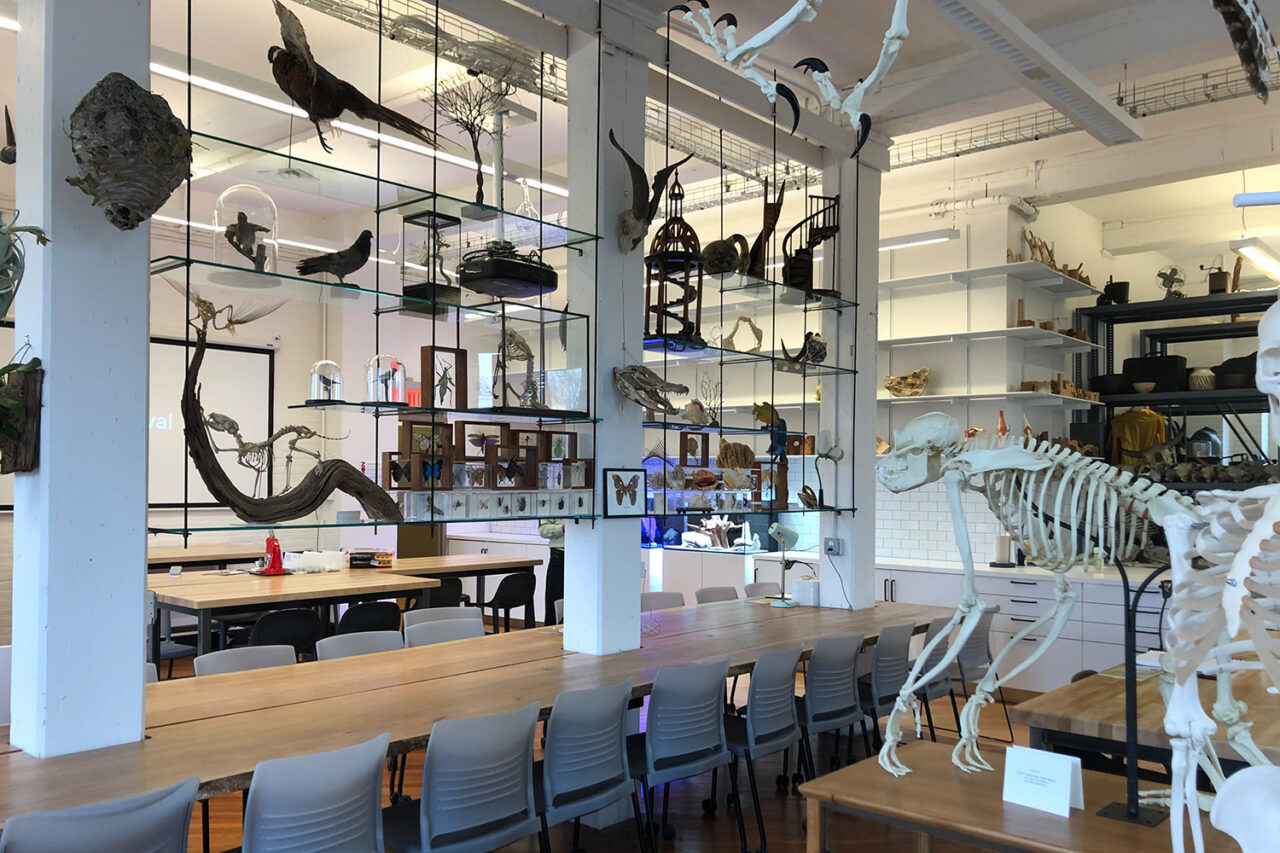
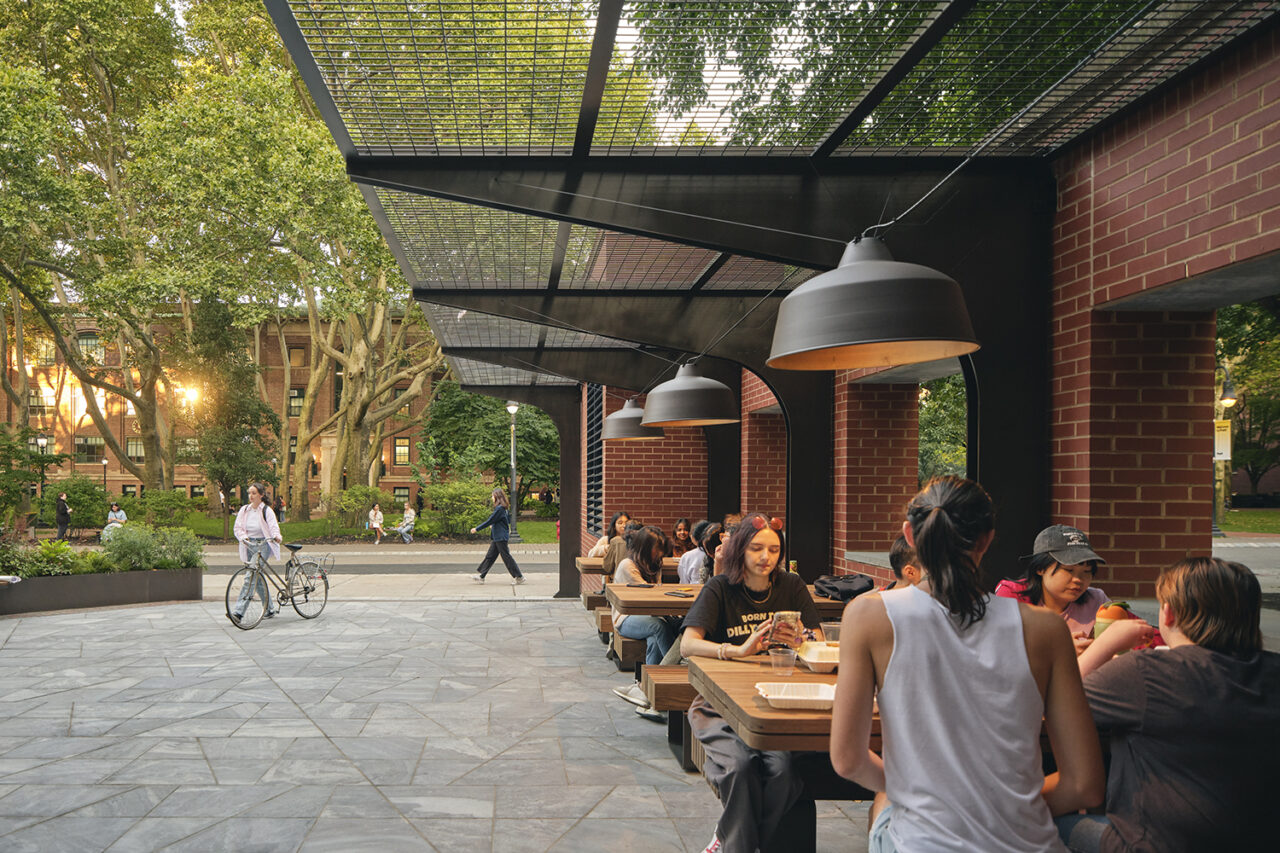
My current work is part of the Lower Manhattan Coastal Resiliency Master Plan, spanning more than a mile and a half of New York City’s waterfront. The work is challenging but deeply meaningful, as we shape new public spaces to protect our city from rising waters and increasingly intense storm events. Prior to joining BPCA, I served as campus architect at Pratt Institute for nearly a decade, a role I truly loved, during which we transformed much of the campus. Recently, on an admissions tour with my daughter, I realized that many of the featured spaces—including the new dormitory, the Foundations Lab, and East Hall Plaza—were projects I had shepherded from initial planning through completion. Seeing these spaces come alive with students was incredibly fulfilling.
Q: What do you see as an architect’s role—and responsibility—within our culture?
I believe architects play a critical role in shaping how people experience and share space in our culture. After undergrad, I moved to New York City and began working on large-scale urban design projects, where I discovered how powerful architecture can be at the city scale. I became especially drawn to creating spaces that contribute to the public realm and are universally accessible—places where everyone can have the same experiences, not just a select few. Today, working on resiliency projects has been a steep but incredibly rewarding learning curve. These projects are about more than protection; they create a connected network of beautiful, inclusive public spaces that allow people to gather, play, and enjoy the Hudson River while safeguarding Lower Manhattan for the future.
Q: What do you think are the biggest challenges, or opportunities, facing cities today?
The biggest challenges and opportunities facing cities today are deeply interconnected. Climate change requires cities to adapt quickly, designing resilient systems that protect communities while still enhancing quality of life. Economic disparity and housing affordability continue to determine who can live in and benefit from urban environments, making equity a central design issue. Access to well-designed public space and thoughtful public programming is equally important, as these spaces support social connection, health, and cultural life across communities. When done well, public spaces can help bridge divides and provide shared experiences for people of all backgrounds. Architects have an opportunity to respond holistically, shaping cities that are resilient, inclusive, and vibrant for future generations.
Q: What are your greatest sources of inspiration?
My greatest source of inspiration comes from collaborating with thoughtful, multidisciplinary teams. I’ve been fortunate to work alongside talented engineers, designers and builders across New York City who share a passion for creating meaningful, high-quality public spaces. That collaborative energy continually pushes the work forward. I’m also deeply inspired by working with younger people. I learn constantly from my graduate students at Pratt, as well as from my own kids and their friends. Their perspectives on the world and the challenges we face often differ from my own, encouraging me to rethink assumptions and stay curious, open, and engaged with the evolving city we are designing for.